Owning a home is one of the most rewarding milestones in life, but it also comes with a seemingly endless list of responsibilities. While daily tidying and weekend lawn mowing are top of mind, the structural, mechanical, and safety systems of your house operate quietly in the background. Neglecting these systems can lead to catastrophic failures, costly emergency repairs, and safety hazards. Incorporating essential home services to schedule annually into your calendar is the smartest way to preserve your property value and ensure peace of mind.
By treating home maintenance like an annual checkup, you can catch minor issues before they spiral into bank-breaking disasters. In this detailed maintenance log, we will break down the crucial annual appointments you need to schedule, structured as practical field logs so you can systematically tackle each task throughout the year.
Log #1: The Spring HVAC Clean and Tune
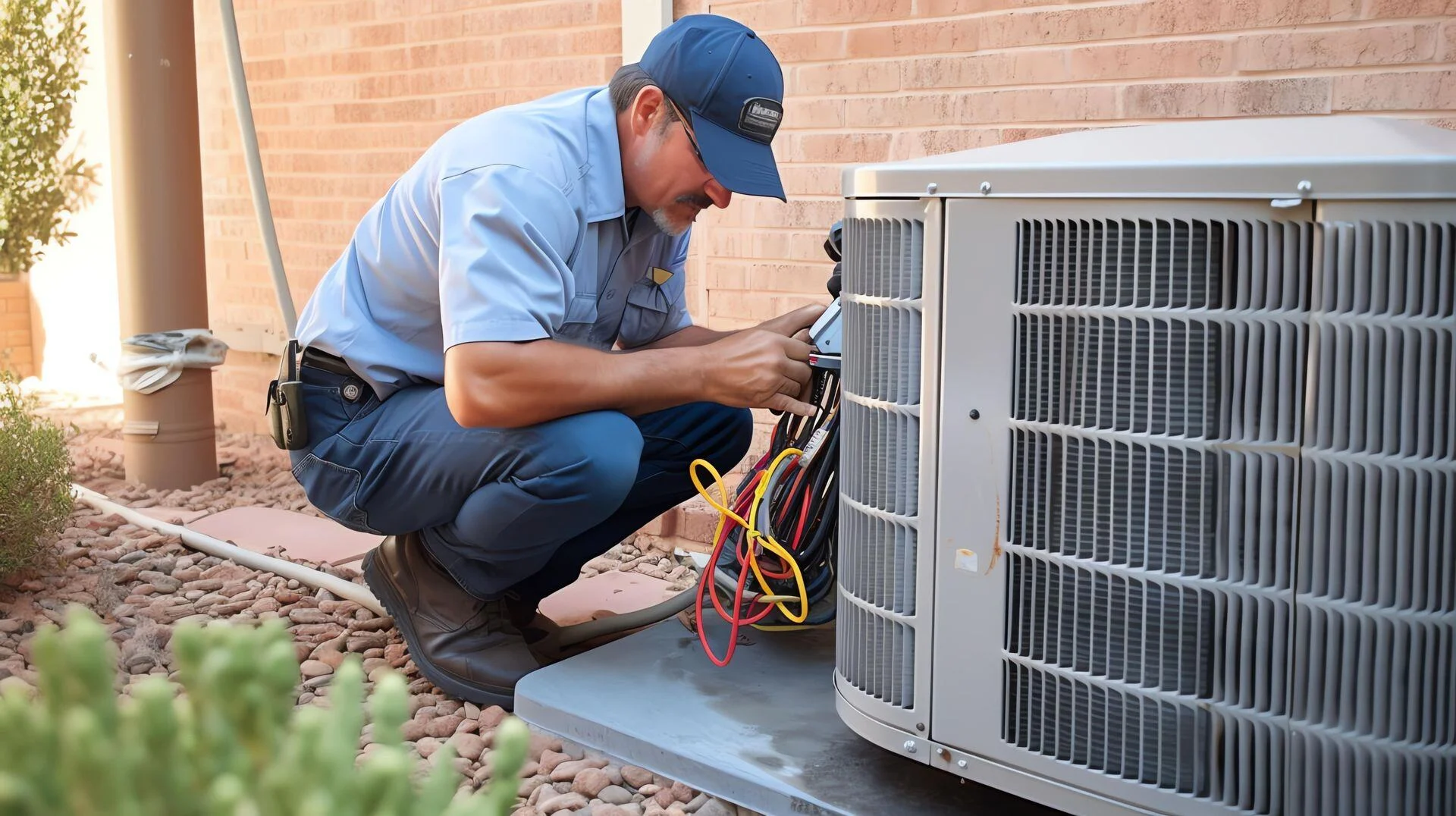
As the winter chill fades, your cooling system needs to prepare for the heavy lifting of summer. Scheduling a professional HVAC technician in the early spring ensures your system runs at peak energy efficiency, reducing your monthly utility bills. Dust, pollen, and mechanical wear from the previous year can slow down heat exchange and cause premature compressor failure.
During a professional tune-up, technicians perform intricate calibration tasks that go far beyond what a homeowner can do. For a comprehensive look at preparing your home for the warmer months, check out our Comprehensive Home Improvement Checklist for Spring Maintenance. An annual service call typically covers several highly specialized procedures:
- Checking refrigerant levels to ensure optimal cooling capacity and system pressure.
- Cleaning the external condenser coils to maximize heat release.
- Calibrating the thermostat to maintain precise temperature controls.
- Inspecting electrical connections and measuring voltage levels across components.
- Lubricating moving motor parts to minimize friction and prevent overheating.
- Clearing the condensate drain line to prevent water back-ups and indoor leaks.
Log #2: Chimney Sweeping and Fireplace Inspection
If you enjoy cozy wood fires during the winter, your chimney accumulates a highly flammable byproduct known as creosote. According to the National Fire Protection Association, dirty chimneys are a leading cause of devastating structure fires. An annual sweep removes this black, tar-like substance and ensures that toxic gases like carbon monoxide can safely escape your living spaces.
A professional sweep will also look for structural damage that might have been caused by freeze-thaw cycles. They follow a precise sequence of steps to ensure your flue is clean and structurally sound:
- Clearing out residual ash and loose debris from the firebox floor.
- Brushing the interior flue lining using heavy-duty, specialized wire brushes.
- Inspecting the fireplace damper to guarantee it opens and seals tightly.
- Checking the masonry and chimney cap for cracked mortar or loose bricks.
- Testing for proper draft and airflow to prevent smoke blowback.
Log #3: Roof Integrity and Gutter Clearing
Water is the absolute enemy of your home's structural integrity. When gutters are clogged with autumn leaves, water backs up under your roof shingles, resulting in rotting plywood, ruined insulation, and mold growth inside your attic walls. An annual inspection ensures that your primary shield against the elements is leak-free.
"Water is the single most destructive element to a structure's foundation and framing; preventing leaks through seasonal gutter maintenance is much cheaper than correcting structural rot."
When you hire a professional for this service, they do not just scoop out leaves. They assess how the entire drainage system handles heavy rainfall, checking every weak point along your roofline. The typical scope of work includes:
- Clearing all packed organic debris from gutters and downspouts.
- Inspecting flashing around chimneys, skylights, and valley lines.
- Checking for loose, damaged, or missing shingles.
- Verifying that gutter brackets are securely anchored to the fascia boards.
- Testing downspout output to confirm water is directed far away from the foundation.
Log #4: Annual Deep Carpet and Upholstery Steam Cleaning
Vacuuming removes surface-level dust, but it leaves behind deeply embedded allergens, pet dander, and microscopic grime that wear down carpet fibers over time. Scheduling an annual professional deep clean refreshes your indoor air quality and keeps your carpets looking new.
Why Professional Steam Beats DIY Rental Units
Many homeowners assume that renting a small machine from a grocery store is just as effective as hiring a professional crew. However, consumer-grade rental units lack the water heating capacity and vacuum extraction power of truck-mounted professional systems. This leaves carpets overly wet, which can lead to mold growth and musty odors underneath the carpet padding.
- Truck-mounted systems reach temperatures high enough to sanitize fibers without chemicals.
- Industrial-grade extraction removes up to 95% of moisture, allowing carpets to dry within hours.
- Professional techniques prolong the overall lifespan of expensive carpets and rugs.
Log #5: Termite Inspection and Pest Control Shield
Termites and other wood-boring insects cause billions of dollars in property damage annually, often without homeowners noticing until it is too late. An annual termite inspection is critical, especially if you live in areas prone to damp wood and high humidity. According to the Environmental Protection Agency, early detection is key to preventing structural failures caused by subterranean pests.
A licensed exterminator will systematically search your property for signs of activity and establish a protective barrier around your perimeter. This service is executed through several standardized phases:
- Checking the crawlspace, basement, and foundation walls for mud tubes.
- Probing exposed sill plates and structural joists for soft spots.
- Searching for discarded insect wings or wood-colored frass.
- Applying targeted, eco-friendly chemical barriers around the home's exterior.
- Setting up monitoring bait stations in high-risk soil zones.
Log #6: Water Heater Flushing and Plumbing Health Check
Over the course of a year, dissolved minerals in your tap water settle at the bottom of your water heater tank. This sediment forms an insulating barrier over the heating element, forcing your system to work harder, raise utility bills, and eventually crack under pressure. Flushing the tank once a year restores its heating efficiency and extends its lifespan.
While the technician is flushing your water heater, they should also perform a general plumbing diagnostic. This preventative check covers the most vulnerable points in your water delivery system:
- Flushing mineral scale and sediment from the water heater reservoir.
- Inspecting the sacrificial anode rod and replacing it if completely corroded.
- Testing the temperature and pressure relief valve for proper mechanical operation.
- Checking under-sink pipes and shut-off valves for tiny, slow-dripping leaks.
- Verifying that the thermal expansion tank is operating at the correct pressure.
Log #7: Dryer Vent and Ductwork Sweep
While you likely clean your dryer's lint screen after every load, a significant amount of lint bypasses the filter and settles inside the exhaust duct. Over time, this lint restricts airflow, causing your dryer to run hotter and run longer to dry a single load of laundry. Even worse, highly flammable lint combined with extreme heat is a recipe for a devastating home fire.
Professional dryer duct cleaning is a quick, mess-free service that pays for itself in energy savings and safety. The technician will follow a systematic cleaning routine:
- Unplugging the appliance and pulling it away from the laundry wall.
- Detaching the flexible transition hose to inspect for tears or kinks.
- Running a motorized rotary brush through the rigid ductwork leading outside.
- Using high-powered vacuums to collect all dislodged lint clumps.
- Cleaning the exterior louvered vent cap to ensure it opens and closes freely.
- Reconnecting the system and testing backpressure airflow.
Log #8: Sump Pump Testing and Basement Waterproofing Audits
For homes with basements or crawlspaces, the sump pump is the last line of defense against flooding. If yours fails during a heavy summer rainstorm, you could face thousands of dollars in water damage, ruined drywall, and toxic mold growth. An annual diagnostic ensures that your pump is ready to handle sudden deluges.
A professional water management technician will thoroughly test the pump and assess your basement's overall humidity levels. Their checklist typically includes:
- Pouring water into the basin to test the automatic float switch action.
- Testing the battery backup system to make sure it works during a power outage.
- Cleaning out debris, small stones, and silt from the pump basin.
- Inspecting the discharge line to ensure it is clear of obstructions.
- Checking the check-valve to prevent pumped water from flowing back down.
Log #9: Window Washing and Exterior Power Spraying
Keeping your home's exterior clean is not just about keeping up appearances with your neighbors. Dirt, mold spores, algae, and bird droppings eat away at paint, vinyl siding, and wood trim. An annual soft-wash removes these elements before they can permanently stain or rot your home's exterior surfaces.
Because high-pressure water can easily damage wood siding or break window seals, hiring professionals who understand "soft-washing" is critical. Their cleaning process safely handles delicate areas:
- Removing and thoroughly scrubbing all window screens.
- Scraping away mineral buildup and hard water spots from window glass.
- Applying biodegradable cleaners to kill mold spores on siding.
- Rinsing the home's exterior with low-pressure, high-volume water.
- Clearing window tracks of dirt to ensure smooth opening and closing.
Log #10: Electrical Panel Inspection and Safety Diagnostics
As we integrate more appliances, entertainment centers, and smart devices into our daily routines, our home electrical grids face higher demands than ever before. To keep your smart home running safely, check out our guide on the Best Smart Home Devices for Everyday Convenience. However, even the smartest gadgets need a stable, secure electrical panel to operate safely.
Integrating Smart Tech with Electrical Safety
An annual visit from a licensed electrician can identify overloaded circuits, loose wiring connections, and outdated breakers before they cause power surges or electrical fires. They use specialized thermal imaging cameras to locate hidden heat spots inside your walls.
- Tightening loose terminal lugs on circuit breakers.
- Using infrared cameras to detect abnormal heat generation.
- Testing Ground Fault Circuit Interrupter (GFCI) outlets.
- Inspecting the main grounding rod connection outside the house.
- Checking for any double-tapped breakers that violate local electrical codes.
Log #11: Backflow Preventer Testing and Irrigation System Blowout
If your home features an underground sprinkler system, you must schedule seasonal maintenance to protect your drinking water and prevent frozen pipes. In the autumn, water left inside underground lines will freeze, expand, and rupture the plastic piping. Furthermore, backflow preventer valves must be certified annually to ensure lawn chemicals never siphon back into your home's fresh drinking water supply.
To prevent these issues, professionals execute a careful shutdown sequence before the first hard freeze:
- Shutting off the main water valve leading to the outdoor irrigation lines.
- Attaching a commercial air compressor to the blowout connection port.
- Forcing pressurized air through each watering zone to clear out residual water.
- Testing and certifying the backflow preventer assembly according to local health codes.
- Insulating exposed brass valves above ground to protect them from cold air.
Log #12: Mid-Year Synthesis: Scheduling Matrix and Estimated Costs
To help you budget and plan your annual maintenance routines, we have compiled a matrix of these essential services, detailing when they should occur, estimated professional service costs, and whether you should attempt them yourself.
| Service Name | Recommended Season | Estimated Cost (USD) | DIY Friendly? |
|---|---|---|---|
| HVAC Tune-up | Spring / Autumn | $100 - $250 | No (Requires certified tools) |
| Chimney Sweep | Late Summer | $150 - $350 | No (High fall hazard) |
| Gutter & Roof Clearing | Spring & Autumn | $100 - $300 | Moderate (Use extreme caution) |
| Termite & Pest Check | Spring | $75 - $200 | No (Requires license) |
| Water Heater Flush | Anytime | $80 - $150 | Yes (With proper guide) |
| Dryer Vent Clean | Anytime | $90 - $180 | Yes (With duct brush kit) |
| Electrical Panel Check | Anytime | $150 - $300 | No (High electrocution risk) |
Log #13: Garage Door Mechanism Maintenance
Your garage door is likely the largest and heaviest moving object in your entire home. It operates under immense mechanical tension via heavy steel springs. If a spring snaps or a cable slips, it can cause severe property damage or bodily injury. An annual safety tune-up keeps the tracks aligned and the safety sensors operating perfectly.A professional door technician will inspect the entire mechanical assembly, focusing on safety mechanisms and smooth operation:
- Applying high-grade silicone lubricant to rollers, hinges, and tracks.
- Checking the balance of the door to ensure the motor isn't strained.
- Testing the auto-reverse safety sensors using physical blockades.
- Inspecting the lift cables for signs of fraying or rust.
- Tightening loose mounting bolts on the overhead ceiling tracks.
Log #14: What I’d Repeat: Key Takeaways from a Year of Structured Maintenance
After keeping strict logs of these services, we have identified several ways to streamline this process, save money, and avoid scheduling headaches. Here are the most valuable lessons learned from a year of home maintenance:
- Book your services during the