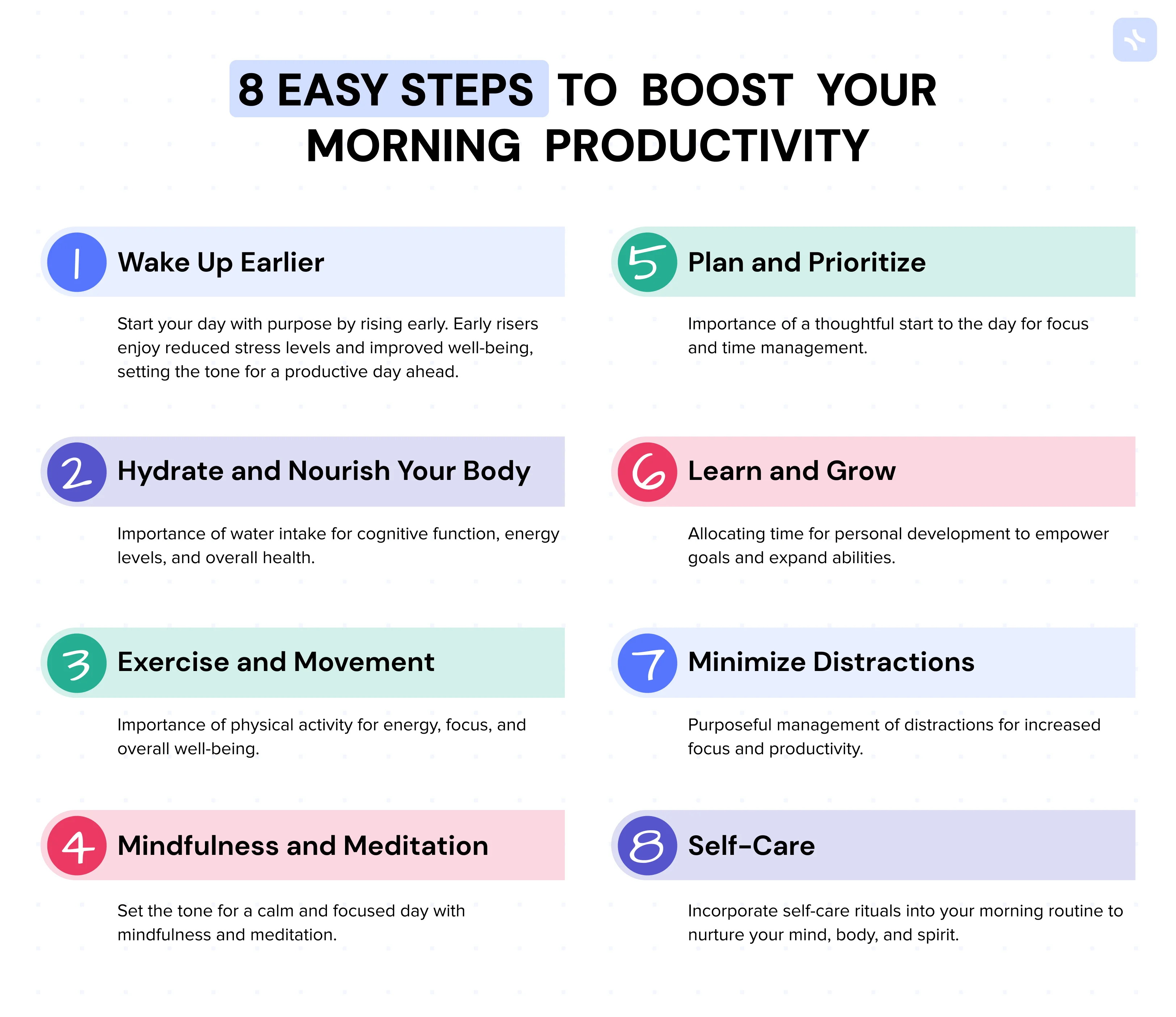
Starting your day with intention sets the stage for success, transforming ordinary mornings into powerful launchpads for productivity. A well-crafted morning routine can significantly impact your focus, mood, and overall output, helping you tackle challenges with renewed energy and clarity. This article explores various morning routine ideas for maximum productivity, catering to different lifestyles and goals, ensuring everyone can find a ritual that resonates.
Many successful individuals attribute a significant portion of their achievements to a consistent and optimized morning ritual. It's not about waking up at 4 AM if that doesn't suit your body clock, but rather about creating a sequence of habits that prepare your mind and body for the demands of the day ahead. Let's dive into some specific scenarios and how you can tailor a routine to fit your unique needs.
Scenario 1: The Early Bird CEO's Strategic Start
For the busy executive or leader, mornings aren't just about waking up; they're about gaining a strategic edge. This scenario focuses on leveraging the quiet hours for high-level planning and personal growth before the deluge of emails and meetings begins. The goal is to cultivate mental clarity and set a powerful agenda for the day, minimizing reactive decision-making later on.
- Constraints: Limited uninterrupted time before work demands kick in, high mental load requiring early strategic thought, need for sustained focus throughout long workdays.
- Objective: Establish a clear vision for the day, address complex problems, and prevent burnout through proactive self-care.
- 5:00 AM – Wake and Hydrate: Begin with a large glass of water, perhaps with lemon, to rehydrate and kickstart metabolism.
- 5:15 AM – Mindfulness Practice: Engage in 15-20 minutes of meditation or deep breathing. Apps like Calm or Headspace can guide you. This practice is crucial for sharpening focus and reducing stress, preparing the mind for critical thinking.
- 5:35 AM – Strategic Planning: Review your daily, weekly, and quarterly goals. Identify the top 1-3 priorities for the day that align with your broader objectives. Use this time to block out focused work sessions for these tasks on your calendar.
- 6:00 AM – Knowledge Consumption: Read industry news, a challenging book, or listen to a thought-provoking podcast. This feeds your intellect and keeps you updated on trends, fostering continuous learning.
- 6:30 AM – Light Exercise/Movement: A brisk walk, some yoga, or a quick bodyweight circuit helps wake up the body and improve blood flow, enhancing cognitive function.
- 7:00 AM – Nourishing Breakfast: Fuel your body with a protein-rich breakfast that sustains energy levels without causing a sugar crash.
Success Signal: By the time your workday officially begins, you feel calm, clear-headed, and have a well-defined roadmap, making you more proactive and less susceptible to immediate distractions or crises. You've already made significant progress on your most important tasks, setting a powerful precedent for the hours to come.
Scenario 2: The Creative Entrepreneur's Flow State Initiation
Creatives, writers, artists, and designers often thrive on inspiration and flow states. This morning routine is tailored to tap into that elusive creative wellspring before the world interrupts. The goal is to cultivate an environment and mindset conducive to original thought and artistic expression, allowing ideas to flourish organically.
- Constraints: Need for quiet, uninterrupted time for deep creative work, avoiding mental blocks or distractions that stifle originality, maintaining motivation for self-directed projects.
- Objective: Spark creativity, enter a flow state, and make significant progress on passion projects or client work that requires innovative thinking.
- 6:30 AM – Gentle Awakening: Avoid jarring alarms. Opt for a sunrise alarm clock or soft music. Slowly transition from sleep, allowing your mind to wander.
- 6:45 AM – Journaling/Free Writing: Dedicate 20-30 minutes to brain-dumping, stream-of-consciousness writing, or sketching. This clears mental clutter and often unearths latent ideas. It's about getting thoughts out without judgment.
- 7:15 AM – Creative Catalyst: Engage in a creative activity directly related to your craft, or something that inspires you. This could be playing a musical instrument, working on a personal art project, or even reading poetry. The key is to do something purely for joy and exploration.
- 7:45 AM – Skill Development Block: Spend 30 minutes learning a new technique, watching a tutorial, or practicing a difficult aspect of your craft. Consistent learning keeps your skills sharp and expands your creative toolkit.
- 8:15 AM – Mindful Movement: Gentle stretching, yoga, or a walk in nature. Physical movement can often dislodge creative blocks and provide fresh perspectives.
- 8:45 AM – Light, Inspiring Breakfast: Enjoy a meal while listening to inspiring music, an insightful podcast, or observing your surroundings. Avoid news or social media during this time.
Success Signal: By mid-morning, you've already generated new ideas, made tangible progress on a creative project, and feel a sense of accomplishment and inspiration. Your mind feels expansive and ready to tackle the day's challenges with a fresh, imaginative approach.
Scenario 3: The Busy Parent Juggling Multiple Roles
Parents often feel their mornings are a chaotic whirlwind. This routine is designed to bring calm and control to family mornings, ensuring both parent and children start the day positively. The focus is on preparation, shared moments, and carving out small pockets of personal time amidst the beautiful chaos.
- Constraints: Unpredictable child schedules, limited personal time, high demand for organization and patience, need to ensure everyone is fed and ready.
- Objective: Create a smoother morning flow, minimize stress for both parents and children, and still find moments for personal well-being.
- Night Before Prep: Lay out clothes, pack lunches, prepare school bags, and even set the breakfast table. This is the single most impactful step to reduce morning rush.
- 5:30 AM – Parent's Early Rise: Wake up 30-60 minutes before the children. Use this time for quiet reflection, reading, a quick exercise, or enjoying a hot beverage in peace. This personal buffer is invaluable for mental resilience.
- 6:15 AM – Gentle Awakening for Kids: Instead of a harsh alarm, try soft music or a gentle wake-up. Allow time for snuggles and a slow transition.
- 6:45 AM – Collaborative Breakfast: Involve children in setting the table or choosing their breakfast (within limits). Make breakfast a shared, unhurried experience.
- 7:15 AM – Readying Routine: Guide children through getting dressed, brushing teeth, and other preparations. Create a visual checklist for younger kids to promote independence.
- 7:45 AM – Final Checks & Departure: Double-check bags, shoes, and any last-minute items. A smooth departure sets a positive tone for the entire family.
Success Signal: Mornings feel less like a sprint and more like a gentle jog. You and your children are leaving the house feeling prepared, connected, and positive, ready to face school and work with a foundation of calm.
Scenario 4: The Fitness Enthusiast's Energizer Ritual
For those who prioritize physical health and energy, the morning is prime time to fuel the body and mind for peak performance. This routine integrates vigorous exercise, mindful nourishment, and strategic planning to maximize physical and mental vitality throughout the day.
- Constraints: Ensuring adequate time for a full workout, proper pre- and post-workout nutrition, managing fatigue, and integrating physical activity with other daily demands.
- Objective: Boost physical energy, enhance mental clarity through exercise, and establish a strong foundation for healthy eating and sustained well-being.
- 5:30 AM – Pre-Workout Hydration & Snack: Drink plenty of water and have a small, easily digestible snack like a banana or a handful of berries to provide immediate energy for your workout.
- 5:45 AM – Dynamic Warm-up: Spend 10-15 minutes warming up your muscles with dynamic stretches and light cardio to prevent injury and prepare your body for intensity.
- 6:00 AM – Focused Workout Session: Engage in your primary workout—be it strength training, cardio, or a specialized class. Push yourself, but also listen to your body.
- 7:00 AM – Cool Down & Static Stretch: Dedicate 10-15 minutes to cooling down and static stretching to improve flexibility and aid in muscle recovery.
- 7:15 AM – Post-Workout Nutrition: Consume a protein-rich meal or smoothie within 30-60 minutes of finishing your workout. This is crucial for muscle repair and replenishing energy stores.
- 7:45 AM – Review & Visualize: While eating, review your day's schedule and visualize successful completion of your top tasks. This mental rehearsal reinforces your productivity goals.
Success Signal: You feel invigorated, strong, and mentally sharp, carrying the momentum of your morning workout into your work and personal life. Your energy levels remain stable, and you experience improved mood and focus throughout the day.
Scenario 5: The Digital Nomad's Adaptive Morning
Digital nomads and remote workers face unique challenges, from varying time zones to unfamiliar environments. This routine prioritizes flexibility and adaptability while maintaining core productive habits, ensuring consistency even when circumstances change dramatically.
- Constraints: Unpredictable work environments, varying internet access, different cultural norms impacting daily schedules, maintaining connection with home time zones.
- Objective: Stay grounded, maintain productivity across diverse locations, adapt to new surroundings, and keep connected to work and personal networks effectively.
- Flexible Wake-up: Allow your body to adjust to local time zones. Aim for a consistent sleep-wake window, but be kind to yourself during transitions.
- Local Immersion/Exploration: Take a short walk to a local cafe or park. Observe your surroundings, soak in the culture. This can be incredibly inspiring and grounding.
- Digital Check-in (Brief): Quickly check critical work communications, especially if working across time zones. Prioritize urgent messages but avoid getting sucked into a long email session.
- Mindful Movement & Stretch: A quick yoga flow or bodyweight exercises in your accommodation, or a run through a new neighborhood. This helps combat travel fatigue and keeps you energized.
- Nutrient-Dense Local Breakfast: Explore local healthy breakfast options. This not only fuels your body but also enhances your cultural experience.
- Planning & Goal Setting: Use a digital planner to map out your workday, considering local circumstances and any time zone differences with your team. Prioritize tasks that can be done offline if internet is unstable.
Success Signal: You feel connected to your environment, physically refreshed, and digitally prepared, smoothly navigating the unique demands of remote work and travel while maintaining productivity and well-being.
Comparing Morning Routine Archetypes: A Snapshot
Choosing the right elements for your morning routine often depends on your primary lifestyle and goals. Here's a comparative look at the core focuses and benefits of different archetype-inspired routines:
| Archetype | Primary Focus | Key Activities | Core Benefit | Potential Challenge |
|---|---|---|---|---|
| Early Bird CEO | Strategy & Leadership | Meditation, strategic planning, news/learning | Mental clarity, proactive decision-making | Risk of early burnout if not balanced |
| Creative Entrepreneur | Inspiration & Flow | Journaling, creative practice, skill development | Enhanced originality, deep work progress | Difficulty maintaining structure, avoiding distractions |
| Busy Parent | Family & Organization | Night-before prep, early personal time, shared meals | Reduced household stress, family connection | Unpredictable disruptions, limited 'me' time |
| Fitness Enthusiast | Physical & Mental Vitality | Workout, targeted nutrition, goal visualization | High energy, improved mood, physical strength | Overtraining, neglecting other areas of life |
| Digital Nomad | Adaptability & Grounding | Local exploration, brief digital check, flexible planning | Resilience, cultural immersion, consistent work flow | Time zone confusion, inconsistent environment |
Essential Elements for Any Productive Morning
While the specifics may vary, certain foundational habits tend to supercharge any morning routine, regardless of your personal style or daily demands. Integrating these elements ensures you cover essential aspects of physical, mental, and emotional well-being.
- Hydration is Key: Begin your day with a large glass of water. Our bodies are dehydrated after hours of sleep, and rehydrating immediately boosts energy, metabolism, and brain function.
- Mindful Movement: Even 10-15 minutes of light exercise, stretching, or yoga can significantly improve blood flow, release endorphins, and reduce stiffness, preparing your body for the day.
- Nourishing Fuel: Prioritize a balanced breakfast rich in protein, healthy fats, and complex carbohydrates. Avoid sugary cereals or pastries that lead to energy crashes.
- Quiet Reflection/Mindfulness: Dedicate a few minutes to meditation, deep breathing, or simply sitting in silence. This practice reduces stress, enhances focus, and sets a positive mental tone.
- Goal Setting/Prioritization: Identify your top 1-3 priorities for the day. This keeps you focused on what truly matters and prevents feeling overwhelmed by your to-do list.
- Limited Digital Distractions: Resist the urge to immediately check emails, social media, or news. Give yourself at least the first 30-60 minutes to focus on your personal routine before engaging with external demands.
Crafting Your Personalized Wake-Up Ritual: A Step-by-Step Guide
Building a morning routine that truly sticks requires experimentation and self-awareness. It's not about replicating someone else's perfect morning, but about discovering what works best for you. Follow these steps to design a ritual that fuels your unique productivity:
- Audit Your Current Morning: For a week, simply observe what you currently do each morning without judgment. Note what works, what doesn't, and where your time goes.
- Identify Your Core Priorities: What do you want to achieve with your morning? More energy? Better focus? Creative output? Family connection? Choose 1-3 primary goals.
- Select Key Habits: Based on your priorities and the archetypes above, choose 3-5 habits that align with your goals. Start small. Perhaps it's just hydration, 10 minutes of meditation, and a healthy breakfast.
- Determine Your Ideal Wake-Up Time: Work backward from when you need to start your first task or leave the house. Factor in the time needed for your chosen habits.
- Plan for Sleep: A good morning starts the night before. Ensure you're getting adequate sleep (7-9 hours for most adults) to wake up naturally energized.
- Implement Gradually: Don't overhaul your entire morning at once. Introduce one new habit every few days or once a week. This makes the change feel less daunting.
- Troubleshoot and Adjust: If something isn't working, don't give up. Identify the obstacle and adjust. Maybe you need less exercise and more quiet time, or vice-versa.
- Be Patient and Consistent: Building a new habit takes time. Aim for consistency, not perfection. Celebrate small wins and remind yourself of the long-term benefits.
Overcoming Common Morning Obstacles
Why is it so hard to stick to a morning routine?
Many people struggle with maintaining a consistent morning routine due to a variety of factors, including a lack of motivation, inconsistent sleep patterns, and the seductive power of the snooze button. External distractions like immediate access to smartphones also play a significant role. Understanding these common pitfalls is the first step toward building a more resilient routine.
- The Snooze Button Trap: Hitting snooze repeatedly fragments your sleep, leading to greater grogginess. Place your alarm across the room to force yourself out of bed.
- Information Overload: Checking your phone immediately after waking can flood your brain with external demands, hijacking your focus before you've even started your day. Designate your first 30-60 minutes as screen-free time.
- Lack of Preparation: A chaotic morning often stems from a lack of preparation the night before. Lay out clothes, pack lunches, and organize your workspace before bed.
- Unrealistic Expectations: Trying to implement too many new habits at once can lead to burnout. Start with 1-2 small, achievable changes and build from there.
- Inconsistent Sleep Schedule: Your morning routine is heavily dependent on your sleep. Aim for a consistent bedtime and wake-up time, even on weekends, to regulate your circadian rhythm.
- No Clear 'Why': If you don't have a compelling reason for your routine, it's easy to abandon it. Remind yourself of the benefits you seek – increased productivity, better mood, more time for yourself.
"The way you start your day determines how you live your day. How you live your day is how you live your life." - Robin Sharma
The Science Behind a Powerful Morning
There's a strong scientific basis for why morning routines can be so effective. Our bodies are governed by internal clocks, and leveraging these natural rhythms can significantly enhance productivity and well-being. Understanding these mechanisms can motivate you to create a more intentional start to your day.
Our circadian rhythm, a natural 24-hour cycle, dictates our sleep-wake patterns, hormone release, and metabolic functions. By aligning our morning activities with this rhythm, we can optimize our energy levels and cognitive function. For instance, exposure to natural light soon after waking helps suppress melatonin (the sleep hormone) and boosts cortisol (the wake-up hormone), signaling to your body that it's time to be alert. Consistent sleep and wake times help reinforce a strong circadian rhythm, making it easier to wake up feeling refreshed. Furthermore, engaging in activities like exercise or mindfulness in the morning can boost dopamine and serotonin levels, leading to improved mood and focus throughout the day. For more information on circadian rhythms, you can visit the National Institute of General Medical Sciences website.
Tools and Apps to Supercharge Your Morning
Leveraging Technology for a Smarter Start
In today's digital age, a plethora of tools and apps can assist in building and maintaining a productive morning routine. From guiding meditation to tracking habits, these resources can provide structure and motivation, making the process smoother and more engaging.
Essential Digital Aids for Your Daily Ritual
- Meditation Apps:
CalmorHeadspace: Offer guided meditations of various lengths, sleep stories, and breathing exercises to help you start your day with mindfulness.- Habit Trackers:
StreaksorHabitica: Gamify your routine by tracking daily habits, offering visual progress and reminders to keep you consistent.- Journaling Apps:
Day OneorJourney: Provide a private space for free writing, gratitude journaling, or reflecting on your goals, accessible across devices.- Alarm Clocks with a Twist:
Sleep Cycle: Analyzes your sleep patterns and wakes you during your lightest sleep phase, helping you feel less groggy.Sunrise Alarm Clocks(physical): Simulate a sunrise to gently wake you, aligning with your natural circadian rhythm.- Task Management Apps:
TodoistorTickTick: Help you prioritize tasks and visualize your daily schedule, ensuring your morning planning is actionable.
When to Adjust: Adapting Your Routine to Life's Changes
Life is dynamic, and so too should be your morning routine. What works perfectly during one season of life might become impractical in another. Major life events like a new job, parenthood, moving, or even just seasonal changes can necessitate a tweak or a complete overhaul of your morning ritual. The key is to be flexible and understand that adaptation is not a failure, but a sign of self-awareness and resilience. Periodically reassess your routine to ensure it still serves your current goals and lifestyle, making modifications as needed without guilt.
Beyond the Alarm: Sustaining Momentum All Day
A productive morning routine isn't just about the first few hours; it's about creating a ripple effect that influences your entire day. The habits you cultivate before noon can significantly impact your focus, energy, and decision-making for the remainder of your waking hours. Here’s how to ensure your morning momentum lasts:
- Strategic Breaks: Incorporate short, intentional breaks throughout your workday. Stand up, stretch, take a quick walk, or do some deep breathing exercises. This prevents mental fatigue and keeps your energy levels stable.
- Mindful Eating: Pay attention to your lunch and afternoon snacks. Opt for nutrient-dense foods that sustain energy rather than cause a sugar crash. Avoid heavy, processed meals that can lead to a post-lunch slump.
- Hydration Reminders: Continue drinking water throughout the day. Keep a water bottle handy and set reminders if necessary. Dehydration can lead to fatigue and reduced cognitive function.
- Prioritize Tasks: Stick to the priorities you set in the morning. Use techniques like the 'Pomodoro Technique' to maintain focus on your most important tasks and resist getting sidetracked by less critical items.
- Mindful Technology Use: Manage notifications and avoid constant checking of emails or social media. Schedule specific times for these activities to minimize distractions and preserve your mental energy.
- End-of-Day Review & Prep: Before concluding your workday, review what you accomplished, plan your top 1-3 priorities for the next day, and do any necessary prep (e.g., tidying your workspace). This smooth transition makes the next morning's start even easier.
The Power of Reflection: Reviewing Your Morning Routine
A truly effective morning routine isn't static; it evolves with you. Regularly reflecting on its impact and making informed adjustments is crucial for long-term success. This continuous improvement ensures your routine remains a powerful tool for your productivity and well-being.
Once a week or month, set aside 15 minutes to review your morning routine. Ask yourself key questions to gauge its effectiveness and identify areas for improvement. This might include analyzing your energy levels, mental clarity, and how well you're sticking to your chosen habits. Don't be afraid to experiment with new elements or remove those that no longer serve you. This iterative process of review and refinement is what transforms a temporary set of habits into a deeply ingrained and highly effective life practice.
- Weekly Check-in: Dedicate a few minutes each weekend to assess how your routine performed during the week.
- Key Questions:
- Did I feel energized and focused?
- Did I consistently follow my chosen habits?
- What was easy, and what was challenging?
- Is there anything I need more or less of?
- Adjust and Experiment: Based on your reflections, make small, incremental changes. Try a different meditation technique, adjust your wake-up time by 15 minutes, or swap out one activity for another.
- Listen to Your Body: Pay attention to signals of fatigue or stress. Your routine should energize you, not drain you. If it's becoming a burden, simplify it.