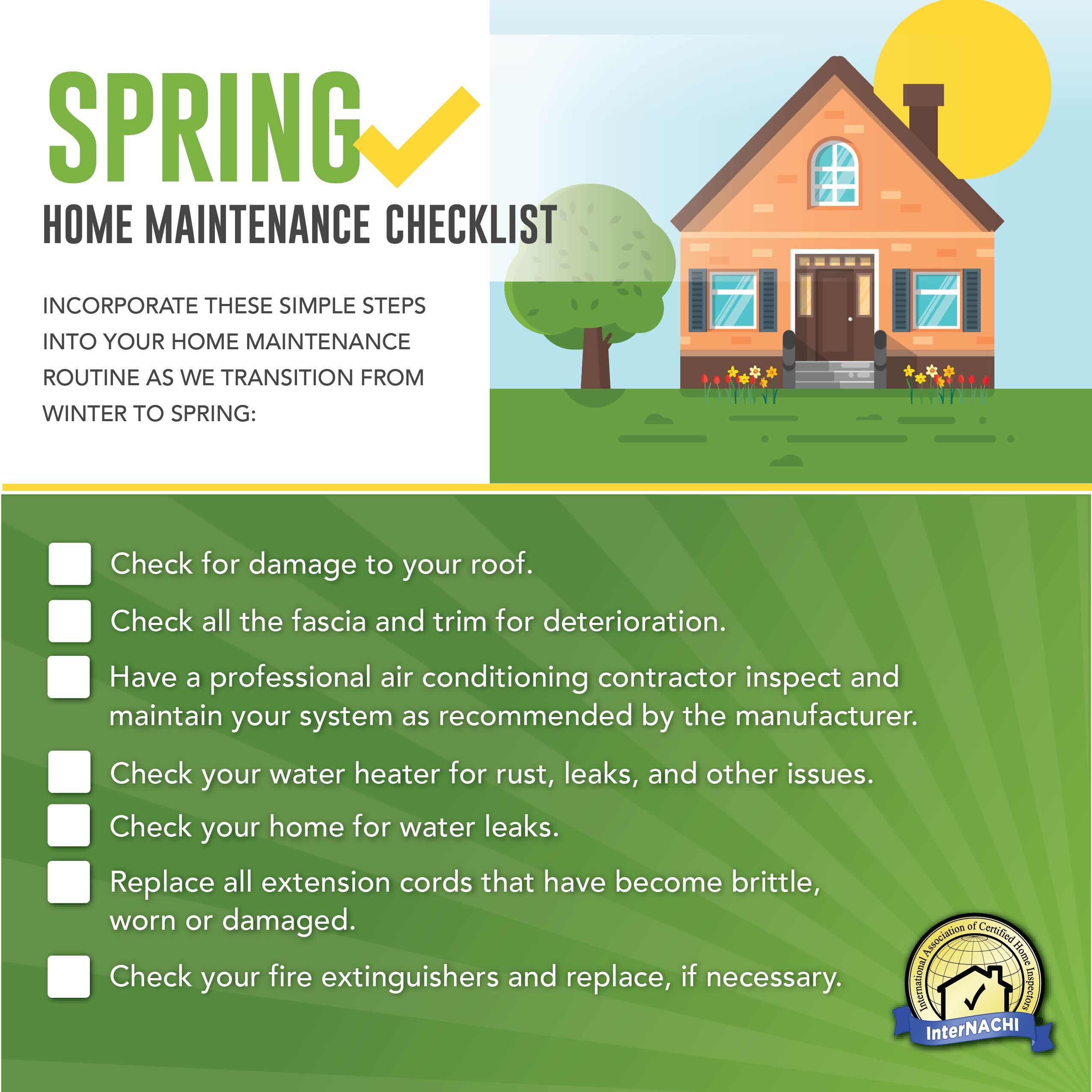
When the cold winds of winter finally fade away, a well-structured home improvement checklist for spring maintenance becomes your greatest asset. Homeownership comes with a continuous cycle of seasonal upkeep, and transitioning from winter to spring requires a meticulous approach to keep your property safe, efficient, and visually appealing. Neglecting seasonal repairs often leads to costly emergency fixes later in the year, making proactive care a smart financial strategy.
As flowers bloom and temperatures rise, your house wakes up from its cold-weather slumber. From checking your roof for winter storm damage to servicing your air conditioning units before the summer heat arrives, every corner of your property deserves attention. This guide provides a comprehensive roadmap designed to help you tackle essential chores systematically, ensuring your living space remains comfortable, structurally sound, and beautiful throughout the year.
How Do I Inspect My Roof and Gutters After Winter?
Winter weather puts immense stress on your roof, gutters, and downspouts. Heavy snow, ice dams, and freezing temperatures can dislodge shingles, crack flashing, and warp metal drainage systems. Conducting a thorough overhead inspection is the critical first step in your spring maintenance routine.
- Safely use a sturdy ladder or utilize binoculars from the ground to check for missing, cracked, or curling shingles.
- Examine chimney flashing and roof vents for gaps or rust that could allow rainwater to infiltrate your attic.
- Clear out accumulated leaves, twigs, and shingle granules from your gutters to prevent clogs and overflow.
- Ensure downspouts direct water at least three to four feet away from your foundation to avoid basement flooding.
- Test your gutter system with a garden hose to verify proper water flow and identify any leaking seams or loose hangers.
- Inspect fascia boards and soffits for signs of rot, mold, or pest nests that may have formed over the winter months.
What Are the Best Steps for Testing and Servicing the Air Conditioning System?
As outdoor temperatures start climbing, the last thing you want is a sudden AC breakdown during the first heatwave of the season. Preventive servicing ensures your cooling equipment operates efficiently, keeping energy bills manageable while extending the lifespan of the machinery.
- Turn off the power supply to your outdoor condensing unit before performing any physical checks or cleaning tasks.
- Gently remove leaves, grass clippings, and debris that accumulated around the outside unit during autumn and winter.
- Wash away dirt and grime from the cooling fins using a garden hose on a moderate spray setting, avoiding high pressure that can bend metal.
- Replace your indoor HVAC air filters to ensure optimal airflow and improve indoor air quality for your family.
- Check the condensate drain line for blockages and pour a mixture of warm water and vinegar down the line to clear algae buildup.
- Schedule a professional tune-up with a certified technician if your system makes strange noises or fails to blow cold air.
- Sweep away accumulated dirt, leaves, and organic debris from wooden planks and stone pavers.
- Scrub wooden decks with a specialized wood cleaner and a stiff-bristled brush to eliminate mildew and grayed surface fibers.
- Rinse surfaces thoroughly with a pressure washer, keeping the nozzle moving constantly to avoid gouging the wood.
- Inspect the entire deck structure for loose railings, protruding nails, and rotting boards that need immediate replacement.
- Apply a fresh coat of weather-resistant stain or waterproof sealant to protect timber from UV rays and summer rain.
- Power-wash concrete patios and interlocking pavers, then replenish polymeric sand between joints to block weed growth.
- Wash all glass panes inside and out using a vinegar-water solution or commercial glass cleaner for streak-free visibility.
- Inspect window and door weatherstripping for cracks, brittleness, or compression wear, and replace worn seals promptly.
- Examine insect screens for tears or holes, repairing minor rips with a patch kit or replacing the mesh entirely.
- Lubricate door hinges, sliding track mechanisms, and window locks with a silicone-based spray for smooth operation.
- Check the exterior caulking around window and door frames, scraping away old caulk and applying fresh exterior-grade sealant.
- Test all exterior door locks and strike plates to ensure they latch securely without sagging or sticking.
- Rake away dead grass thatch and matted leaves that can suffocate new grass shoots and harbor fungal diseases.
- Test your soil pH level to determine whether amendments like lime or sulfur are needed before planting.
- Aerate compacted soil using a core aerator to allow oxygen, water, and nutrients to reach grass roots effectively.
- Overseed bare or patchy lawn areas with a high-quality grass seed blend suited to your local climate.
- Turn over garden soil in flower beds and mix in a generous layer of nutrient-rich compost or organic mulch.
- Inspect your in-ground lawn sprinkler system for broken heads, leaky valves, and cracked pipes before regular use.
- Skipping safety checks on ladders before climbing up to clean gutters or inspect second-story windows.
- Using a pressure washer on too high a setting, which can permanently ruin wood siding and softer deck timbers.
- Forgetting to test smoke and carbon monoxide detector batteries while performing seasonal deep cleaning.
- Ignoring small plumbing leaks on outdoor hose spigots until they turn into major water waste issues.
- Applying lawn weed-and-feed products too early before soil temperatures reach the threshold for weed germination.
- Neglecting to clean refrigerator condenser coils and dryer vents, which creates unnecessary fire and efficiency hazards.
- Press the test button on every smoke detector and carbon monoxide alarm on all levels of your home.
- Replace standard alkaline batteries in all smoke and CO detectors, even if they appear to still hold a charge.
- Vacuum dust and cobwebs away from sensor openings using a soft brush attachment on your vacuum cleaner.
- Check the manufacturing date printed on the back of each smoke detector, replacing units older than ten years.
- Inspect your kitchen fire extinguisher to verify that the pressure gauge needle sits squarely in the green zone.
- Review a household fire evacuation plan with all family members, designating a safe outdoor meeting spot.
- Examine under-sink plumbing cabinets in kitchens and bathrooms for dampness, discoloration, or dripping pipe joints.
- Test all interior faucet aerators by unscrewing them and soaking the mesh screens in vinegar to dissolve mineral scale.
- Locate your main water shut-off valve and turn it completely off and on to ensure it does not seize up.
- Inspect washing machine supply hoses for bulging, fraying, or cracking, replacing rubber hoses with braided steel lines.
- Check toilets for silent leaks by dropping a few drops of food coloring into the tank and waiting ten minutes.
- Flush your water heater tank to remove sediment buildup that reduces heating efficiency and shortens appliance life.
- Inspect attic insulation for signs of dampness, mold growth, or nesting materials left behind by rodents and squirrels.
- Verify that attic vents and soffit openings are completely unblocked to allow proper airflow and reduce summer cooling loads.
- Lubricate automatic garage door tracks, rollers, springs, and hinges with a specialized lubricant for quiet movement.
- Test the garage door auto-reverse safety sensor by placing a roll of paper towels in its path during closing.
- Sort through garage storage boxes, properly disposing of expired chemical cleaners, old paints, and hazardous waste.
- Sweep garage floors thoroughly and check concrete slabs for oil stains or moisture seepage cracks.
- Wash vinyl, aluminum, or fiber-cement siding using a soft-bristled brush, mild detergent, and a garden hose.
- Check exterior light fixtures for burned-out bulbs, cracked glass covers, and insect nests inside the housing.
- Install motion-sensor LED floodlights around entryways and dark pathways to enhance nighttime home security.
- Polish or replace front door hardware, including locksets, kick plates, and house numbers for a clean look.
- Refresh your front porch floor with a fresh coat of paint or heavy-duty porch enamel designed for foot traffic.
- Plant blooming container flowers near the front entryway to celebrate the arrival of the spring season.
Why Is Checking Foundation Drainage and Grading Essential This Spring?
Melting snow and heavy spring rainstorms can spell disaster if your yard's grading slopes toward your home instead of away from it. Proper exterior drainage protects your foundation from hydrostatic pressure, cracks, and expensive structural failures.
Walk the perimeter of your house immediately after a heavy rain shower to identify standing water pools near the foundation walls. If you notice persistent puddling, consider adding topsoil to re-grade the slope so water flows outward. You should also examine window wells to ensure they are free of debris and equipped with functioning covers. According to the Federal Emergency Management Agency, maintaining proper outdoor drainage is a fundamental component of structural hazard prevention. Additionally, check exterior basement walls for hairline cracks that might require epoxy injection before moisture penetration leads to mold growth.
How Can I Refresh My Deck, Patio, and Outdoor Living Spaces?
Outdoor living areas take a beating from snow, ice, and freezing moisture throughout the winter. Spring offers the ideal weather window to clean, repair, and seal your deck or patio so you can enjoy relaxing afternoons outside.
What Maintenance Tasks Keep Windows, Screens, and Doors Energy-Efficient?
Winter drafts compromise indoor comfort, but spring is the perfect season to seal up gaps and let fresh air circulate. Updating your windows, screens, and doors enhances energy efficiency and keeps pesky insects outside where they belong.
A Comparison of DIY Spring Maintenance vs. Hiring Professionals
While many spring chores are DIY-friendly, certain high-risk or technical tasks require licensed professionals. Knowing when to roll up your sleeves and when to hire an expert saves time, money, and potential injury.
| Task Category | Best Approach | Estimated Cost | Risk Level |
|---|---|---|---|
| Gutter Cleaning | DIY or Handyman | $0 - $150 | Medium (Ladder Safety) |
| Roof Inspection | Professional Roofer | $150 - $300 | High (Height Risk) |
| HVAC Servicing | Licensed HVAC Tech | $100 - $250 | Medium (Electrical/Gas) |
| Deck Staining | DIY | $50 - $200 | Low |
| Lawn Aeration | DIY or Landscaper | $40 - $200 | Low |
How Do I Prepare My Lawn, Garden Beds, and Irrigation Systems?
A lush, green lawn and vibrant garden beds elevate your home's curb appeal instantly. Spring is the decisive season for establishing healthy turf growth and preparing soil for planting flowers and vegetables.
Common Mistakes Made During Spring Home Maintenance
Homeowners often rush through seasonal chores in their excitement for warmer weather, leading to oversights that compromise home integrity. Avoiding these frequent missteps ensures your maintenance efforts pay off.
Why Should I Test Smoke Detectors and Fire Safety Equipment?
Spring cleaning provides a natural reminder to test and refresh life-safety devices throughout your home. Fire safety equipment requires routine verification to ensure it functions flawlessly during an emergency.
How Do I Deep Clean and Inspect the Plumbing System Indoors?
Winter freezing cycles can place stress on indoor and outdoor plumbing pipes. Spring maintenance involves tracking down subtle leaks, testing shut-off valves, and optimizing water flow throughout the house.
For more detailed plumbing guidelines and water conservation tips, consult the resources provided by the United States Environmental Protection Agency.
What Garage and Attic Maintenance Steps Should Not Be Overlooked?
Attics and garages often become forgotten storage catchalls, hiding moisture issues, pest infestations, and ventilation problems. Spring is the ideal time to clear these spaces out and ensure they operate correctly.
How Do I Revitalize Exterior Lighting, House Siding, and Entryways?
Your home's exterior makes the first impression on visitors and potential buyers. Restoring siding, refreshing entry hardware, and updating outdoor lighting creates an inviting and secure environment.
"Proactive seasonal home maintenance is not merely about preserving aesthetics; it is a fundamental investment in structural longevity and long-term financial security."
Completing this comprehensive spring maintenance checklist safeguards your property against unexpected repair bills and elevates your everyday living experience. By taking a methodical approach to inspecting your roof, servicing HVAC units, clearing drainage systems, and refreshing outdoor living zones, you ensure that your home remains a safe, comfortable sanctuary throughout the changing seasons. Dedicate a few weekends this spring to these essential chores, and enjoy peace of mind all year long.