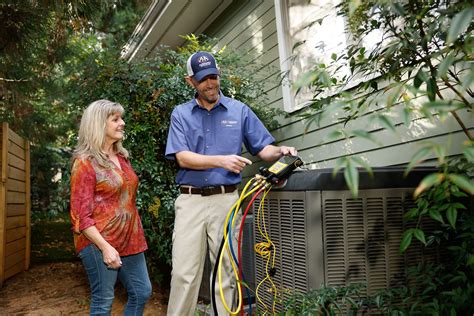
Understanding Your HVAC Repair Needs Before Calling
Facing a broken air conditioner or a malfunctioning heater is a stressful experience for any homeowner. Before you rush to call the first name you see in a search engine result, it is critical to evaluate what you actually need. Is it a simple filter replacement, an refrigerant leak, or a complete system failure? Understanding the scope of your HVAC issue helps you communicate effectively with technicians and prevents you from being overcharged for unnecessary services.
You should also check if your system is still under the original manufacturer's warranty. Many homeowners mistakenly pay for repairs that would have been covered by a service contract or a limited product warranty. Checking your documentation first is a proactive step that could save you hundreds of dollars in labor and parts.
The Core Criteria for Evaluating Local HVAC Contractors
Choosing a reliable contractor requires a systematic approach. You are not just paying for a repair; you are paying for the safety, longevity, and efficiency of your home's climate control system. Below is a matrix comparing the primary factors you should consider when vetting potential service providers.
| Criteria | High Quality | Average | Low Quality |
|---|---|---|---|
| Licensing | State Licensed/Insured | City Permit Only | None |
| Experience | 10+ Years in Area | 3-5 Years | Under 1 Year |
| Certification | NATE Certified | Manufacturer Trained | None |
| Response Time | Under 24 Hours | 2-3 Days | Unpredictable |
| Pricing Transparency | Fixed/Itemized | Vague Estimate | Cash Only/No Invoice |
Verifying Professional Licenses and Insurance
Never bypass the verification of a company's legal status. A licensed HVAC professional has demonstrated the required knowledge to handle refrigerants, electrical components, and gas lines safely. Working with an unlicensed individual is not only a safety risk but can also void your homeowner’s insurance policy or manufacturer warranties.
- Ensure the contractor holds a valid state-level contractor license specifically for HVAC work.
- Ask for proof of liability and worker's compensation insurance to protect your property and finances.
- Check the licensing status through your state’s department of labor or consumer affairs website.
- Confirm that the technicians are bonded, which provides an extra layer of protection against theft or damage.
- Avoid any technician who refuses to show their credentials upon request.
The Importance of NATE Certification and Training
North American Technician Excellence (NATE) is the gold standard in the HVAC industry. When a company employs NATE-certified technicians, it signals that their staff has passed rigorous examinations covering complex heating and cooling systems. This certification ensures that the person entering your home has the technical proficiency to diagnose issues correctly the first time.
Furthermore, look for contractors who participate in ongoing training programs offered by major manufacturers like Carrier, Trane, or Lennox. Newer systems are increasingly complex, involving advanced digital thermostats and inverter-driven compressors. A technician who does not stay updated with the latest technology may struggle to repair modern, energy-efficient units.
Analyzing Customer Reviews and Reputation Management
Digital footprints offer a wealth of information about how a company handles customer service. However, it is important to read between the lines when looking at online reviews on platforms like Google or Yelp. Do not just look at the star rating; focus on how the company responds to negative feedback.
A reputable HVAC company treats every customer with transparency. If they show a history of resolving disputes professionally, it suggests they stand behind their work and care about their reputation.
Consider the following when reading reviews:
- Look for mentions of "punctuality" and whether the technicians arrived during the scheduled window.
- Check if past clients felt the technician explained the problem clearly rather than using confusing jargon.
- Notice if customers mention repeat visits for the same problem; this indicates poor diagnostic skills.
- Seek out reviews that highlight cleanliness, such as technicians using shoe covers and cleaning up their workspace.
- Verify if the company has a physical office location in your city, which suggests stability and accountability.
Warning Signs of Dishonest HVAC Repair Practices
There are unfortunately many "fly-by-night" operations that prey on panicked homeowners during peak heat or cold waves. You must be able to spot these predatory behaviors before you sign a service agreement. If something feels off, trust your instincts and seek a second opinion.
- Be wary of contractors who suggest an entire system replacement without performing a detailed diagnostic test.
- Avoid companies that provide estimates over the phone without seeing the physical condition of your unit.
- Watch out for high-pressure sales tactics that demand immediate payment to "secure a discount."
- Question any technician who pushes for expensive "add-ons" or "special chemical treatments" that don't solve the core issue.
- Steer clear of businesses that do not offer a clear, written guarantee on their labor or parts.
Comparing Hourly Rates vs. Flat-Rate Pricing
Pricing models can differ significantly between local mom-and-pop shops and large regional HVAC franchises. Some charge by the hour, while others use a flat-rate book that prices jobs based on standard industry times. Neither is inherently better, but you must ask how they calculate their fees.
If a company charges by the hour, ask for an estimate of the total time required. If they use flat-rate pricing, confirm that the quoted price includes diagnostic fees, parts, labor, and taxes to avoid "surprise" invoices at the end of the job. For more context on maintaining your home's exterior systems, consider checking Signs Your Roof Needs Immediate Repair: Spotting Damage Before Disaster Strikes, as home maintenance often requires managing multiple systems simultaneously.
How to Conduct an Effective Service Consultation
Once you have narrowed down your list, it is time to call a few companies. The way a receptionist handles your inquiry is often a reflection of the company's overall organization. Pay attention to how they record your information and if they ask relevant questions about the age and brand of your system.
- Ask if the company provides a free service call or if the diagnostic fee is applied toward the final repair cost.
- Inquire about their emergency after-hours availability and if they charge a premium for weekend or holiday work.
- Ask for a written estimate before any work begins, detailing exactly what parts will be replaced.
- Request to see the old parts that were replaced to verify the necessity of the repair.
- Confirm their payment methods and if they offer financing options for larger, unexpected repairs.
Navigating Emergency Repair Scenarios
Emergency repairs are usually the most expensive because you lack the time to compare multiple quotes. To mitigate this risk, identify a reputable company before you actually need one. Keeping the contact information of a trusted professional in your "emergency contacts" list can save you from making a rushed, poor decision in the middle of a blizzard or a summer heatwave.
When an emergency does occur, focus on restoration of basic function. You do not need the most expensive high-efficiency unit installed overnight; you just need to ensure the home is livable. A good contractor will stabilize your system first and then discuss long-term solutions once the immediate crisis has passed.
Assessing the Quality of Parts and Components Used
Not all spare parts are created equal. Some technicians use generic, off-brand components to cut costs, which can lead to reduced system efficiency or recurring failures. Always ask what brand of replacement parts the company uses. Ideally, they should be using Original Equipment Manufacturer (OEM) parts, especially for critical components like capacitors, contactors, or fan motors.
Using high-quality parts ensures compatibility with your current system and often comes with a better manufacturer warranty. If a technician suggests using a "universal" part, ask them why and ensure they can justify the decision based on your specific model requirements.
Importance of Post-Repair Documentation
Never consider a job complete until you have the proper paperwork in hand. You should receive a detailed receipt that includes the date, the specific issue addressed, the parts used, and the labor warranty provided. This document is essential for future reference if the same problem resurfaces.
Many homeowners neglect to keep these records, which makes it impossible to hold the company accountable if the repair fails within a few weeks. Organize these receipts in a home maintenance file; they are also valuable documents if you decide to sell your home, as they prove the system has been properly maintained over the years.
Implementing a Preventative Maintenance Schedule
The best way to avoid the stress of choosing an HVAC repair service is to minimize the need for repairs in the first place. Establish a bi-annual maintenance schedule—once in the spring for your cooling system and once in the fall for your heating system. A professional tune-up includes cleaning coils, checking refrigerant levels, and testing electrical connections.
Maintenance not only prevents breakdowns but also improves energy efficiency, which lowers your monthly utility bills. You can find detailed guidance from Energy Star on how proper maintenance extends the life of your equipment. Most contractors offer annual service contracts that provide discounted repairs and priority scheduling, which is a great way to build a long-term, trusting relationship with a professional service provider.
When to Consider a Full System Replacement
Sometimes, the cost of a repair is simply not worth the investment. A good contractor will perform a cost-benefit analysis for you. If your system is over 12-15 years old and the repair costs exceed 30% of the value of a new unit, it is often more economical to invest in a replacement.
Modern high-efficiency systems are significantly cheaper to run and provide better humidity control than older models. While the upfront investment is higher, the long-term savings in electricity and the peace of mind of a new warranty often justify the decision. Always get a second opinion before committing to a full replacement to ensure the recommendation is based on the condition of your hardware rather than a salesperson's quota.
Final Steps in Establishing a Trusted Relationship
Choosing an HVAC repair service is a process of building a partnership. Once you find a company that is honest, transparent with pricing, and technically proficient, stick with them. Consistent service allows the technician to become familiar with the quirks of your home's specific system, leading to faster and more accurate diagnostics over time.
Remember that communication is key. If you are ever unsure about a recommendation, do not hesitate to ask for clarification. A professional company will be more than happy to explain the 'why' behind their 'what'. By following these steps and staying informed, you can keep your home comfortable throughout every season while avoiding common pitfalls in the HVAC industry.