When unexpected events strike, from natural disasters to power outages, the peace of mind that comes from knowing your home and family are prepared is invaluable. An effective emergency preparedness guide for homeowners isn't just about stockpiling supplies; it's about understanding risks, planning responses, and building resilience. Let's explore how you can transform potential chaos into managed situations, ensuring safety and a swifter recovery.
A striking statistic from the American Red Cross indicates that nearly 60% of American households don't have an emergency plan in place, leaving millions vulnerable to the devastating impacts of disasters.
Beyond the Headlines: What These Numbers Really Mean for Homeowners
This statistic isn't just a number; it represents countless homes at risk of significant financial loss, prolonged displacement, and heightened emotional stress when disaster strikes. For homeowners, unpreparedness can lead to critical delays in receiving aid, difficulty communicating with loved ones, and a much longer, more arduous path to recovery. It implies a lack of essential supplies, unestablished communication protocols, and insufficient knowledge about how to react during and after a crisis.
- Increased Risk of Injury or Loss of Life: Without a clear evacuation plan or knowledge of safe zones, families are at greater risk.
- Financial Devastation: Uninsured or under-insured losses, coupled with unexpected emergency expenses, can be crippling.
- Prolonged Recovery Time: Lack of preparedness often translates to slower access to resources and a longer period to return to normalcy.
- Emotional and Psychological Impact: The stress and trauma are significantly amplified when a family feels helpless and unprepared.
- Community Burden: Local emergency services become overwhelmed when individual households cannot self-sustain for even a short period.
A Snapshot of Homeowner Vulnerabilities: Common Emergency Scenarios
Understanding the types of emergencies most likely to affect your area is the first step in effective preparation. While some threats are universal, others are highly localized.
| Emergency Type | Common Causes/Triggers | Potential Homeowner Impact | Key Preparedness Action |
|---|---|---|---|
| Natural Disaster (e.g., Hurricane, Flood, Earthquake) | Weather patterns, seismic activity, geographical location | Structural damage, power outages, property loss, displacement | Evacuation plan, specialized insurance, home fortification |
| Power Outage | Severe weather, infrastructure failure, grid overload | Loss of heat/AC, spoiled food, communication disruption | Backup power (generator/battery), non-perishable food, flashlights |
| Home Fire | Electrical faults, cooking accidents, heating system malfunctions | Extensive property damage, injury, smoke inhalation | Smoke detectors, fire extinguishers, escape routes |
| Medical Emergency | Accidents, sudden illness, chronic conditions | Immediate need for medical attention, transportation issues | First-aid kit, emergency contacts, knowledge of CPR |
| Water Leak/Burst Pipe | Aging plumbing, freezing temperatures, structural issues | Water damage, mold, structural compromise, high repair costs | Know main shut-off valve, regular plumbing checks, reliable plumber contacts |
The Ripple Effect: How Unpreparedness Cascades into Crisis
It's easy to dismiss emergency planning as something for 'other people,' but the reality is that a single oversight can trigger a chain reaction of negative consequences during a crisis. Here’s how a lack of preparedness can quickly spiral:
- Initial Event Occurs: A severe storm knocks out power in your neighborhood unexpectedly.
- No Immediate Power Backup: Without a generator or charged power bank, your phones die quickly, and food in the fridge begins to spoil.
- Communication Breakdown: Unable to charge devices, you can't contact family members or emergency services if needed, increasing anxiety and isolation.
- Lack of Essential Supplies: No potable water or non-perishable food means you quickly run low, forcing a dangerous trip out or reliance on potentially scarce public resources.
- Unfamiliarity with Local Resources: Not knowing where the nearest shelter is or how to get updates leaves you feeling lost and without direction.
- Damaged Home, No Plan for Repair: If the storm also caused damage (e.g., a tree limb through the roof), without emergency funds or insurance details readily available, repairs are delayed, leading to further damage.
- Prolonged Displacement and Financial Strain: The inability to address immediate needs or repairs means a longer time away from home and mounting costs that could have been mitigated with foresight.
Regional Risks vs. Personal Preparedness: Tailoring Your Plan
Generic emergency plans are a start, but true readiness comes from customizing your strategy to your specific location and household. What works for a family in Florida might be very different from what's needed in California or Minnesota.
- Geographic Location Matters: Research the historical and potential natural disasters in your immediate area. Are you in a flood plain, near a fault line, or prone to wildfires or blizzards? Websites like FEMA's interactive maps (fema.gov/flood-maps) can provide valuable insights.
- Home Structure and Age: Older homes may be more vulnerable to certain types of damage, like wind or seismic activity, requiring specific retrofits. Consider if your home is built to withstand local threats.
- Family Needs: Do you have infants, elderly members, or individuals with special medical needs? Their requirements for medication, mobility aids, or specific foods must be central to your plan.
- Pet Preparedness: Don't forget your furry friends! Include pet food, water, medications, and carriers in your emergency kit, and identify pet-friendly shelters.
- Utility Infrastructure: Understand where your main shut-off valves for water, gas, and electricity are located and how to operate them safely.
- Community Resources: Familiarize yourself with local emergency shelters, community gathering points, and siren alert systems.
Your Action Plan: Essential Steps to Home Emergency Readiness
A comprehensive emergency plan involves several key components, each crucial for holistic preparedness. Starting with these steps will set a strong foundation for your family's safety.
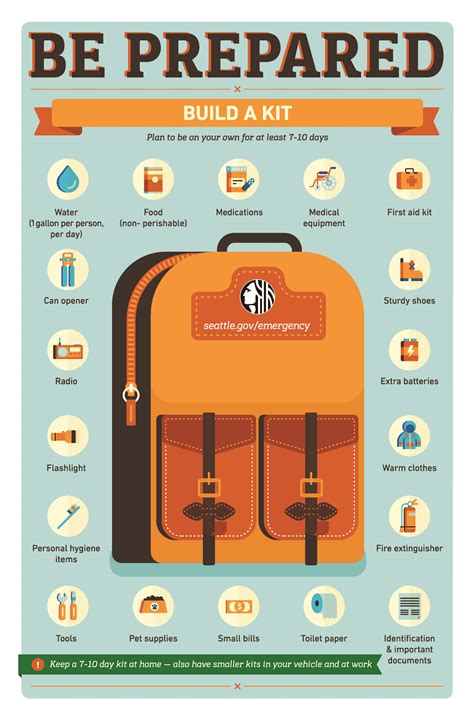
Assemble Your Ultimate Emergency Kit
This isn't just a box; it's your lifeline. Aim for at least three days' worth of supplies for each person and pet. Store it in an easily accessible, portable container.
- Water: One gallon per person per day, for drinking and sanitation.
- Food: Non-perishable, easy-to-prepare items like canned goods, energy bars, and dried fruits.
- First-Aid Kit: Bandages, antiseptic wipes, pain relievers, prescription medications, and any specialized medical supplies.
- Lighting: Flashlights with extra batteries, headlamps, or battery-powered lanterns (avoid candles).
- Communication: A hand-crank or battery-powered radio (NOAA weather radio), a whistle to signal for help, and fully charged power banks for cell phones.
- Tools & Utilities: A wrench or pliers to turn off utilities, a multi-tool, duct tape, and a manual can opener.
- Sanitation & Hygiene: Wet wipes, hand sanitizer, garbage bags, and feminine hygiene products.
- Documents: Copies of important family documents (birth certificates, insurance policies, IDs) in a waterproof bag.
Develop a Family Communication Strategy
In a crisis, cell networks can be overloaded or out of service. Having an alternative communication plan is critical.
- Out-of-State Contact: Designate a relative or friend who lives out of your area as a family contact. It's often easier to call long-distance than locally during emergencies.
- Emergency Meeting Points: Establish a primary meeting point outside your home (e.g., neighbor's yard) for sudden emergencies like a fire, and a secondary meeting point outside your neighborhood for broader evacuations (e.g., a community center).
- Texting Over Calling: During emergencies, text messages often go through when calls cannot. Practice using text messages to check in.
Create and Practice an Evacuation Plan
Knowing when and how to evacuate is paramount. Your plan should be clear, concise, and rehearsed regularly.
- Identify at least two escape routes from every room in your home.
- Choose a safe meeting place outside your home, away from the street.
- Designate a primary and secondary evacuation route from your neighborhood.
- Practice your plan at least twice a year, ensuring everyone knows their role.
- Familiarize yourself with local shelter locations and resources.
Fortifying Your Home: Structural & Utility Safeguards
Beyond supplies and plans, physically preparing your home can significantly reduce damage and increase safety. This includes both structural enhancements and understanding your home's utility systems.
Bolstering Your Home's Resilience Against Specific Threats
Depending on your region, different fortifications may be necessary:
- Windows and Doors: Install hurricane shutters or plywood cut-outs for storm-prone areas. Reinforce garage doors, which are often weak points.
- Roof and Gutters: Regularly inspect your roof for loose shingles and ensure gutters are clear to prevent water damage during heavy rains. Consider upgrading to impact-resistant roofing materials.
- Anchoring Appliances: In earthquake-prone zones, secure large appliances, water heaters, and tall furniture to wall studs to prevent tipping.
- Landscaping: Trim trees and remove dead branches that could fall on your home or power lines during high winds.
- Foundation: Address any foundation cracks or issues that could compromise structural integrity, especially in flood-prone areas.
Understanding and Managing Home Utilities
Knowing how to safely shut off your utilities can prevent further damage or injury during an emergency. This is crucial for all homeowners.
- Electricity: Locate your main electrical panel and know how to flip the main breaker. This is vital in floods or fires.
- Natural Gas: Find your main gas shut-off valve (usually outside where the gas line enters your home). You'll need a wrench to turn it off. Only turn off gas if you smell gas, hear a leak, or are instructed to by authorities. Once turned off, a professional must turn it back on.
- Water: Locate your main water shut-off valve, typically near the water meter or where the main line enters your house. Turning this off can prevent extensive water damage from burst pipes, especially in freezing weather.
Consider consulting with professionals for home inspections and upgrades. For instance, enhancing your home's energy efficiency can not only reduce bills but also make it more resilient. Read more about energy-efficient upgrades for homeowners.
Mastering Your Emergency Documents & Financial Safeguards
Physical safety is paramount, but securing your financial future and important records is a close second. Disasters often come with significant financial ramifications.
Organizing Critical Documents
Store physical copies of these documents in a waterproof, fireproof container that is easily accessible or can be quickly grabbed during an evacuation. Keep digital copies encrypted on a cloud service or external hard drive.
- Identification: Passports, driver's licenses, birth certificates, Social Security cards.
- Insurance Policies: Homeowners, auto, health, and life insurance policies with contact information for agents and claim departments.
- Medical Records: Prescription lists, immunization records, medical history, and contact information for doctors.
- Financial Records: Bank account numbers, credit card information, mortgage documents, and recent tax returns.
- Contact Lists: Emergency contacts, family members, doctors, veterinarians, and insurance agents.
Establishing Financial Preparedness
Having financial safeguards in place can dramatically ease the burden of recovery.
- Emergency Fund: Aim for at least 3-6 months' worth of living expenses in a readily accessible savings account. This fund acts as a buffer for unexpected costs, deductibles, or temporary loss of income.
- Adequate Insurance Coverage: Review your homeowners insurance annually. Ensure your policy covers the specific risks of your region (e.g., flood insurance in flood zones, earthquake insurance). Understand your deductibles and coverage limits.
- Cash on Hand: Keep a small amount of cash in small denominations. ATMs and credit card machines may not work during power outages.
- Debt Awareness: Minimize high-interest debt where possible, as it can become a significant burden if income is disrupted.
Practice Makes Perfect: Drills and Regular Review
An emergency plan is only as good as its implementation. Regular practice ensures that when a real crisis hits, your family reacts instinctively and effectively, reducing panic and improving outcomes.
- Conduct Regular Drills: Practice fire drills, earthquake