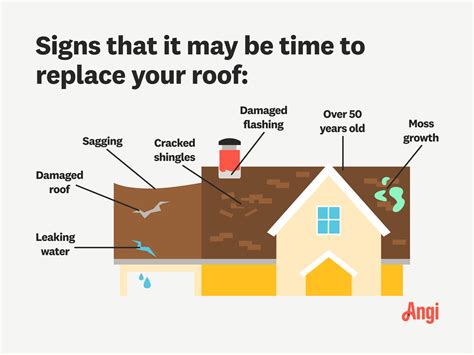
Understanding Roof Damage and Why Prompt Action Matters
Your roof is your home's first line of defense against harsh weather elements, falling debris, and intense sunlight. When minor issues begin to develop, ignoring them can quickly transform a simple fix into an expensive catastrophe. Knowing the exact warning signs your roof needs immediate repair ensures that you can tackle problems head-on before water infiltrates your living spaces and compromises your home's structural integrity.
Homeowners often overlook subtle changes in their roof's appearance or performance until a major leak occurs during a heavy storm. However, early detection saves thousands of dollars in emergency restoration costs and extends the overall lifespan of your roofing materials. According to the International Association of Certified Home Inspectors, routine visual inspections from the ground can help you catch problems early. In this comprehensive guide, we examine the most reliable indicators that signal your roof requires urgent professional attention.
What Are the Hidden Dangers of Missing Shingles?
Missing shingles leave vulnerable underlayment exposed directly to rain, wind, and UV radiation, dramatically accelerating wear and tear. When high winds tear away shingles, water finds an immediate pathway through the roof deck and into your attic insulation.
- Perform a thorough ground-level visual scan using binoculars to check for bare spots or dark patches on your roof line.
- Inspect your gutters and surrounding flower beds for broken shingle granules or heavy debris accumulation after a storm.
- Check your attic immediately after heavy rainfall to see if daylight or moisture is penetrating the exposed roof deck areas.
- Call a licensed local roofing contractor to safely replace missing pieces before moisture causes wood rot or mold growth.
- Document the damage with clear photographs to assist with potential homeowner insurance claims for storm-related losses.
- Do not attempt to climb onto a wet or steep roof without proper safety harnesses and secure ladder stabilizers.
- Never nail temporary patches directly through undamaged surrounding shingles without using proper flashing techniques.
- Avoid ignoring small missing patches, as wind-driven rain can quickly spread damage across a wider surface area.
Why Is Granule Loss in Gutters a Critical Warning Sign?
As asphalt shingles age and weather over time, they begin to shed the heavy mineral granules that protect them from solar heat and physical impact. Finding a thick accumulation of gritty, sand-like material in your gutter system is a clear signal that your roof is nearing the end of its functional life cycle.
- Granules act as a vital ultraviolet shield for the underlying asphalt base mat of your shingles.
- Excessive shedding exposes the sticky asphalt layers to rapid thermal cracking during extreme temperature swings.
- Age-related granule depletion typically affects the entire roof surface rather than just isolated localized spots.
- Cleaning your gutters twice a year gives you a direct opportunity to monitor the shedding rate of your roofing materials.
- Advanced granule loss often correlates with brittleness, making shingles susceptible to cracking under foot traffic.
- Unchecked granule loss reduces the fire resistance rating of standard asphalt shingle roof installations.
- Consulting an expert helps determine whether you need a partial repair or a complete roof replacement project.
How Does Sagging Roof Decking Threaten Your Entire Home?
A sagging roof line represents one of the most severe structural emergencies a property owner can ever face. When structural rafters, trusses, or plywood decking become permanently waterlogged, they lose their load-bearing capacity and begin to dip downward under the immense weight of the roofing system.
Evaluating Structural Stability From the Exterior
Step back from your property and examine the roofline against the horizon to spot dips, waves, or uneven slopes.
Sagging sections often indicate chronic, long-term moisture infiltration that has rotted the wooden framing members in your attic space. Ignoring this symptom can lead to catastrophic structural collapse during heavy winter snowfalls or severe windstorms.
- Check interior attic spaces for bowed rafters or damp insulation.
- Hire a structural engineer or licensed roofer for immediate load assessments.
- Evacuate rooms directly beneath severely sagging roof sections if structural failure appears imminent.
What Causes Interior Water Stains on Ceilings and Walls?
Brown water rings, peeling paint, and damp drywall patches on your top-floor ceilings or upper walls are classic symptoms of an active roof leak. Water rarely leaks straight down; instead, it travels along rafters and wiring before pooling at the lowest point of your ceiling.
Tracing the Source of Overhead Leaks
Locating the exact entry point of water requires methodical investigation from both the interior living areas and the dark attic space above.
- Measure the distance of the ceiling stain from exterior walls to estimate the corresponding location on the roof deck.
- Enter your attic with a high-powered flashlight during or immediately after a rainstorm to trace dripping water upward.
- Examine plumbing vent boots, chimney flashings, and valley intersections where leaks frequently originate.
- Place buckets beneath active indoor drips to protect your flooring and furniture from permanent water damage.
- Dry out damp drywall immediately using fans and dehumidifiers to prevent toxic mold colonization inside your walls.
- Contact a professional roofing technician to patch the exterior breach before the next forecasted rain event.
When Do Damaged Chimney Flashings Require Emergency Fixes?
Chimney flashing consists of thin metal strips designed to seal the vulnerable gap where your chimney masonry meets the sloping roof surface. When these metal seals rust, warp, or pull away from the bricks, water enters the home directly around the chimney structure.
- Metal flashing experiences constant thermal expansion and contraction, loosening fasteners over many years of weather exposure.
- Old mortar joints around brick chimneys can crack and allow moisture to bypass deteriorated flashing layers.
- Rust holes in metal valley flashings create direct pathways for driving rain to flood attic spaces.
- Tar or caulking patches applied by amateurs provide only temporary relief and fail within a single season.
- Professional flashing replacement involves step-flashing interwoven with shingle courses and a secure counter-flashing seal.
- Water entering through faulty chimney flashings often rots ceiling joists surrounding the fireplace chase.
- Regular inspections of rooftop metalwork prevent unexpected indoor flooding during heavy spring rainstorms.
How Do Damaged Roof Vents and Plumbing Boots Cause Leaks?
Roof penetrations such as plumbing vent pipes, exhaust fans, and skylights require specialized rubber boots and plastic collars to maintain a watertight seal. Over time, harsh UV rays crack the rubber gaskets surrounding vent pipes, creating open gaps where rainwater pours directly into your home.
Replacing a worn-out plumbing pipe boot is a straightforward maintenance task for a professional roofer, but neglecting it leads to ruined attic insulation and ruined drywall. You should inspect these rubber seals annually for signs of splitting, curling, or separation from the metal base plate.
Why Are Daylight and Drips Inside the Attic Major Red Flags?
Your attic should remain completely dark and dry during daylight hours, regardless of the weather conditions outside. Seeing beams of sunlight piercing through your roof boards means that roofing materials have worn away or separated significantly.
“An attic that lets light in will certainly let water in during the next heavy storm. Treat attic daylight and damp insulation as immediate emergencies before structural wood rot takes hold.”
Similarly, feeling dampness on attic framing timbers or hearing the sound of dripping water points to active breaches that demand urgent contractor intervention to preserve your home value.
What Are the Risks of Moss, Algae, and Mold Growth on Shingles?
While a light dusting of green algae may seem purely cosmetic, heavy moss and mold growth can destroy your roofing system from the outside in. Moss acts like a natural sponge, trapping moisture against the shingle surface and lifting the edges during freeze-thaw cycles.
- Remove light algae streaks using a gentle, roof-safe cleaning solution and low-pressure garden hose rinse.
- Scrape away thick moss clumps carefully without damaging the delicate protective granule coating on asphalt shingles.
- Install zinc or copper zinc strips near the peak of your roof to prevent future moss and algae regrowth naturally.
- Trim back overhanging tree branches that shade your roof and maintain damp, moisture-retaining conditions.
- Inspect shingles beneath heavy moss mats for signs of curling, cracking, or advanced deterioration.
- Never use high-pressure power washers on asphalt shingle roofs, as extreme PSI strips away protective granules instantly.
- Avoid harsh chemical bleach treatments that can damage surrounding landscaping, siding, and gutter systems.
- Do not ignore dark roof streaks, as they indicate moisture-loving organisms holding water against your home.
How Does Ice Dam Formation Signal Poor Insulation and Ventilation?
During freezing winter months, heat escaping from an improperly insulated attic warms the upper roof deck, melting the bottom layer of accumulated snow. As this meltwater runs down toward the cold eaves, it refreezes into a solid ridge of ice known as an ice dam.
This trapped ice prevents subsequent melting snow from draining into gutters, forcing water backward under shingles and into your interior ceilings. Addressing ice dams requires improving attic insulation levels, sealing air bypasses, and installing proper intake and exhaust ventilation systems.
Comparing Common Roof Repair Urgency Levels
| Damage Type | Urgency Level | Potential Risk | Recommended Action |
|---|---|---|---|
| Missing Shingles | High | Water infiltration, deck rot | Replace missing pieces within 48 hours |
| Sagging Roofline | Critical | Structural collapse | Evacuate area and call structural expert |
| Ceiling Water Stains | Urgent | Mold growth, drywall damage | Trace leak source and patch exterior |
| Cracked Vent Boots | Moderate | Attic insulation saturation | Install new rubber boot flashing |
| Algae and Moss | Low to Moderate | Premature shingle decay | Clean gently and install zinc strips |
Why Is an Aging Roof System a Ticking Time Bomb?
Most standard architectural asphalt shingle roofs are engineered to last between twenty and thirty years under optimal environmental conditions. As a roof passes its manufacturer-recommended service life, materials become brittle, lose flexibility, and fail to withstand normal seasonal storms.
If your roof is approaching or has exceeded this age threshold, minor repairs may only offer temporary Band-Aid solutions to deeper structural wear. Consulting a certified roofing professional for a comprehensive evaluation helps you budget for a full roof replacement before catastrophic failures occur.
What Are the Best Preventative Maintenance Practices?
Proactive roof care minimizes the likelihood of emergency repairs and protects your financial investment over the long term. Establishing a routine maintenance schedule keeps your roofing system performing at peak efficiency year-round.
- Schedule professional roof inspections twice a year—once in spring and once in late autumn before winter.
- Clear leaves, twigs, and pine needles from your gutter system and downspouts every single month.
- Trim back tree branches that hang closer than ten feet to your roof surface to prevent abrasion and debris buildup.
- Inspect your attic space periodically for signs of moisture, light penetration, or inadequate insulation coverage.
- Address minor flashing or shingle blemishes immediately before severe weather events arrive in your area.
- Never walk across your roof during freezing temperatures when shingles are brittle and prone to shattering.
- Avoid DIY repairs during active storms or high wind advisories to prevent severe personal injury.
- Do not ignore minor ceiling stains hoping they will dry out and disappear permanently on their own.
How to Choose a Reliable Roofing Contractor for Repairs
When emergency repairs become necessary, selecting a trustworthy and experienced roofing contractor is critical to ensure quality workmanship. Always verify that your chosen professional holds valid state licensing, comprehensive liability insurance, and worker's compensation coverage.
Ask for local references, read independent customer reviews online, and secure multiple written estimates before signing any repair contracts. Reputable contractors provide clear warranties on both materials and labor, giving you complete peace of mind while protecting your home for years to come.