The Foundation of Year-Round Lawn Health
Maintaining a lush, vibrant lawn is more than just a summer chore; it is an ongoing commitment that follows the rhythmic patterns of the seasons. To achieve a golf-course-quality yard, you must treat your lawn as a living ecosystem that requires different care strategies depending on the weather, soil temperature, and grass growth stage. When you understand the biological needs of your turf, you stop guessing and start nurturing.
Successful lawn maintenance relies on proactive care rather than reactive recovery. By staying ahead of weeds, moisture stress, and nutrient deficiencies, you can ensure your grass remains dense enough to choke out unwanted invaders. This guide covers every stage of the annual cycle, providing a clear roadmap to keep your lawn thriving from the first thaw of spring to the dormant chill of winter.
Spring Awakening: Kickstarting Growth
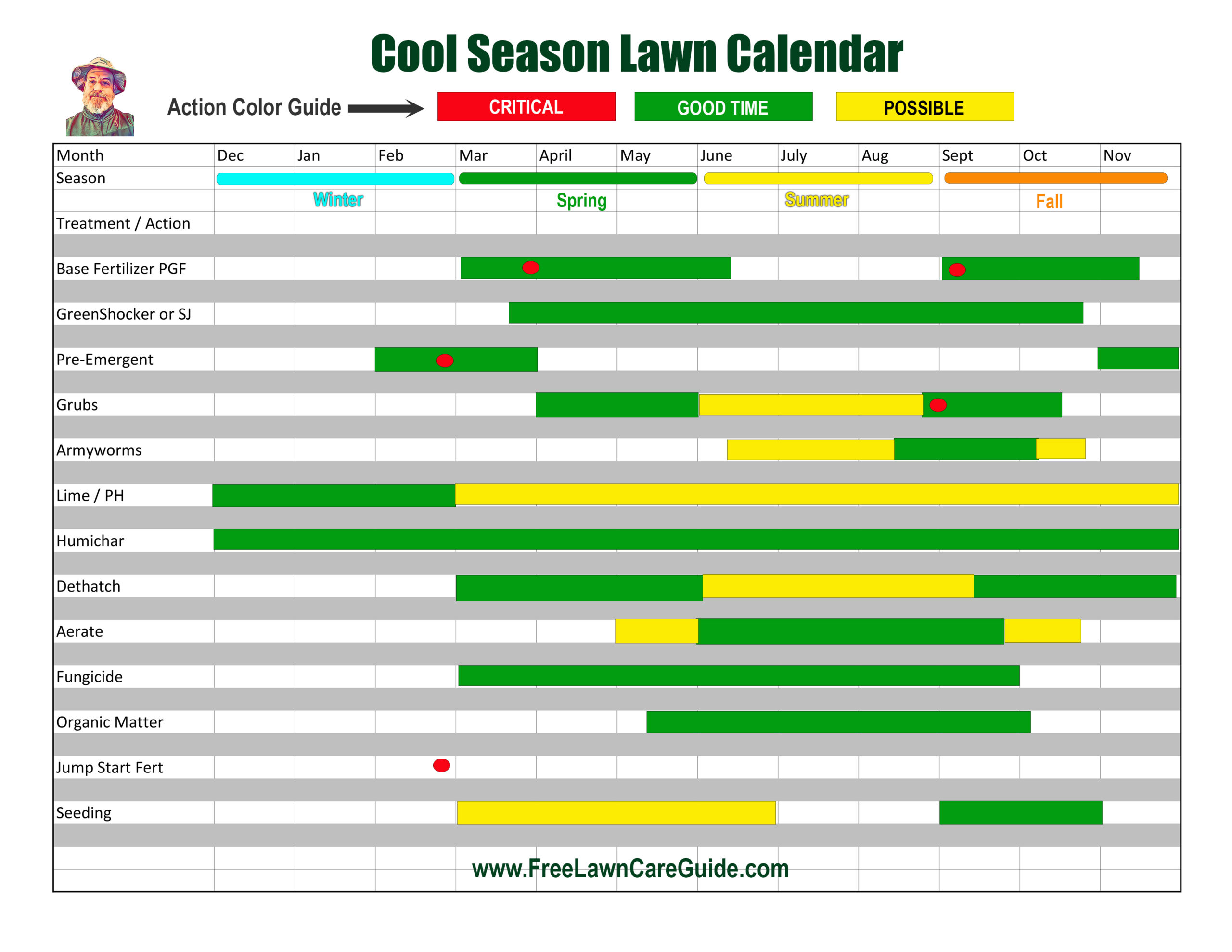
Spring is the most critical time for establishing a strong foundation for the rest of the year. As soil temperatures rise and grass begins to exit its winter dormancy, your primary focus should be on cleaning, soil preparation, and early feeding. The goal is to encourage deep root growth early so the grass can withstand the heat that follows in mid-summer.
- Clear away all debris such as fallen branches, dead leaves, and matted grass that accumulated during the winter months.
- Gently rake the yard to promote airflow and prevent fungal growth, which often thrives in damp, matted spots.
- Test your soil pH to determine if you need to add lime for acidity control or sulfur to balance alkalinity.
- Apply a pre-emergent herbicide to target crabgrass seeds before they have a chance to germinate in the warming soil.
- Consider core aeration if your soil feels heavily compacted from winter snow or foot traffic.
- Provide a light, balanced fertilizer application to give the grass the nutrients it needs to green up quickly.
Common Spring Mistakes to Avoid
- Cutting the grass too short during the first mow of the season.
- Over-fertilizing before the grass has fully transitioned out of dormancy.
- Ignoring early-season weed growth, allowing them to seed.
- Raking so aggressively that you damage tender new grass shoots.
- Applying pesticides when beneficial pollinators are starting to emerge.
Summer Stress Management and Irrigation
When the summer sun beats down, your lawn transitions from a growth phase to a survival phase. Excessive heat and drought are the primary enemies of a cool-season lawn. Your strategy should shift to water conservation, maintaining proper mowing heights, and minimizing stress on the plant during peak temperatures.
| Strategy | Method | Frequency | Primary Benefit |
|---|---|---|---|
| Deep Watering | Morning soak | 2 times/week | Encourages deep roots |
| Mowing Height | High setting | Weekly | Shades soil from sun |
| Traffic Control | Limit activity | Daily | Reduces soil compaction |
| Weed Spotting | Manual pulling | Ongoing | Prevents herbicide stress |
Autumn Recovery and Preparation
Autumn is widely considered the most important season for lawn care, especially for cool-season grasses. As the temperature drops and rainfall typically increases, your grass has a window of opportunity to repair the damage caused by summer heat and prepare for the upcoming winter. This is the optimal time for overseeding and heavy fertilization.
- Overseed thin areas to ensure a thick, lush lawn that crowds out next spring's weeds.
- Apply a high-phosphorus fertilizer to help new seeds and existing root systems establish themselves.
- Continue to mow the lawn as long as it is actively growing, gradually lowering the deck height as winter approaches.
- Ensure the lawn is free of fallen leaves, as these can block essential sunlight and trap moisture against the blades.
- Perform one final aeration if the soil still shows signs of compaction from high-traffic summer usage.
- Water deeply if the autumn is unseasonably dry to keep the soil moisture levels stable for root development.
Winter Dormancy: Protecting Your Investment
While your lawn may appear dormant in the winter, it is still susceptible to damage. In many climates, the grass stops growing, but the root system remains active. Protecting the crown of the grass from physical damage and extreme temperature fluctuations is essential. Avoid walking on frozen, frost-covered grass, as this can snap the blades and lead to brown, dying patches in the spring.
Maintaining a beautiful lawn is an investment in your home's aesthetic and value. The secret is not in a single miracle product, but in the consistent application of basic horticultural principles throughout every season of the year.
During the winter, your primary job is essentially observation and protection. Remove any winter debris like heavy sticks or accumulated ice-melting chemicals that might leach into the soil. If you live in an area with heavy snow, try to avoid piling snow on the lawn when clearing your driveway, as the weight can lead to snow mold diseases.
The Role of Soil pH in Longevity
You cannot have a healthy lawn if the soil chemistry is wrong. Grass prefers a slightly acidic to neutral range, usually between 6.0 and 7.0 on the pH scale. If your soil falls outside this range, nutrients like nitrogen and phosphorus become "locked" and unavailable to the grass, regardless of how much fertilizer you apply.
- Use a professional soil testing kit to get an accurate read on your lawn's nutrient profile.
- Adjust soil pH incrementally using elemental sulfur to lower the pH or lime to raise it.
- Incorporate organic matter, such as compost, which acts as a natural buffer for soil chemistry.
- Avoid applying "quick-fix" chemical additives that do not address the underlying pH imbalance.
- Re-test your soil every two years to monitor changes and adjust your amendment strategy accordingly.
Understanding Your Grass Type
Not all lawns are created equal. The grass species in your yard dictates its water needs, mowing height, and temperature tolerance. Cool-season grasses like Kentucky Bluegrass or Tall Fescue behave differently than warm-season grasses like Bermuda or Zoysia. Knowing your species is fundamental to your maintenance plan.
Cool-Season vs. Warm-Season Requirements
Cool-Season Grasses
- Peak growth occurs in the spring and fall.
- Requires more water during summer heat.
- Should be kept at a higher mowing height.
Warm-Season Grasses
- Peak growth happens in the heat of mid-summer.
- Goes dormant and turns brown as temperatures drop in autumn.
- Requires fertilization primarily during the warm summer months.
Mastering Mowing Techniques
Mowing is the most frequent activity you perform on your lawn, making it the most impactful. Improper mowing—such as cutting too short or using dull blades—can weaken the grass, making it susceptible to disease and drought. Always follow the one-third rule: never cut more than one-third of the grass blade length in a single session.
- Sharpen your mower blades at least twice per season to ensure a clean cut rather than a jagged tear.
- Adjust your mowing deck height to the highest level possible for your grass species.
- Vary your mowing pattern each time you cut to prevent soil rutting and grain development.
- Leave clippings on the lawn whenever possible to provide free nitrogen back to the soil.
- Avoid mowing when the grass is wet, as this clumps the clippings and encourages fungal growth.
- Mow during the coolest part of the day to reduce stress on the grass plants.
Watering Best Practices for Efficiency
Watering is often done incorrectly, with many homeowners light-watering daily. This practice encourages shallow, weak roots. Instead, focus on deep, infrequent watering that reaches the root zone. According to EPA WaterSense guidelines, irrigation should be planned based on local weather conditions to avoid waste.
- Aim for about one inch of water per week, including rainfall.
- Use a simple tuna can or rain gauge to measure how much water your sprinkler system delivers.
- Water early in the morning, between 5 a.m. and 9 a.m., to minimize evaporation loss.
- Invest in a smart sprinkler controller that adjusts schedules based on real-time weather data.
- Check your sprinkler heads regularly to ensure they are covering the lawn rather than the sidewalk.
Fertilization Strategy and Timing
Think of fertilizer as a supplement rather than a food source. Your grass gets most of its nutrition from the soil and sunlight. The key to successful fertilization is matching the nutrient delivery to the grass's active growth period. Over-application can lead to excessive thatch buildup and environmental runoff.
- Choose a slow-release nitrogen fertilizer for steady, controlled growth.
- Focus on the N-P-K (Nitrogen, Phosphorus, Potassium) ratio on the bag to suit your specific soil test results.
- Avoid fertilizing during extreme heat or drought periods, as the grass cannot process the nutrients efficiently.
- Water in your fertilizer application to help it reach the soil surface rather than sitting on the blades.
- Use a drop spreader rather than a broadcast spreader if you have small, enclosed garden beds nearby to avoid waste.
Aeration: Giving Your Roots Room to Breathe
Over time, foot traffic and environmental factors cause soil to compact, effectively choking the root system of your grass. Aeration is the process of removing small plugs of soil, which creates channels for oxygen, water, and nutrients to reach the roots directly. It is one of the most effective ways to revitalize a tired lawn.
- Identify areas of high traffic that feel hard or "bouncy" when walked upon.
- Rent a core aerator that removes 2-3 inch plugs of soil rather than just poking holes in the surface.
- Perform aeration when the soil is slightly moist for the best results, as the tines will penetrate more deeply.
- Leave the soil plugs on the lawn to decompose naturally; they contain beneficial microbes.
- Apply a top-dressing of compost after aeration to fill the holes and improve soil structure.
Pest and Disease Identification
A healthy, thick lawn is its own best defense against pests and diseases. However, even the best-maintained lawns can occasionally fall victim to issues like grubs or dollar spot. Vigilance is the key to catching these problems before they spread across your entire property.
- Inspect for grubs by pulling back a patch of brown grass; if it lifts like carpet, you may have an infestation.
- Watch for discolored spots or "frogs eye" patterns, which are often signs of fungal disease.
- Consult your local university extension office for common lawn pests specific to your region.
- Practice integrated pest management (IPM) by encouraging beneficial insects like ladybugs and predatory beetles.
- Use chemical controls only as a last resort and follow label instructions strictly to protect local water supplies.
The Aesthetics of Edging and Trimming
Maintenance isn't just about the health of the grass; it is also about the curb appeal. Edging provides a crisp, defined border between your lawn and paved areas or garden beds. It transforms a lawn that looks "messy" into one that looks professionally manicured. Use a string trimmer for vertical edges or a mechanical blade edger for a cleaner, more precise line.
Consistency is more important than perfection. By edging every two or three mows, you keep the definition sharp without having to perform a massive renovation of your borders. Remember to keep your movements smooth and steady, and always wear appropriate safety gear when working with power equipment near stone or concrete surfaces.
Tools Required for Year-Round Success
You do not need a professional landscaping fleet, but you do need reliable tools maintained in good working order. Dull blades, clogged nozzles, and low-quality seed are the enemies of efficiency. Building a solid toolkit will make the physical work significantly easier and more enjoyable throughout the year.
- A reliable lawn mower with a sharp blade.
- A high-quality fertilizer and seed spreader.
- A manual or mechanical edger for clean borders.
- A basic soil pH testing kit or meter.
- A sturdy garden rake and a leaf blower for debris management.
- A rain gauge to accurately monitor moisture levels.
By investing in these tools and performing regular maintenance, you ensure that your lawn remains a centerpiece of your home. Treat your yard as a long-term asset, and it will reward you with beauty and tranquility every day of the year.