
Modern life in 2026 feels faster, more connected, and undeniably more complex than ever before. With the rapid integration of AI-driven home management, the constant influx of digital information, and the increasing need for sustainability, the traditional ways of managing a household or a career are no longer sufficient. To maintain a balanced, stress-free lifestyle, we must adopt practical life solutions that prioritize efficiency, mental clarity, and intentional living.
This comprehensive guide is designed to help you navigate the nuances of modern existence. Whether you are looking to declutter your space, optimize your daily routine, or embrace smarter technology, these actionable strategies will transform your everyday capabilities into lasting life changes.
The Philosophy of Simplified Living in 2026
Simplification is not about deprivation; it is about curating your environment to support your goals. By removing the "noise" of unnecessary habits and physical clutter, you create room for what truly matters: your relationships, your health, and your personal growth.
Why Less Really Is More
In 2026, the trend of intentional living has moved beyond a aesthetic choice to a psychological necessity. Research suggests that excessive physical clutter increases cortisol levels, leading to chronic stress. By applying smart home solutions and minimalist principles, you can reclaim your cognitive bandwidth.
The Role of Technology in Human-Centric Living
Technology should serve as a tool for liberation, not a source of distraction. The most efficient modern lifestyles leverage automation for mundane tasks—like grocery inventory tracking or energy management—so that you can spend your time on creative and meaningful pursuits.
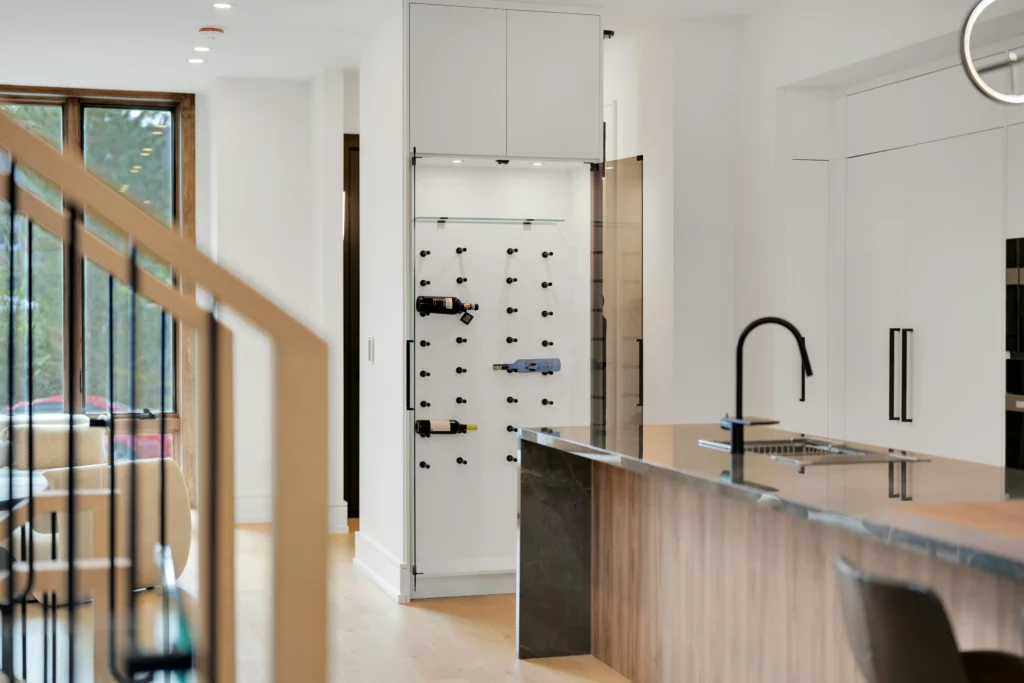
Step-by-Step Guide: Automating Your Home for Maximum Efficiency
If you feel overwhelmed by the daily grind, it is time to shift from manual maintenance to automated home systems. This guide will help you set up a more responsive living space.
Prerequisites & Tools
- Smart Hub: A central device (e.g., Matter-compatible hub) to control your ecosystem.
- Inventory App: A shared family app for real-time tracking of essentials.
- Smart Plugs/Sensors: For energy management and lighting control.
- Digital Calendar: Synchronized across all household members.
The 5-Step Automation Protocol
- Audit Your Bottlenecks: Spend three days tracking every task that feels repetitive. Is it grocery shopping? Adjusting the thermostat? Turning off lights?
- Deploy Smart Sensors: Install motion-activated lighting in high-traffic areas to reduce energy waste. Pro-tip: Use occupancy sensors to automate HVAC systems, reducing energy costs by up to 15%.
- Implement Automated Replenishment: Use subscription services for recurring household items like cleaning supplies and pantry staples.
- Sync Your Digital Life: Use a unified family dashboard to manage schedules. Ensure all appointments are color-coded by category (work, personal, health).
- Review and Refine: At the end of every month, evaluate which automated tasks actually saved time versus those that added complexity.
Warning: Avoid over-automating. If a system requires more maintenance than the task it replaces, revert to a manual process. Complexity is the enemy of efficiency.
Verification of Success: You know this works when you find yourself having 30+ minutes of "found time" each day that was previously occupied by repetitive chores.
Storage Solutions for Small-Space Living
Clutter is the silent killer of productivity. In 2026, urban living demands that we use every square inch of our homes with surgical precision.
Vertical Integration
Most people ignore the "dead air" in their apartments. Installing floor-to-ceiling shelving or wall-mounted cabinets can double your storage capacity. Use vertical space for items you use seasonally, keeping your floor clear for movement.
The "One-In, One-Out" Rule
To prevent clutter from returning, adopt a strict One-In, One-Out policy. For every new item you bring into your home, an old one must be donated or recycled. This is the most effective way to maintain a minimalist environment without feeling deprived.
Sustainable Living: Practical Habits for the Eco-Conscious
Sustainability is no longer a luxury—it is a standard for modern, efficient living. Integrating eco-friendly habits into your routine is easier than you think, and often, it saves money in the long run.
1. Composting Made Simple
Even in a small apartment, you can use an electric countertop composter. It reduces food waste by 90% and turns scraps into nutrient-rich soil for your houseplants.
2. Energy Conservation Strategies
- Switch to LED everything: It is the single most effective way to lower electricity bills.
- Smart Thermostats: These devices learn your schedule and adjust temperatures when you leave, ensuring you never pay to heat or cool an empty home.
- Eco-Friendly Appliances: When upgrading, look for high-efficiency ratings. Reliable modern appliances often pay for themselves through energy savings within 3–5 years.
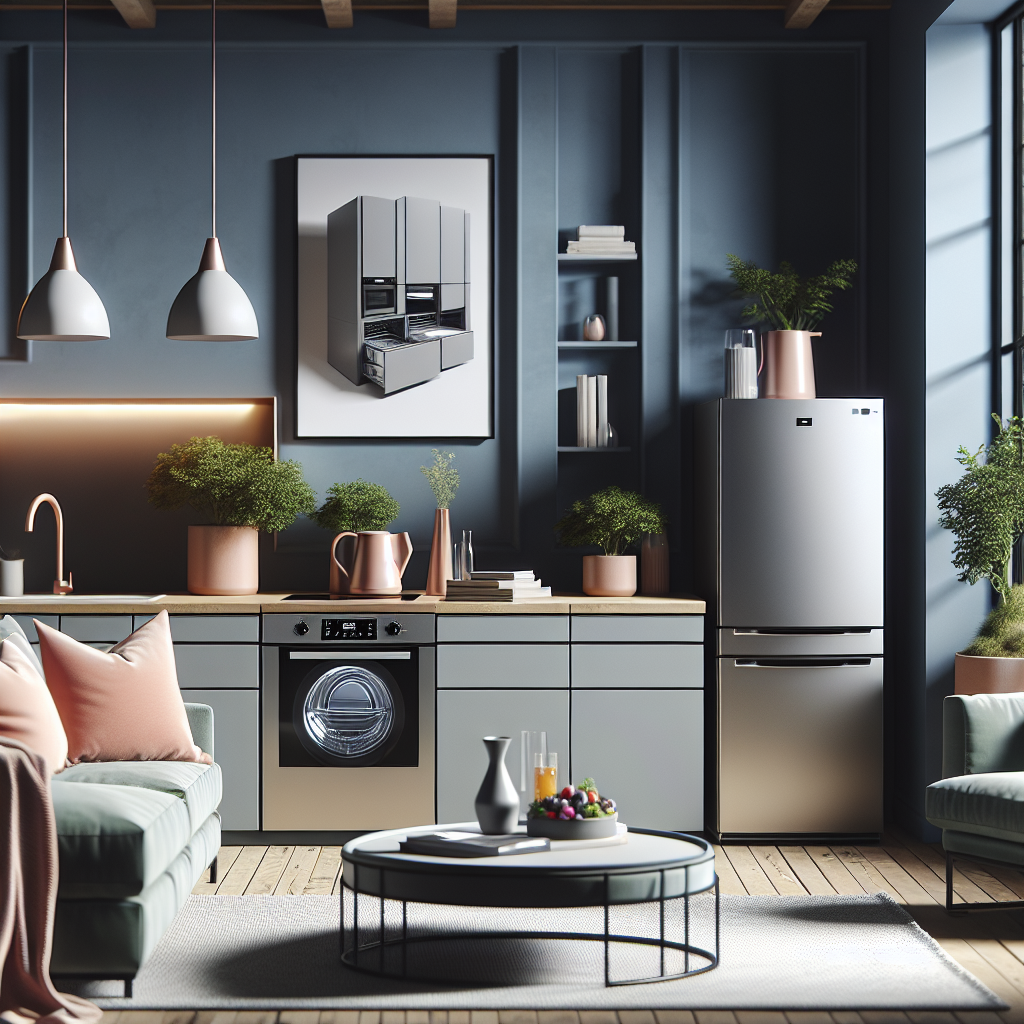
20 Ways to Simplify Your Life in 2026: A Checklist
To help you reduce stress and regain balance, here are 20 actionable shifts you can make today:
- Unsubscribe from all non-essential email lists.
- Batch your chores (e.g., meal prep on Sunday, laundry on Wednesday).
- Limit social media time to one 30-minute block per day.
- Digitize your paperwork using scanning apps to eliminate paper clutter.
- Designate a "drop zone" by the front door for keys, bags, and mail.
- Use a capsule wardrobe to reduce decision fatigue every morning.
- Cook in bulk to ensure healthy lunches are always ready.
- Automate your bill payments to avoid late fees and mental load.
- Practice the 2-minute rule: If it takes less than 2 minutes, do it now.
- Keep a gratitude journal to improve mental well-being.
- Use noise-canceling headphones to create focus zones in busy environments.
- Set a "digital sunset": All screens off 60 minutes before bed.
- Prioritize sleep hygiene by keeping your bedroom cool and dark.
- Learn to say "no" to commitments that don't align with your values.
- Invest in high-quality basics that last longer and require less maintenance.
- Practice single-tasking: Focus on one thing at a time for deeper work.
- Keep a "brain dump" notebook to clear your mind of pending tasks.
- Support local, ethical businesses to simplify your supply chain.
- Take a 10-minute walk daily to reset your nervous system.
- Audit your subscriptions every quarter to eliminate unused services.
Expert Insights: The Psychology of Habits
According to recent behavioral research, the key to lasting life changes is not willpower, but environment design. If you want to drink more water, put a glass on your nightstand. If you want to read more, put a book on your pillow.
Practical life solutions are most effective when they require zero conscious effort. When you design your life so that the "right" choice is the "easiest" choice, you achieve a state of flow that makes modern living feel effortless rather than exhausting.
Frequently Asked Questions (FAQ)
Q1: How can I start simplifying if I feel overwhelmed by my current clutter?
Start small. Do not try to declutter your entire home in a weekend. Pick one drawer or one shelf. The goal is to build momentum. Once you see the impact of a clear space, your motivation will naturally increase.
Q2: Is smart home technology too expensive for the average person?
Not necessarily. You don't need a full-scale renovation. Start with smart plugs and smart bulbs. These are low-cost, high-impact items that introduce you to the benefits of automation without breaking the bank.
Q3: What is the most important habit for reducing stress in 2026?
The most impactful habit is digital boundaries. Protecting your time from constant notifications allows your brain to recover from the cognitive load of modern work.
Q4: How do I maintain these habits over the long term?
Consistency beats intensity. It is better to do small, manageable tasks every day than to attempt massive, unsustainable changes that lead to burnout. Use "habit stacking"—attach a new, small habit to an existing, ingrained one.
Conclusion: Designing Your Future
Modern living doesn't have to be a race against the clock. By intentionally choosing practical life solutions that leverage technology, prioritize minimalism, and focus on sustainability, you can create a life that feels spacious and serene even in a fast-paced world.
The year 2026 offers us more tools than ever to simplify our existence. Whether you start by automating your lighting or simply clearing your desk, remember that every small shift contributes to a more balanced, productive, and happier lifestyle. Start today—your future self will thank you.