
The year 2026 has arrived, and with it, a collective realization: the frantic pace of the early 2020s is no longer sustainable. We are living in an era defined by constant digital noise, endless notifications, and a societal pressure to "hustle" harder. Yet, a quiet revolution is taking place. People are stepping off the treadmill of auto-pilot living and choosing a path of intentional living.
But what does it truly mean to live with intention? It isn't about moving to a cabin in the woods or giving up your career. It is the art of making conscious, deliberate choices about how you spend your most finite resources: time, energy, attention, and money.
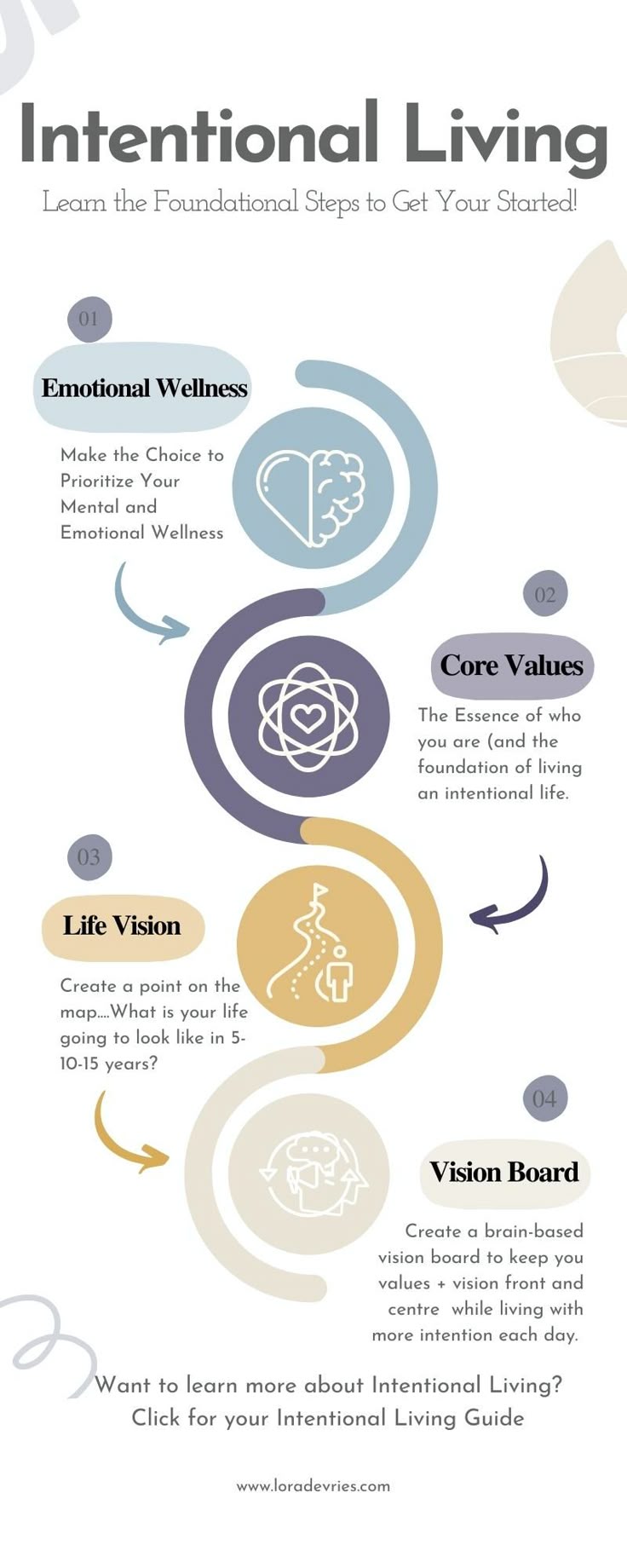
What Exactly Is Intentional Living?
At its core, intentional living is the practice of aligning your daily actions with your deepest core values. It is the antithesis of drifting through life, letting external circumstances, advertisements, and social expectations dictate your priorities. Instead, it invites you to pause, reflect, and ask: "Does this action support the person I want to be?"
The Philosophy of Choice
Many of us feel like victims of our schedules. We wake up, check our phones, rush to work, and collapse at night, only to repeat the cycle. Intentional living flips this script. It suggests that while you cannot control every event in your life, you have total agency over how you respond to them. You are the architect of your day, not a passenger.
Why 2026 is the Year for Radical Clarity
In 2026, the cost of distraction has never been higher. We are flooded with information, and the ability to focus on what truly matters has become a superpower. By embracing intentionality, you aren't just "getting more done"—you are ensuring that what you get done actually contributes to your long-term fulfillment and well-being.
The Pillars of a Purpose-Driven Life
To start your journey, it helps to categorize your life into manageable pillars. Think of these as the foundation upon which your intentional life is built.
1. Faith and Personal Philosophy
Whether you are religious, spiritual, or guided by a secular ethical framework, your core beliefs act as your compass. In 2026, many are finding that returning to a sense of purpose—beyond the material—is essential for mental health. By anchoring your day in your values, you avoid the trap of moral drift.
2. Relationships and Community
Intentionality in relationships means choosing quality over quantity. Are you spending time with people who challenge you, support you, and align with your values? In a world of digital connections, being truly present with your loved ones is a revolutionary act. It means putting the phone down during dinner and listening—really listening—to the person across from you.
3. Health and Vitality
Your body is the vehicle for your life. Treating your health with intention means viewing nutrition, exercise, and sleep as investments rather than chores. It isn't about achieving a specific aesthetic; it’s about ensuring you have the energy to pursue your goals and be present for those you love.
4. Finances and Material Resources
Financial intentionality is about aligning your spending with your priorities. It’s not about deprivation; it’s about liberation. When you stop spending money on things that don’t bring you joy or utility, you suddenly have the capital to invest in experiences, security, or causes you believe in.
5. Work and Contribution
Work takes up the majority of our waking hours. When we are intentional about our career, we look for ways to contribute, learn, and grow. This doesn't mean every job will be your "passion," but it does mean you can approach your work with a sense of purpose that transcends a paycheck.
Practical Steps to Start Living Intentionally Today
You don't need a total life overhaul to begin. In fact, the most sustainable changes are often the smallest ones.
Conduct a Values Audit
Before you can live intentionally, you must define what "intent" means to you. Take a blank sheet of paper and write down your top five values. Are they things like honesty, freedom, family, growth, or creativity? Once you have these, use them as a filter for every major decision you make. If a new commitment or purchase doesn't align with these values, you have your answer: it’s a "no."
Design Your Morning Ritual
How you start your day determines the tone of your afternoon and evening. Instead of reaching for your smartphone the moment you wake up, spend the first 15 minutes in silence, reflection, or movement. This small shift prevents you from entering the day in a reactive state.
The Power of "No"
Intentional living is largely about subtraction. To make room for what matters, you must be willing to clear away the clutter—both physical and mental. Every time you say "yes" to something that doesn't matter, you are saying "no" to something that does. Practice the art of the polite but firm refusal.
Overcoming Common Barriers
It is normal to face resistance when you begin living this way. Friends might question your changes, or you might struggle with the fear of missing out (FOMO).
Dealing with Social Pressure
When you start prioritizing your own goals, people accustomed to your old habits might feel uncomfortable. Remember: you are not responsible for managing their reactions. Stay consistent, and eventually, the people who truly matter will respect your boundaries.
Avoiding Perfectionism
Intentional living is not about being a perfect robot. Some days, you will scroll social media for an hour too long or eat something that doesn't make you feel great. That is okay. The goal is progress, not perfection. If you drift off course, simply acknowledge it and recalibrate the next day.
The "Digital Noise" Challenge
In 2026, the internet is more immersive than ever. To live intentionally, you must practice digital hygiene. Audit your notifications, unsubscribe from emails that don't serve you, and set strict "no-screen" zones in your home. Your attention is a currency; don't spend it for free on someone else's agenda.
Measuring Success in an Intentional Life
How do you know if you are succeeding? Unlike traditional metrics like salary or social media follower counts, the success of an intentional life is internal.
- You feel less "rushed": Even on busy days, you maintain a sense of calm because you know why you are doing what you are doing.
- Decisions feel easier: Because your values are clear, you don't agonize over choices. You know what fits and what doesn't.
- Increased satisfaction: You find joy in the mundane—a cup of coffee, a walk, a conversation—because you are actually present for them.
- Reduced regret: You spend less time wishing you were doing something else, because you are actively choosing the path you are on.
Frequently Asked Questions (FAQ)
1. Is intentional living the same as minimalism?
While they often overlap, they are not the same. Minimalism focuses on reducing physical possessions, whereas intentional living is a broader philosophy that encompasses how you manage time, relationships, and energy. You can be an intentional liver without being a minimalist, though many find they naturally go hand-in-hand.
2. Can I live intentionally if I have a high-stress job?
Absolutely. In fact, it is even more important. When your job demands a lot from you, being intentional about how you spend your time outside of work becomes the key to avoiding burnout. It’s about creating an "off-switch" and being deliberate about your recovery.
3. Does intentional living mean I have to stop having fun?
Quite the opposite! Intentional living means you stop wasting time on "fun" that doesn't actually recharge you—like mindless scrolling—and start investing in experiences that bring genuine joy, like travel, hobbies, or deep connection with friends. It’s about high-quality leisure.
4. How long does it take to see results?
You will notice a shift in your mental clarity almost immediately after your first week of setting clear intentions. However, building a life that feels truly aligned usually takes several months of consistent practice as you slowly shed old habits and replace them with new, purposeful ones.
The Future of Intentional Living
As we look toward the remainder of 2026 and beyond, the trend is clear: we are moving toward a "softer" approach to success. We are realizing that the old metrics of "more" are leaving us feeling "less." By choosing to be the curators of our own existence, we reclaim our autonomy.
Living with intention is the ultimate act of self-respect. It says that your life is not a collection of accidents, but a work of art that you are actively designing. You don't have to wait for the perfect moment or a life-changing event to start. You can start today, with your next decision.
Choose to be present. Choose to be purposeful. Choose to be intentional.
References
- Balance Through Simplicity — 14 Ways to Be Intentional Every Day, 2026
- Psych Central — Intentional Living: Tips to Be Purposeful in Everything You Do, 2025
- Intentional Household — Intentional Living: What It Means and How to Start, 2026
- The Good Trade — How To Lead A More Intentional Life In 2026, 2026
- Becoming Minimalist — What It Means to Live Intentionally (And Why It Changes Everything), 2026
- Wikipedia — Intentional living, 2026
- IDN Times — 5 Prinsip Intentional Living agar Hidup Lebih Terarah dan Bermakna, 2026
- Intentional Living — Ministry Headquarters and Practical Life Teachings, 2026