
Living in a compact apartment or a cozy house isn’t just about making do with less; it’s an opportunity to master the art of intentional living. If you feel like your walls are closing in, you aren’t alone. Recent data shows that approximately 65% of people feel overwhelmed by clutter in small spaces, often leading to increased stress and cortisol levels. In 2026, the trend has shifted away from simply "owning less" toward "designing smarter."
By implementing strategic small space hacks, you can turn a 500-square-foot studio into a functional, airy sanctuary. Whether you are battling a tiny kitchen, a cramped entryway, or a bedroom that doubles as an office, these expert-backed strategies will help you reclaim your floor space and your peace of mind.
The Psychology of Small-Space Living
Before you pick up a drill or buy a storage bin, it is vital to understand why your space feels chaotic. Clutter is not just a visual annoyance; it is a mental tax. When your environment is disorganized, your brain struggles to switch off, leading to a constant, low-level hum of anxiety.
By creating designated zones for specific activities—even in a one-room apartment—you provide your brain with the boundaries it craves. A well-organized room isn’t just about aesthetics; it is a foundational pillar of your mental health. In 2026, the gold standard for home design is functional minimalism, where every single item serves a purpose or brings genuine joy.
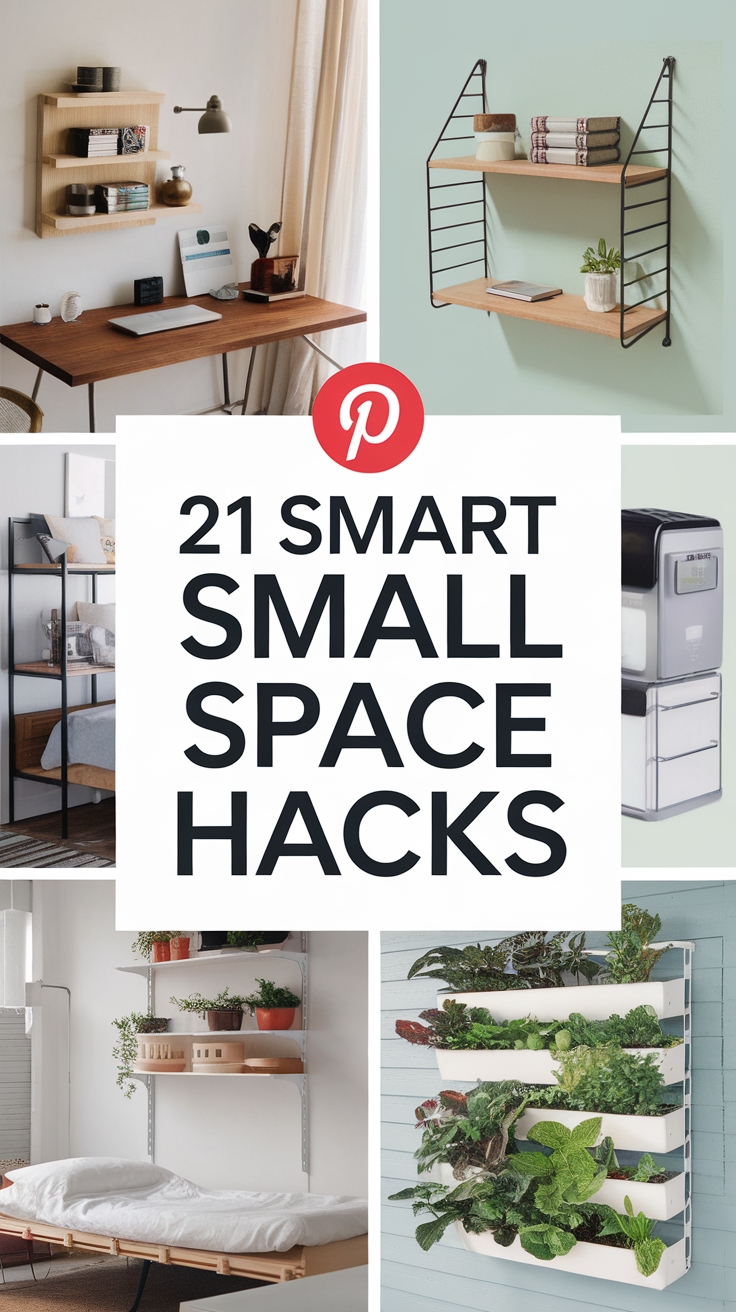
Multi-Functional Furniture: The Foundation of Efficiency
If a piece of furniture in your home does only one thing, it might be a liability. In a small space, every square inch of the floor is expensive real estate. If 5% of your living area is cluttered or unusable, you are effectively throwing away hundreds of dollars in rent or mortgage payments annually.
Invest in "Double-Duty" Pieces
- Ottomans with Internal Storage: Use these to stow away extra blankets, board games, or seasonal clothes. They serve as footrests, extra seating for guests, and hidden storage all at once.
- Sofa Beds and Murphy Beds: If you live in a studio, your bed is the biggest space-hog. A high-quality Murphy bed or a stylish daybed with a trundle can liberate your living area during the day.
- Nesting Tables: These are a lifesaver for small living rooms. Keep them tucked away when you’re alone, and pull them out when friends come over for coffee.
Modular Systems
Modular furniture is the ultimate chameleon. Sectional sofas with interchangeable parts allow you to rearrange your layout as your needs change. In 2026, designers are prioritizing ergonomic, modular units that can adapt from a cozy movie-night setup to an open-plan social space in seconds.
Vertical Storage: Taking the Load Off the Floor
When you run out of floor space, the only way to go is up. Walls are significantly underutilized in most homes, yet they offer the most potential for organization.
The Power of Pegboards
Pegboards are no longer just for garages. In a kitchen, a wall-mounted pegboard can hold your pots, pans, and cooking utensils, freeing up precious drawer space. In a home office, it keeps cords, headphones, and stationery items accessible but off your desk.
Floor-to-Ceiling Shelving
Installing bookshelves that stretch from the floor to the ceiling draws the eye upward, creating an optical illusion of height. This makes your ceilings feel higher and your rooms feel more expansive. Fill these shelves with curated decor and labeled bins to prevent them from looking cluttered.
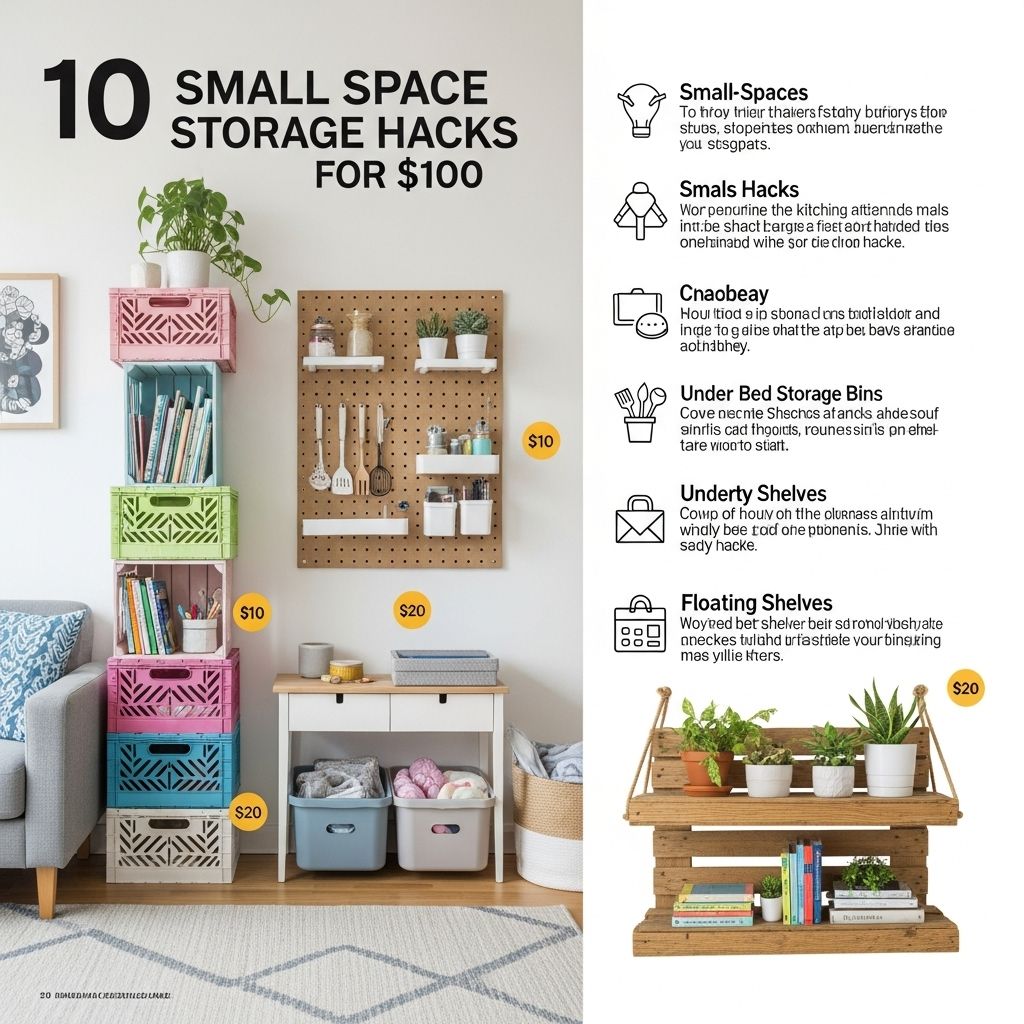
Kitchen Hacks for the Aspiring Chef
Small kitchens are notoriously difficult to organize, but they are often the rooms that need the most efficiency. If you are dealing with one square foot of counter space, you have to be ruthless.
Use the Backs of Cabinet Doors
The inside of your cabinet doors is prime, unused real estate. Mount adhesive hooks or slim pocket organizers to hold measuring spoons, pot lids, or cleaning supplies. This simple hack keeps your counters clear and your tools within reach.
Magnetic Strips and Wall-Mounted Racks
Ditch the bulky knife block that takes up a third of your counter. A wall-mounted magnetic strip keeps your knives safely stored and easily accessible. Similarly, a wall-mounted rail system for spices or cooking oils can transform a blank wall into a high-functioning prep station.
Hidden Storage: The "Disappearing" Trick
The best storage solution is the one you don't notice. In 2026, interior design is leaning toward "invisible storage"—units that blend into the wall color or fold away entirely.
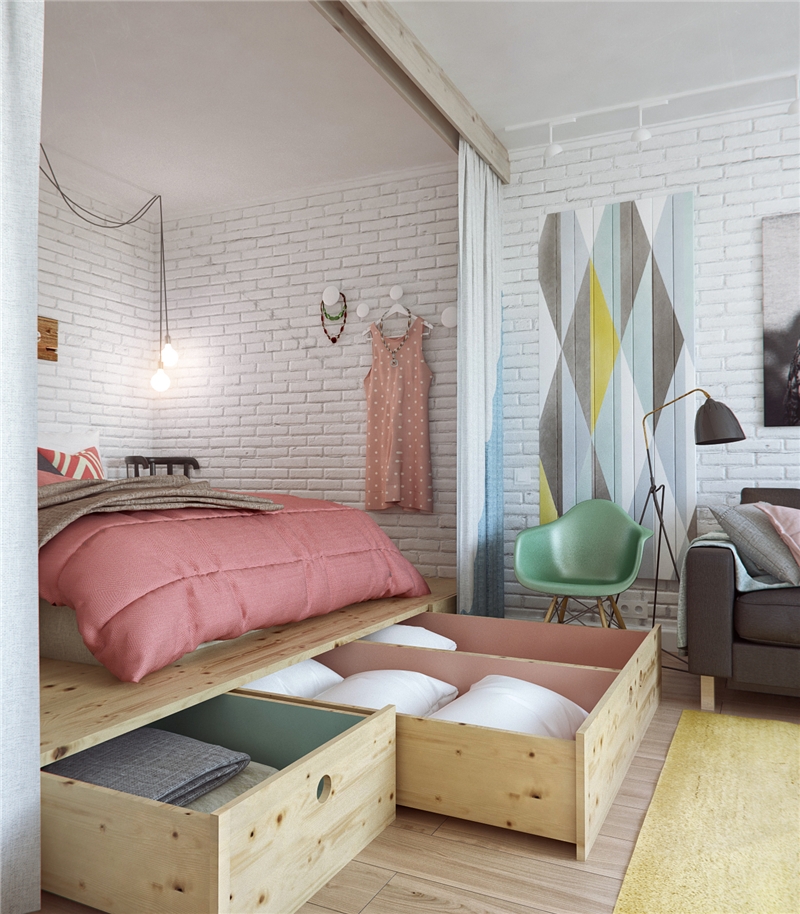
- Under-Bed Storage: Don't let the space under your bed go to waste. Use rolling bins to store off-season clothing or bulky items like winter bedding.
- Fold-Down Desks: If you work from home but don't have a dedicated room, a wall-mounted desk that folds flat against the wall when not in use is a game-changer. It provides a professional workspace during the day and disappears completely at night.
- Over-the-Door Organizers: These are not just for shoes. Use clear pocket organizers in the bathroom for toiletries or in the bedroom for accessories.
Optical Illusions to Make Your Space Feel Larger
Sometimes, you can't physically add space, but you can certainly fake it. Professional designers use specific visual tricks to open up cramped rooms.
The Power of Lighting
Dim corners make a room feel smaller. Layer your lighting by using a mix of overhead lights, floor lamps, and task lighting. Mirrors are another classic trick; place a large mirror opposite a window to bounce natural light around the room, instantly making it feel double the size.
Keep Walls Low and Windows High
High-hung curtains that graze the floor draw the eye up, emphasizing the height of the room. When choosing decor, opt for a minimalist color palette—light neutrals, soft grays, and whites help reflect light and create a sense of cohesion that keeps the room from feeling "busy."
Common Mistakes to Avoid
In your quest to save space, it is easy to fall into traps that actually make your home feel smaller. Here are a few things to avoid:
- Buying "Mini" Furniture: Filling a room with tiny, undersized furniture makes it look like a dollhouse. Instead, use a few larger, statement pieces that ground the space.
- Over-Cluttering Surfaces: Just because you have a shelf doesn't mean every inch needs to be covered in knick-knacks. Leave some white space to give the room room to breathe.
- Ignoring the Ceiling: We often forget the ceiling is an entire wall. Use it for hanging plants or even track lighting to save floor space.
Frequently Asked Questions (FAQ)
1. How can I organize a small apartment without spending a fortune?
Focus on low-cost, high-impact items like drawer dividers, command hooks, and over-the-door storage racks. These items are inexpensive and can be found at any major home goods retailer.
2. Is it possible to have a home office in a 400 sq ft apartment?
Absolutely. Look for wall-mounted desks that fold down or utilize a small corner with a floating shelf acting as a desk. The key is to keep the setup compact and to put everything away at the end of the day to maintain a mental separation between work and home.
3. Does decluttering really make a difference?
Yes, it is the single most effective "hack." If you haven't used an item in over a year, it is taking up valuable space. By clearing out the excess, you immediately create more room for the things you actually love and use.
4. What is the best way to divide a studio apartment?
Use open-backed bookshelves or room dividers to create a visual separation between your living and sleeping areas. These provide storage while allowing light to pass through, keeping the room feeling open.
5. How do I keep my small space organized long-term?
Adopt the "one-in, one-out" rule. For every new item you bring into your home, ensure an old one is donated or recycled. This prevents the slow creep of clutter and keeps your space manageable.
Conclusion
Living in a small space isn't about restriction; it is about curation. By choosing multi-purpose furniture, utilizing your walls, and keeping your surfaces clear, you can create a home that feels both luxurious and highly functional. In 2026, the best homes aren't necessarily the largest—they are the ones that are designed with intent. Start small, tackle one room at a time, and watch as your tiny apartment transforms into your favorite place in the world.
Referencias
- Toolsweek — 15 Genius Small Space Hacks for Tiny Apartments, 2025
- ToolzView — 21 Genius Small Space Organizing Hacks for Maximum Efficiency, 2026
- Minimize My Mess — How to organize small spaces: 110+ Hacks, 2026
- Elli Winter — 30 Small House Hacks That Will Instantly Maximize And Enlarge Your Space, 2026
- Cha Ching Queen — Small Spaces, Big Ideas: 25 Genius Tips to Maximize Your Home, 2026
- Apartment Therapy — 21 Seriously Clever Small-Space Storage Ideas to Steal, 2026