
In the fast-paced landscape of 2026, the ability to manage your time isn’t just a skill—it is a superpower. With endless digital distractions and competing priorities, many of us end our days feeling overwhelmed, wondering where the hours went. Learning how to create a simple daily schedule is the ultimate antidote to burnout and the most effective way to reclaim your focus.
A well-structured daily routine doesn’t just list tasks; it acts as a roadmap for your success. By allocating specific time blocks to your most important activities, you transition from being reactive to proactive. Whether you are a student, a busy professional, or a remote entrepreneur, mastering your calendar is the cornerstone of effective time management.

Why You Need a Daily Schedule in 2026
The primary benefit of a daily schedule is the reduction of decision fatigue. When you wake up knowing exactly what your next move is, you save precious mental energy for high-impact work. Research consistently shows that individuals who plan their day are 30% more likely to achieve their long-term goals compared to those who rely on spontaneity.
Beyond productivity, a schedule creates a healthy boundary between work and personal life. By mapping out your day, you ensure that you aren’t just working harder, but working smarter. It allows you to prioritize high-value tasks while ensuring you have downtime to recharge, which is essential for sustained performance.
Step-by-Step Guide: How to Create a Simple Daily Schedule
Creating a plan doesn’t have to be complicated. In fact, the simpler your system, the more likely you are to stick with it. Follow these steps to build a routine that actually works for your lifestyle.
1. Conduct a “Brain Dump”
Before you can organize your time, you need to see everything that is demanding your attention. Write down every task, meeting, and errand you have on your plate. Don’t worry about the order yet; just get it out of your head and onto paper or a digital app.
2. Identify Your “Must-Dos”
Not all tasks are created equal. Use the Eisenhower Matrix to categorize your tasks into urgent and important. Prioritize your top three tasks for the day—these are your “Big Rocks.” If you only accomplish these three things, the day will still be considered a success.

3. Use Time Blocking
Instead of a simple to-do list, assign each task a specific time slot on your calendar. Time blocking helps you visualize your day and prevents “task creep,” where one activity bleeds into the next. Remember to include buffer time between blocks to account for unexpected interruptions or transitions.
4. Leverage Digital Tools and Templates
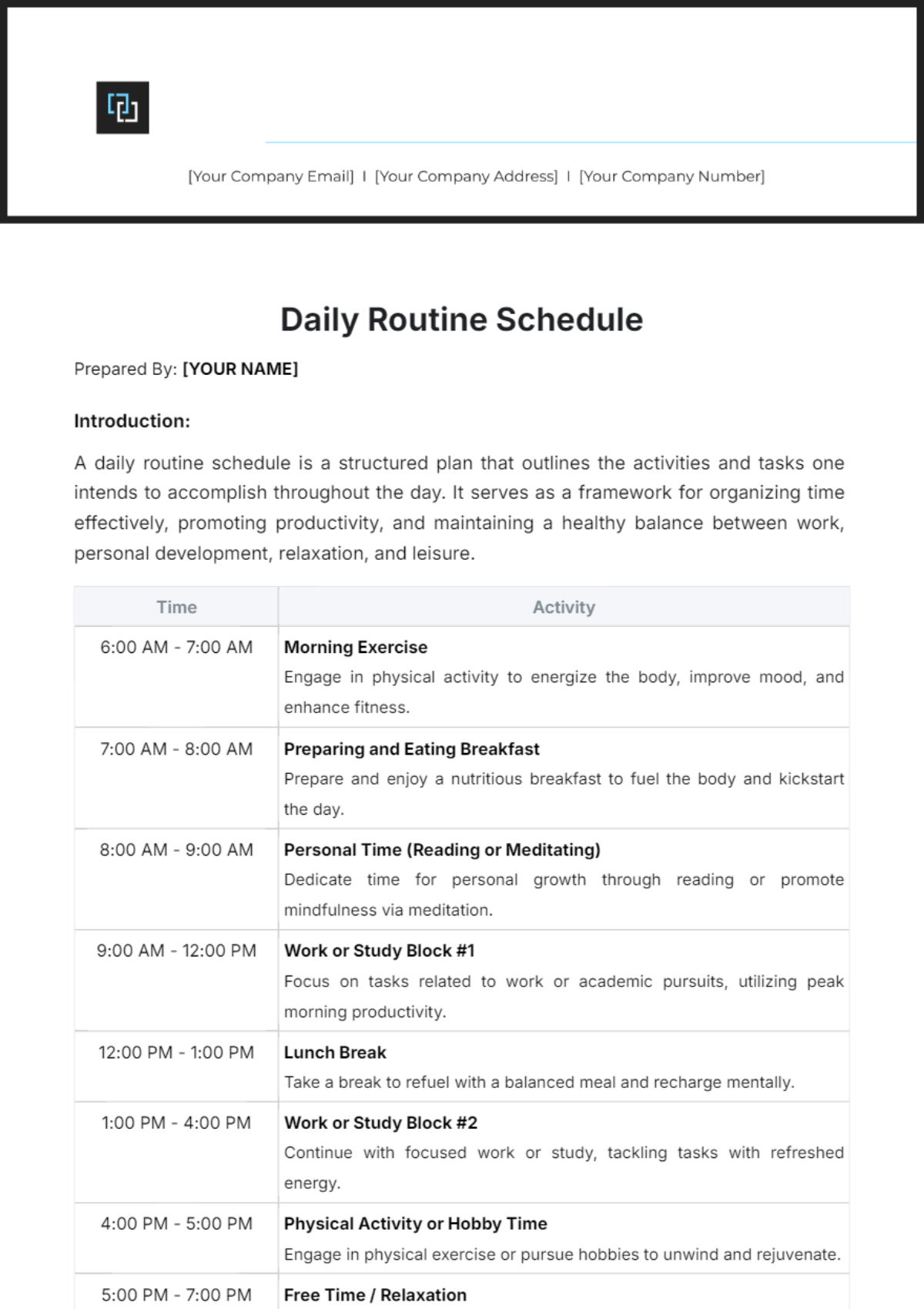
In 2026, we have access to incredible tools like Canva or Zoho that offer pre-made templates. Using a visual template can make the process of scheduling feel less like a chore and more like a creative project. These tools allow for quick adjustments, which is vital when your schedule inevitably shifts.
Tips for Maintaining Your Schedule
Creating a schedule is only half the battle; the real challenge is consistency. If you find yourself falling off track, don’t abandon the system. Instead, try these expert tips:
- Plan the Night Before: Spending 10 minutes every evening to prep your schedule for the next day sets you up for an immediate win the following morning.
- Be Realistic with Estimates: We are often overly optimistic about how long tasks take. Add a 20% “cushion” to every time block to handle unforeseen issues.
- Schedule Self-Care: If it isn’t on the calendar, it doesn’t exist. Block out time for exercise, reading, or meditation just as you would for a client meeting.
- Review and Refine: At the end of each week, look at your schedule. What worked? What didn’t? Use this data to make your next week even more efficient.
The Power of Flexibility
It is important to remember that a daily schedule is a tool to serve you, not a cage to trap you. Life is unpredictable, and in 2026, agility is just as important as discipline. If an emergency arises, feel free to shift your blocks around. The goal is to regain control, not to be a slave to the clock.
By mastering the art of the daily schedule, you are investing in your own future. You will find that you have more free time, less stress, and a clearer sense of direction. Start small, stay consistent, and watch how your productivity transforms.
Conclusion
Learning how to create a simple daily schedule is an essential habit that pays dividends in every area of your life. By prioritizing your tasks, using modern digital templates, and staying flexible, you can master your time rather than letting it master you. Start today—your future, more organized self will thank you.