
As we step further into 2026, smart speakers have evolved from simple music players into the central nervous system of the modern home. Whether you are using Alexa, Google Assistant, or Siri, these voice-activated wonders, serving as your dedicated digital assistant, are now more intuitive, faster, and more integrated than ever before. If you’ve been using your device only for weather updates and music, you are barely scratching the surface of what your personal assistant can do through simple voice commands.
In this guide, we explore how to transform your smart speaker into a high-powered command center to reclaim your time and streamline your daily life.
1. Create Custom Voice-Activated Routines
The true power of a smart speaker lies in automation, forming the core of your modern home automation system. Instead of triggering individual commands, you can set up “Routines” that execute a series of actions with a single phrase. For example, a “Good Morning” routine can turn on your lights, start the coffee maker, read your calendar, and play the latest tech news headlines simultaneously. These routines offer a truly personalized experience, adapting to your daily rhythm.
Productivity Hack: Create a “Focus Mode” routine that silences notifications on your phone, plays ambient white noise, and sets a 25-minute Pomodoro timer for deep work.
Home Security: Build an “Away” routine that simulates occupancy by randomly turning lights on and off when you aren’t home.
2. Master Smart Home Integration
By 2026, the Matter smart home standard has made connecting devices seamless. You no longer need to worry about brand compatibility as much as in previous years. Use your smart speaker to bridge disparate smart home devices, such as thermostats, smart locks, and robotic vacuums, into a unified smart speaker ecosystem.
To maximize your efficiency, organize your devices by room. This allows you to use context-aware commands like “Turn off the lights” when you are physically in the living room, rather than listing every specific lamp name.
3. Streamline Health and Wellness
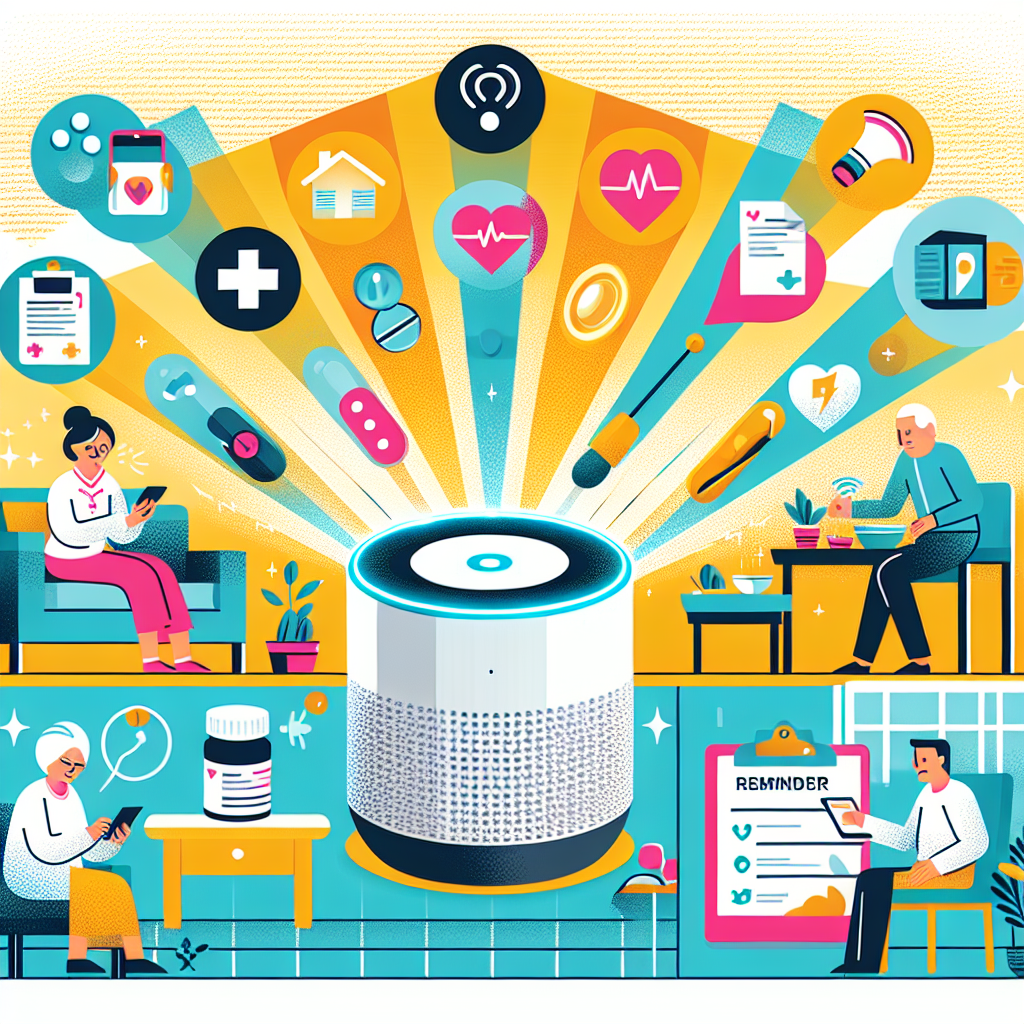
Voice-activated health services have become a game-changer. You can now use your smart speaker to manage medication schedules, log your daily water intake, or even initiate guided meditation sessions.
Medication Reminders: Set recurring voice alerts to ensure you never miss a dose.
Workout Coaching: Ask your speaker to guide you through a 10-minute HIIT routine or a quick yoga stretch without needing to look at a screen.
4. Elevate Your Productivity Command Center
Your smart speaker is the ultimate tool for managing a busy schedule. By syncing your digital calendars (Google, Outlook, or iCloud), you can ask, “What’s on my agenda today?” while you’re getting dressed or making breakfast, leveraging efficient voice search capabilities.
Voice-activated task management is equally powerful. You can add items to your grocery list or set reminders for specific times as soon as a thought pops into your head. This “capture” method prevents mental clutter and ensures you never forget an errand again.
5. Troubleshooting and Privacy Best Practices
As these devices become more integrated, privacy remains a top priority. In 2026, most major smart speakers include physical microphone kill switches and enhanced local processing capabilities.
Voice Recognition: If your speaker is struggling to understand you, retrain the voice profile in the companion app. This improves accuracy significantly.
Privacy Settings: Regularly review your voice history in the app settings and delete recordings you don’t want stored. You can also disable “always-listening” features for specific times of the day.
6. Advanced Entertainment Control
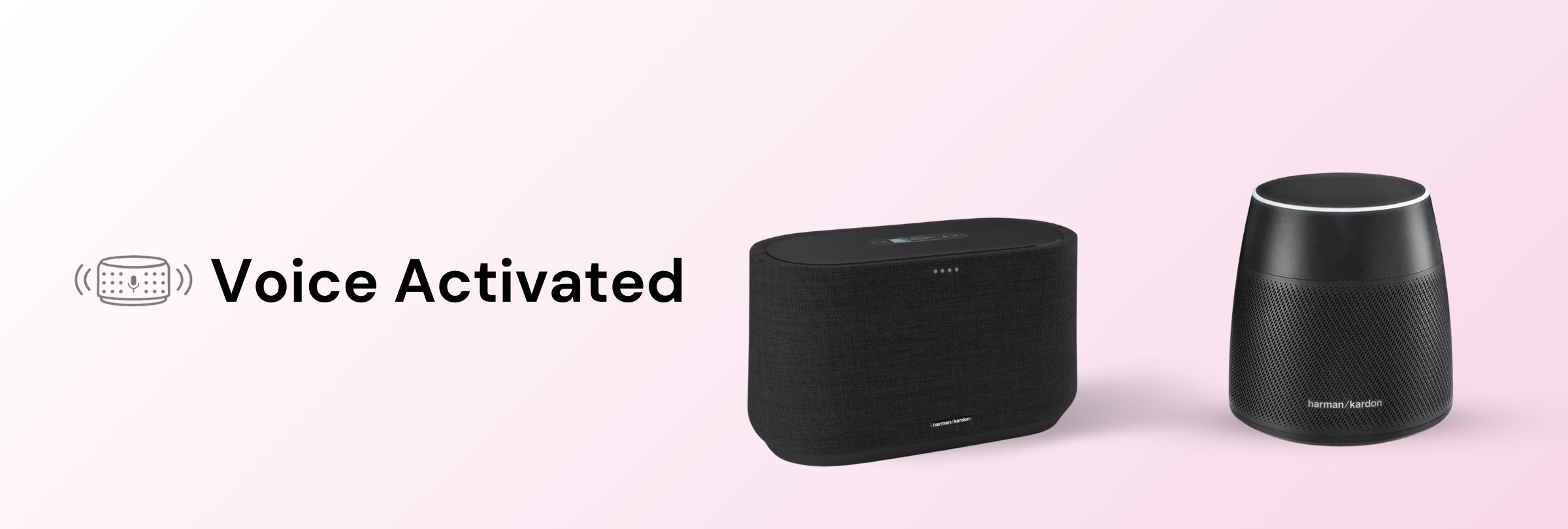
Smart speakers are no longer just for playing music. They are now the hub for your entire multimedia experience, including seamless multi-room audio setups. You can use voice commands to control your smart TV, skip episodes on streaming platforms, or even request specific movie genres.
By linking your speaker to your smart display or TV, you create a hands-free entertainment interface. This is particularly useful when your hands are messy in the kitchen or you simply want to relax on the couch without searching for a remote.
7. Shopping and Service Automation
Voice commerce has matured significantly. You can now reorder household essentials—like laundry detergent or coffee pods—simply by saying the word. Most smart speakers now feature biometric voice verification, ensuring that only authorized users can place orders.
Additionally, many local services now integrate with smart speakers, allowing you to book appointments or request ride-shares through simple voice prompts.
Conclusion: The Future is Hands-Free
The best ways to use smart speakers in 2026 revolve around integration and habit-building. By setting up complex routines, prioritizing your privacy, and utilizing the latest smart home standards, you can turn your device into a truly indispensable assistant, offering unparalleled hands-free operation and even enhancing accessibility features for many users.
As technology continues to evolve, remember that the goal of these tools is to save you time and reduce friction in your daily routine. Start by setting up one or two routines this week, and you will quickly see how much more productive your home environment can be.