
Living in a small home with children can often feel like a constant battle against clutter. As we move through 2026, the trend of intentional living has become more than just an aesthetic—it is a necessity for maintaining sanity in limited square footage. The secret to a peaceful home isn’t having more space; it is about having fewer, more purposeful items and systems that actually work for your family’s dynamic lifestyle.
<img alt="Minimalist Home Organization – Lexi Home" src="https://lexihome.com/cdn/shop/collections/HomePageHome_Organization.jpg?v=1684956443&width=2400″ style=”max-width:100%; height:auto; border-radius:8px; margin: 1rem 0;” />
The Philosophy of Minimalist Parenting
Minimalism isn’t about living in an empty white box; it is about removing the friction caused by “stuff.” When you reduce the volume of toys, clothes, and gadgets, you create an environment where children can play independently and parents can clean up in minutes rather than hours. By adopting a “one-in, one-out” policy, you ensure that your home remains a sanctuary rather than a storage unit.
Why Small Spaces Benefit from Minimalism
- Reduced Decision Fatigue: Fewer choices for kids lead to deeper, more creative play.
- Easier Maintenance: When every item has a dedicated “home,” tidying up becomes a simple habit.
- Financial Freedom: Minimalism discourages impulse shopping, allowing you to invest in quality experiences over temporary plastic toys.
7 Smart Strategies for Small-Space Living
To truly master a small home, you must think vertically and multi-functionally. Here are seven ingenious strategies to transform your chaos into a calm, organized oasis.
- Utilize Hidden Vertical Storage: Don’t just look at floor space. Install floor-to-ceiling shelving or wall-mounted pegboards in the playroom to keep the floor clear.
- Furniture with Dual-Purpose: Invest in ottomans with internal storage or trundle beds that hide extra bedding.
- The “Toy Rotation” System: Keep 75% of toys in a closet and swap them out monthly. This keeps children engaged and reduces the amount of clutter on your living room floor.
- Create “Drop Zones”: Use a dedicated mudroom-style bench or hooks near the door to contain the daily influx of backpacks, coats, and shoes.
- Use Under-Bed Real Estate: Rolling bins are perfect for storing out-of-season clothing or bulky linens that would otherwise crowd your closets.
- Decluttering as a Family Activity: Involve your children in the process by making it a game. Teach them that donating items helps other children, fostering a sense of community.
- Clear Labeling: Even for pre-readers, using picture labels on bins helps children identify where items belong, promoting independence and accountability.

Sustainable Storage Solutions That Grow with Your Kids
Children’s needs evolve rapidly. By 2026, the most effective systems are those that are modular and adaptable. Avoid buying specialized storage that only works for baby toys; instead, choose neutral, sturdy containers that can eventually hold school supplies, sports gear, or craft materials.
Adapting to Changing Needs
When your child transitions from toddlerhood to school age, their requirements change. A low shelf that once held board books can eventually house chapter books or a charging station for tablets. Flexibility is the cornerstone of a minimalist home. Always prioritize storage solutions that can be repurposed in other rooms, ensuring your investment lasts for years.
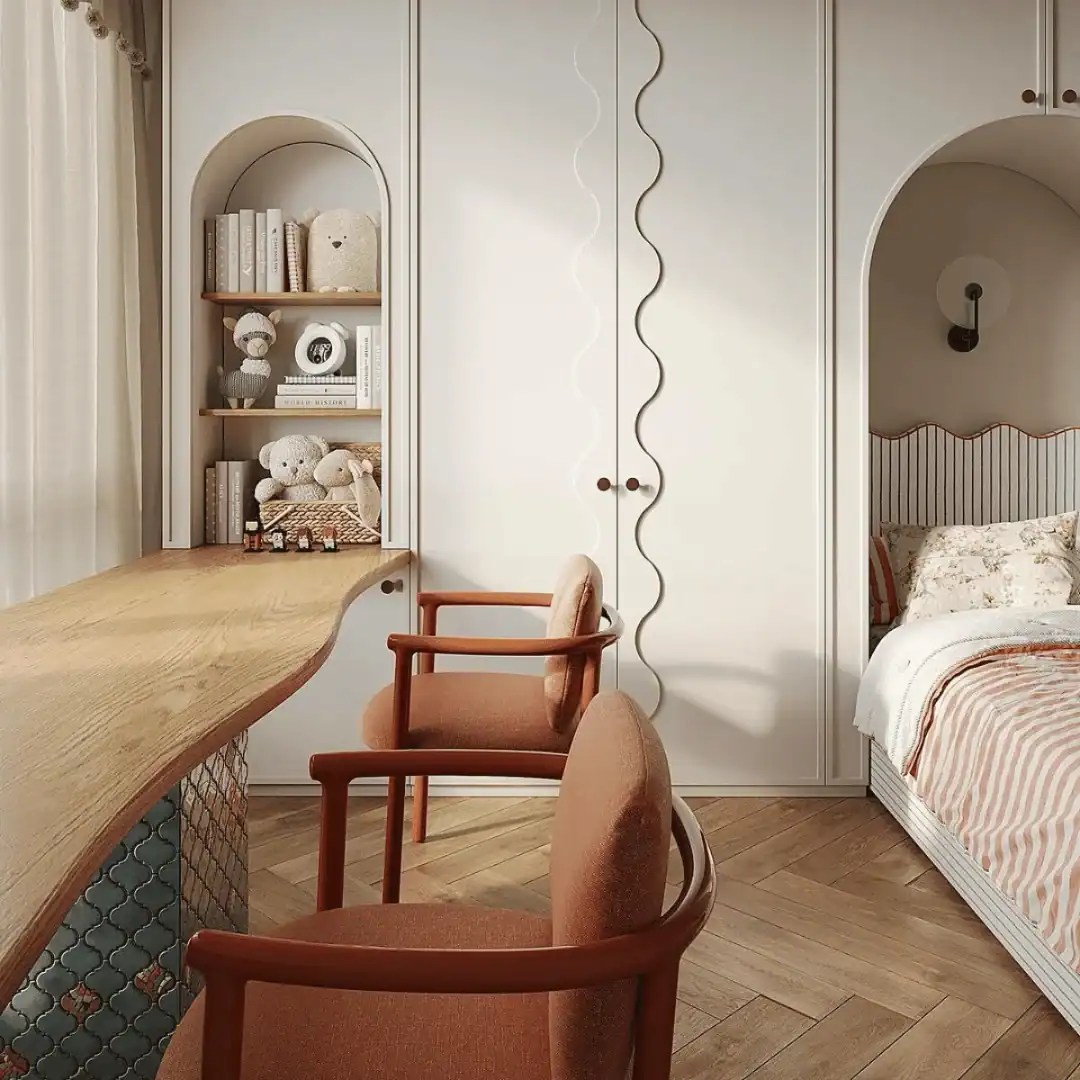
Mastering the “Genius” Storage Spots
Sometimes, the best storage ideas are the ones we overlook. Many small homes have “dead zones” that are ripe for organization.
- Behind the Door: Use over-the-door organizers for art supplies, socks, or even cleaning essentials.
- Above Door Frames: A simple ledge installed above a bedroom door can display books or keepsakes without taking up precious wall space.
- Inside Cabinet Doors: Use adhesive hooks or pockets to store small items like hair accessories, scissors, or remote controls.
Keeping the System Alive: The 2026 Maintenance Mindset
Organizing is a verb, not a noun. To keep your small home under control, schedule a “10-minute reset” every evening. This quick sweep ensures that the house is reset for the next morning. When you maintain a minimalist environment, these tasks become effortless, leaving you more time to focus on what truly matters: your family.
Remember, the goal is not perfection, but simplicity. By curating your belongings and implementing these smart, sustainable systems, you can enjoy a spacious, peaceful home regardless of its square footage.