
The modern home is no longer just a physical structure; it is a complex, interconnected ecosystem of Internet of Things (IoT) devices. From smart thermostats and voice-activated assistants to high-definition security cameras and automated door locks, our lives are increasingly data-driven, expanding our digital footprint. However, this convenience comes with a significant trade-off: an expanded attack surface for a myriad of cybersecurity threats from cybercriminals. As we move through 2026, securing your smart home network is no longer optional—it is a critical necessity, often best achieved through robust Digital security services for protecting smart home networks.
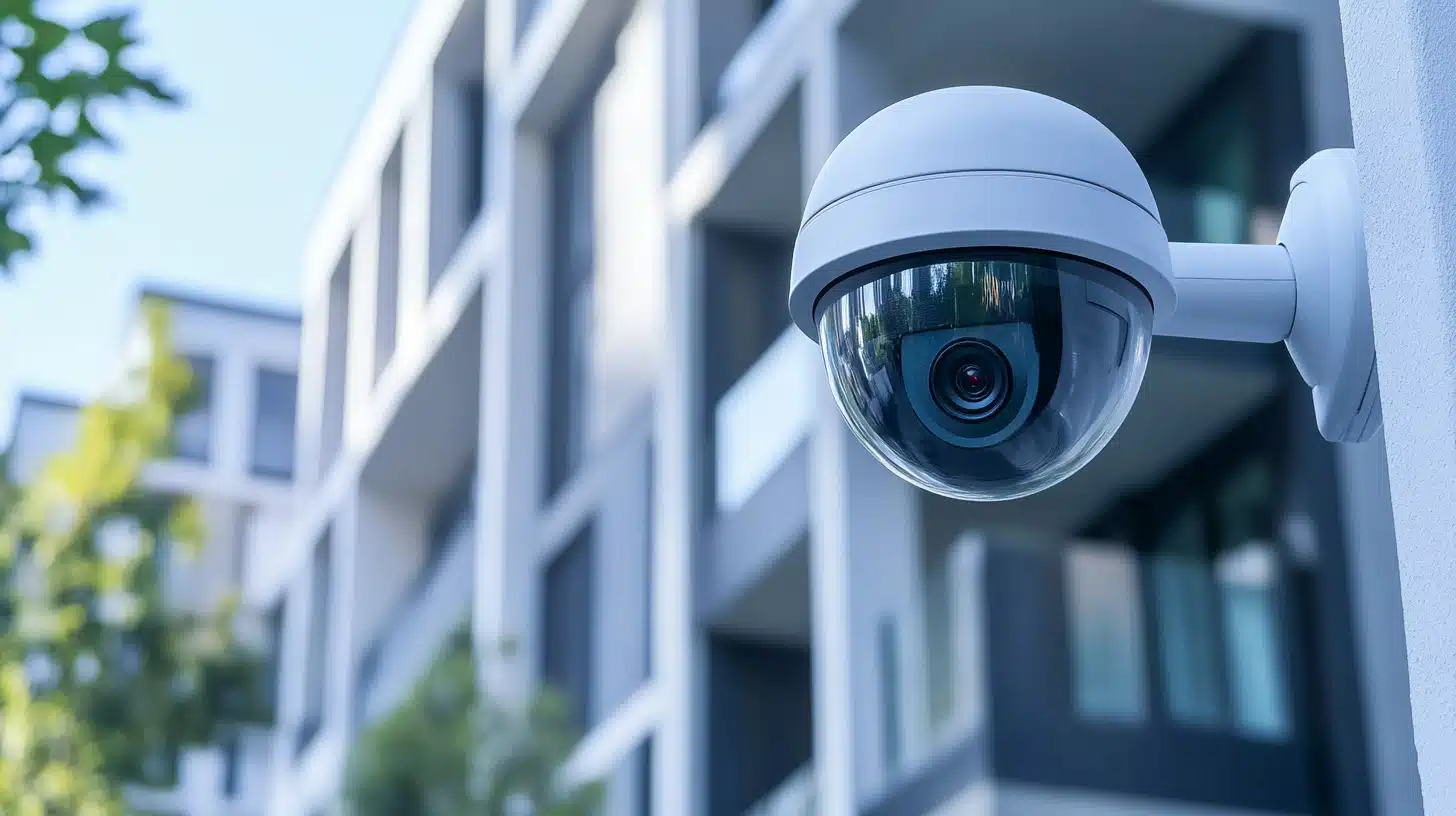
Why Your Smart Home Network Needs Proactive Protection
Many homeowners assume that their ISP-provided router is sufficient to keep hackers at bay. Unfortunately, default settings are rarely enough to establish truly secure Wi-Fi networks and stop sophisticated threats. Cybercriminals frequently target vulnerabilities in IoT firmware, often exploiting poor vulnerability management, to gain unauthorized access to your private data, launch ransomware attacks, or even to use your devices in massive botnet attacks.
By investing in professional Digital security services for protecting smart home networks, often provided as managed security services, you aren’t just buying software; you are establishing a perimeter around your digital life. These services act as a gatekeeper, utilizing real-time threat detection to monitor incoming and outgoing traffic for suspicious patterns that standard hardware might miss.
Essential Strategies for Securing Your IoT Household
To stay ahead of evolving threats in 2026, you must adopt a multi-layered defense strategy, often guided by expert Digital security services for protecting smart home networks and comprehensive IoT security platforms. Relying on a single password or a basic firewall is a recipe for disaster.
1. Network Segmentation
One of the most effective ways to protect your network is through segmentation. By creating a separate “Guest” network or a dedicated VLAN (Virtual Local Area Network) for your IoT devices, you isolate them from your primary computers and smartphones. If a smart bulb is compromised, the hacker remains trapped in that isolated segment, unable to access your bank accounts or personal files on your main network.
2. Advanced Endpoint Protection
Standard antivirus software is designed for PCs, but it doesn’t cover your smart fridge or security camera. This is where specialized Digital security services for protecting smart home networks come into play. Look for IoT-specific security solutions that offer robust device authentication and:
Real-time traffic monitoring to detect unusual data spikes, crucial for data privacy protection.
Automatic firmware update alerts to ensure all devices are patched against known exploits.
Device fingerprinting to identify and block unauthorized devices attempting to connect to your network.
<img alt="Protect your Smart Home from threats – The Catalyst" src="https://servicetodaylife.com/wp-content/uploads/2026/05/IMG_6008-1-e1731564115296.jpg” style=”max-width:100%; height:auto; border-radius:8px; margin: 1rem 0;” />
The Role of Encrypted Connections and VPNs
In 2026, privacy is a commodity. Even if your devices are secure, the data they send to the cloud can be intercepted, posing significant risks to data privacy protection. This is a key area addressed by comprehensive Digital security services for protecting smart home networks. Implementing a VPN (Virtual Private Network) at the router level is a powerful way to encrypt all traffic leaving your home.
When your smart devices communicate with the manufacturer’s cloud, a VPN ensures that the data remains unreadable to prying eyes. This is particularly vital for smart security cameras and microphones that could potentially be eavesdropped upon if left unprotected.
<img alt="VPN sites – How VPNs Enhance Security in Smart Home Networks" src="https://servicetodaylife.com/wp-content/uploads/2026/05/origin_c69fa9a9-5be3-4249-b3c2-e3f2b26fe089_How_VPNs_Enhance_Security_in_Smart_Home_Networks-scaled.jpg” style=”max-width:100%; height:auto; border-radius:8px; margin: 1rem 0;” />
Choosing the Right Digital Security Services
Navigating the cybersecurity market can be overwhelming, but focusing on these key features will help you identify the best Digital security services for protecting smart home networks for your household:
Intrusion Prevention Systems (IPS): Look for routers or security services, particularly those offering comprehensive Digital security services for protecting smart home networks, that include integrated IPS to block malicious traffic before it reaches your devices.
Cloud-Based Threat Intelligence: The best services use AI-driven databases that update in real-time, providing superior real-time threat detection and protecting you from the latest “zero-day” vulnerabilities discovered by researchers.
User-Friendly Dashboards: Security is only effective if you actually use it. Choose services that provide clear, actionable notifications via a mobile app.
Best Practices for 2026 and Beyond
Beyond software, your habits are your first line of defense, complementing the robust features of Digital security services for protecting smart home networks. Always change default administrator passwords immediately upon setting up a new device. Use multi-factor authentication (MFA) wherever it is available, as it remains the single most effective way to prevent unauthorized account access.
Finally, perform a “digital audit” every three months. Remove old devices that no longer receive security updates, as these “zombie” devices are the easiest entry points for hackers.
Conclusion
The convenience of a smart home should not come at the cost of your digital privacy. As we navigate the technological landscape of 2026, the cybersecurity threats to our connected environments will only grow more sophisticated. By implementing network segmentation, utilizing VPNs, and employing robust Digital security services for protecting smart home networks, you can ensure comprehensive data privacy protection and enjoy the benefits of automation while keeping your home and your data safe from harm. Remember, security, including continuous vulnerability management, is an ongoing process, not a one-time setup. Stay informed, stay updated, and keep your smart home locked tight.