
In 2026, our homes have evolved beyond mere places to sleep; they are now our offices, gyms, and sanctuaries. As the lines between work and leisure blur, the demand for home space optimization has never been higher. Creating an environment that fosters physical and mental well-being is no longer a luxury—it is a necessity for a balanced life.
Optimizing your living space for comfort is about more than just aesthetics. It is about aligning your environment with thermal, acoustic, and visual comfort standards to boost your overall quality of life. Whether you are living in a compact apartment or a sprawling suburban home, these expert-backed strategies will help you transform your dwelling into a haven of tranquility.
The Foundation of Comfort: Thermal and Acoustic Control
True comfort begins with the elements you cannot always see. If your home is too cold, too loud, or poorly lit, no amount of high-end furniture will make it feel like a sanctuary.
- Thermal Comfort: Invest in smart home climate control systems that adjust temperatures based on your daily routine. By 2026, AI-driven thermostats have become essential for maintaining an energy-efficient, perfectly tempered home.
- Acoustic Insulation: Noise pollution is a major stressor. Incorporate soft furnishings like heavy curtains, plush rugs, and acoustic wall panels to dampen sound. These additions not only improve privacy but also create a “cocoon” effect that reduces mental fatigue.

Mastering Spatial Flow: 10 Effective Techniques
Maximizing your square footage is the cornerstone of interior design for comfort. A cluttered space often leads to a cluttered mind. By implementing effective space-saving techniques, you can make even the smallest rooms feel expansive and inviting.
1. Prioritize Multi-Functional Furniture
In 2026, furniture must work as hard as you do. Look for ottomans with hidden storage, modular sofas that can be reconfigured, and wall-mounted desks that fold away when the workday ends.
2. Leverage Vertical Space
When floor space is limited, look up. Install floor-to-ceiling shelving units or wall-mounted cabinets. This draws the eye upward, creating the illusion of higher ceilings and providing ample storage that keeps your floor clear.
<img alt="How to optimize your space" src="https://static.wixstatic.com/media/9cf512a0ce9028a1e340f194b76c4bfe97d45e~mv2d42002800s42.jpg/v1/fill/w1000,h667,alc,q85,usm0.661.000.01/9cf512a0ce9028a1e340f194b76c4bfe97d45e~mv2d42002800s4_2.jpg” style=”max-width:100%; height:auto; border-radius:8px; margin: 1rem 0;” />
3. The “Light and Bright” Rule
Natural light is the ultimate mood booster. Use large mirrors strategically placed opposite windows to reflect light deeper into your rooms. In 2026, human-centric lighting—which mimics the natural color temperature of the sun throughout the day—is a game-changer for visual comfort.
Bringing Comfort Outdoors
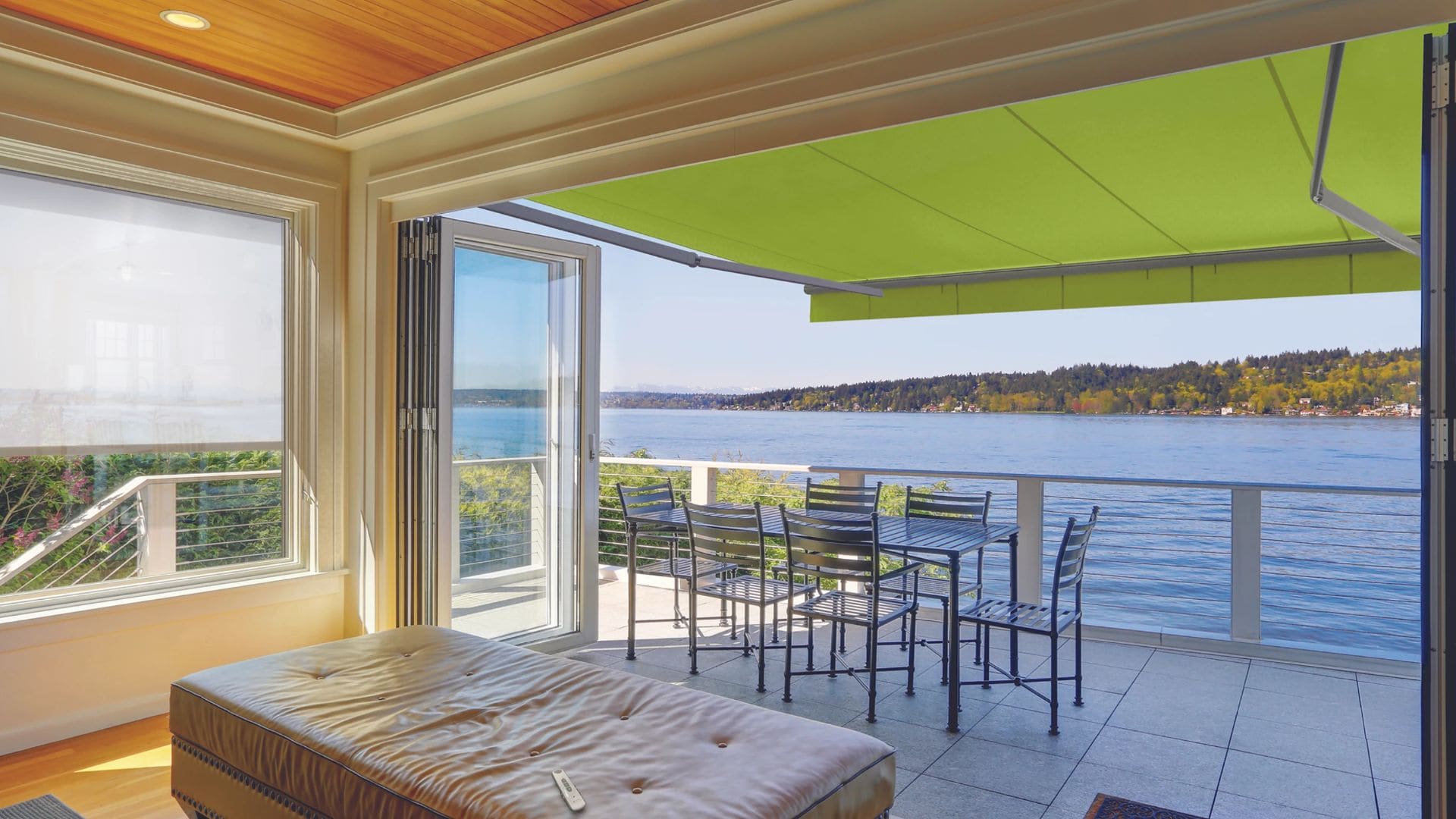
Your comfort optimization strategy shouldn’t stop at the interior walls. The modern home includes the patio, balcony, or garden as an extension of your living space.
To improve the comfort level of your outdoor areas, focus on weather-resistant textiles and ambient lighting. String lights or solar-powered lanterns can transform a dark deck into a cozy evening retreat. Adding greenery not only improves air quality but also provides a visual connection to nature, which is scientifically proven to lower stress levels.
Personalization: The Key to Psychological Comfort
A space is only truly comfortable if it reflects your personality. While minimalism is popular, it shouldn’t feel clinical.
- Display Meaningful Art: Surround yourself with objects that tell a story. Whether it’s family photos or travel souvenirs, these personal touches anchor you to your home.
- Tactile Textures: Layering textures—think faux-fur throws, linen pillows, and wool blankets—adds depth and warmth. Tactile comfort is a major trend in 2026, as we seek to engage our senses to feel grounded.
- Biophilic Design: Incorporating indoor plants is one of the most effective ways to make a home feel alive. Plants act as natural air purifiers and provide a calming aesthetic that bridges the gap between the indoors and the outdoors.
Why Quality of Life Matters in 2026
Improving your living environment is an investment in your mental health. Experts agree that a well-optimized home reduces daily friction. When your space is organized, you spend less time searching for items and more time relaxing. When your lighting and temperature are automated, you conserve energy and reduce physical discomfort.
Ultimately, the goal of optimizing your living space is to create a home that serves as a support system for your lifestyle. By focusing on functionality, sensory comfort, and personal style, you can ensure that your home remains your favorite place to be for years to come.
Conclusion
Creating a comfortable home is an ongoing process of refining your environment to better suit your needs. By balancing the technical aspects of thermal and acoustic control with the artistic joy of interior design, you can achieve a perfect harmony. Start small, focus on the areas of your home that cause you the most frustration, and watch as your quality of life improves one room at a time.