
In 2026, the definition of a “tidy home” has shifted from manual, soul-crushing cleaning sessions to automated, seamless systems. With the rise of AI-integrated household management and smart storage solutions, maintaining an organized space no longer requires constant effort. Instead, it requires the right architecture of habits.
If you are tired of the “clutter-clean-repeat” cycle, it is time to upgrade your lifestyle. This guide explores how to build automatic home organization habits that leverage the best tools and trends of 2026 to keep your home functional, stress-free, and perpetually organized.
The 2026 Shift: Why Automation is the New Standard
Gone are the days of spending your entire Saturday reorganizing the pantry. The top home organization trends of 2026 focus on “set-it-and-forget-it” systems. By integrating smart technology with intentional physical storage, you can reduce decision fatigue and reclaim your weekend.

To create a habit that sticks, you must lower the barrier to entry. If it takes more than three steps to put an item away, it won’t happen. Efficiency is the cornerstone of automation.
1. Implement “Zero-Touch” Storage Systems
The most effective way to automate organization is to eliminate the physical friction of putting things away. In 2026, the gold standard is open-access storage.
- Vertical Zoning: Use wall-mounted modular systems that allow items to be stored where they are used.
- The “One-Touch” Rule: Every item must have a “home” that requires only one movement to reach. If you have to move a box to get to a bin, you’ve already failed the automation test.
- Smart Labeling: Use QR-coded inventory tags that link to your home management app, letting you know exactly what’s in those deep-storage bins without digging.
2. Leverage Digital Household Management
Physical clutter is often a symptom of digital chaos. As we move further into 2026, the best home organization systems are hybrid—combining physical storage with robust digital tracking.
Use AI-powered household apps to manage your inventory. These tools can track expiration dates on pantry items, remind you when it’s time to declutter specific zones, and manage your family’s shared calendar. When your information is organized, your physical space follows suit.
3. The 10-Minute “Reset” Protocol
Automation doesn’t mean zero effort; it means intentional, timed effort. The most successful households in 2026 utilize a “10-Minute Reset” habit performed at the same time every evening.
- Set a timer: Use your smart home speaker to trigger a “Reset” playlist.
- Zone Clearing: Focus on the high-traffic areas—the kitchen island, the entryway, and the living room.
- The “Outbound” Bin: Keep a basket by the door for items that don’t belong in that room. During the reset, redistribute these items to their proper homes in one trip.
4. Smart Home Integration: The Future of Tidiness
With 2026 technology, your home can literally help you stay organized. Smart sensors can track the weight of your trash bins to alert you when they need emptying, and smart refrigerators can track your grocery stock to prevent over-buying.
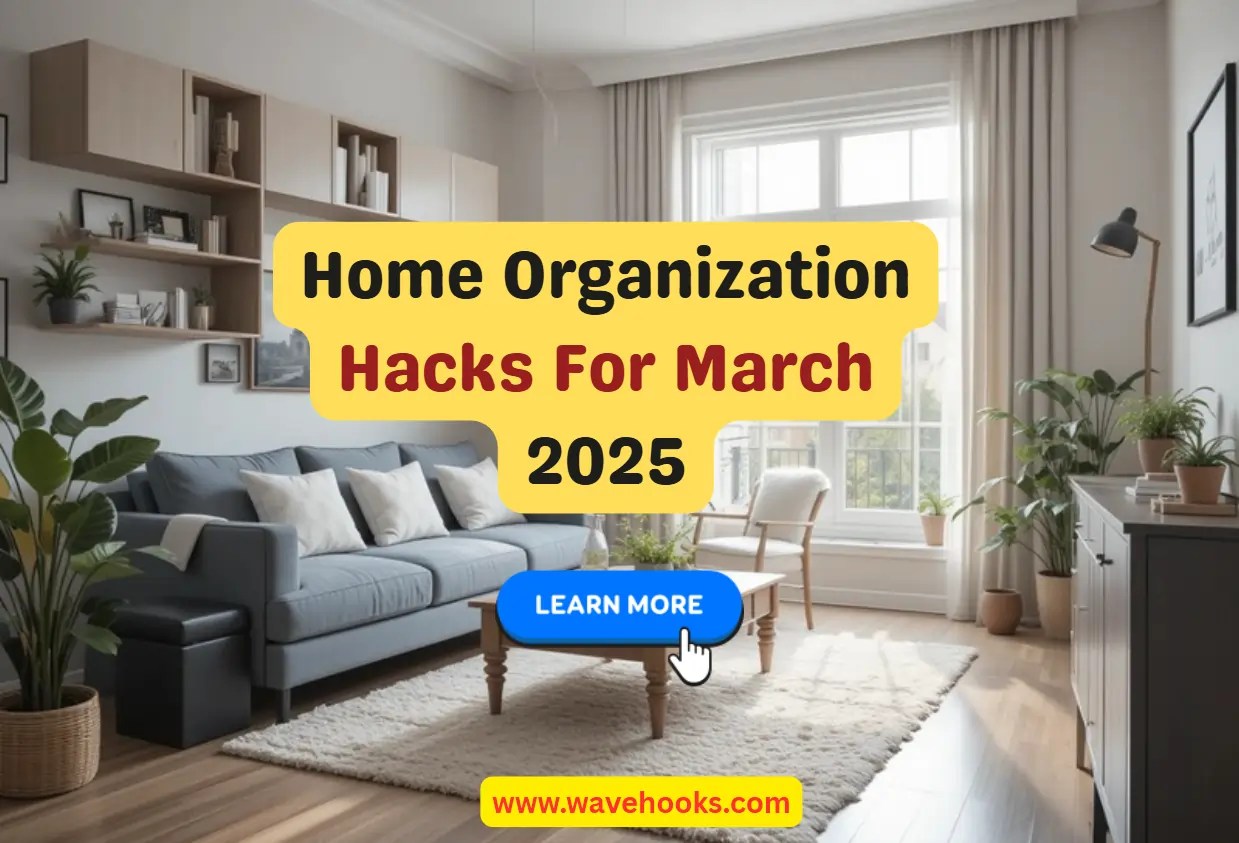
By investing in proven smart home organization tips, you remove the mental load of remembering what needs to be done. Let the technology handle the tracking, so you can focus on the living.
5. Cultivating the Habit Loop
To make these actions automatic, you must anchor them to existing habits. This is the psychological secret to sustainable organization.
- Identify an Anchor: Use a daily trigger, like brewing your morning coffee or shutting down your laptop for the night.
- Attach the Organization Task: Immediately follow that trigger with a 2-minute organization task.
- Reward: Acknowledge the calm environment you’ve created. Your brain will soon crave the “organized feeling” as much as the coffee.
Conclusion: Consistency Over Perfection
Creating automatic home organization habits in 2026 is not about achieving a magazine-perfect home every day. It is about building a system that sustains itself even when life gets busy.
By combining smart digital tools, low-friction physical storage, and consistent daily resets, you create an environment that supports your lifestyle rather than demanding your service. Start small, implement one system at a time, and watch as your home transforms into a stress-free sanctuary.