
In 2026, the digital landscape has evolved to a point where “lag” is a word of the past. Whether you are navigating a complex dashboard on a foldable smartphone or managing multi-window workflows on a high-end workstation, the smoothness of your Smart UI (User Interface) depends heavily on one critical factor: the refresh rate, influencing both visual fluidity and touch responsiveness.
Finding the “sweet spot” for your display isn’t just about picking the highest number. It is about balancing visual fluidity, power efficiency, battery longevity, and hardware capabilities. This guide will walk you through everything you need to know on how to find the best refresh rate for smooth smart UI to optimize your viewing experience for the most responsive interface possible.
What is Refresh Rate and Why Does it Matter for Smart UIs?
The refresh rate, measured in Hertz (Hz), refers to how many times per second your screen updates the image it displays. A 60Hz screen updates 60 times a second, while a 120Hz screen updates 120 times. Understanding how to find the best refresh rate for smooth smart UI is crucial, as for a Smart UI—which often features translucent layers, kinetic scrolling, and complex animations—a higher refresh rate makes every interaction feel instantaneous, minimizing input lag.
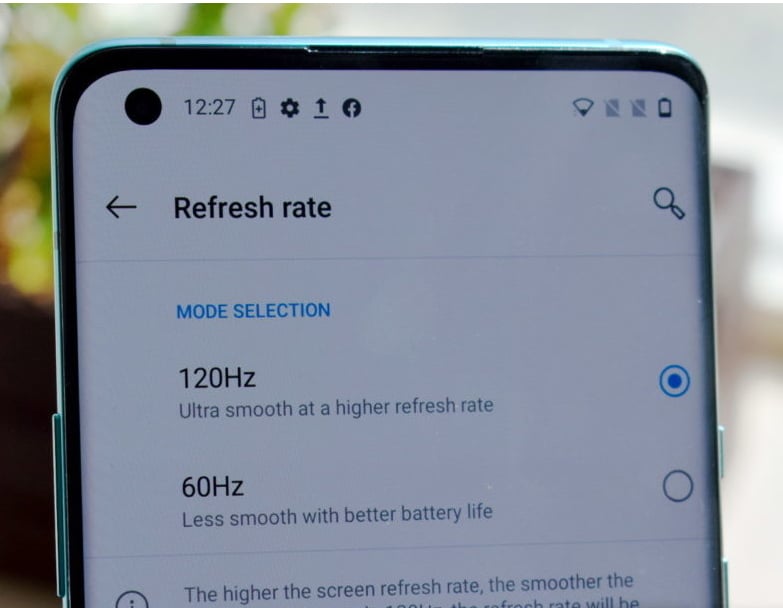
In 2026, we have moved beyond static displays. Modern Smart UIs utilize physics-based animations that require high frame rates and strong GPU performance to look natural. If your refresh rate is too low, you’ll notice “ghosting,” “stuttering,” or even significant motion blur, which breaks the immersion of a premium device.
The 2026 Standard: Understanding the Options
By now, the industry has standardized several tiers of refresh rates. To understand how to find the best refresh rate for smooth smart UI for your needs, you must understand what each tier offers:
60Hz: The legacy standard. It is still used for budget devices or to save battery, but it often feels “choppy” compared to modern standards.
90Hz: Often called the “sweet spot” for mid-range devices, providing a noticeable boost in smoothness over 60Hz without massive power draw.
120Hz: The gold standard for high-end Smart UIs. This is where animations become truly “fluid.”
144Hz to 240Hz+: Primarily reserved for competitive gaming and high-end creative professional monitors.
Leveraging Adaptive Refresh Rate (ARR) in Android 15 and Beyond
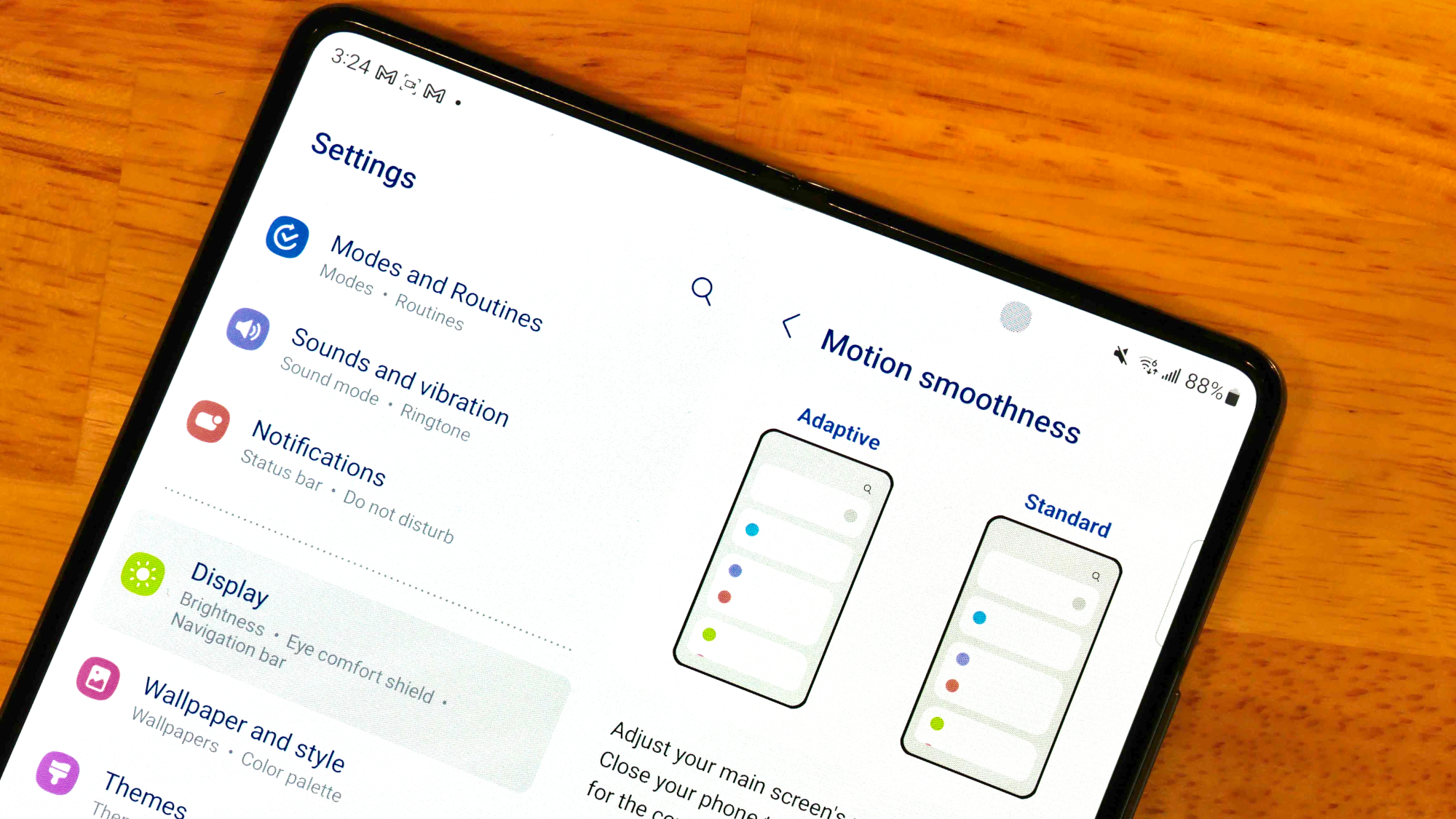
One of the most significant breakthroughs in recent years, greatly assisting users in how to find the best refresh rate for smooth smart UI, is Adaptive Refresh Rate (ARR), a key component of modern Variable Refresh Rate (VRR) technology. Introduced and refined in Android 15, this feature allows the OS to communicate directly with the display hardware to match the refresh rate with the content’s frame rate.
For a smooth Smart UI, you no longer have to choose between 60Hz and 120Hz manually. ARR allows the screen to drop to 1Hz when viewing a static image (saving battery) and instantly ramp up to 120Hz the moment your thumb touches the screen to scroll. This “smart” switching is the key to maintaining a premium feel and excellent power efficiency without draining your battery in three hours.
How to Enable Optimized Refresh Rates on Android
- Open Settings.
- Navigate to Display > Motion Smoothness.
- Select Adaptive or High. In 2026, the “Adaptive” setting is highly recommended as it uses AI to predict your movement patterns.
Optimizing Windows 11 with Dynamic Refresh Rate (DRR)
If you are using a PC or a 2-in-1 laptop, understanding how to find the best refresh rate for smooth smart UI on Windows 11 (and the 2026 updates) means leveraging its Dynamic Refresh Rate (DRR) feature, another form of Variable Refresh Rate (VRR) technology. Similar to Android’s ARR, DRR adjusts the refresh rate based on what you are doing.
When you are typing an email, the system stays at a lower rate. When you start inking with a stylus or scrolling through a high-resolution UI, it jumps to a higher frequency.
Steps to Find the Best Rate on Windows:
Right-click the desktop and select Display Settings.
Go to Advanced Display.
Under Choose a refresh rate, look for the option labeled Dynamic. If your monitor supports it, this is the best setting for a smooth Smart UI.
If “Dynamic” isn’t available, manually select the highest Hz supported by your monitor to ensure the UI remains snappy, which is a key step in how to find the best refresh rate for smooth smart UI.
The Role of LTPO Technology in 2026
When searching for the best refresh rate, and specifically considering how to find the best refresh rate for smooth smart UI, the hardware technology matters as much as the software settings. LTPO (Low-Temperature Polycrystalline Oxide) displays, often found in high-end OLED or Mini-LED panels, are now common in 2026.
LTPO panels are essential for a smooth Smart UI because they allow for seamless transitions between refresh rates. Unlike older LTPS panels that might flicker when changing speeds, LTPO ensures that the jump from 10Hz to 120Hz is invisible to the human eye, maintaining superior visual fidelity and crisp pixel response time. If you are shopping for a new device, always prioritize LTPO 4.0 or 5.0 technology.
Balancing Performance: When to Lower the Refresh Rate
While higher is generally “smoother,” there are times when how to find the best refresh rate for smooth smart UI might actually involve selecting a lower one:
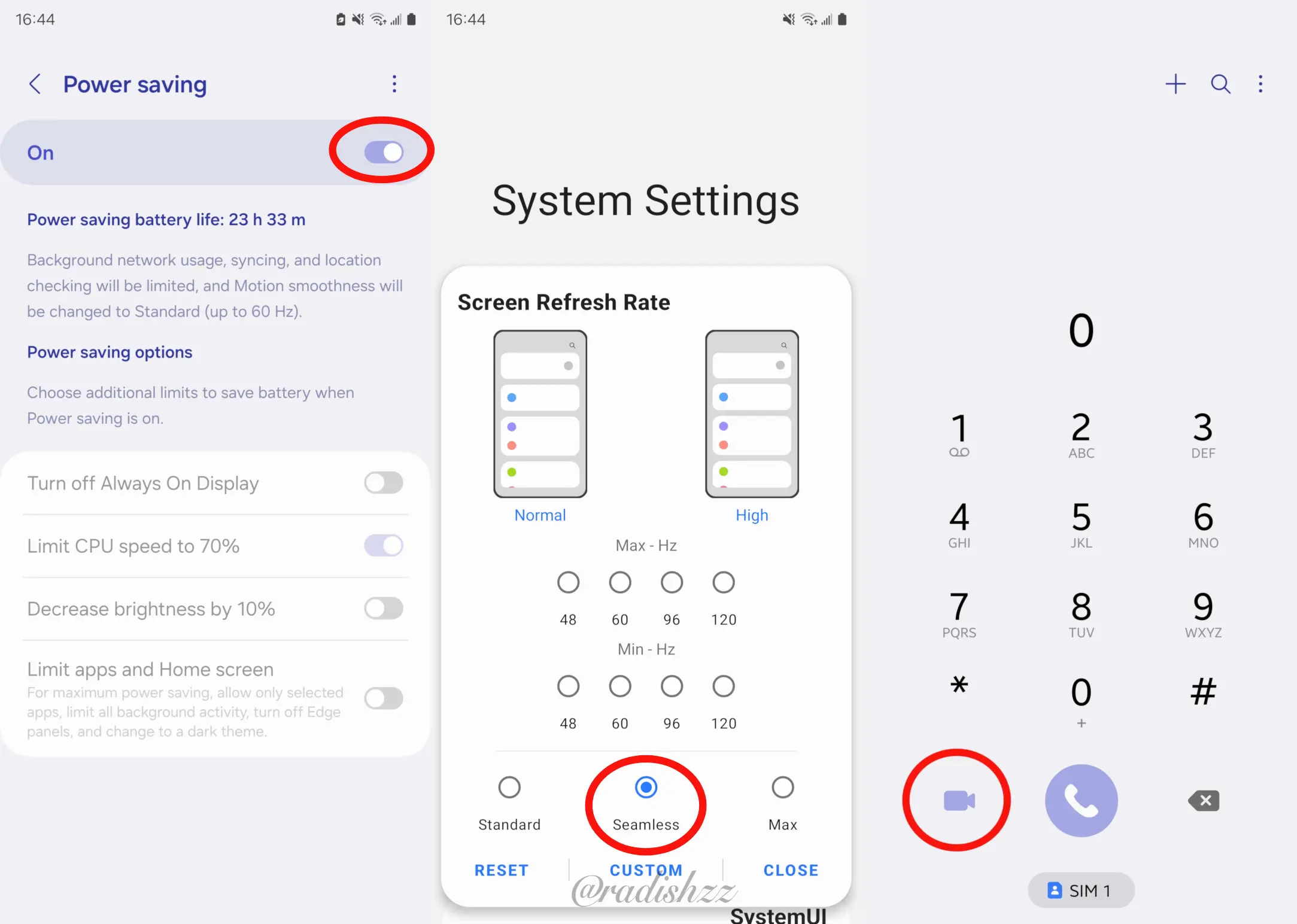
- Extreme Battery Saving: If you are below 15% battery, locking your UI to 60Hz can extend your up-time by up to 20%.
- Thermal Throttling: In hot environments, high refresh rates generate more heat. If your UI starts to lag, lowering the refresh rate can help the processor cool down and regain stability.
- Incompatible Apps: Some older legacy apps might “jitter” at 120Hz. In these rare cases, a static 60Hz setting provides a more consistent (though less fluid) experience.
Expert Tips for a “Butter-Smooth” Experience
To truly understand how to find the best refresh rate for smooth smart UI, keep these expert tips in mind:
Match Frame Rate to Refresh Rate: Ensure your UI animations are not capped by a “Power Saving” mode. Even if your screen is set to 120Hz, if the GPU is restricted, preventing proper frame synchronization, the UI will still look laggy.
Check Your Cable: For desktop users, ensure you are using DisplayPort 2.1 or HDMI 2.1. Older cables often cap the refresh rate at 60Hz regardless of your monitor’s specs.
- Update Your Drivers: Manufacturers frequently release firmware updates that improve how the UI handles variable refresh rates, contributing to overall user experience optimization.
Conclusion: The “Best” is Now Adaptive
In 2026, how to find the best refresh rate for smooth smart UI is less about a single number and more about intelligence, leading to optimal user experience optimization. For the vast majority of users, the Adaptive/Dynamic setting is the superior choice. It provides the 120Hz fluidity we crave for interaction while maintaining the efficiency of 1Hz for static content.
By understanding the synergy between your device’s hardware (LTPO) and its software (Android ARR or Windows DRR), you can ensure your interface remains “butter-smooth” for years to come.