
In a world that constantly demands our attention, money, and energy, the siren call of "more" has become deafening. We are bombarded by advertisements, social media influencers, and the subtle societal pressure to upgrade, accumulate, and display. Yet, as we move through 2026, a significant shift is occurring. More people are discovering that the path to true fulfillment isn't paved with possessions, but rather cleared of the excess that obscures what truly matters.
Minimalism is far more than a design trend or a way to organize your junk drawer. It is a powerful, intentional tool that allows you to strip away the non-essential, providing you with the space to focus on your health, relationships, passions, and growth. It is not about living in a stark, empty white box; it is about filling your life with things that provide genuine value and removing the distractions that steal your time.
What Minimalism Actually Means in 2026
If you search for "minimalism" online, you will likely find two distinct definitions. One refers to the art movement that emerged in the post-World War II era, characterized by geometric shapes and an economy of means. The other—the one we are focusing on—is the modern lifestyle movement.
In 2026, minimalism is defined by intentionality. It is the conscious decision to prioritize your values over your belongings. It isn't a competition to see who can own the fewest items, nor is it a mandate to get rid of everything you love. If you enjoy owning books, having a comfortable home, or pursuing a specific hobby, minimalism simply asks: Does this item add value to my life, or does it demand unnecessary maintenance, energy, and space?
The Myths vs. The Reality
There are many misconceptions about this lifestyle that stop people from even starting. Let’s clear the air:
- Myth: You must live with fewer than 100 things.
- Reality: There is no magic number. Your "enough" is entirely subjective.
- Myth: Minimalism is for the wealthy or the single.
- Reality: Families, professionals, and people from all walks of life utilize these principles to reduce stress and gain financial freedom.
- Myth: It’s about deprivation.
- Reality: It is actually about abundance. By letting go of the excess, you gain an abundance of time, mental clarity, and resources to invest in what you truly care about.
Why Minimalism is Trending in 2026
The surge in popularity of minimalist living isn't accidental. The economic and social climate of the mid-2020s has left many feeling overwhelmed. Constant digital connectivity, the rapid pace of work, and the accumulation of physical clutter have created a collective desire for simplicity.
By adopting a minimalist mindset, you are essentially "decluttering" your life's operating system. When you remove the friction caused by excess, your productivity increases, your anxiety levels typically drop, and your ability to focus on high-priority tasks skyrockets. It is a form of self-care that pays dividends in your mental health and your bank account.
The Pillars of Minimalist Living
To successfully integrate this lifestyle, you need to understand that it manifests in three primary areas: your home, your schedule, and your digital life.
1. Curating Your Physical Space
Your home should be a sanctuary, not a storage unit. The "clutter audit" is a foundational step. Take inventory of your possessions and ask yourself the hard questions. Does this item serve a function? Does it bring me joy? If the answer is no, it is likely just taking up space—both physically and mentally.
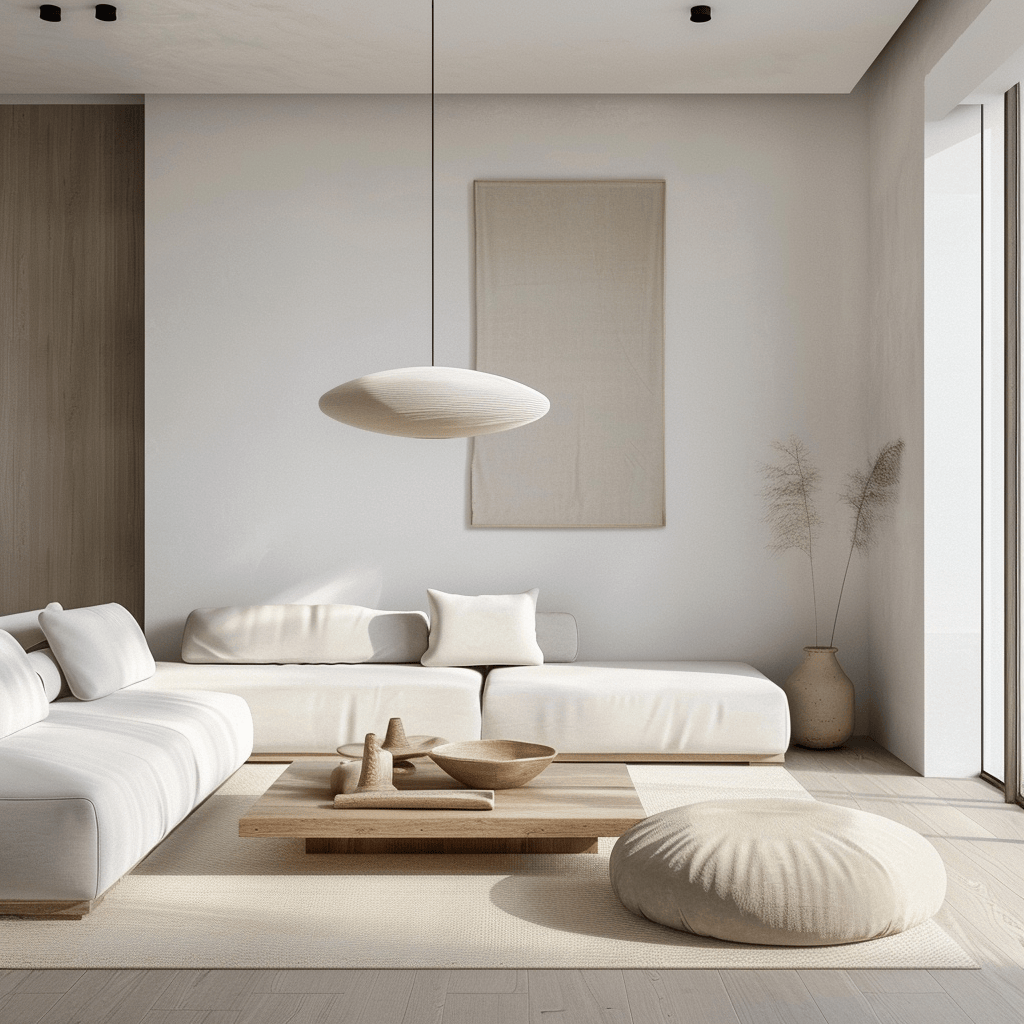
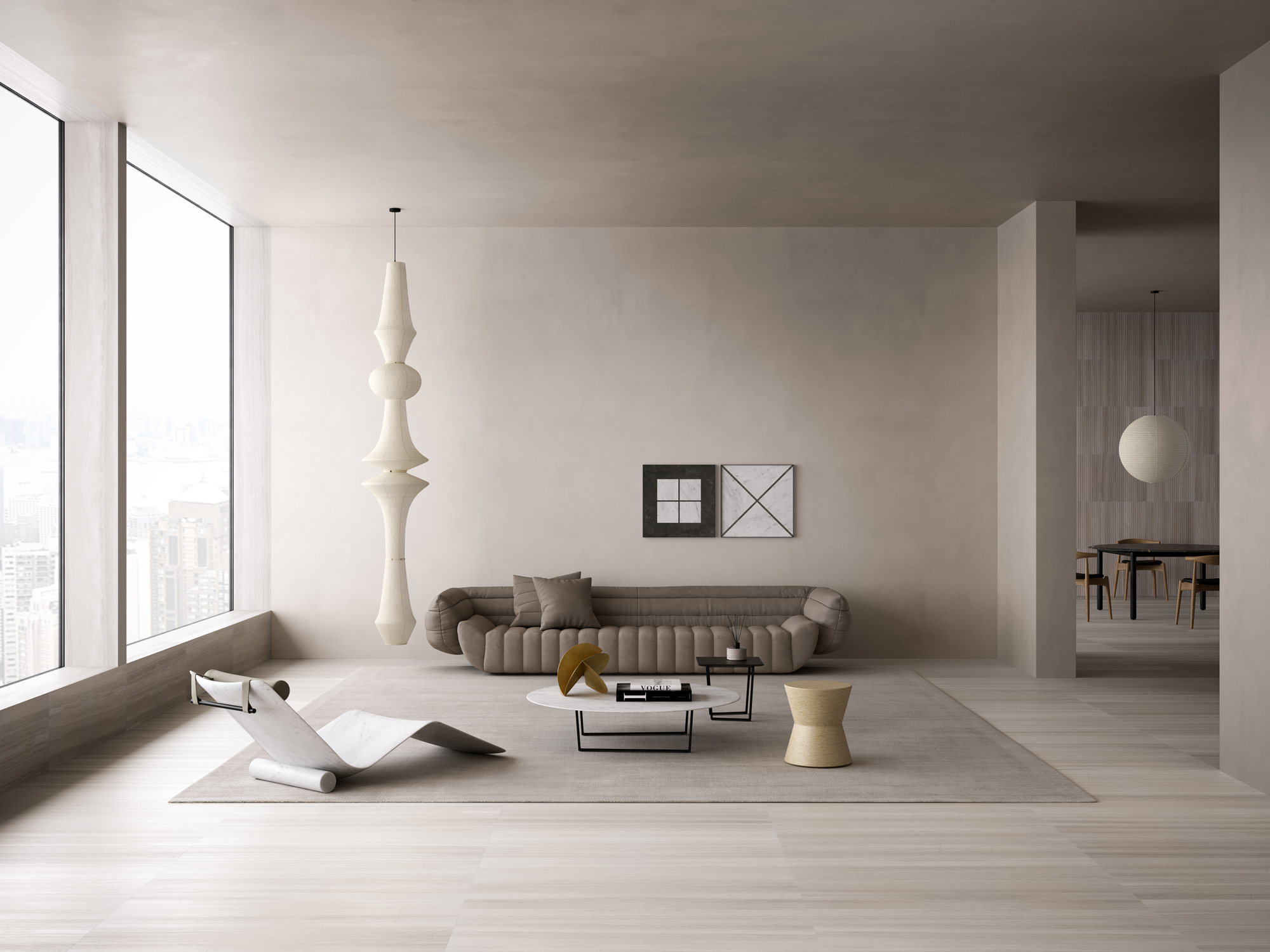
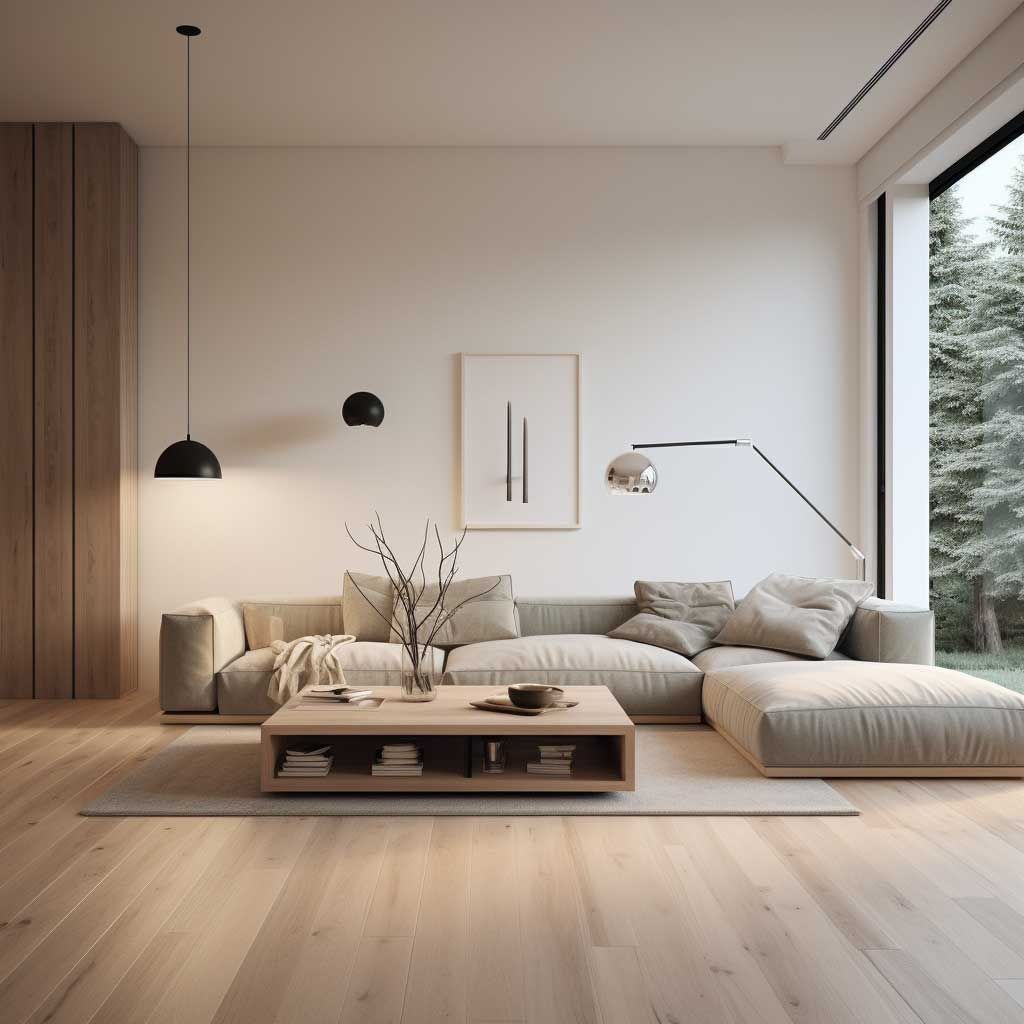
In 2026, the trend has shifted toward "Warm Minimalism." Gone are the days of sterile, cold white spaces. Today’s minimalist home emphasizes natural textures, wood, stone, and neutral, earthy palettes that feel inviting rather than clinical. It’s not about having nothing; it’s about having the right things.
2. Guarding Your Time
Time is your most non-renewable resource. Minimalists are notoriously protective of their calendars. They learn to say "no" to obligations that don't align with their core values. This might mean declining an invitation to an event you don't care about, or automating routine tasks to reclaim hours in your week. Remember, every time you say "yes" to something unimportant, you are saying "no" to something that could have moved the needle in your life.
3. Digital Minimalism
Our screens are the biggest source of "invisible clutter." An overflowing inbox, hundreds of unused apps, and the constant pings of social media are the modern equivalents of a messy room. To practice digital minimalism:
- Unsubscribe from marketing emails that tempt you to spend.
- Organize your digital files to reduce search time.
- Curate your feed to only follow accounts that inspire or educate you.
How to Get Started: A Practical Roadmap
You don't have to change your life overnight. In fact, the most sustainable changes are the ones made incrementally.
Step 1: Define Your "Why"
Why do you want to change? Is it to save money for travel? Is it to spend more time with your children? Is it to reduce the anxiety caused by an overstuffed closet? Write this down. When you feel the urge to impulse-buy, your "why" will be your anchor.
Step 2: The 30-Day Decluttering Challenge
Start small. Every day for 30 days, remove one item, then two, then three, and so on. By the end of the month, you will have removed nearly 500 items from your home. This gamification makes the process less daunting and more achievable.
Step 3: Shift Your Consumption Habits
Before buying anything new, implement a "wait-period." If you see something you want, wait 48 hours. Often, the desire will pass. If you still want it after the wait, evaluate if it fits into your home and your values. This simple habit prevents the cycle of accumulation from restarting.
The Economic and Environmental Impact
Minimalism is arguably one of the most effective personal strategies for financial health. By curbing consumerism, you naturally save more money. This capital can then be redirected toward investments, experiences, or paying off debt.
Furthermore, the environmental impact of choosing "less" cannot be overstated. A minimalist lifestyle is inherently more sustainable. By consuming less, we reduce the demand for mass-produced goods, lower our carbon footprint, and minimize the waste that ends up in landfills. Being a minimalist is a silent vote for a more sustainable planet.
Challenges You Might Face
While the benefits are clear, the journey isn't always easy. You may encounter resistance from friends or family members who don't understand your choices. You might also struggle with "sentimental clutter"—items that have no practical use but hold emotional weight.
Pro-tip: Take a photo of sentimental items. The memory is stored in your brain, not in the object itself. If you find yourself struggling with the social aspect, remember that you don't have to announce your lifestyle. Just live it. Lead by example, and others will eventually notice your increased happiness and peace of mind.
Frequently Asked Questions
Is minimalism just about having a tiny house?
Absolutely not. Minimalism is a state of mind. You can practice it in a mansion or a studio apartment. It’s about the intent behind your possessions, not the square footage of your residence.
How do I handle gifts or items from family?
This is a common hurdle. You can be grateful for the sentiment without keeping the object. If an item doesn't serve you, donate it or gift it to someone who will truly use it. The gift was the gesture, not the physical object itself.
Can I be a minimalist and still have hobbies?
Yes! Minimalism is designed to support your hobbies. By removing the things you don't care about, you actually free up more time and money to invest in the hobbies you love.
What if my partner isn't a minimalist?
Lead by example, not by force. You can only control your own space and habits. If you start decluttering your own things, they may eventually see the benefit and join you, but it must be their choice.
Does it get easier?
Yes. The more you practice, the more intuitive it becomes. Eventually, you will find that you don't even want to bring new clutter into your home because you’ve become accustomed to the peace that comes with space.
The Future of Minimalism (2026 and Beyond)
As we look toward the future, the movement is evolving. We are seeing a shift away from the "all or nothing" approach. The 2026 minimalist is more focused on quality over quantity and sustainability over aesthetics. We are moving toward a culture that values repair, reuse, and long-term ownership.
The goal for the coming years isn't to reach a state of perfection, but to maintain a state of awareness. Life changes, and our needs change with it. Minimalism is a cycle of assessing, letting go, and refocusing. It is a tool for life, not a destination.
Conclusion
Minimalism is not a rigid set of rules; it is a flexible, liberating philosophy that helps you navigate the complexities of 2026. By choosing to own less, you are choosing to experience more. You are choosing to invest in your relationships, your personal growth, and the quiet moments that make life worth living.
Start today. Pick one drawer, one shelf, or one digital folder. Clear the noise, and notice how much easier it is to hear your own voice again. When you stop managing your stuff, you finally have the time to manage your life.
References
- The Minimalists — What Is Minimalism? A Guide to Finding Freedom and Intentionality, 2026
- Becoming Minimalist — Owning Less, Living More: A Strategy for Purposeful Living
- Christie’s Auction House — A Guide to the Ideas, Artists, and Legacy of Minimalism, 2026
- Balance Through Simplicity — The Beginner’s Guide to the Minimalist Lifestyle, 2026
- Minimalism Made Simple — 35 Practical Tips for Beginners to Declutter and Simplify
- Design Expert Journals — The 2026 Complete Guide to Minimalist Interior Design Trends