For years, the personal development industry has been captivated by concepts like “habit stacking” and the sheer force of willpower. While these approaches have their merits, a more profound and enduring paradigm has emerged for navigating the complexities of modern life: the shift from isolated habits to integrated habits systems. As we accelerate through 2026 and beyond, relying solely on individual bursts of motivation proves increasingly unsustainable.
When you depend on raw willpower or fleeting inspiration, your progress becomes vulnerable to the inevitable chaos of life. Personal habits, no matter how well-intentioned, are often the first casualties when stress mounts or schedules derail. In stark contrast, habits systems are engineered for resilience and automation. By proactively designing your environment and refining your processes, you effectively remove the need for constant decision-making and reduce cognitive load, making your journey toward success not just possible, but virtually inevitable.
The Core Difference: Why Standalone Habits Fail and Integrated Systems Win
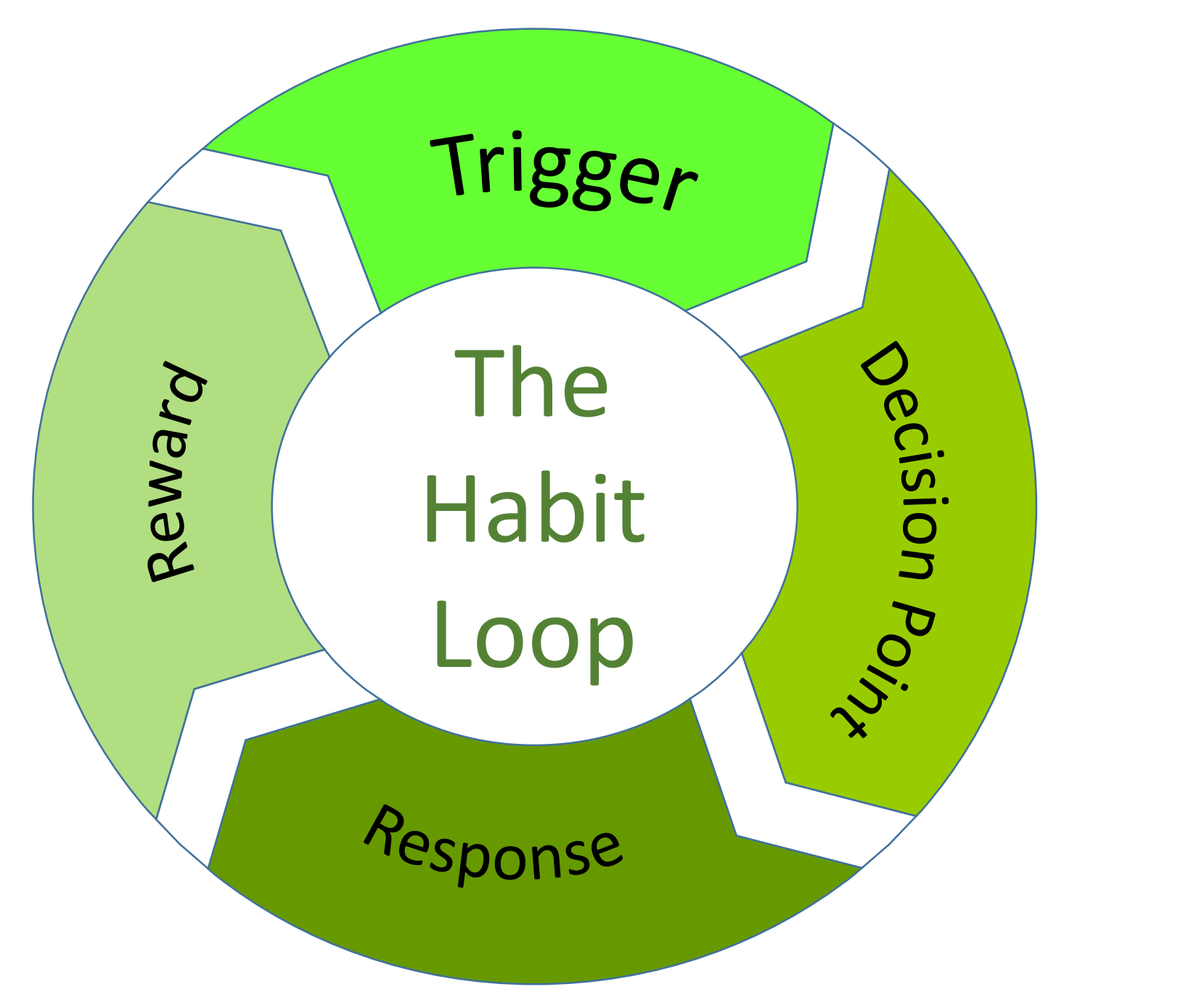
Understanding the fundamental distinction between a simple habit and a comprehensive system is crucial. A habit is typically defined as a single, automated action performed repeatedly, often triggered by a specific cue and relying heavily on internal discipline. Examples include “I will meditate for 10 minutes” or “I will write 500 words.” While valuable, these individual actions can crumble under pressure if not supported by a larger framework.
A system, on the other hand, is a holistic collection of interconnected processes, tools, and environmental designs specifically crafted to achieve a desired, overarching result. It’s about building a supportive infrastructure around your aspirations. Think of it this way:
The Habit Approach: “I will go to the gym every morning.” This relies on you waking up, feeling motivated, and making a series of micro-decisions to get there.
The Systems Approach: “I will set out my workout clothes and shoes the night before, pack my gym bag with a pre-workout snack and water, schedule my most important work meetings around a 7:00 AM session, and have my favorite podcast ready to play on the drive.” This comprehensive habits system proactively eliminates friction, minimizes decision fatigue, and creates a clear pathway to execution.
When you embrace habits systems, you stop asking the draining question, “Do I feel like doing this today?” Instead, you simply follow the established protocol. This fundamental shift moves the focus from unpredictable, willpower-dependent efforts to consistent, repeatable actions that generate powerful, long-term compounding results. It’s a strategic move from hoping for success to architecting it.
The 4 simple steps to reach your goals: the power of systems – NextFewSteps
The Holy Trinity: Habits, Routines, and Rituals in Your Systems
To construct a life that operates on a high-performance autopilot, you need to master the interplay of three fundamental pillars: habits, routines, and rituals. These are not merely buzzwords; they are the architectural components of robust habits systems that drive sustained progress and personal growth.
Habits (The Atoms of Action)
Habits are the smallest, most fundamental units within your larger habits systems. They are the individual, automated responses to specific cues, often operating below the level of conscious thought. In the current era, the most successful individuals are those who have effectively “automated” their small, high-leverage actions. These might include:
Automatically checking your budget app weekly.
Clearing your email inbox to zero at the end of each workday.
Taking a five-minute stretching break every hour.
The power of habits lies in their efficiency. They free up valuable cognitive energy, reducing the mental load required for daily tasks. By embedding these “micro-wins” into your processes, you build a strong foundation for more complex behaviors.
Routines (The Sequences of Flow)
A routine is a series of habits performed in a specific, often sequential, order. Routines create momentum and a sense of flow, making it easier to transition from one task to the next without expending extra mental effort. By chaining your habits together, you leverage the psychological principle of “task completion,” where finishing one step naturally propels you to the next.
Consider a well-designed morning routine within your habits systems:
Drink a large glass of water immediately upon waking (habit).
Engage in 10 minutes of meditation (habit).
Review your top three priorities for the day (habit).
Transition directly into your most important deep work task (habit).
This sequence creates a powerful “flow state” that carries you through your day, ensuring your most critical tasks receive your peak energy and attention. It transforms a collection of individual actions into a cohesive, productive experience.
Rituals (The Intentionality and Meaning)
Rituals are routines infused with deeper meaning, intention, and often a sense of reverence. They serve as psychological anchors for your habits systems, connecting your daily actions to your long-term vision and values. Rituals provide a moment of pause, reflection, and reinforcement, ensuring your systems remain aligned with your core purpose.
Examples of powerful rituals include:
The Pre-Work Coffee Ritual: Not just making coffee, but using the time to mentally prepare, review goals, and set a positive intention for the workday.
The Weekly Sunday Review: A dedicated time to assess progress, plan the upcoming week, and realign with personal and professional objectives. This ritual ensures your systems are adaptive and responsive.
The Evening Wind-Down Ritual: A sequence of activities like reading, journaling, or light stretching that signals to your body and mind that it’s time to rest, improving sleep quality and preparing you for the next day’s system execution.
Rituals provide emotional and psychological fuel, making your habits systems more resilient and sustainable, especially during challenging times. They transform mere compliance into meaningful engagement.
Book Summary: Atomic Habits (Oct, 2022) | WizBuskOut
How to Engineer Your Environment for Robust Habits Systems
The true secret to building powerful habits systems, rather than just isolated habits, lies in mastering environmental design. If you aim to reduce your reliance on willpower, you must proactively shape your surroundings to make the desired choice the easiest, most obvious, and even unavoidable option. This is often referred to as “choice architecture,” where your environment guides your behavior.
Remove Friction for Desired Actions
Make it incredibly easy to do the things you want to do. The fewer steps or mental hurdles between you and your desired action, the more likely you are to perform it. This principle is fundamental to effective habits systems.
For Writing More: Keep your laptop open to your writing document, disable all distracting notifications, and activate distraction-blocking software before you even sit down. Consider using a dedicated “writing zone” in your home.
For Healthy Eating: Pre-chop vegetables and store them at eye level in your fridge. Keep healthy snacks readily accessible on your counter. Remove unhealthy temptations from your pantry.
For Exercise: Lay out your workout clothes the night before. Keep your gym bag packed by the door. Schedule classes in advance, making a financial commitment.
Add Friction for Undesired Actions
Conversely, make it inconvenient and effortful to engage in behaviors you want to reduce or eliminate. This intentional friction is a powerful component of self-control within your habits systems.
For Reducing Social Media Use: Delete social media apps from your phone’s home screen, or even from your phone entirely. Use app-limiting software that requires a complex passcode. Place your phone in another room while working.
For Impulse Spending: Unsubscribe from marketing emails. Remove your credit card details from online shopping sites. Use cash for discretionary purchases.
For Procrastination: Block access to distracting websites during work hours. Set up “commitment devices” where you face a small penalty if you don’t complete a task by a deadline.
Utilize Visual Cues and Reminders
Our brains are highly responsive to visual stimuli. Integrating visual cues into your environment can serve as powerful triggers and accountability mechanisms for your habits systems.
Physical Reminders: Use a whiteboard to display your daily priorities or track your progress. Place a sticky note with an affirmation on your monitor. Keep a water bottle on your desk as a reminder to hydrate.
Digital Prompts: Set calendar reminders for recurring tasks. Use project management software to visualize progress and upcoming deadlines. Implement a digital habit tracker that gives you immediate feedback.
Public Accountability: Share your goals or system intentions with a trusted friend or mentor. Knowing someone is aware of your efforts can provide an extra layer of motivation and commitment.
By meticulously manipulating your physical and digital space, you are essentially “programming” yourself for success. You transform from a person who constantly struggles to be disciplined into a person whose environment inherently enforces and supports discipline, making your habits systems the engine of your progress.
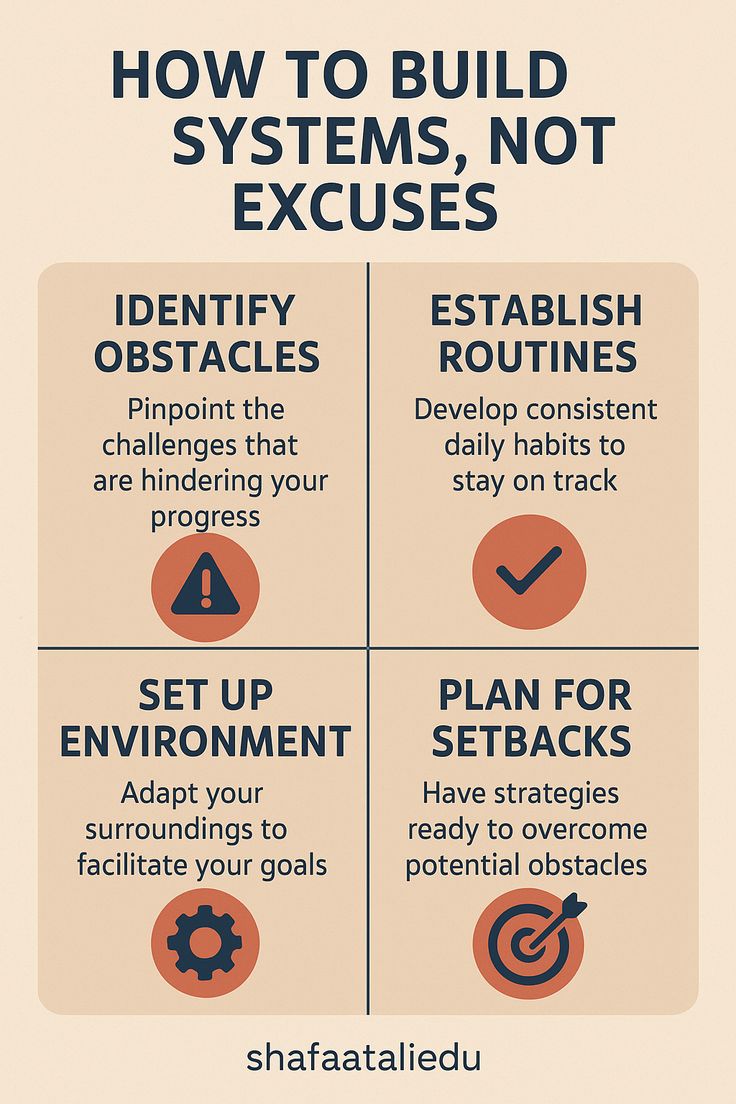
How to Build Systems, Not Excuses in 2025 | Learning websites, Work …
Why Systems Are Essential for 2026 Productivity and Beyond
In the modern digital landscape, the volume of information, demands, and distractions we navigate is at an unprecedented high. Relying on sheer “habit power” or fluctuating motivation is simply no longer sufficient to manage the inherent complexity of contemporary work and life. This is precisely why robust habits systems are not just advantageous, but absolutely essential for sustained productivity and well-being.
Scaling Output and Impact
Habits systems allow you to scale your output and impact in ways individual habits cannot. Whether you are a solopreneur managing multiple projects, a student balancing academics and personal life, or a high-level executive leading diverse teams, building systematic approaches for your life means your goals become the natural byproduct of your well-designed processes. You don’t just aim to “lose 10 pounds”; you aim to consistently maintain a system of nutrient-dense meal prepping, regular activity scheduling, and mindful eating. The outcome is then a natural consequence of the system’s execution.
Reducing Cognitive Load and Decision Fatigue
The human brain has a finite capacity for making high-quality decisions each day. Every choice, no matter how small, consumes mental energy. By automating behaviors through well-structured habits systems, you significantly reduce decision fatigue. This frees up your cognitive resources for more complex problem-solving, creative thinking, and strategic planning, enhancing overall mental clarity and performance.
Building Resilience Against Life’s Unpredictability
Life is inherently unpredictable. Illness, unexpected deadlines, personal crises – these challenges can easily derail a habit-centric approach. However, a well-constructed habits system provides a buffer. Because the environment and processes are doing the heavy lifting, the system is more likely to endure even when your personal motivation or energy levels dip. It’s about designing for consistency, not just intensity.
Fostering Continuous Improvement and Adaptability
Effective habits systems are not static; they incorporate feedback loops and opportunities for review and refinement. Through rituals like weekly reviews, you can assess what’s working, identify bottlenecks, and make iterative adjustments. This allows your systems to evolve with your needs and goals, ensuring they remain relevant and optimized for your growth over time. It transforms personal development into an ongoing, data-driven process.
When you shift your focus from merely chasing goals to diligently executing and refining your habits systems, you effectively remove the anxiety of the “long road ahead.” You simply show up, engage with the established process, and allow the system to do the heavy lifting, leading to a more consistent, less stressful, and ultimately more successful life.
Conclusion: Start Building Your Habits Systems Today
The transition from a mere habit-builder to a sophisticated systems-engineer marks a significant leap in personal development maturity. It requires moving beyond the allure of quick “hacks” or temporary “shortcuts” and instead embracing a strategic mindset focused on structuring your daily life for maximum efficiency, well-being, and sustained progress.
Remember this fundamental truth: Discipline is not an inherent trait you are born with; it is an environment you consciously build and nurture. By diligently implementing comprehensive habits systems, robust routines, and meaningful rituals, you construct a resilient framework that supports your growth and propels you forward, even when you are tired, stressed, or feeling uninspired. Stop relying on your fleeting motivation and start architecting the enduring structure of your success today. The future you desire is not found in a single habit, but in the intelligent design of your entire operational system.