
In the fast-paced landscape of 2026, the desire for self-improvement often hits a wall of reality. Many of us start the year with ambitious goals, only to find ourselves burnt out by February. The truth is, building sustainable habits is not about willpower or intensity; it is about creating a system that works with your life, not against it. By shifting your focus from drastic overhauls to micro-habits, you can achieve lasting change without the crushing weight of overwhelm.
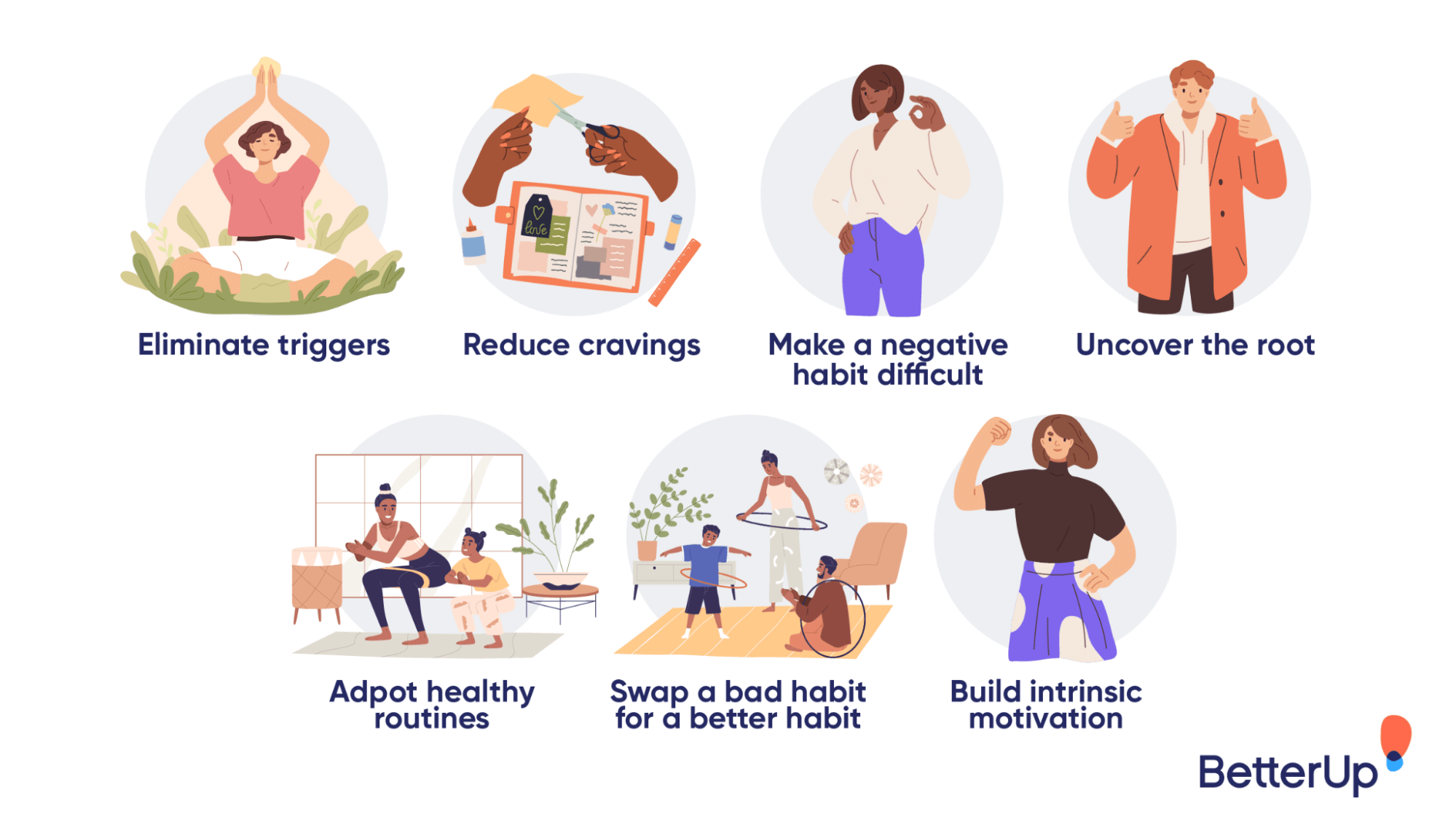
Why Most Habit Changes Fail (And How to Fix It)
We often fail because we attempt to change too much at once. When you try to overhaul your diet, exercise routine, and sleep schedule simultaneously, your brain perceives this as a threat, leading to stress and eventual burnout. Effective habit formation requires a shift in mindset: prioritize consistency over perfection.
- Avoid All-or-Nothing Thinking: Missing a single day is not a failure; it is a part of the process.
- Focus on Systems: Relying on motivation is a trap. Design a routine that makes the "right" choice the easiest one.
- Start with One Habit: Trying to build five new habits simultaneously competes for your limited mental energy. Focus on one until it becomes automatic.
The Power of Tiny Habits and Micro-Progress
The most effective way to prevent overwhelm is to make your habits so small they feel ridiculous. If you want to start exercising, don't commit to an hour in the gym. Commit to 5 minutes of stretching or a short walk around the block. By lowering the barrier to entry, you remove the resistance that usually keeps us from starting.
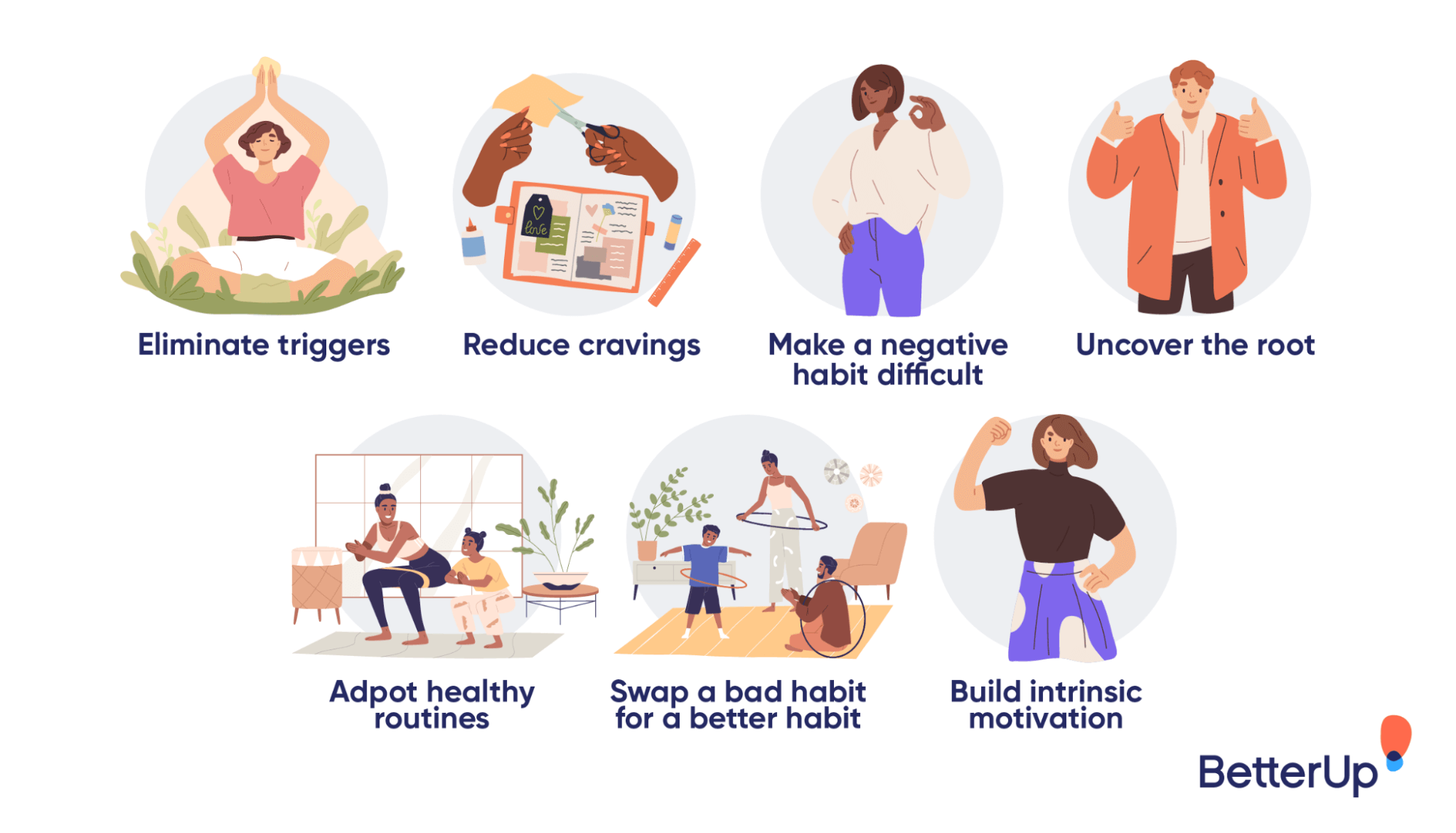
The 1% Better Rule
Small improvements compound significantly over time. Aiming for 1% daily progress is far more sustainable than aiming for a 100% transformation in a week. This approach builds momentum and reinforces the neural pathways needed to make a behavior feel like a natural part of your day.
Start with Micro-Goals
- Read more? Read one page per day.
- Exercise? Do two push-ups daily.
- Eat healthier? Pre-cut veggies so they are ready to eat.
Mastering Habit Stacking for Seamless Integration
Habit stacking is a proven strategy that leverages your existing routines to anchor new behaviors. By attaching a new habit to something you already do—like brushing your teeth or making your morning coffee—you eliminate the need for extra mental effort.
For example, if you want to start a daily gratitude practice, try doing it immediately after you pour your first cup of coffee. Because the coffee-making routine is already deeply ingrained, your brain will automatically trigger the association with your new, positive habit.

Removing Friction to Make Habits Stick
If you want to build a better habit, you must remove the obstacles that stand in your way. Friction is the enemy of consistency. If you want to run in the morning, lay out your workout clothes the night before. If you want to drink more water, keep a full bottle on your desk.
Strategic Environment Design
- Reduce Decision Fatigue: Plan your habits in advance so you don't have to decide when or how to do them.
- Use Available Tools: Leverage a morning routine app or a simple physical notebook to track your progress.
- Celebrate Small Wins: Acknowledge your progress every day. This creates positive reinforcement and keeps your motivation high during the early, fragile stages of habit formation.
Setting Realistic Goals in 2026
Vague intentions like "I want to get healthy" rarely lead to results because they are impossible to measure. Instead, set clear, specific, and realistic goals. If a goal does not fit into your current lifestyle, it will eventually become a source of stress rather than growth.
Ask yourself: "Is this habit achievable even on my busiest, most low-energy day?" If the answer is no, scale it down further. Success is built on the foundation of small, consistent wins that accumulate into a better life.
The Role of Tracking in Sustaining Momentum
Tracking your progress is not just about keeping a scorecard; it is a psychological tool that provides immediate feedback on your efforts Source 3. When you document your actions, you transform abstract intentions into concrete data, which helps reinforce your commitment. Seeing a streak of successful days creates a visual representation of progress that serves as a powerful motivator, especially during moments when enthusiasm begins to wane.
Why Tracking Reduces Mental Load
- Externalizes Memory: You no longer need to use mental energy to remember if you completed a task; your tracking system holds that information for you.
- Identifies Patterns: You can quickly see which days or situations lead to missed habits, allowing you to troubleshoot your environment rather than blaming your willpower.
- Provides a Reward Loop: Checking off a box releases small amounts of dopamine, rewarding your brain for consistent action and making the habit more likely to repeat Source 4.
Choosing the Right Tracking Tool
Not every habit requires a complex app or a fancy planner. The best tracking method is the one you actually use. If you are tech-savvy, a morning routine app can provide notifications and automated reminders that keep your schedule on track. Conversely, if you prefer analog methods, a simple wall calendar or a dedicated notebook is often more effective because it removes the temptation to check notifications or social media feeds while you are logging your progress.
Overcoming the "Failure" Stigma
One of the biggest hurdles in habit formation is the internal narrative we create when we miss a day. Many people view a missed workout or a skipped reading session as a sign that they are incapable of change Source 3. This "all-or-nothing" mentality is a primary driver of burnout. To build better habits without feeling overwhelmed, you must decouple your identity from your streaks.
The Two-Day Rule
A highly effective strategy for maintaining consistency is the "Two-Day Rule." This rule states that you should never miss your habit two days in a row. Missing once is an accident; missing twice is the start of a new, negative habit. By allowing yourself a single grace day, you remove the guilt associated with imperfection and ensure that you return to your routine before it has a chance to erode Source 1.
Reframing Setbacks
- View Mistakes as Data: Instead of criticizing yourself, analyze why the habit was missed. Was it a scheduling conflict? A lack of energy? A poor environment?
- Focus on the Return: The most important part of building a habit is not the streak itself, but your ability to jump back into the routine after a disruption.
- Minimize the Impact: If you can’t do your full 15-minute workout, do two minutes. Keeping the chain alive—even if the quality is lower than usual—is far superior to breaking it entirely.
Leveraging Social Accountability to Stay Consistent
Building habits in isolation is difficult, especially when the demands of 2026 pull your attention in a dozen different directions. Bringing a social element into your routine can provide the necessary external pressure to keep you showing up, even when your internal drive is low. This doesn't mean you need to announce every goal to the world; rather, it means finding a "habit partner" or a community that shares your focus on sustainable growth.
Finding the Right Support System
- Accountability Buddies: Partner with a friend who has a similar goal. A quick text at the end of the day confirming your habit completion can be a powerful incentive.
- Online Communities: Join forums or groups dedicated to specific habits. Sharing your progress with others who are on the same journey provides a sense of belonging and mutual encouragement Source 4.
- Professional Coaching: If a habit is particularly difficult to build, a coach or mentor can provide the structure and feedback necessary to overcome early roadblocks.
The Psychology of Shared Effort
When you share your habits with others, you are more likely to stay committed because you are no longer just answering to yourself. This social contract leverages our natural desire to maintain consistency in the eyes of peers. However, ensure that your support system is encouraging rather than judgmental. The goal is to create a space that fosters long-term growth rather than one that relies on guilt or competition.
Analyzing Your Environment for Habit Triggers
Your environment is the silent architect of your behavior. In 2026, most of our environments are designed to distract us, from the constant ping of notifications to the layout of our workspaces. If you want to build better habits, you must intentionally design your surroundings to act as behavioral cues. By manipulating your physical and digital space, you can make the "right" behavior the path of least resistance.
Designing Cues for Success
- Visual Prompts: Place physical reminders of your habits in your line of sight. If you want to practice mindfulness, keep a meditation cushion in the middle of your floor rather than tucked away in a closet.
- Digital Hygiene: Use "Do Not Disturb" modes during your designated habit-building times to eliminate digital friction.
- The "Reset" Strategy: Spend five minutes at the end of every day preparing your environment for the next morning. This ensures that you aren't fighting clutter or missing equipment when you wake up.
Identifying Hidden Obstacles
Often, we don't realize how much our environment fights against our goals. If you find yourself consistently failing to stick to a habit, look for the "friction points" in your daily flow. Perhaps your gym bag is hidden in the bottom of a locker, or your healthy snacks are obscured behind processed foods in the pantry. By identifying and removing these minor barriers, you make it significantly easier to perform the desired action without having to rely on raw willpower.
The Science of Habit Loops and Neural Pathways
Understanding the mechanics of how habits are formed can help you approach the process with more patience and less self-criticism. Every habit follows a specific loop: Cue, Routine, and Reward Source 4. When you understand this cycle, you can manipulate each stage to make new behaviors stick. The "Cue" is the trigger that initiates the habit; the "Routine" is the behavior itself; and the "Reward" is the satisfaction you gain afterward.
Optimizing the Habit Loop
- Strengthening the Cue: Make your triggers as obvious as possible. Instead of "I'll exercise when I have time," use "When I change into my lounge clothes, I will do 10 squats."
- Refining the Routine: Keep the action simple enough to be completed in under two minutes. This prevents the brain from perceiving the task as a high-effort demand.
- Maximizing the Reward: Ensure the reward is immediate and satisfying. It could be as simple as a mental "well done," a checkmark on a physical calendar, or enjoying a specific beverage immediately after finishing your task.
Why Neural Pathways Matter
Consistency reinforces neural pathways, which is why repetition is the most critical element of habit formation. Every time you repeat a behavior, the connection between the cue and the response becomes stronger. Eventually, the action requires less cognitive load, moving from a conscious choice to an automatic response. This transition is where true productivity resides, as your brain effectively "automates" your best habits so you can save your energy for more complex decision-making.
Managing Energy, Not Just Time
A common mistake in 2026 is treating every hour of the day as having equal value. We often try to schedule difficult habits during our lowest energy periods, which sets us up for failure. To build habits without feeling overwhelmed, you must align your most demanding tasks with your natural energy peaks. If you are a morning person, don't schedule your most difficult habit for 8:00 PM when your cognitive resources are depleted.
Identifying Your Chronotype
- Morning Peaks: Use this time for habits that require high focus, such as learning a new skill or deep work.
- Afternoon Dips: Schedule low-intensity habits, such as light tidying, administrative tasks, or routine check-ins, during these periods.
- Evening Wind-downs: Focus on restorative habits, like journaling, reading, or preparing for the next day.
Adapting Habits to Energy Fluctuations
Even the best-planned routines will encounter days where you are exhausted or stressed. Instead of forcing a high-intensity routine, have a "minimum viable habit" ready. If you normally run for 30 minutes, your low-energy version might just be a 5-minute walk. This keeps the neural pathway active without contributing to the feeling of overwhelm that often causes people to abandon their goals entirely.
The Importance of Rest and Recovery in Habit Building
In the pursuit of self-improvement, we often view rest as a luxury or even a sign of laziness. However, recovery is an essential component of the habit-building process. Without adequate downtime, your physical and mental capacity to maintain new behaviors decreases, leading to the very burnout you are trying to avoid. True sustainable growth requires a balance between the effort of building new habits and the stillness required to integrate them into your identity.
Integrating Restful Habits
- Active Recovery: Incorporate restorative habits like stretching, breathing exercises, or simply sitting in silence for a few minutes each day.
- Scheduled Breaks: Treat your downtime as a non-negotiable part of your schedule. Just as you track your progress, you should track your rest to ensure you aren't overextending.
- The Power of "Doing Nothing": Allow yourself time to disconnect from digital devices and external expectations. This helps reset your nervous system and provides the clarity needed to stay focused on your long-term objectives.
Preventing Burnout Through Moderation
Remember that habit building is a marathon, not a sprint. If you find yourself dreading your daily routine, it is a clear sign that you need to scale back. Adjusting your goals is not a sign of weakness; it is a sign of self-awareness. By maintaining a sustainable pace, you ensure that you are still practicing these habits months and years from now, rather than flaming out in a matter of weeks.
Cultivating a Growth Mindset for Long-Term Success
The final piece of the habit-building puzzle is your underlying belief system. If you approach habit formation with a fixed mindset—believing that you are simply "not a disciplined person"—you will constantly struggle against your own self-doubt. Adopting a growth mindset, where you view every habit as an experiment and every failure as a learning opportunity, will significantly reduce the feeling of being overwhelmed.
Shift Your Narrative
- From "I have to" to "I get to": Reframing your habits as opportunities for self-care rather than chores changes your emotional response to them.
- Focus on the Process: Celebrate the fact that you are the type of person who shows up, regardless of the outcome. The identity shift is more important than the specific result of the habit.
- Embrace Imperfection: Acknowledge that the "perfect" routine is a myth. The best routine is the one that is flexible enough to survive the unpredictability of daily life.
Continuous Improvement
By focusing on tiny, manageable changes, you are training your brain to become more resilient. Each small win contributes to a larger architecture of success that feels natural rather than forced. As you move through 2026, keep your focus on the 1% daily improvements that compound into significant life transformations. You are not just building habits; you are building a more capable, resilient version of yourself, one small step at a time.
Navigating the "Valley of Disappointment"
When you begin a new habit, the results are rarely instantaneous. This period, often called the "Valley of Disappointment," is where most people quit because they expect a linear return on their effort. They work hard for two weeks, see no massive shift in their health or productivity, and assume the strategy is flawed Source 1. Understanding that progress is non-linear allows you to stay the course when the initial excitement fades and the reality of the daily grind sets in.
Why Early Efforts Feel Fruitless
- The Latent Period: Much like a bamboo shoot that spends years growing its root system before shooting upward, your habits are building internal capacity long before they manifest as external results.
- The Expectation Gap: Your brain is wired to seek immediate gratification. When your environment doesn't reward your new behavior instantly, you experience a dopamine drop that feels like failure.
- The Plateau Effect: There are periods where you will feel like you are putting in the work without moving forward; these are often the moments where your brain is actually undergoing the most significant structural changes.
Reframing the Wait
Instead of measuring success by the end goal, measure it by your adherence to the system. Did you show up today? That is a win. By shifting your metric from "Have I reached my goal?" to "Did I follow my protocol?", you decouple your self-worth from external outcomes. This makes the "Valley of Disappointment" much easier to navigate because your satisfaction comes from the completion of the habit, not the elusive destination Source 2.
Using "Temptation Bundling" to Increase Adherence
Temptation bundling is a psychological strategy that pairs a behavior you need to do with a behavior you want to do. This creates a powerful incentive to engage in the habit, as the "pain" of the task is immediately offset by the "pleasure" of the reward. This method is particularly effective for habits that feel like chores, such as organizing your workspace or completing repetitive administrative tasks Source 3.
How to Implement Temptation Bundling
- Identify Your Pairings: List one habit that is high-effort but high-reward (e.g., listening to a specific podcast) and pair it with a low-pleasure task (e.g., folding laundry or tidying your desk).
- Strict Constraints: Only allow yourself the "want" activity while performing the "need" activity. If you only listen to your favorite audiobook while exercising, you will eventually begin to associate the workout with the joy of the story.
- Gradual Decoupling: Once the habit becomes automatic, you may no longer need the bundle, but keep it in your toolkit for those days when your internal drive is particularly low.
Managing the "All-or-Nothing" Trap with "Half-Habits"
The "all-or-nothing" mentality is the silent killer of consistency. Many of us believe that if we cannot perform a habit to our own high standards, we shouldn't do it at all. If you cannot go to the gym for an hour, you skip it. If you cannot write for 30 minutes, you don't pick up the pen. This rigid approach makes habits fragile; the moment life gets in the way, your routine collapses Source 4. The solution is the "Half-Habit" or "Minimum Viable Habit."
The Logic of the Half-Habit
- Preserving the Streak: The act of "showing up" is more important than the intensity of the performance. Even on your worst day, doing one minute of a habit keeps the neural pathway firing.
- Lowering the Threshold: By setting a "minimum" that is ridiculously easy, you remove the excuse of not having enough time or energy.
- Psychological Momentum: Often, the hardest part of any habit is starting. By committing to the "Half-Habit," you frequently find that once you begin, you have enough energy to do more than the minimum.
Examples of Scaling Down
- Full Habit: Meditate for 20 minutes. Half-Habit: Take three deep, conscious breaths.
- Full Habit: Write 500 words. Half-Habit: Write one sentence.
- Full Habit: Practice guitar for an hour. Half-Habit: Pick up the guitar and strum for 30 seconds.
Identifying Your "Keystone Habits"
Not all habits are created equal. Some habits, known as "keystone habits," have a ripple effect, triggering a chain reaction of other positive changes in your life. When you focus your limited energy on these specific behaviors, you get a higher return on your investment. For example, regular exercise often leads to better sleep, which in turn leads to improved dietary choices and higher focus at work Source 1.
Finding Your Personal Keystone
- Look for the Domino Effect: Which habit, if maintained consistently, makes every other part of your day easier?
- Audit Your Day: Track your energy and mood for a week. Notice which activities consistently leave you feeling more capable and less overwhelmed.
- Prioritize the Foundation: If you are struggling with many habits at once, strip everything away and focus solely on the one habit that acts as the anchor for the others.
The Role of "Identity-Based Habits"
The deepest level of habit change is not about what you want to achieve, but who you want to become. Most people focus on outcome-based habits: "I want to run a marathon." Identity-based habits focus on the change in self-perception: "I am a runner." When your habits become a reflection of your identity, you no longer have to exert willpower to maintain them; you simply act in alignment with who you believe yourself to be Source 2.
Transforming Identity Through Action
- Small Proofs: Every time you perform your small, daily habit, you are casting a vote for the type of person you are becoming.
- Changing the Narrative: Stop saying "I'm trying to quit sugar" and start saying "I am not someone who eats sugar." The shift in language changes how you process choices.
- Alignment Check: Before you engage in a habit, ask yourself: "Would a person who values health do this?" This simple check helps you build a self-image that naturally gravitates toward positive outcomes.
Leveraging "Implementation Intentions" to Avoid Decision Fatigue
Decision fatigue occurs when you have to choose when and where to act, which drains your mental battery before the habit even begins. Implementation intentions are simple "If-Then" plans that pre-decide your actions, removing the need for real-time willpower Source 4. By deciding your response to specific situations in advance, you automate your decision-making process.
Crafting Your If-Then Scenarios
- Anticipate Friction: Identify the moments when you are most likely to skip your habit.
- Pre-Commit to Action: "If it is 6:00 PM and I feel tired, then I will put on my running shoes and walk for five minutes."
- Define the Trigger: The "If" should be a specific time, place, or existing event. The "Then" should be the tiny, manageable action you have already committed to.
Using "Environment Cues" to Bypass Willpower
Willpower is a finite resource that fluctuates throughout the day. Instead of relying on it, design your environment to do the heavy lifting for you. By making your desired habits "obvious" and your undesired habits "invisible," you shift the burden from your brain to your surroundings Source 1.
Designing for Visibility
- Make it Obvious: If you want to drink more water, place a full carafe on your nightstand. If you want to journal, leave your notebook open on your pillow.
- Make it Invisible: If you want to reduce screen time, keep your phone in a drawer during your work hours. If you want to eat healthier, don't buy the snacks that distract you.
- The "Reset" Protocol: Build a habit of resetting your environment at the end of the day. A clean workspace in the morning acts as a cue that it is time to focus, whereas a cluttered desk can trigger feelings of overwhelm before you even start.
Understanding the "Dopamine Loop" and Habit Rewards
The reward phase of the habit loop is what keeps the behavior alive. If a habit provides no immediate satisfaction, your brain will struggle to prioritize it. The trick is to find ways to "reward" your brain without relying on unhealthy crutches. This is often called the "instant gratification hack" Source 3.
Creating Healthy Reward Loops
- The Check-Off Effect: Physically marking an "X" on a calendar provides a visual reward that triggers a small dopamine release.
- The "Treat" Strategy: Give yourself a small, non-destructive reward immediately after completing a difficult task. This could be a cup of herbal tea, five minutes of listening to music, or even just saying "well done" to yourself.
- Tracking the Feeling: Don't just track the action; track the feeling you have after the action. Writing down "I feel energized" after a workout makes that positive association stronger for the next time.
The Power of "Habit Maintenance" During Life Transitions
Life is unpredictable, and even the most dedicated person will face periods where their routine is completely upended—vacations, illnesses, or professional crises. The goal is not to have a "perfect" streak, but to have a plan for "maintenance." When you cannot perform your full habit, you must have a "maintenance version" that keeps the habit alive until the chaos passes Source 4.
Strategies for High-Disruption Periods
- Identify the "Minimums": Know your absolute minimum effort for every habit. If you can't hit the gym for 30 minutes, can you do three minutes of bodyweight exercise?
- Focus on Presence: Even if you can't do the full activity, spend one minute thinking about the habit or performing a tiny, symbolic version of it. This prevents the "out of sight, out of mind" phenomenon.
- Planning for the Return: Have a "reset day" planned for when the disruption ends. This takes the pressure off the transition and helps you get back to your baseline quickly without feeling like you’ve "failed."
Cultivating "Quiet Consistency"
In the digital age, there is a tendency to perform our habits for an audience—sharing workout streaks on social media or broadcasting our productivity gains. While this can provide initial motivation, it often shifts the focus from internal growth to external validation. "Quiet consistency"—practicing your habits without the need for external recognition—is the most sustainable path to long-term success Source 2.
Why Quiet Consistency Works
- Internal Locus of Control: When your motivation comes from within, you are immune to the ups and downs of social media engagement.
- Authentic Growth: You are building habits for your life, not for your profile. This keeps the focus on what actually works for you rather than what looks good to others.
- Reducing Performance Anxiety: You don't have to worry about "keeping up appearances." If you have an imperfect day, you don't feel the need to hide it or overcompensate.
Developing a "Long-Game" Perspective
Building better habits without feeling overwhelmed requires a radical patience that contradicts the "hustle culture" of 2026. The most successful people are not those who made the most dramatic changes overnight, but those who were still showing up three years later. By focusing on the compounding nature of small actions, you can stop stressing about the immediate future and start trusting the process Source 1.
The Compound Effect in Action
- Day 1 to Day 30: You are building the foundation. The struggle is high, and the results are invisible.
- Day 31 to Day 90: The habit begins to feel automatic. You start to notice subtle shifts in your energy and mood.
- Day 91 and Beyond: The habit is now part of your identity. You no longer have to "decide" to do it; you simply do it. This is where your life begins to transform in ways you couldn't have predicted at the start.
The Art of Letting Go
As you progress, you will realize that some habits no longer serve the person you are becoming. Part of the process is knowing when to drop a habit that has become stagnant. This isn't failure; it is refinement. By constantly auditing your routines to ensure they align with your current values and goals, you stay in control of your growth without ever feeling burdened by outdated expectations Source 3.
References
-
Tellinginsights — How to Build Productive Habits Without Overwhelming Yourself, 2026
-
Medium — How to Build Good Habits Without Feeling Overwhelmed, 2026
-
Onetwoguru — How to Build Better Habits Without Feeling Overwhelmed, 2026
-
Thelifeswap — How To Build Better Habits Without Overwhelm, 2026
-
Livorablog — How to Build Better Daily Habits Without Feeling Overwhelmed., 2026
-
Gotobetter — How to Build Habits That Stick — No Guilt, No Apps, No Hype, 2026
-
Scienceofpeople — How to Slowly Build Good Habits (The Ultimate Guide), 2026
-
Thebrainbrewery — How to Build Consistent Habits Without Burnout, 2026