
Life in 2026 can feel like a constant balancing act. Between the demands of a high-speed digital world, family responsibilities, and the pressure to maintain a perfectly organized home, it is easy to feel like your days are running away from you. The secret to regaining control isn't found in a dramatic life overhaul, but in the small, consistent daily habits that simplify your routine.
When you focus on micro-adjustments, you reduce your cognitive load and create space for the things that truly matter. By automating simple tasks and refining how you spend your first and last hours of the day, you can transform your home into a sanctuary of calm rather than a source of stress. Implementing efficient routines and learning to streamline daily tasks are key to this transformation.
Quick-Start Guide: Habits for an Easier Life
If you feel overwhelmed, don't try to change everything at once. Start with these high-impact, low-effort habits:
- The Power Hour: Dedicate 60 minutes when your energy is highest to your most critical tasks. This is a core time management strategy.
- The Night-Before Rule: Lay out your clothes and prep your environment the evening before to reduce morning decision fatigue.
- Ongoing To-Do Lists: Get tasks out of your head and onto paper or a digital app immediately to reduce mental clutter.
- The Five-Minute Reset: Spend five minutes decluttering a single surface or room to maintain a sense of order.
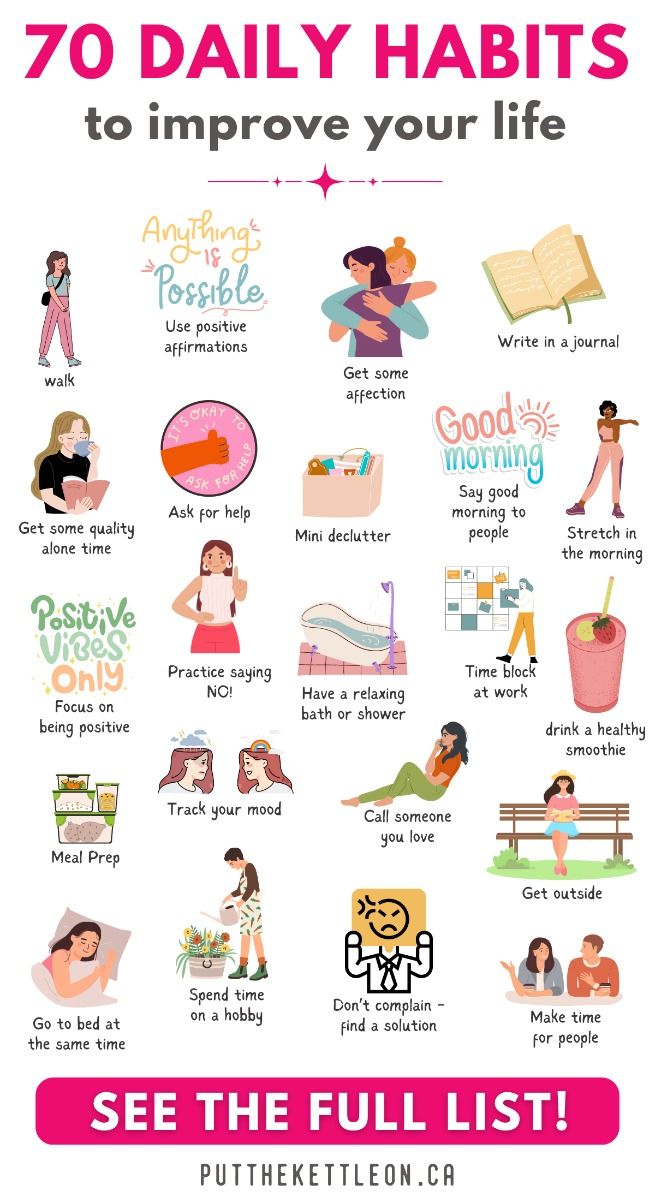
Mastering Your Morning Routine for Maximum Productivity
How you start your day has a profound impact on your energy, focus, and overall sense of control. In 2026, the best morning habits are those that prevent you from running on autopilot. By creating a structured first hour, you set a positive tone that carries through until evening, contributing to a better work-life balance.
Rise Early and Consistent
Sticking to a consistent wake time is one of the most effective ways to train your body. When you wake up at the same time daily, you make it significantly easier to get out of bed without hitting snooze. Rising early, especially before the rest of the house is awake, allows you to enjoy the peace and quiet of the morning. This quiet time is essential for mental preparation and physical grounding.
The Digital Fast
Resist the urge to check your phone for the first 30 minutes of your day. By avoiding emails, social media, and news alerts, you protect your "mental real estate." Give your mind the space to form its own thoughts before the world begins dictating your emotional weather. Use this time instead for journaling, stretching, or simply sipping coffee in silence. This practice is a crucial form of digital detox.
Hydration and Natural Light
Your body loses significant hydration while you sleep. Drinking a full glass of water first thing in the morning is a foundational habit that kickstarts your metabolism and brain function. Furthermore, stepping outside within the first hour of waking helps reset your body clock. Exposure to natural light regulates your sleep-wake cycle and provides an immediate mood boost.
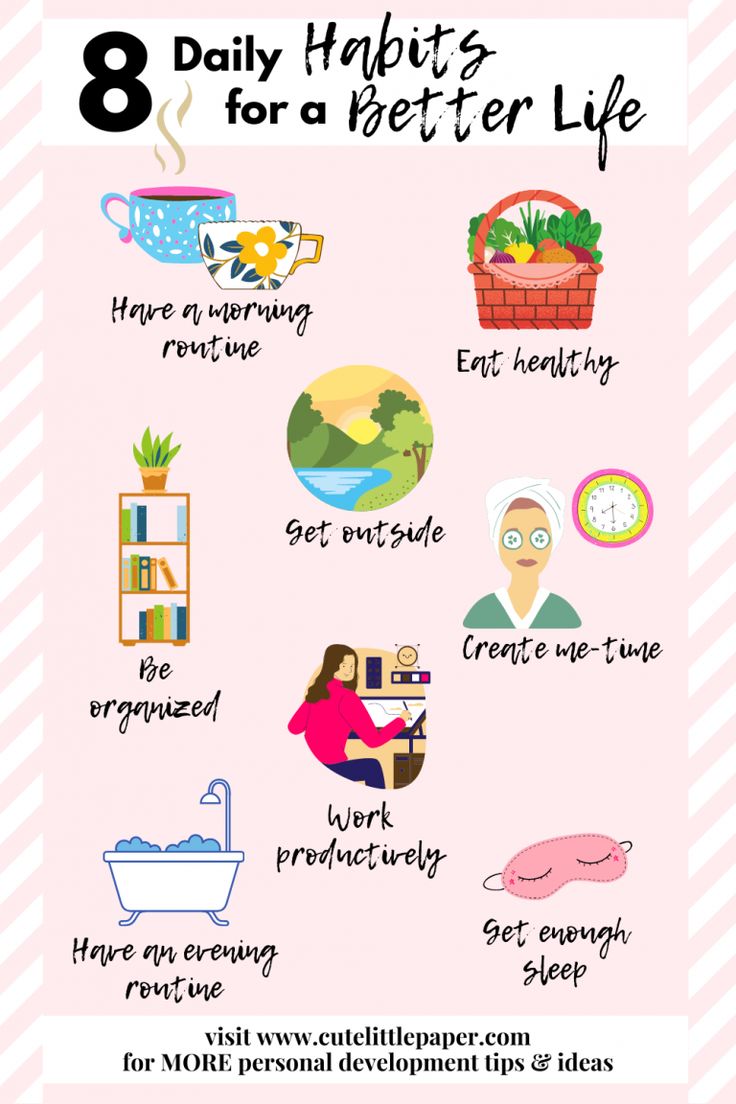
Creating a Calm and Organized Home Environment
A cluttered home often leads to a cluttered mind. You don’t need a massive cleaning project to make your living space feel more manageable. Instead, focus on small, recurring actions that prevent mess from accumulating in the first place. Developing a reliable home management system is key.
The Power of Small Decluttering
You don’t need to attack your entire house at once to see results. Try dedicating 10–15 minutes daily to decluttering a specific zone—like a desk drawer, a kitchen counter, or a bookshelf. When your physical space is organized, you will find it significantly easier to focus, relax, and feel capable of handling your daily responsibilities.
The Two-Minute Rule
If a task takes less than two minutes, do it immediately. Whether it’s hanging up a coat, washing a coffee mug, or filing a piece of mail, this habit prevents small chores from piling up into a mountain of work. By addressing these tasks as they arise, you keep your home environment functioning smoothly without needing a "cleaning day" that consumes your weekend.
Evening Prep for Morning Ease
One of the most effective habits for reducing morning stress is laying out your clothes the night before. This simple act minimizes decision fatigue and allows you to move through your morning with intent. Additionally, take a moment to tidy your main living area before bed. Waking up to a clean, reset room provides an immediate sense of accomplishment and sets a positive trajectory for the rest of your day.
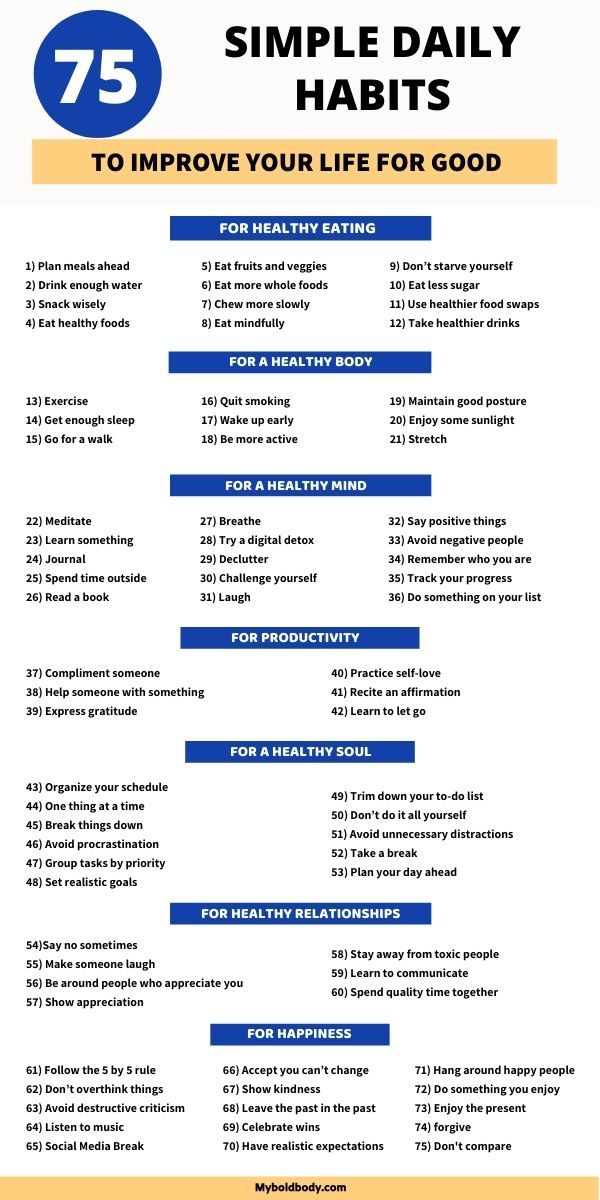
Mental Clarity and Emotional Wellbeing Habits
True wellbeing is not about doing more; it is about doing things that nourish your mind and spirit. When your daily life feels overwhelming, integrating habits that foster emotional balance can make a world of difference. These are essential stress reduction techniques.
The Art of Gratitude
Writing down five things you are grateful for each day is a powerful way to shift your focus from what is lacking to what you possess. This practice, often done via a gratitude journal, has been shown to improve mood and change how you interact with others. It helps you reflect on the positive aspects of life, making daily challenges seem less insurmountable.
Mindfulness and Deep Breathing
Taking even a few minutes to meditate, pray, or practice deep breathing can drastically lower stress levels. These moments of stillness bring a sense of peace that acts as an anchor during busy days. When you prioritize filling your "soul" before jumping into the noise of your schedule, you maintain a level of positivity and calm that is otherwise difficult to achieve. This is a core component of mindful living.
Setting Boundaries and Saying No
Sometimes, the best habit for a simpler life is the habit of saying "no." In an era of hyper-individualism and perfectionism, we often feel pressured to do everything alone. Remember that you do not have to meet impossible standards. Delegate chores to family members, ask friends for help with deadlines, and prioritize your energy for the tasks that align with your personal goals.
Nurturing Relationships Through Small Daily Intentions
Your home is not just a structure of walls and furniture; it is the center of your most significant relationships. It is easy to let the "business" of life—schedules, chores, and digital distractions—overshadow the people you live with. By introducing simple, intentional habits into your daily flow, you can strengthen these bonds and create a home environment that feels supportive rather than transactional.
The Magic Question
One of the most transformative habits for any partnership is asking what many call the “magic question” Source 1. At the end of each day, ask your spouse or family members: "What can I do to make your day tomorrow feel a little bit easier?"
- Remove friction: This question identifies immediate stressors, such as an early meeting or an overwhelming to-do list.
- Show active support: By taking one small task off their plate, you demonstrate care in a concrete, actionable way.
- Build mutual appreciation: This reciprocal habit fosters a culture of teamwork rather than competition over who is "busier."
The Digital Sunset
In 2026, the temptation to stay glued to devices, even while sitting on the sofa with a loved one, is at an all-time high. Establishing a "digital sunset"—a specific time, perhaps one hour before bed, when screens are turned off—can reclaim your evening. Use this time to engage in conversation, read together, or simply enjoy a quiet space without the glare of blue light. This habit signals to your brain that the day’s work is done and that your attention is now fully available for the people who matter most. It’s another aspect of a valuable digital detox.
Shared Rituals for Connection
Consistency in connection does not require grand gestures. Small, repeating rituals become the glue that holds a household together. Whether it is enjoying a cup of tea together before the house wakes up or taking a ten-minute walk after dinner, these anchors provide a sense of stability. When these moments are non-negotiable, they become a fallback for communication even during the most hectic weeks.
Lifestyle Habits to Support Your Physical Wellbeing
You cannot pour from an empty cup. If your body is constantly running on fumes, your home environment will naturally feel more chaotic. Integrating physical habits into your daily routine is not about "fitness" in the traditional sense; it is about maintaining the energy required to handle your responsibilities with grace.
Nightly Stretching for Decompression
Physical tension often accumulates in the shoulders, neck, and lower back throughout the day. A five-minute nightly stretching routine acts as a physical release valve. By consciously stretching before bed, you signal to your nervous system that it is time to move from "doing" mode to "resting" mode Source 1. This simple habit can lead to better sleep quality and less physical soreness the following morning.
Movement as a Natural Energy Booster
You don’t need a gym membership to stay active. Look for opportunities to incorporate "movement snacks" into your day. This might involve:
- Doing a quick set of squats while waiting for the kettle to boil.
- Taking the stairs instead of the elevator if you work from home in a multi-story house.
- Stretching your legs during every phone call to keep blood flowing.
Oral Hygiene and Self-Care Consistency
It sounds trivial, but consistency in basic self-care—like flossing daily and following a skincare routine—acts as a grounding anchor for your self-worth. When you treat your body with respect through small, daily habits, you reinforce the idea that you are a priority Source 3. These small acts of hygiene are low-friction but provide a sense of order that translates into other areas of your life.
Managing Finances and Career Goals from Home
The state of your home environment often reflects your internal state regarding your finances and professional life. When these areas feel unmanaged, they leak stress into your personal time. By building habits that simplify your "back-office" tasks, you can prevent money and career stress from invading your sanctuary. This is crucial for maintaining a healthy work-life balance.
The Daily Financial "Check-In"
Avoid the "ostrich effect" of ignoring your bank account until a bill is overdue. Spend two minutes each day checking your transactions and scanning your upcoming calendar.
- Prevent surprises: Knowing exactly what bills are due or what major expenses are approaching reduces financial anxiety.
- Build awareness: Small, daily awareness of your spending habits makes it easier to align your purchases with your values.
- Reduce clutter: Dealing with a paper bill or an email invoice the moment it arrives prevents a pile-up of "to-do" items on your desk.
The "Eat the Frog" Productivity Habit
For your career or home projects, tackle your most difficult or "dreaded" task first thing in the morning Source 3. This concept, often called "eating the frog," acknowledges that your willpower is a finite resource. By handling the hardest task early, you eliminate the mental weight of procrastinating it throughout the day. The satisfaction of completion will provide a dopamine hit that fuels the rest of your afternoon.
Dedicated Workspace Resets
If you work from home, the boundary between "office" and "living space" can become dangerously thin. At the end of every workday, perform a mandatory workspace reset. Clear your desk, close all browser tabs, and organize your physical files. This "closing ceremony" helps your brain effectively switch off from professional mode, allowing you to be fully present for your family and personal time.
Developing Habits That Actually Stick
The most common reason people fail at new habits is not a lack of willpower, but a lack of strategy. Building a new, simpler life requires you to approach habit formation like a project manager rather than a dreamer. The goal is to create sustainable habits that last.
Start With the Minimum Viable Habit
If you want to start journaling, don't commit to writing a page a day. Commit to writing one sentence. If you want to start exercising, commit to five minutes. The goal of the first week is not performance; it is habit installation. Once the action is automatic, you can increase the intensity. By making the hurdle impossibly low, you eliminate the excuse of "I don't have time."
Leverage Habit Stacking
Habit stacking is the process of attaching a new habit to an existing one. For example:
- "After I pour my morning coffee, I will write down three things I am grateful for."
- "After I brush my teeth at night, I will do one minute of stretching."
- "Before I sit down to watch TV, I will tidy one surface in the living room."
By anchoring a new behavior to an established, automatic one, you bypass the need for significant cognitive effort. You are essentially piggybacking on your brain's existing wiring.
Use a Visual Tracker
There is profound psychological power in checking a box. Whether you use a paper habit tracker or a digital app, the act of recording your consistency provides a sense of progress Source 3. Seeing a streak of "wins" creates a momentum that makes it harder to quit. When life inevitably disrupts your routine, the tracker serves as a reminder to get back on track immediately rather than spiraling into abandonment.
The 7-Day Challenge Method
If you are feeling overwhelmed, stop looking at the year ahead. Pick just one habit from this entire guide and commit to it for seven days. Notice what changes in your mood, your home environment, and your stress levels. Often, the positive reinforcement you feel after just one week is enough to inspire the next change. You don't need to reinvent your life overnight; you just need to improve it by 1% each day Source 2.
Overcoming Common Obstacles to Habit Success
Even with the best intentions, you will encounter days where everything falls apart. A sick child, a long work meeting, or simply a bad night's sleep can derail your best-laid plans. Understanding how to handle these setbacks is what separates those who build lasting habits from those who give up.
The "Never Miss Twice" Rule
Life will happen, and you will eventually miss a day. That is not a failure; that is life. However, the habit is lost when you miss two days in a row. The "never miss twice" rule ensures that a single bad day doesn't turn into a permanent lapse. If you miss your morning routine today, prioritize it twice as hard tomorrow. This mindset shift prevents the "all-or-nothing" thinking that causes most people to abandon their goals.
Adjusting for Seasonality
Your habits in the summer, when the days are long and the house is full of activity, should look different than your habits in the winter, when you need more rest and introspection. Don't be afraid to pivot your routines based on the season of your life. If you are in a high-stress period at work, scale back your "Power Hour" to a "Power 15 Minutes." The goal is consistency of action, not consistency of volume.
Auditing Your Environment
Sometimes, a habit is hard to maintain because your environment is actively working against you. If you want to eat healthier, don't keep snacks on the counter. If you want to read more, put a book on your pillow. If you want to stop checking your phone, keep it in a different room. You can significantly increase your success rate simply by changing the "friction" of your surroundings. Make the good habits easy to reach and the bad habits hard to access.
Cultivating a Mindset of Intentional Living
At the heart of all these habits is a shift in mindset: moving from reactive living to intentional living. We often spend our days responding to the pings of our phones, the demands of our inbox, and the clutter on our counters. By reclaiming these small moments, you are declaring that your life belongs to you, not to the external pressures surrounding you. This journey leads to significant personal growth.
The Power of "Enough"
One of the most liberating realizations is that "good enough" is often the perfect goal. We live in a culture that pushes for optimization and extreme productivity, but true home happiness often comes from knowing when to stop. Once the house is clean enough, once the work is caught up enough, and once you have invested enough in your wellbeing, grant yourself permission to rest.
Reflecting on Your "Why"
Whenever a habit feels like a chore, take a moment to reconnect with your "why." Are you waking up early to get more work done, or to give yourself the gift of silence? Are you decluttering to impress guests, or to create a space where you can finally breathe? When you anchor your habits in a deeper purpose, they cease to be just another task on your list—they become the tools that build the life you actually want to live.
Celebrating Small Wins
We are often quick to criticize ourselves for what we haven't done, but we rarely pause to acknowledge what we have achieved. Did you manage to keep the kitchen sink clean for three days this week? Did you successfully avoid your phone for ten minutes this morning? These are wins. Acknowledging these moments of success releases dopamine, which reinforces the behavior and makes it more likely you will repeat it tomorrow.
Practical Daily Anchors for the Modern Home
To make this transition easier, consider organizing your day into "anchors." Think of these as immovable objects in your schedule that hold the rest of your tasks in place. By standardizing these points, you create a framework that automatically organizes the rest of your time.
The Morning Anchor: The First 60 Minutes
This is your "me" time. Whether it’s 5:00 AM or 7:00 AM, the first hour of your day should be dedicated to preparation.
- Hydrate: Before caffeine, drink water to wake up your organs.
- Move: A quick stretch or a short walk.
- Mindset: Gratitude journaling or silence.
- Structure: Review the day's top three priorities.
By doing these four things in the same order every day, you train your brain to enter a state of calm focus immediately upon waking.
The Mid-Day Anchor: The Reset
Around midday, our energy naturally dips. This is the perfect time for a "reset" anchor.
- Clear the desk: Spend three minutes removing everything that doesn't belong.
- The "Brain Dump": If you are feeling overwhelmed, write down everything currently occupying your mind. Once it is on paper, your brain stops looping the information, and you can return to the task at hand with renewed clarity.
The Evening Anchor: The Shutdown
The shutdown ritual is the most underrated habit for home ease. It acts as a bridge between your active day and your restful night.
- Prep for Tomorrow: Lay out clothes, pack your bag, or prep the coffee maker.
- The 10-Minute Tidy: Set a timer and put away items that have drifted out of place.
- Digital Sunset: Place your phone on a charger in a room that is not your bedroom, or simply enable "Do Not Disturb" and put it away.
- Gratitude Reflection: End the day by focusing on one thing that went well.
Enhancing Emotional Resilience Through Daily Habits
In addition to physical and mental organization, building emotional resilience is a key component of an easier life. Life will always have its seasons of difficulty, but the habits you practice during the "easy" times provide the foundation you need when things get tough.
Identifying Emotional Triggers
Through the practice of daily reflection or journaling, you will start to notice patterns in your emotional life. Perhaps you find yourself snapping at family members when you are hungry, or feeling anxious when your home is messy. Identifying these triggers is the first step toward managing them. Once you know your triggers, you can build "micro-habits" to mitigate them—like keeping a healthy snack on hand or spending five minutes cleaning before you start your evening routine.
The Habit of Self-Compassion
Perhaps the most important habit you can cultivate is the habit of talking to yourself with kindness. When you fail to reach a goal or have a messy day, treat yourself like you would treat a friend. Acknowledge the difficulty, learn from the mistake, and move forward without harsh judgment. This self-compassion is the secret ingredient that allows people to stick with their habits for years rather than just a few weeks.
Building a "Joy" Habit
In the rush of productivity, we often forget to include things that bring us pure, unadulterated joy. Whether it is listening to a favorite podcast, tending to indoor plants, or sketching for ten minutes, add a "joy" habit to your daily list. This isn't a reward for finishing your work; it is a necessary component of a balanced life. When you intentionally schedule joy, you make your days something you look forward to rather than something you just survive.
Scaling Your Habits for Longevity
As you move into the future, your needs will change. What works for you today might not work for you in a year. The ultimate habit is the habit of regular audit and adjustment.
The Weekly Review
Once a week—perhaps on a Sunday morning—take fifteen minutes to review your habits.
- What worked? Which habits felt effortless and actually made your life easier?
- What didn't work? Which habits felt like a burden or were consistently skipped?
- What needs to change? How can you tweak your environment or your schedule to make the "hard" habits easier to accomplish next week?
By engaging in this weekly review, you move from being a passive participant in your own life to an active architect. You are no longer just "trying" to be organized; you are systematically engineering your home and your routine to support the life you are building.
The Power of Small Beginnings
Remember that every big change is just a collection of small beginnings. The person you want to become is not waiting for a "better time" or a "new start." That person is being built right now, in the way you handle your morning coffee, the way you speak to your family, and the way you tidy your space.
Why Consistency Beats Intensity
You do not need to be perfect to be successful. In fact, perfectionism is often the enemy of progress. The goal is to show up, day after day, in small and meaningful ways. Whether you are a minimalist looking to simplify your space or a busy professional trying to keep your head above water, these habits offer a pathway to a more intentional, calm, and manageable home life.
Keep your focus on the process, not just the result. When you fall in love with the small, daily actions that make your life easier, you find that the "big" changes you were looking for happen all on their own. You are already creating a better, easier life; you are just doing it one small habit at a time.
References
-
Thisevergreenhome — 101 Daily Habits: Revisited 2 Years Later – This Evergreen Home, 2026
-
Balancethroughsimplicity — 24 Simple Daily Habits to Make Life Easier – BALANCE THROUGH SIMPLICITY, 2026
-
Developgoodhabits — 47 Good Daily Habits List To Transform Your Life, 2026
-
Insideofhappiness — 101 Good Daily Habits To Improve Life – Inside Of Happiness, 2026
-
Inews — The daily habits to make your entire life easier – inews.co.uk, 2026
-
Thesimplicityhabit — 10 Simple Daily Habits That Will Radically Improve Your Life, 2026
-
Minimalismmadesimple — 100 Simple Daily Habits to Improve Your Life in 2024, 2026
-
Themodestman — 18 Daily Habits That Quietly Improve Your Life – The Modest Man, 2026