
If you feel like your paycheck vanishes into thin air the moment it hits your bank account, you aren’t alone. For many of us, the concept of "budgeting" feels like a restrictive chore—a list of things we can’t have or do. But in 2026, the perspective on personal finance has shifted. A budget isn't a cage; it’s a roadmap to financial freedom.
Think of a budget as a tool that gives you permission to spend money on what truly matters while cutting out the noise. Whether you are aiming to pay off student loans, save for a down payment, or simply stop living paycheck to paycheck, these actionable budget tips will help you regain control.
1. Lay the Foundation: The "Why" and "How"
Before you dive into spreadsheets or apps, you need to understand the mechanics of your own cash flow. Budgeting isn't about math genius; it's about behavior modification.
Audit Your Current Spending
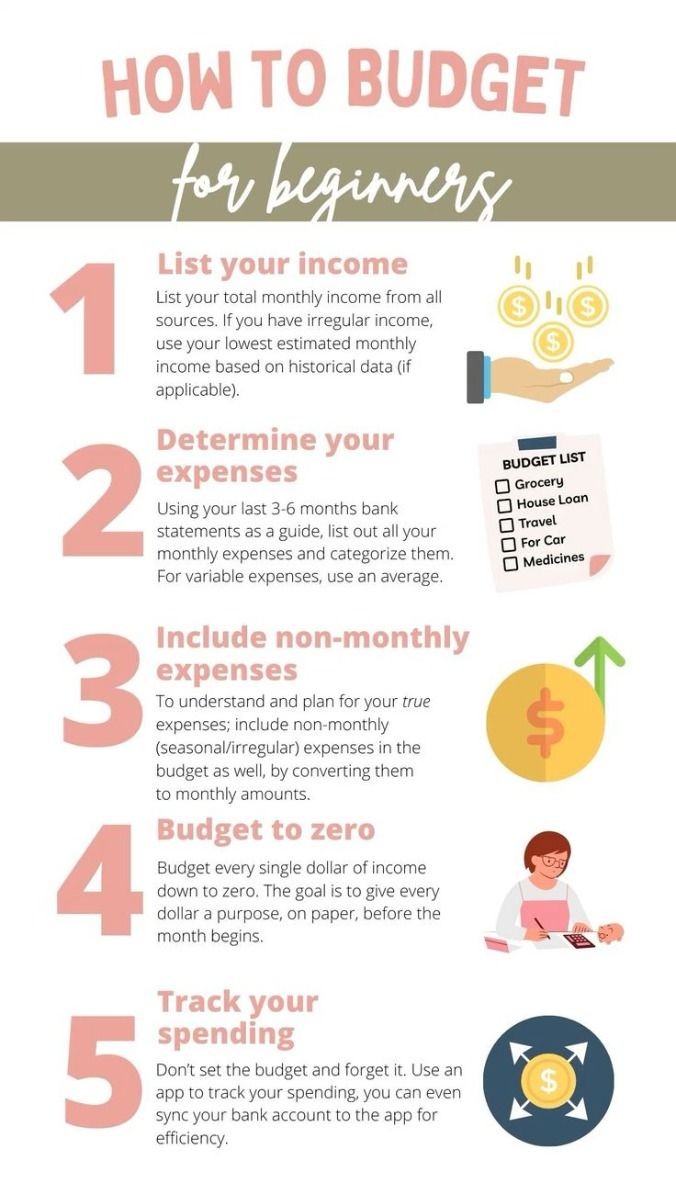
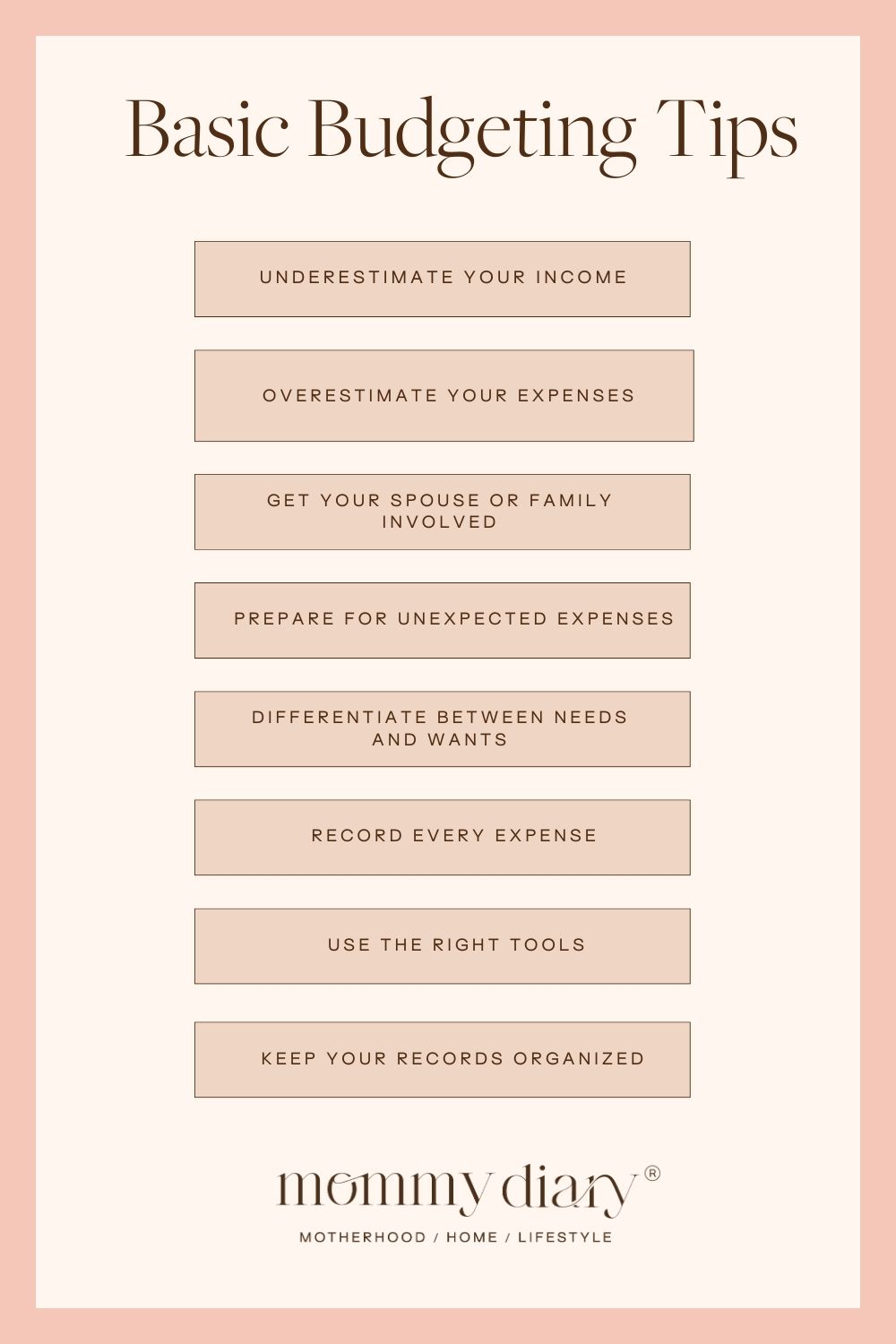
You cannot manage what you do not measure. For one full month, track every single penny—yes, even that $4 coffee. You can use a dedicated budgeting app, a simple Excel sheet, or even a notebook. The goal is to see exactly where your money is leaking. Most people are shocked to find they spend hundreds on "small" recurring subscriptions they forgot existed.
Build Your Budget on Take-Home Pay
One of the biggest mistakes beginners make is budgeting based on their gross salary. Always use your take-home pay—the actual amount that hits your bank account after taxes, health insurance, and 401(k) contributions are deducted. If you budget based on a number you never actually see, you will perpetually feel like you are falling behind.
Choose Your Strategy
Don't get bogged down by the dozens of methods available. Pick one and commit to it for at least 90 days.
- The 50/30/20 Rule: A classic for a reason. Allocate 50% of your income to needs, 30% to wants, and 20% to savings and debt repayment.
- Zero-Based Budgeting: This method requires you to give every single dollar a "job" until your income minus your expenses equals zero. It’s highly effective for those who want total clarity.
2. Practical Hacks to Slash Expenses in 2026
Once your plan is in place, it’s time to optimize. You don’t need to live on rice and beans to save money; you just need to be more intentional.
The "Generic" Swap
Stop paying for the brand name. From household cleaners to pantry staples, generic products are often manufactured in the same facilities as name-brand items. By switching to generic labels, you can easily save 15–30% on your weekly grocery bill without sacrificing quality.
Automate Your Success
If you have to remember to move money to savings, you will eventually fail. Set up automatic transfers for the day after your paycheck hits. Even if it’s just $50, treating your savings account like a non-negotiable "bill" ensures you are paying yourself first.
Lock in Fixed Expenses
Your rent, mortgage, and insurance are your "floor." Total these up first. Once you know your fixed costs, you can clearly see what remains for variable spending like dining out or entertainment. If your fixed costs are consuming more than 60% of your take-home pay, it’s time to look at structural changes, like downsizing or refinancing debt.
3. Mastering the Psychology of Spending
Budgeting is 20% math and 80% habit. If you are struggling to stay on track, consider these behavioral shifts.
The 24-Hour Rule
Impulse buying is the enemy of a solid budget. If you see something you want that isn’t a necessity, force yourself to wait 24 hours. Often, the urge to purchase will fade by the next day, and you’ll realize you didn't need that item after all.
Use Cash Envelopes
If digital spending feels too "abstract," go old-school. For categories where you consistently overspend—like groceries or dining out—withdraw the cash at the start of the week. When the envelope is empty, the spending stops. This physical limitation is a powerful deterrent against overspending.
Give Yourself "Fun Money"
A budget that doesn't allow for joy is a budget that will be abandoned. Include a "guilt-free" spending category. Whether it’s $50 a month for personal hobbies or a weekly treat, having this line item makes the rest of the budget easier to stick to.
4. Advanced Strategies for 2026 and Beyond
As you grow more comfortable with your finances, look for ways to optimize your wealth-building efforts.
Monitor Recurring Payments
Subscription fatigue is real. Every six months, perform a "subscription audit." Look at your bank statement and identify every recurring charge. If you haven't used a streaming service or a gym membership in the last 30 days, cancel it. You can always resubscribe later if you actually miss it.
Set Spending Limits on Cards
Most modern banking apps allow you to set transaction limits on your debit cards. If you struggle with large impulse purchases, setting a daily limit can act as a "circuit breaker" that forces you to pause and re-evaluate before spending big.
Use Technology to Your Advantage
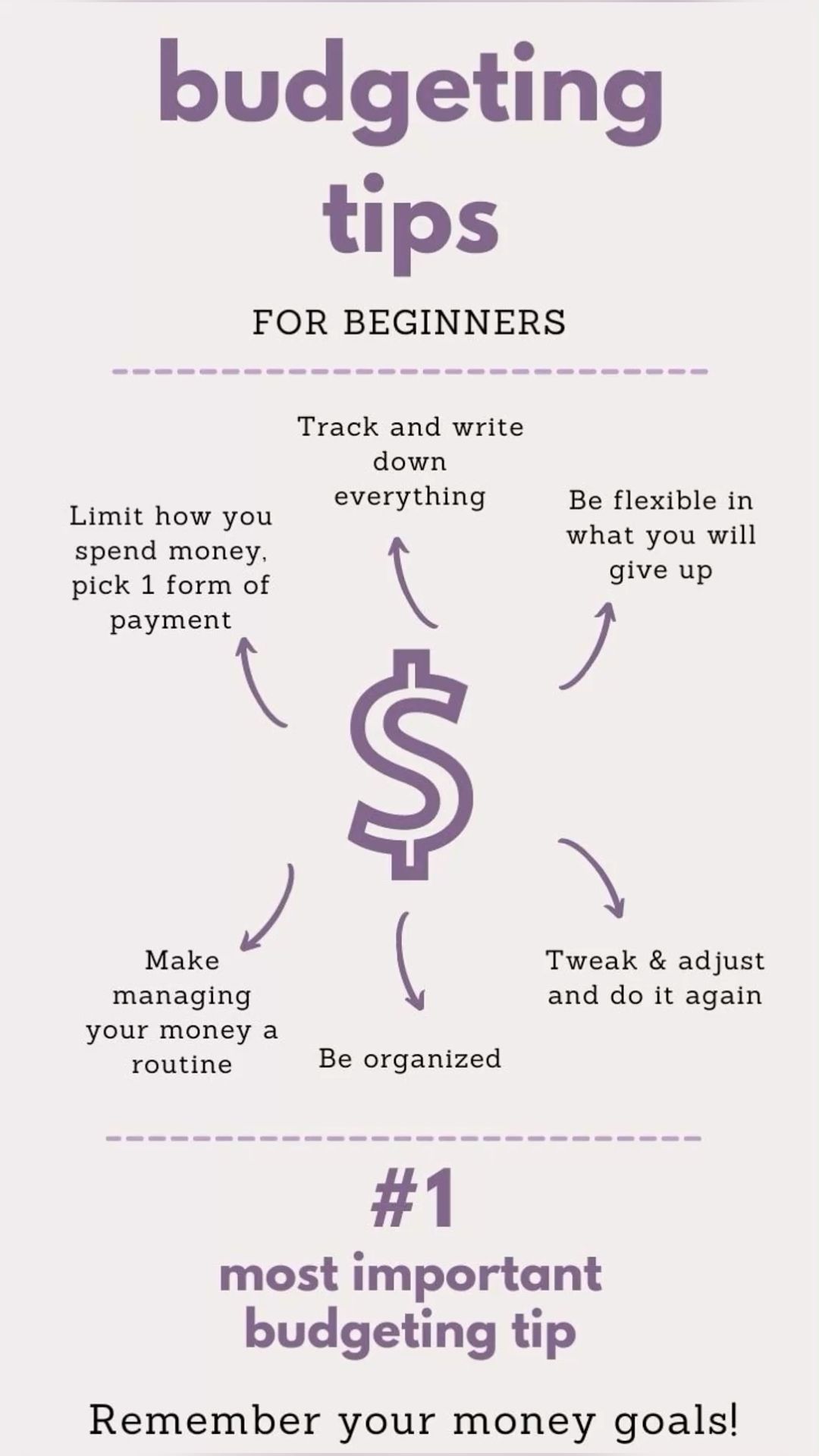
In 2026, there is no reason to do manual calculations if you don't want to. Use apps that sync with your accounts to track spending in real-time. These tools provide visual charts that make it easy to see where your money is going at a glance.
5. Overcoming Common Roadblocks
Even with the best intentions, life happens. Here is how to handle the inevitable "oops" moments.
- The "Life Happens" Fund: Build a small emergency fund of $500–$1,000 as quickly as possible. This prevents you from needing to use a credit card when a minor car repair or medical co-pay pops up.
- The "Perfection is the Enemy" Trap: You will miss a budget goal. You will overspend. Do not let one bad week derail your entire year. Simply acknowledge the slip-up, adjust your categories for the remainder of the month, and keep going.
- Joint Financial Responsibilities: If you are budgeting with a partner, communication is key. Hold a "money date" once a month to look at your progress and discuss goals. When you are both on the same page, your success rate doubles.
Frequently Asked Questions (FAQ)
1. How long does it actually take to set up a monthly budget?
With modern apps, you can set up a zero-based budget in less than 30 minutes. The key isn't the setup time; it’s the consistency of checking in every few days.
2. Is it bad to change my budgeting method?
Not necessarily. If you’ve tried one method for 90 days and it still feels like a struggle, try a different one. The "best" budget is the one you will actually stick with.
3. What if I don't have enough money to cover my essentials?
If your income is lower than your essential expenses, focus on two areas: reducing fixed costs (cutting subscriptions, switching insurance providers) and increasing your income (side hustles or career advancement).
4. Should I track every single transaction?
For beginners, yes, it helps to build awareness. Once you become more disciplined, you may find you only need to track major categories or "wants" to stay within your limits.
5. Why do I keep overspending despite having a budget?
You might be failing to account for "variable" expenses like gifts, vehicle maintenance, or annual fees. Ensure your budget includes a "miscellaneous" or "sinking fund" category for these irregular costs.
Conclusion
Budgeting is a journey, not a destination. It’s a tool designed to give you clarity and freedom, not to restrict your lifestyle. By implementing these 2026-focused strategies—like automating your savings, auditing your subscriptions, and adopting the 24-hour rule—you are taking active steps toward financial peace of mind.
Remember, progress is better than perfection. Start small, stay consistent, and focus on the goals that matter most to you. Whether you are aiming to reach your first $1,000 in savings or planning for a major life event, a well-structured budget is the most reliable way to turn your financial dreams into reality.
References
- Ramsey Solutions — 15 Budgeting Tips to Manage Your Money Better, 2026
- The Penny Hoarder — 30 Budgeting Tips That Actually Help You Spend Less, 2026
- Money Bliss — 20 Practical Budgeting Tips for Real Life, 2025
- KindaFrugal — 22 Budgeting Tips That Actually Work, 2024
- Smart Money — 16 Budgeting Tips Anyone Can Follow to Save More Money, 2025
- Anna Barker Finance — 11 Best Budgeting Methods That Actually Work, 2026