
In 2026, the boundary between our professional lives and personal responsibilities has become more fluid than ever. With the rise of AI-assisted household management and the constant hum of digital notifications, feeling overwhelmed by a never-ending to-do list is a common modern struggle. If you find yourself constantly playing catch-up, you aren't alone. Learning how to manage home and personal tasks better is no longer just about cleaning; it is about reclaiming your mental bandwidth to focus on what truly matters.
Mastering household management is the secret to a harmonious life. By shifting from a reactive mindset—where you only tackle chores when they become emergencies—to a proactive system, you can reduce stress and increase your daily output. This guide will walk you through the most effective strategies, digital tools, and psychological frameworks to help you organize your life and keep it that way for the long haul.
Prerequisites and Tools for Success
Before diving into the methodology, ensure you have the right "toolkit" to manage your home. You don’t need expensive software; you need consistency.
- A Centralized Planner: Whether it is a digital app like Notion/Todoist or a physical bullet journal, you need one "source of truth."
- A "Brain Dump" Notebook: To clear your mental cache of random tasks.
- Timer/Smart Device: Essential for time-blocking techniques like the Pomodoro method.
- A Shared Family Calendar: To synchronize schedules with household members.
- A "Command Center": A designated physical space (usually the kitchen or office) where important papers and schedules live.
The Foundation of Efficient Home Management
To manage home and personal tasks effectively, you must treat your home like a well-run organization. In 2026, the most successful individuals use a mix of automation and habit stacking to keep the gears turning.
1. The Power of the "Brain Dump"
Many people feel overwhelmed because they are trying to hold all their tasks in their working memory. This leads to decision fatigue. Once a week, sit down and write down every single task currently residing in your head. From "fix the leaky faucet" to "book dentist appointment," get it all on paper. Once it is written down, your brain can stop using energy to "remember" it.
2. Prioritization with the Eisenhower Matrix
Not all tasks are created equal. Use the Eisenhower Matrix to categorize your to-do list:
- Urgent and Important: Do these immediately.
- Important but Not Urgent: Schedule these for a specific time.
- Urgent but Not Important: Delegate these if possible.
- Neither: Delete these from your list entirely.
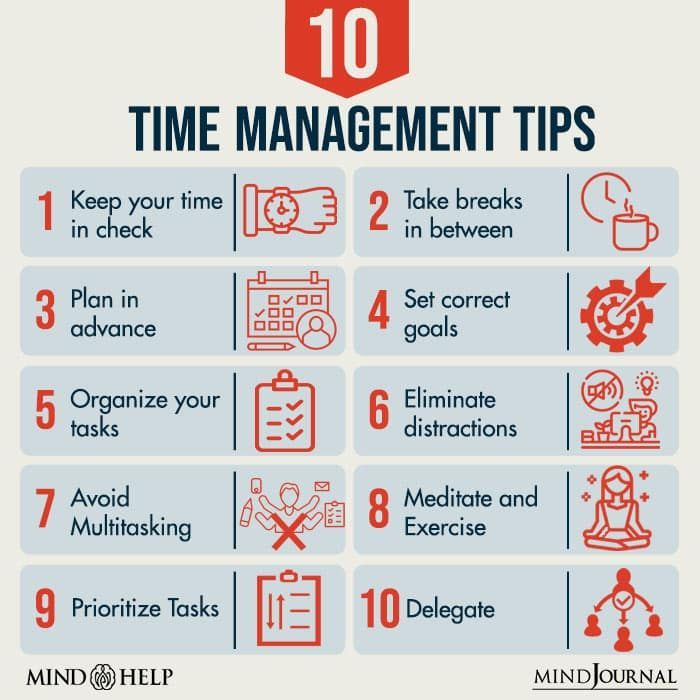
3. Implementing Time Blocking
Time blocking is the practice of assigning a specific time slot to every task. Instead of an open-ended to-do list, your calendar dictates your day. If you have "deep work" or "deep cleaning" to do, block out a 90-minute window and protect it fiercely. By treating personal tasks with the same respect as professional meetings, you ensure they actually get done.
10 Habits That Make Household Chores Easier
Managing a home shouldn't feel like a full-time job on top of your career. By adopting these 10 habits, you can streamline your routine:
- The "One-Touch" Rule: If you touch an item, put it where it belongs immediately. Don't leave it on a "temporary" surface.
- The 15-Minute Nightly Reset: Spend 15 minutes before bed clearing the kitchen counters and picking up clutter. You will wake up to a fresh start.
- Batching Similar Tasks: Do all your meal prep on Sunday, or all your administrative phone calls on Thursday morning.
- Habit Stacking: Link a new chore to an existing habit (e.g., wipe down the bathroom mirror while the coffee brews).
- Digital Decluttering: Regularly clear your emails and phone notifications to reduce digital stress.
- Delegate and Outsource: If you can afford it, automate tasks like grocery delivery or hire a cleaner. If not, divide tasks among family members.
- Create "Zones": Keep cleaning supplies in the rooms where they are used to save time.
- The "Waiting" Rule: Use waiting time (e.g., waiting for the laundry) to tackle quick tasks like checking mail.
- Set Time Limits: Use a timer for chores to prevent them from expanding into your entire afternoon.
- Celebrate Small Wins: Acknowledge your progress to maintain momentum.
Mastering Your Personal Schedule in 2026
Efficiency is not just about doing more; it is about doing the right things. In 2026, we have access to incredible AI tools that can automate our calendars and suggest optimal times for tasks.
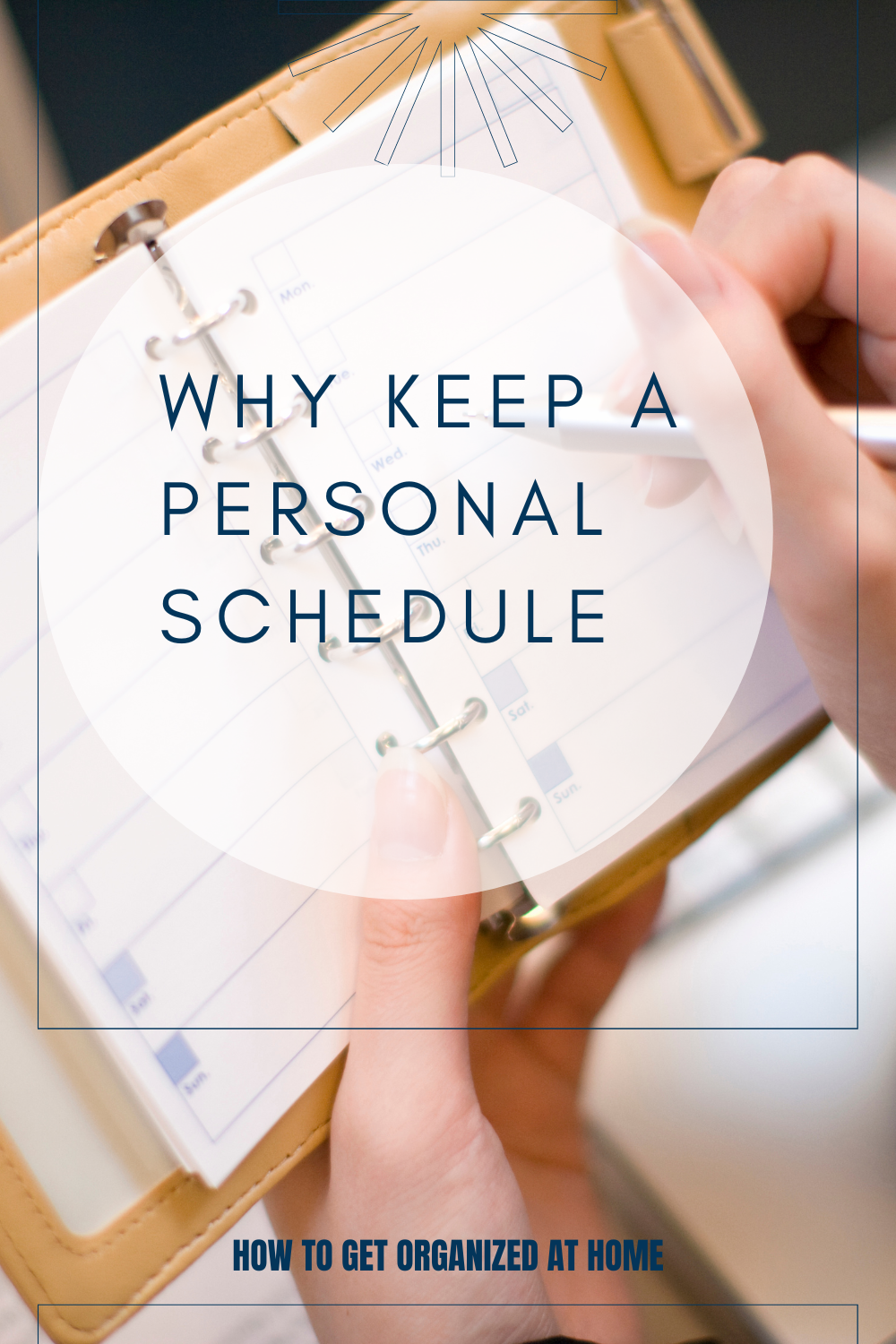
The Role of Digital Integration
Use shared digital calendars (like Google Calendar or Apple Calendar) to manage family commitments. When every member of the household can see the schedule, it eliminates the "I didn't know we had plans" friction. Sync your tasks with your calendar so you can visualize your workload for the week.
The Pareto Analysis (80/20 Rule)
Apply the Pareto Principle to your home life: 80% of your home's functionality comes from 20% of your tasks. Identify which tasks (like meal planning or laundry) have the biggest impact on your daily stress, and focus your energy on perfecting those processes first.
Step-by-Step Guide: How to Revamp Your Home Management System
Follow these steps to transform your chaotic home into an efficient, stress-free environment.
Step 1: Audit Your Current State
Keep a journal for three days. Record everything you do and how long it takes. You will likely find "time leaks"—unproductive habits that are eating up your afternoon.
Step 2: Set Up Your Command Center
Choose a location in your home to act as the "hub." This is where you keep the calendar, the chore chart, and the meal plan. A visual display helps everyone stay accountable.
Step 3: Create a Recurring Routine
Create a "Master Schedule." Assign specific days to specific tasks (e.g., "Monday: Laundry," "Tuesday: Grocery Shopping"). Consistency reduces the need to make decisions every morning.
Step 4: Automate and Delegate
Look for tasks that can be automated (e.g., subscription services for household goods) or delegated to other family members. If you live alone, see what can be simplified or eliminated.
Step 5: Review and Refine
At the end of every week, spend 10 minutes reviewing what worked and what didn't. Did you miss your cleaning window? Adjust the schedule for next week.
Warning: Do not attempt to overhaul your entire life in one day. Start with one or two habits and build slowly. Burnout occurs when you try to change too much too fast.
Verification: You know you are succeeding when your "To-Do" list no longer feels like a burden, and you find yourself with more free time in the evenings to relax without guilt.
Managing Work-from-Home Tasks Effectively
With remote work being the norm for many in 2026, the lines between "office" and "home" are blurred. You must implement boundaries to prevent your professional tasks from bleeding into your personal time.
Setting Boundaries
- Dedicated Workspace: Never work from your bed or the couch if you can avoid it.
- The "Commute" Trick: Even if you work from home, take a 10-minute walk before and after work to mentally transition.
- Clear Shutdown Ritual: At the end of your workday, close your laptop, tidy your desk, and write your to-do list for tomorrow.
Expert Insights: Why Organization Improves Mental Health
Psychological research consistently shows that physical clutter leads to mental clutter. When our environment is chaotic, our cortisol levels rise. By organizing your home, you are essentially reducing the cognitive load on your brain. This allows for better creativity, improved sleep, and stronger relationships.
Frequently Asked Questions (FAQ)
Q: How do I get my family to help with chores?
A: Start by holding a "family meeting." Be transparent about how much you are doing and why it is important for everyone to contribute. Use a visual chore chart and allow family members to choose tasks they don't mind doing.
Q: What if I have ADHD or struggle with executive dysfunction?
A: Focus on "body doubling" (working alongside someone else) or using extreme simplification. Break tasks into tiny, 5-minute increments. Use an app that provides gamification to make tasks feel more rewarding.
Q: How often should I re-evaluate my home management system?
A: Life changes rapidly. Aim to do a "system audit" every three months (quarterly) to ensure your routines still match your current lifestyle.
Q: Is it better to use digital or paper planners?
A: It depends on your brain. If you are visual, a paper planner might be better for retention. If you need reminders and syncing, digital is superior. There is no "right" way—only the way that works for you.
Q: How do I stop procrastinating on household tasks?
A: Use the "5-Minute Rule." Tell yourself you will only do the task for five minutes. Often, the hardest part is starting; once you begin, you will likely continue.
Conclusion
Learning how to manage home and personal tasks better is a continuous journey, not a destination. By implementing the strategies outlined in this guide—from the Eisenhower Matrix to the 15-minute nightly reset—you are setting yourself up for a calmer, more productive 2026. Remember that the goal is not perfection; it is progress. When you simplify your environment and prioritize your energy, you gain the freedom to enjoy your home as a sanctuary rather than a source of stress. Start small, stay consistent, and watch how your life transforms.