
The concept of productivity has undergone a seismic shift as we navigate through 2026. For years, we were conditioned to equate productivity with volume—how many emails were sent, how many hours were logged, or how many tasks were checked off a never-ending list. But as the lines between professional and personal life have blurred, the global workforce has realized that motion is not the same as progress.
In 2026, the definition of being productive has evolved. It is no longer about working harder or pushing yourself to the point of burnout. Instead, it is about efficiency in converting resources into valuable outcomes. Whether you are an individual aiming for better work-life balance or a business leader looking to optimize team output, understanding the nuance of productivity is your greatest competitive advantage.
The Fundamental Shift: Redefining Productivity for 2026
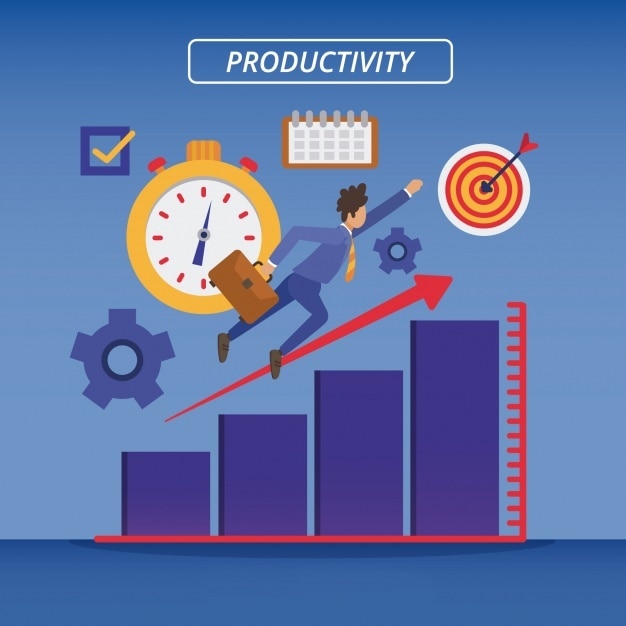
At its core, productivity is a simple ratio: Output divided by Input. Traditionally, this meant counting widgets per hour in a factory setting. Today, it encompasses complex decision-making, creative projects, and the strategic use of AI tools to eliminate friction.
Why Old Metrics Fail
Many organizations are currently undergoing a "productivity reset." They are moving away from rigid KPIs like total hours worked and toward value-based metrics. If you spend eight hours on low-impact administrative tasks, you are technically "busy," but you are not necessarily productive. High-performing individuals in 2026 focus on high-leverage activities—tasks that move the needle on long-term goals rather than just maintaining the status quo.
The Input-Output Formula
When we talk about inputs, we aren't just talking about labor hours. We are talking about:
- Cognitive Energy: Your mental capacity to focus deeply.
- Financial Resources: The budget allocated to tools and infrastructure.
- Time: The most finite resource of all.
- Technology: The AI agents and software that act as force multipliers.
By optimizing these inputs, you generate higher-quality outputs—whether that is a better-designed product, a more satisfied customer, or a more strategic business decision.
The Psychology of High Performance
Productivity isn't just about software and calendars; it is deeply rooted in psychology. Your personality, motivation, and emotional state dictate how you handle the demands of your day.
Managing Cognitive Load
Your brain has a limited "bandwidth" for decision-making. By the end of a long day, decision fatigue sets in, leading to poorer quality work. To combat this, elite performers in 2026 use time-blocking to protect their most creative hours. If you tackle your hardest task first—a concept often referred to as "eating the frog"—you capitalize on your peak mental energy.
The Role of Motivation
Intrinsic motivation is the engine of sustainable productivity. When you connect your daily tasks to a larger purpose, you naturally experience less friction. It’s easier to stay focused when you understand exactly how your current contribution impacts the broader mission of your team or organization.
Strategic Tools and Technologies in 2026
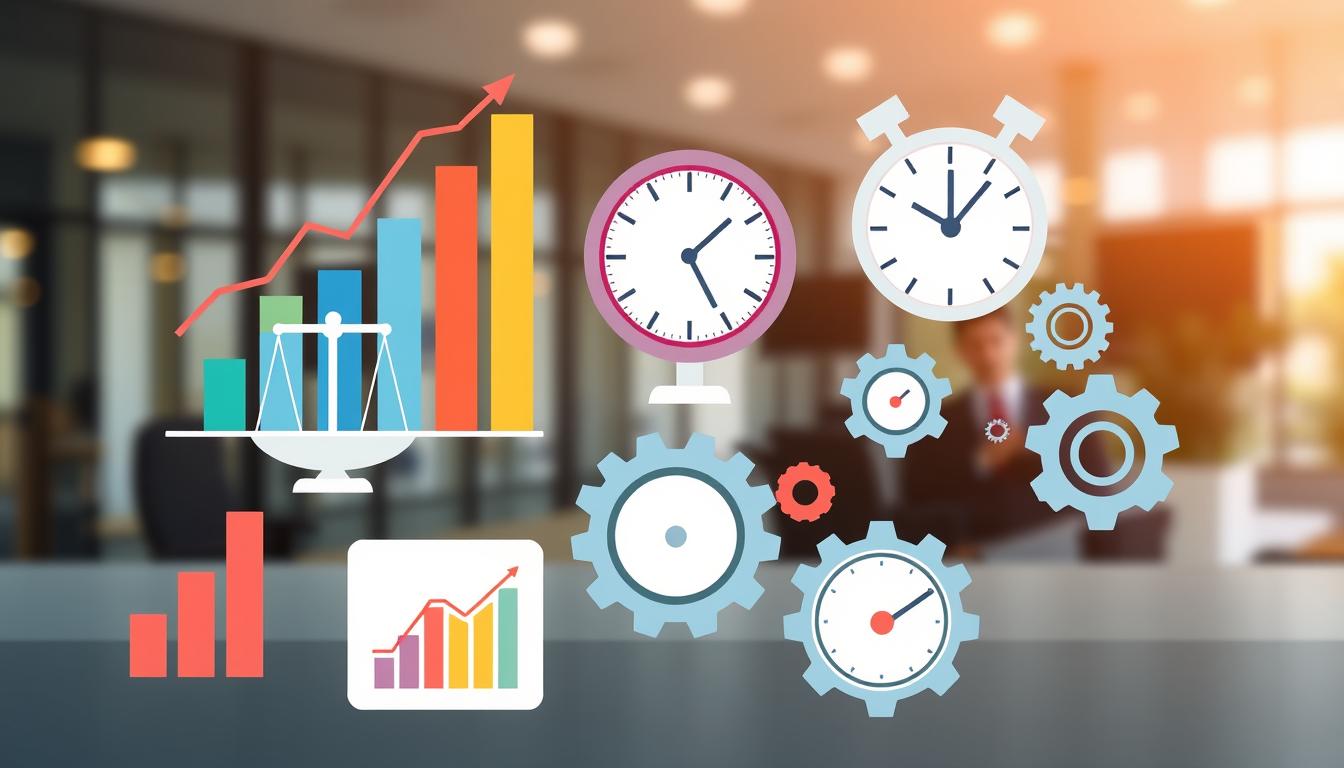
We live in an era where technology finally fulfills its promise of making our lives easier. High performers aren't just working; they are building systems.
AI Agents as Force Multipliers
In 2026, AI is no longer a novelty; it is a standard productivity tool. From automated project management assistants that flag bottlenecks before they derail a timeline to generative tools that draft initial documentation, AI allows professionals to bypass the "blank page" syndrome. The secret is not letting AI do the work for you, but using it to handle the low-value repetitive tasks so you can focus on strategy and creativity.
Frictionless Work Management
Modern work management platforms have moved past simple checklists. They now provide predictive insights. These systems analyze your historical data to suggest optimal times for meetings, highlight potential project risks, and balance workloads across teams to prevent burnout. If your current tool just tells you what to do, you are missing out on the intelligence that 2026-era software provides.
Measuring Success: Beyond the To-Do List
How do you know if you are actually being productive? You need to measure the right things.
Key Metrics to Track
- Output Quality: Is the work resulting in the desired outcome, or just completing a requirement?
- Resource Efficiency: How much energy/time was spent versus the value created?
- Lead Time: How fast can you move from an idea to a finished, deliverable result?
- Sustainability: Does your current pace allow you to maintain this level of performance over the long term?
The Danger of "Pseudo-Productivity"
"Pseudo-productivity" is the illusion of being busy. It’s the constant checking of emails, the attending of unnecessary meetings, and the tweaking of minor details that don't affect the bottom line. To move away from this, you must ruthlessly prioritize. Ask yourself: If I only finished one thing today, what would have the greatest impact?
Fostering a Productive Culture in Teams
When you scale productivity from an individual level to an organizational level, the focus shifts to communication and systems. A team is only as productive as its most bottlenecked process.
Eliminating Bottlenecks
Managers should act as "friction removers." This means identifying where information gets stuck, where decisions are delayed, and where processes are redundant. In 2026, the most successful companies are those that empower their employees to make decisions at the point of action, rather than waiting for layers of approval.
Balancing Autonomy and Alignment
True productivity thrives when individuals have the autonomy to choose how they work, provided they are aligned with the company's core objectives. Remote and hybrid models have proven that trust is a productivity booster. When people feel responsible for outcomes rather than just hours, they find more efficient ways to get the job done.
Frequently Asked Questions
1. Is productivity about doing more things faster?
Absolutely not. In 2026, we define productivity as doing the right things efficiently. Speed is only valuable if it is applied to high-leverage tasks. Doing the wrong things faster just leads to faster failure.
2. How can I avoid burnout while trying to be productive?
Burnout usually stems from a mismatch between expectations and capacity. To avoid it, prioritize rest as a component of productivity. Your brain needs downtime to consolidate learning and recover cognitive energy. Without rest, your output quality will inevitably drop.
3. What is the biggest enemy of productivity in 2026?
Constant context switching. The modern professional is bombarded with notifications, pings, and requests. Protecting your focus—often referred to as "deep work"—is the single most important habit you can cultivate to stay ahead.
4. How does AI change the way we measure productivity?
AI shifts the measurement from "time spent" to "value created." Because AI can complete tasks in seconds that used to take hours, measuring output based on time is becoming obsolete. We now look at the quality and impact of the final result.
5. Can I be productive even if I don't follow a strict routine?
Yes. While routines help, the most important factor is intentionality. You don't need to follow a rigid 5 AM wake-up call to be productive. You need a system that ensures your energy is directed toward your most important goals every single day.
The Path Forward: Intentionality and Growth
As we look toward the future, the concept of productivity will continue to evolve alongside our technology. However, the human element will remain constant. Productivity is, at its heart, about agency. It is the ability to take control of your time, your energy, and your focus to create a life and a career that you find meaningful.
Do not be discouraged if you have a "low-productivity" day. Productivity is not a static state; it is a cycle. There will be days for intense execution and days for deep reflection. The key is to remain consistent in your pursuit of value rather than just volume. As you move through the rest of 2026, keep asking yourself: Am I moving, or am I making progress?
By embracing this shift, you won't just hit your KPIs—you will find a deeper sense of satisfaction in your work. That is the ultimate goal of true productivity.
References
- Bureau of Labor Statistics — Productivity and Costs: First Quarter 2026 Report
- McKinsey & Company — The Future of Workplace Efficiency: Redefining Output in the AI Era, 2026
- Britannica — Productivity: Definition, Measurement, and Economic Impact, 2026
- Monday.com — The Evolution of Work Management: Turning Resources into Results, 2026
- BetterUp — Personal Productivity vs. Organizational Performance: A Guide to Sustainable Growth
- Metalworking CNC Machine Tools Supplier — Automation and Robotics in Modern Production Systems, 2026