
Do you ever reach the end of the day, look at your to-do list, and realize you’ve accomplished almost nothing? You aren’t alone. Recent data suggests that 90% of people waste time every single day, often without even realizing where the hours went. In our hyper-connected world of 2026, the boundaries between work, leisure, and chores at home have blurred, making it harder than ever to stay focused.
Learning how to stop wasting time at home isn’t about working harder; it’s about working smarter. By minimizing distractions and intentionally structuring your environment, you can reclaim your day and finally achieve that elusive work-life balance.
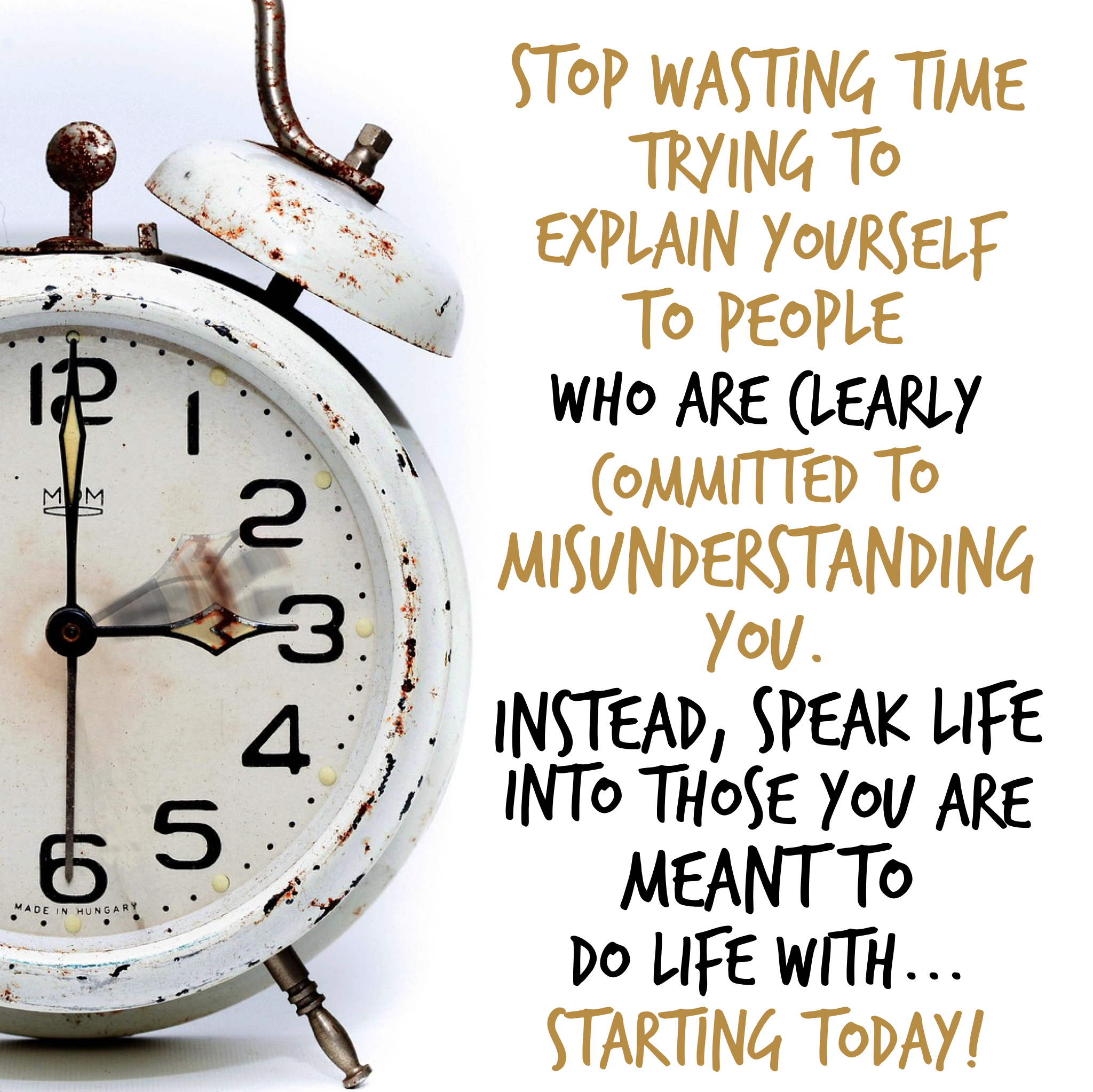
The Hidden Culprits: Why You Procrastinate
Before you can fix your habits, you must understand the root cause. Procrastination is rarely about laziness; it is usually an emotional regulation issue. When a task feels overwhelming, your brain seeks immediate relief through “time-wasting” activities like scrolling through social media or cleaning the kitchen to avoid the real work.
To beat this, you must acknowledge your tendency to procrastinate. Once you identify your personal triggers—whether it’s the “ping” of a notification or the comfort of your couch—you can build a defense system to keep your productivity on track.
1. Optimize Your Workspace for Focus
Your environment dictates your output. If your desk is cluttered or your phone is within arm’s reach, your brain is constantly processing those visual cues, which drains your cognitive battery.
- Designate a “Work-Only” Zone: Even if you live in a small apartment, create a specific chair or corner that is strictly for productivity. Your brain will eventually associate this space with focus.
- Digital Decluttering: In 2026, AI-driven apps can help, but nothing beats manual intervention. Turn off non-essential notifications on all devices during your “deep work” blocks.
- Ergonomics Matter: A uncomfortable chair or poor lighting can lead to physical fatigue, which acts as a subconscious trigger to stop working and take a “break” that lasts for hours.

2. Master the Art of Time-Blocking
One of the most effective ways to manage your time at home is to stop viewing the day as one long, amorphous block of time. Instead, break it into manageable segments.
The Pomodoro Technique 2.0
Use a timer to work in 25-minute sprints, followed by a 5-minute break. In 2026, many professionals are shifting to “50/10” splits for more complex tasks. This creates a sense of urgency that forces you to focus on the most important tasks before the timer runs out.
Batch Similar Tasks
Don’t jump between answering emails, folding laundry, and writing reports. Batching—grouping similar tasks together—reduces the cognitive load of “context switching,” which is a major productivity killer.
3. Implement Strict Boundaries
Working from home requires setting clear expectations for yourself and those you live with. If you don’t treat your time as valuable, others—and your own brain—won’t either.
- Communicate Availability: If you live with others, use a visual signal (like a closed door or a specific light) to indicate when you are in “deep work” mode.
- Schedule Your Breaks: Plan your downtime just as you would a meeting. If you don’t schedule rest, your brain will take it for you in the form of mindless scrolling.
- The “Two-Minute Rule”: If a task takes less than two minutes, do it immediately. If it takes longer, schedule it. This prevents small chores from piling up and becoming a source of anxiety.

4. Gauge Your Productivity Honestly
You cannot improve what you do not measure. In 2026, there are countless tools available to track where your time actually goes. Use a time-tracking app for three days to get a raw, unfiltered look at your habits.
You might be surprised to find you spend two hours a day on “low-value” tasks. Once you see the data, you can audit your schedule. Prioritize the top three tasks that move the needle for your goals, and be ruthless about cutting out the rest.
Conclusion: Take Back Your Day
Stopping the cycle of time-wasting at home is a journey, not a destination. By minimizing distractions, creating a dedicated workspace, and using techniques like time-blocking, you are setting yourself up for success. Remember, the goal isn’t to be a robot; it’s to reclaim your freedom. When you are intentional about how you spend your hours, you create more space for the things that truly matter—like rest, hobbies, and connecting with the people you love. Start today, and watch how your productivity transforms.