
In 2026, our homes are more than just living spaces; they are high-tech ecosystems designed for comfort and wellness. As we spend more time indoors, the quality of the air we breathe has become a top priority for health-conscious homeowners. Poor indoor air quality (IAQ) is linked to everything from reduced productivity to chronic respiratory issues, but thanks to the latest advancements in smart home technology, you can now monitor and purify your environment with surgical precision.
By integrating AI-driven sensors and automated ventilation systems, you can transform your living space into a sanctuary of clean air. This guide explores the most effective, cutting-edge strategies to optimize your home’s atmosphere using the best tech available this year.
Why Smart Air Quality Monitoring is a Necessity
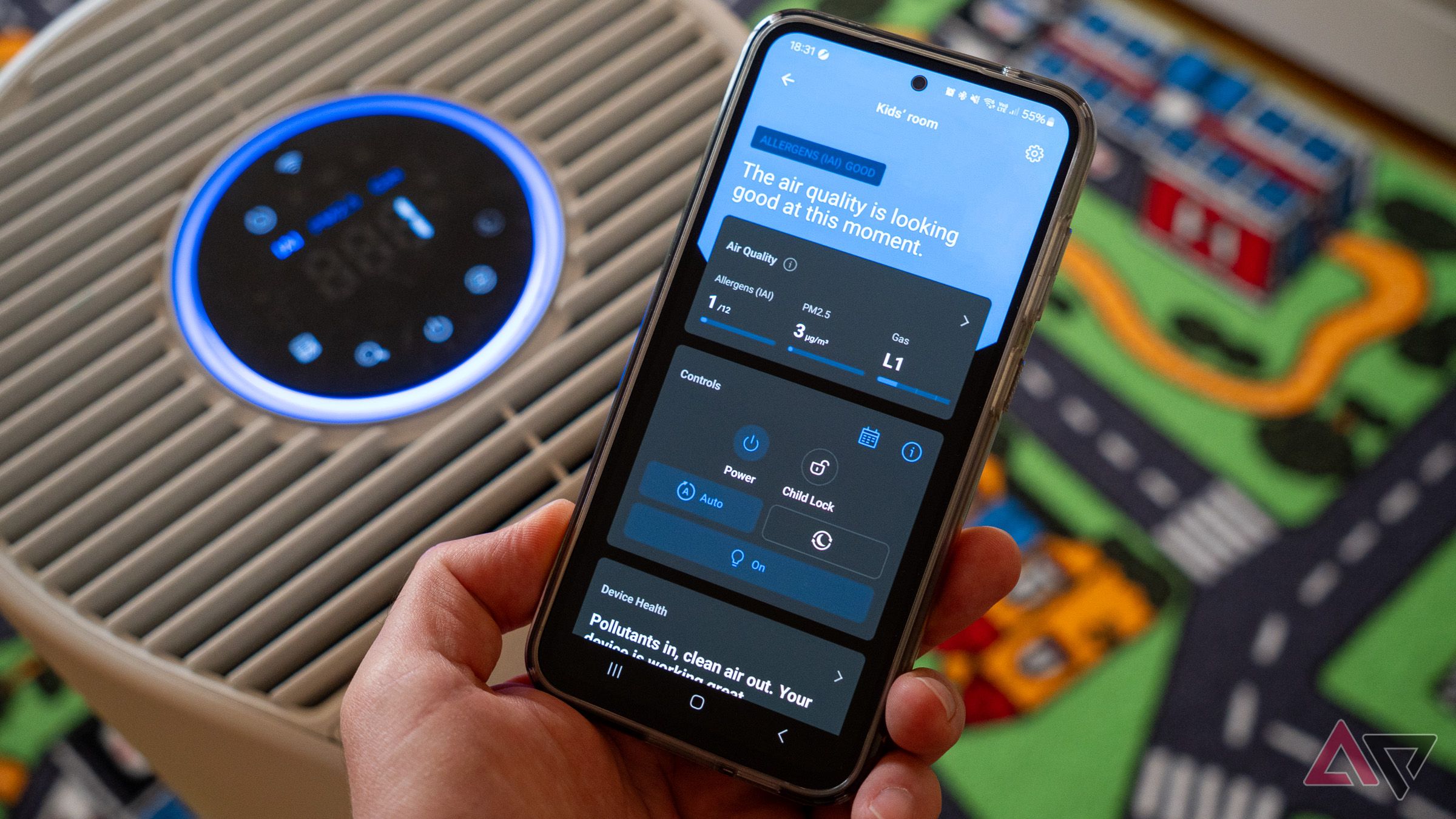
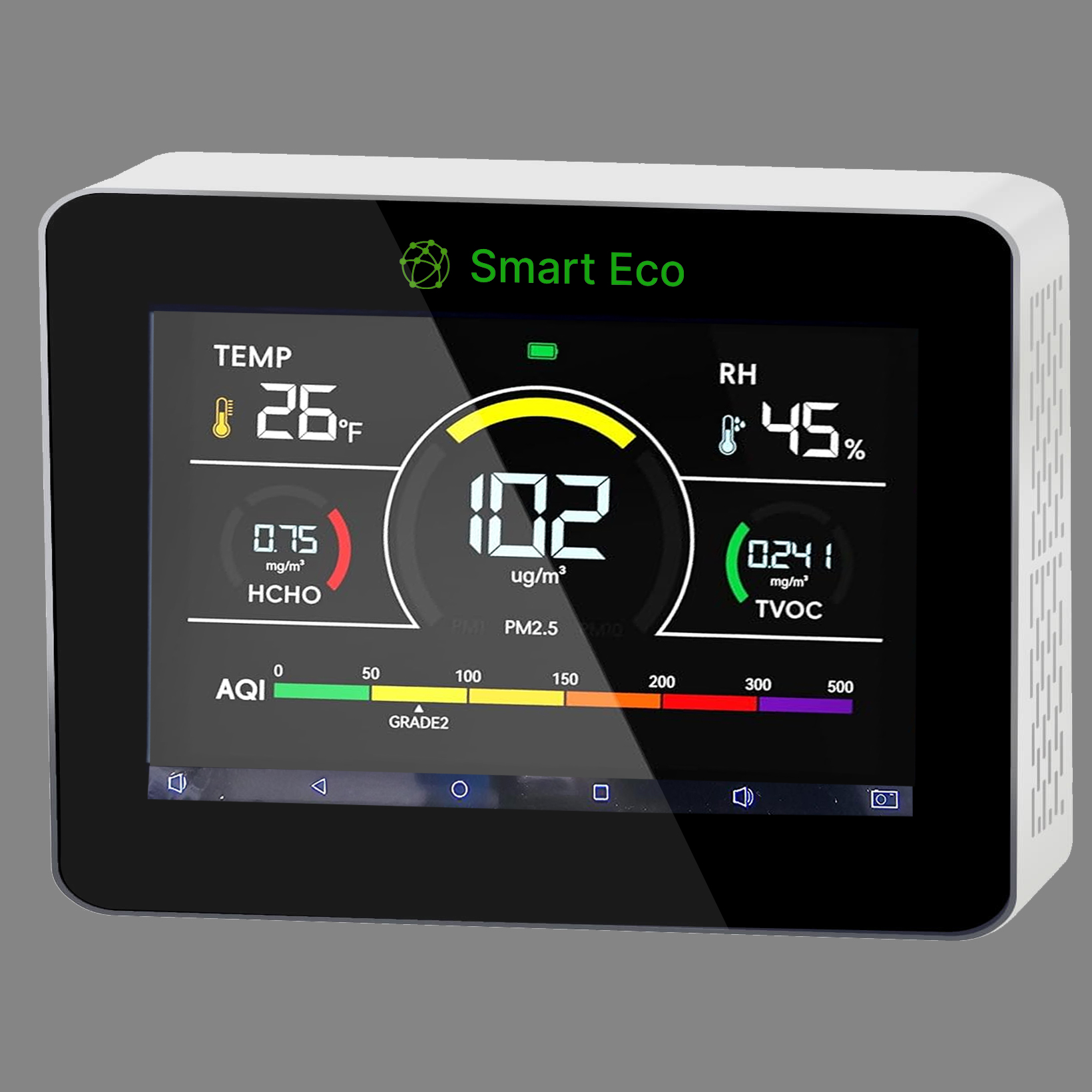
Modern smart air quality monitors are far more than simple gadgets; they are the “brain” of your home’s climate control. These devices track invisible threats like VOCs (Volatile Organic Compounds), CO2 levels, humidity, and particulate matter (PM2.5) in real-time.
Experts note that utilizing a high-quality smart monitor can help reduce asthma risks by up to 40% and boost cognitive productivity by 15-30%. By having a constant stream of data, you no longer have to guess when to open a window or crank up the air purifier.
Top Strategies for a Healthier Home Environment
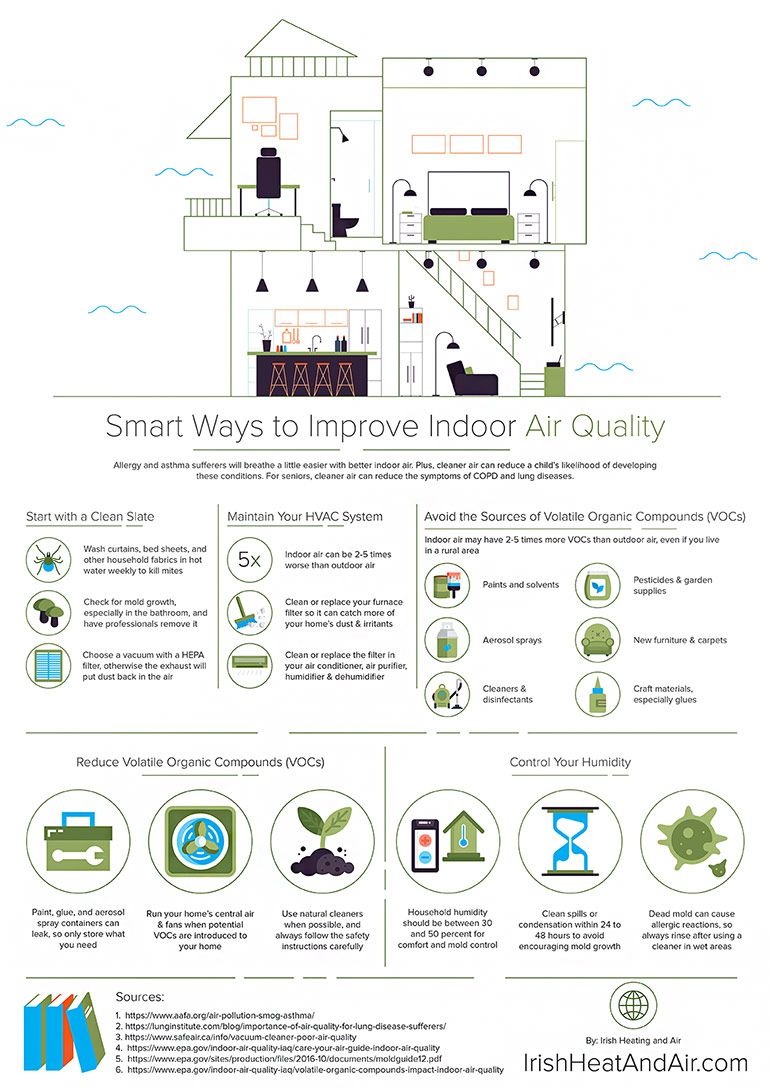
Improving your air quality isn’t just about buying a single device; it is about creating an integrated system that responds to your environment 24/7. Here are the best ways to optimize your home using smart technology.
1. Automate Your Air Purification
The most effective smart purifiers in 2026 feature AI-powered sensors that adjust fan speeds based on real-time pollution spikes. If you are cooking or if outdoor pollen counts are high, your purifier will detect the change in air composition and react instantly. Look for models with HEPA H13 filters that can capture 99.97% of airborne particles.
2. Smart Ventilation Integration
Many homeowners forget that ventilation is just as important as purification. Smart HVAC controllers can integrate with your existing heating and cooling system to manage airflow based on indoor CO2 levels. When CO2 concentrations rise, the system can automatically trigger your HVAC fans to circulate fresh air, preventing that “stuffy” feeling that often leads to fatigue.
3. Humidity Control for Mold Prevention
High humidity is a silent killer of air quality, as it promotes mold growth and dust mite proliferation. Smart hygrometers can communicate with your smart dehumidifier or smart plug-controlled fans to maintain an optimal humidity range of 30% to 50%. By keeping your home within this “sweet spot,” you effectively stop mold spores in their tracks.
Expert Tips for Optimal Device Placement
Even the best smart technology will fail if it isn’t set up correctly. To get the most out of your investment, follow these golden rules:
Avoid Obstructions: Never place your air quality monitor or purifier in a corner or behind furniture. They need a clear, 360-degree flow of air to get accurate readings.
Strategic Positioning: Place monitors in high-traffic areas, such as the living room or bedroom, where you spend the majority of your time.
- Consistent Calibration: Smart sensors require periodic maintenance. Ensure you are cleaning the intake vents and replacing filters according to the manufacturer’s schedule to avoid false readings.
The Future: AI-Driven IAQ Management
As we look deeper into 2026, the integration of smart home automation is becoming more predictive. New systems now use machine learning to “learn” your family’s schedule. For example, if your system knows you arrive home at 6:00 PM, it will pre-purify the air starting at 5:30 PM, ensuring you walk into a pristine environment.
Furthermore, advancements in air-quality monitoring drones and miniaturized sensors are making it easier than ever to monitor hard-to-reach areas like crawlspaces or attics, preventing pollutants from migrating into your living quarters.
Conclusion: Breathe Easier in 2026
Improving your home’s air quality is a journey, not a destination. By leveraging the power of smart monitors, AI-enabled purifiers, and automated HVAC integration, you can create a safer and more productive living space. The technology is more accessible and intuitive than ever, making it easier to take control of the air you breathe every single day.
Start by auditing your current air quality with a smart monitor, identify the specific pollutants affecting your home, and invest in the right purification technology to mitigate them. Your lungs—and your productivity—will thank you.