
In an era of relentless digital notifications and shifting professional demands, maintaining a healthy work-life balance between high-level performance and mental well-being is the ultimate competitive advantage. If you find yourself frequently feeling overwhelmed, anxious, or emotionally shut down, you are likely operating outside of your "Window of Tolerance."
Developing a sustainable, stress-resilient operating system is no longer a luxury—it is a necessity for success in 2026. By integrating science-backed habits into your daily routine, you can effectively manage the "fight-or-flight" response, preserve your energy, and achieve peak productivity while implementing effective burnout prevention strategies.
Quick Summary: How to Stay Calm and Productive through Essential Self-Care Practices
- Prioritize Sleep: Aim for at least seven hours of quality sleep to regulate your autonomic nervous system (ANS).
- Morning Rituals: Use the first hour of your day to complete essential tasks before the world makes demands on your time.
- Movement Breaks: Reset your body and mind with short bursts of exercise, such as stretching or walking, throughout the day.
- Mindfulness: Utilize deep breathing or meditation to stay grounded and within your window of tolerance.
- Set Boundaries: Limit screen time and define realistic goals to prevent mental fatigue.
Understanding the Science of Stress and the "Window of Tolerance"
To manage stress effectively, we must first understand how it impacts our brain. Developed by Dr. Dan Siegel at UCLA, the Window of Tolerance represents the state where your autonomic nervous system is balanced, allowing you to remain grounded and emotionally regulated.
When you are "above" your window, you may feel hyperaroused, leading to anger or anxiety. When you are "below" it, you may experience hypoarousal, characterized by depression or a "frozen" feeling. The goal of stress management in 2026 isn't to eliminate stress entirely, but to expand your window of tolerance so you can handle challenges with greater strength and ease.
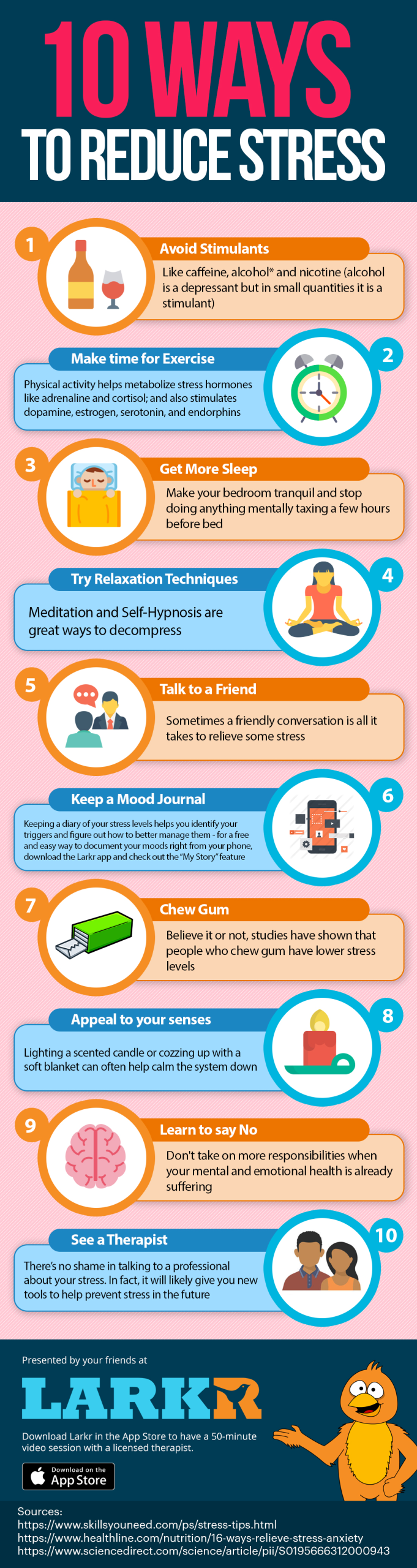
The Power of Morning Rituals for Daily Success
The world’s most productive individuals—from Tim Cook to Richard Branson—consistently utilize the early morning hours to gain a head start. The key is not necessarily waking up before dawn, but gaining an extra hour to focus on your priorities before external demands take over.
Why Early Mornings Matter
Once your professional schedule kicks in, your time is no longer your own. By waking up an hour earlier, you create a buffer zone that allows you to:
- Complete high-leverage tasks without feeling rushed.
- Engage in mindfulness practices like meditation or deep breathing.
- Start your day with a sense of control rather than reactive panic.
Note: Be careful not to sacrifice sleep to gain this extra hour. A proper sleep cycle is the foundation of all stress management.
Managing Your Daily To-Do List to Avoid Pressure
Overloading your schedule is a fast track to burnout. In 2026, the most effective time management techniques for productivity without pressure involve identifying your most important tasks (MITs) and breaking them into manageable, bite-sized steps.
Strategies for Sustainable Productivity
- Prioritize Ruthlessly: Focus on the 20% of tasks that yield 80% of your results.
- Set Realistic Goals: Celebrate small accomplishments to maintain momentum and keep your motivation high.
- Use Movement Breaks: Use tools like resistance bands, stretching, or even dancing between meetings to reset your physical and mental state.
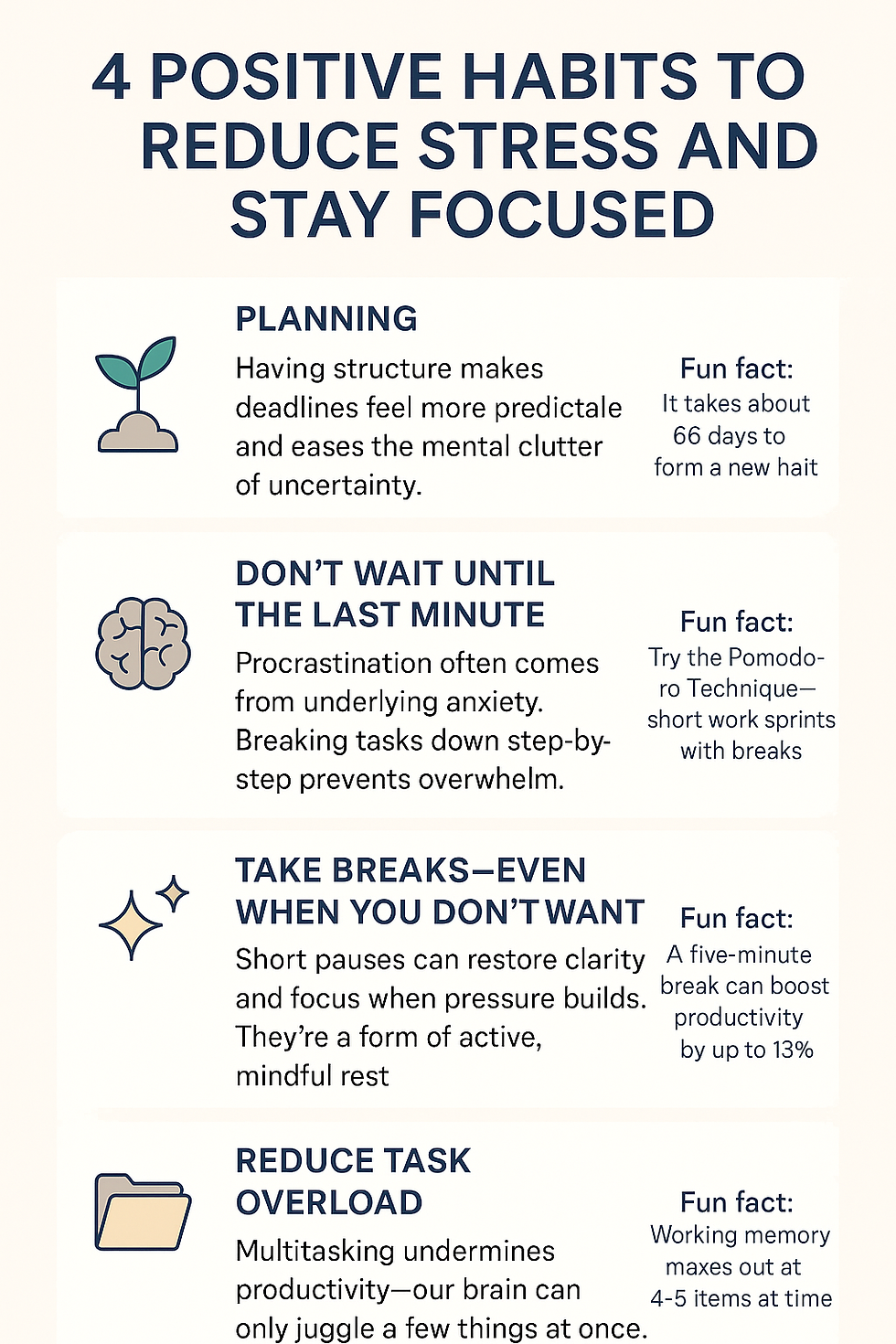
Incorporating Physical Habits for Stress Resilience
Your physical health acts as the biological foundation for your mental clarity, highlighting the profound mind-body connection. Scientific research consistently shows that diet, exercise, and hydration are the primary pillars of resilience.
The Pillars of Biological Resilience
- Plant-Based Nutrition: Harvard Health experts suggest a predominantly plant-based diet to reduce inflammation and stabilize energy levels throughout the day.
- Hydration: Dehydration is a silent stressor that causes fatigue and impairs cognitive function. Keep water nearby to support consistent brain performance.
- Regular Movement: Whether it is yoga, a brisk walk, or a short gym session, exercise releases endorphins that naturally elevate your mood and combat the chemical effects of elevated cortisol levels.
Cultivating a Digital "Off" Switch
In 2026, constant connectivity is one of the greatest obstacles to focus. The blue light and constant notifications from digital devices keep our nervous systems in a state of semi-alertness, preventing true relaxation.
Setting Boundaries for Better Mental Health
- Establish a Bedtime Routine: Dim the lights, put away your phone, and engage in relaxing activities like reading or listening to soothing music.
- Protect Your Attention: During deep-work sessions, use tools to silence notifications and minimize "busywork."
- Social Connection: While digital communication is useful, prioritizing face-to-face or voice-to-voice time with family and friends is essential for genuine emotional support.
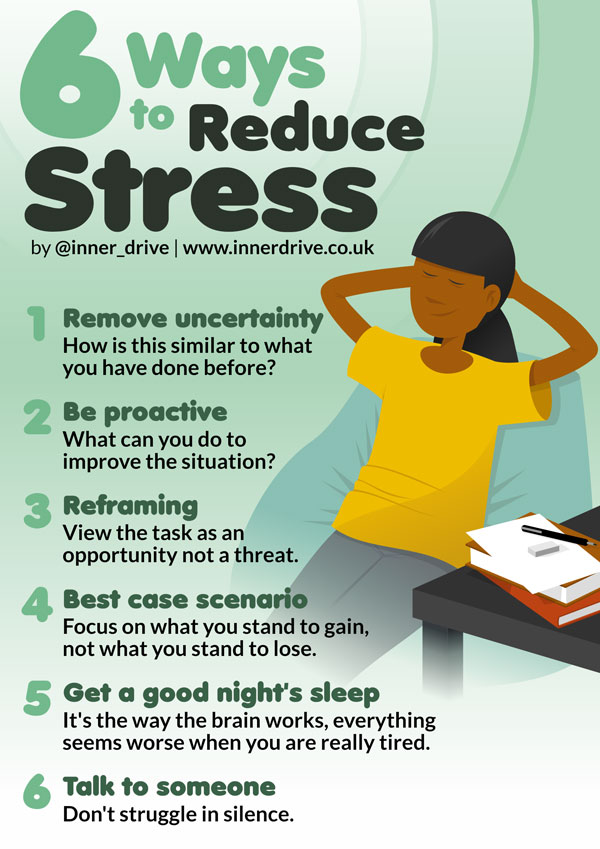
Expanding Your Toolset for Daily Calm
Building a personalized "stress-management toolbox" allows you to recover quickly when life throws unexpected challenges your way. What works for one person might not work for another, so it is vital to experiment and find your unique triggers.
Micro-Habits for Immediate Relief
- Scented Anchors: Use a specific essential oil at your desk to signal to your brain that it is time to focus or stay calm.
- Gratitude Journaling: Spend three minutes each evening reflecting on things you appreciate. This simple shift in focus can counteract the brain's natural negativity bias.
- Hobbies as Escapes: Engage in non-work-related activities like painting, gardening, or playing music. These serve as a necessary mental escape, allowing your brain to recharge away from professional stressors.
Mastering Emotional Regulation Through Mindfulness
The ability to remain anchored during high-pressure situations is not an innate personality trait; it is a learned skill, central to developing strong emotional regulation skills. By practicing daily mindfulness, often drawing from principles of mindfulness-based stress reduction (MBSR), you train your brain to observe stressors without immediately reacting to them. This creates the necessary space to choose a response that aligns with your goals rather than your fears.
Techniques for Daily Grounding
- Deep Diaphragmatic Breathing: When the heart rate spikes, use the 4-7-8 method—inhale for four seconds, hold for seven, and exhale for eight. This physically signals the parasympathetic nervous system to initiate a "rest and digest" state (Source 5).
- Focused Reflection: Spend three minutes each morning in silent reflection, setting a clear, calm intention for the day ahead. This prevents the "rush-hour" mentality that often sabotages early productivity.
- Sensory Anchoring: If you feel yourself drifting into a state of hyperarousal, identify three things you can hear and three things you can physically touch. This simple exercise pulls your consciousness back from an anxious future into the tangible present.
Leveraging Social Support as a Productivity Multiplier
We often view work as a solitary endeavor, but human connection is a critical component of biological stress management. Research consistently demonstrates that social engagement buffers the impact of cortisol, helping you maintain a stable window of tolerance even during intense work cycles (Source 4).
Building a Supportive Professional Network
- Peer-to-Peer Accountability: Partner with a colleague to review goals weekly. Knowing you have a support system reduces the psychological weight of complex projects.
- The Power of Vulnerability: Acknowledge when a task is outside your current capacity. Seeking help early prevents the compounding stress that arises from trying to manage unmanageable workloads alone.
- Quality Over Quantity: Focus on deepening existing relationships rather than expanding your network. A single high-quality conversation with a mentor or supportive peer can provide more emotional stability than a dozen superficial digital interactions.
Optimizing Your Work Environment for Cognitive Flow
Your physical environment acts as a silent contributor to your daily stress levels. If your desk is cluttered, poorly lit, or ergonomically unsound, your brain consumes precious cognitive resources just to filter out the distraction, leaving less energy for high-leverage productivity.
Designing a Low-Stress Workspace
- Visual Reminders of Calm: Incorporate elements that induce tranquility, such as a framed photo, a small plant, or a quote that aligns with your professional mission. These act as visual "reset buttons" when tension rises (Source 4).
- Ergonomic Efficiency: Adjust your monitors and chair to prevent physical strain. Chronic discomfort is a subtle, ongoing stressor that increases fatigue and decreases your ability to focus on complex tasks.
- Acoustic Control: Use noise-canceling headphones to create a personal "zone of focus." In an open-office environment, controlling your sensory input is essential for maintaining deep-work states.
The Role of Gratitude in Cognitive Reframing
The brain’s evolutionary tendency is to prioritize threats—a process known as the negativity bias. By intentionally practicing gratitude, a powerful form of cognitive restructuring, you bypass this bias, training your brain to scan for opportunities and accomplishments rather than solely focusing on the next looming deadline or perceived failure.
Daily Gratitude Rituals for Peak Performance
- The Three-Win Reflection: Each evening, identify three small wins from the day. By acknowledging progress, you reinforce a positive feedback loop that increases motivation for the following morning.
- Gratitude Anchoring: Express genuine appreciation to a colleague or client. The act of giving thanks fosters professional social capital while simultaneously lowering your own stress hormones.
- The Perspective Shift: When a setback occurs, challenge yourself to find one constructive lesson. This transforms a potential source of stress into a growth-oriented experience, keeping you firmly within your window of tolerance.
Strategic Energy Management: Beyond Time Management
Productivity is not about managing your time; it is about managing your energy. Time is a fixed resource, but your energy levels fluctuate throughout the day. By aligning your most challenging work with your peak biological energy periods, you reduce the effort required to achieve high-quality results.
Identifying Your Energy Cycles
- The Chronotype Audit: Observe when you feel most sharp and capable. If you are a morning person, protect your first three hours for deep work. If you are a night owl, reserve the early morning for administrative tasks that require less cognitive load.
- Ultradian Rhythm Breaks: The brain functions best in 90-minute intervals of focus followed by a 15-minute break. Respecting these cycles prevents the afternoon crash and helps you maintain sustained output throughout the day.
- Energy Recovery Rituals: Instead of scrolling through social media during breaks, perform a physical reset. A quick walk, a few minutes of stretching, or simply staring at a distant object can restore your mental focus more effectively than digital consumption (Source 5).
Developing Resilience Through Adaptive Thinking
Resilience is the ability to bounce back from stress without losing your professional momentum. It requires an adaptive mindset that views challenges as temporary and manageable rather than defining and permanent.
Strengthening Your Mental Resilience
- Self-Compassion as a Tool: When you make a mistake, treat yourself with the same empathy you would offer a colleague. Self-criticism activates the stress response, whereas self-compassion promotes a calm, analytical approach to problem-solving.
- Reframing "I Have To" to "I Get To": This cognitive restructuring technique, where the language you use internally influences your stress level, allows you to view your responsibilities as opportunities rather than burdens.
- The "Worst-Case" Analysis: Anxiety often stems from vague, catastrophic thoughts. Explicitly defining the worst-case scenario and creating a plan to handle it often reveals that the situation is far more manageable than your initial fear suggested.
Implementing the "Shutdown" Ritual
The boundary between work and personal life has eroded in the digital age. A formal "shutdown" ritual signals to your brain that the professional day has ended, allowing for true psychological detachment and recovery.
Crafting Your Evening Transition
- The Next-Day Prep: Spend the final 10 minutes of your workday outlining the three most important tasks for tomorrow. This "offloading" technique prevents your brain from ruminating on work tasks during your personal time.
- Physical Decompression: Change your clothes immediately after finishing work. This serves as a psychological cue that your professional role has ended.
- Digital Sunset: Implement a hard stop for all work-related digital communication. Giving your mind a clean break from notifications is essential for deep, restorative sleep (Source 5).
Nutrition and Hydration as Performance Enhancers
Your brain consumes a significant percentage of your daily energy intake. What you eat and drink directly dictates your ability to regulate emotions, maintain focus, and manage stress levels during challenging projects.
Fueling Your Cognitive Engine
- Hydration Consistency: Even mild dehydration can lead to increased stress and impaired cognitive function. Keep a reusable water bottle within reach to ensure you are consistently hydrated throughout the work cycle (Source 5).
- Stabilizing Blood Sugar: Avoid high-sugar snacks that cause energy spikes and crashes. Instead, opt for complex carbohydrates and proteins that provide sustained fuel for long-term concentration.
- Mindful Consumption: Take your lunch away from your desk. Eating while working prevents the brain from entering a recovery state, leading to "decision fatigue" in the afternoon.
Prioritizing Sleep for Executive Function
Sleep is not a passive state; it is a critical biological period where your brain processes information, clears metabolic waste, and regulates the nervous system. Sacrificing sleep is effectively sacrificing your most important productivity asset: your executive function.
Optimizing Sleep Hygiene for 2026
- Consistency is Key: Aim to go to bed and wake up at the same time every day, even on weekends. This stabilizes your circadian rhythm, making it easier to fall asleep and wake up feeling refreshed (Source 3).
- The Temperature Factor: Keep your bedroom cool. Research indicates that a slightly lower ambient temperature improves sleep quality and depth.
- Light Exposure Control: Exposure to natural light early in the morning helps set your biological clock, while minimizing blue light exposure two hours before bed promotes natural melatonin production (Source 5).
Harnessing the Power of Hobbies
Productivity is not the antithesis of play; it is supported by it. Engaging in non-professional interests—such as gardening, music, or physical crafts—provides a vital mental escape that allows your subconscious to solve complex problems while you step away from the work.
Selecting Your Creative Outlet
- Engaging the "Divergent Mind": Choose hobbies that involve physical or creative action. This engages different neural pathways than those used for analytical work, providing a true neurological "reset."
- The Flow State Advantage: Identify activities that require just enough skill to be challenging but not so much that they become a source of frustration. Achieving a "flow state" in a hobby is one of the most effective ways to lower baseline stress levels.
- Social Hobbies: Consider activities that involve community. Whether it is a local book club or a recreational sports team, social interaction outside of work provides a perspective that grounds you and reduces the intensity of professional pressures.
The Art of Saying No: Boundary Setting
The most productive individuals in 2026 are those who have mastered the art of saying "no." Every time you say "yes" to a non-essential request, you are implicitly saying "no" to your own priorities, which inevitably leads to burnout and a loss of focus.
Guarding Your Time and Attention
- The "Not Now" Strategy: If you cannot say an outright no, offer a deferred timeline. This allows you to protect your current focus while maintaining professional relationships.
- Prioritizing Your MITs: If a request does not contribute to your Most Important Tasks, treat it as low priority. Protecting your core goals is the only way to ensure long-term success.
- Defining Your Capacity: Clearly communicate your current workload to stakeholders. Transparency prevents the "over-commitment trap" and fosters a culture of mutual respect regarding time and bandwidth.
Continuous Optimization: The Iterative Approach
Stress management is not a static destination; it is a dynamic, iterative process. Your needs will change as your career evolves, and the strategies that worked six months ago may need to be adjusted to suit your current reality.
Conducting Personal Productivity Reviews
- The Monthly Reflection: Every month, assess your current stress levels and productivity outputs. What habits are working? Which ones have fallen by the wayside?
- Testing and Experimenting: Don't be afraid to discard strategies that don't yield results. The goal is to build a personalized system that supports your unique neurobiology.
- Seeking Feedback: Ask for honest feedback from colleagues or mentors regarding your response to stress. An external perspective can help you identify blind spots in your current management approach.
Integrating Movement into the Workflow
Our modern work environment is largely sedentary, yet our physiology is designed for motion. Incorporating movement into your day is not just about physical health; it is a direct intervention for mental clarity and emotional regulation.
Integrating Kinetic Resets
- The 30-Minute Micro-Break: Set a timer to stand up and move every 30 minutes. This prevents the physiological stagnation that contributes to feelings of fatigue and "brain fog."
- Active Problem Solving: If you are stuck on a difficult conceptual problem, take a walk. Movement increases blood flow to the brain and often facilitates the "aha" moments that never appear while sitting still.
- Intentional Stretching: Focus on areas where you hold tension, such as the shoulders, neck, and lower back. Releasing physical tension often leads to a simultaneous release of psychological anxiety.
Cultivating Professional Presence
Your ability to remain calm under pressure is a signal of leadership. When you maintain a steady, grounded presence despite external chaos, you influence the emotional state of your entire team, creating a more productive and supportive environment for everyone.
Leading with Emotional Intelligence
- Modeling Calm: Your behavior sets the tone for your colleagues. By practicing your own stress management rituals, you implicitly encourage others to prioritize their well-being.
- Active Listening: Stress often manifests as a lack of focus. By practicing active listening, you demonstrate that you are present and in control, which builds trust and improves collaboration.
- The Power of Pause: Before responding to a high-stress email or request, take a moment to breathe. A measured, thoughtful response is always more effective than a reactive, emotionally charged one.
Understanding Neuroplasticity and Habit Formation
The reason we struggle to maintain new habits is that our brains are wired to prioritize efficiency over change. By understanding the basics of neuroplasticity, you can design your environment and routines to make the "right" choice the easiest one.
Rewiring for Stress Resilience
- The 21-Day Commitment: It takes time to build new neural pathways. Commit to a new stress-management practice for at least three weeks before deciding if it is effective for you.
- Stacking Habits: Attach a new habit to an existing one. For example, practice deep breathing while the coffee is brewing. This utilizes established neural patterns to support new behaviors.
- Removing Friction: If you want to exercise in the morning, lay your clothes out the night before. By reducing the physical and cognitive effort required to start, you significantly increase the likelihood of follow-through.
Managing Digital Overload
We live in an age of constant information bombardment. Your capacity for deep work is being threatened by the sheer volume of incoming data. Protecting your attention is the most important skill you can develop for 2026.
Curating Your Information Diet
- The Notification Audit: Disable all non-essential notifications on your devices. Only allow alerts that require immediate, high-priority action.
- Batching Communication: Instead of checking emails throughout the day, designate specific times for responding. This allows you to enter a state of "flow" without being interrupted by incoming requests.
- Curating Content Sources: Be selective about the information you consume. Focus on high-value, signal-rich sources that contribute to your growth, rather than the noise of social media or 24-hour news cycles.
Sustaining Performance Through Long-Term Pacing
High performance is a marathon, not a sprint. If you burn through your energy reserves in the first few months of the year, you will be unable to sustain the momentum required to achieve your long-term goals.
The Strategy of Sustainable Growth
- Prioritizing Rest as Work: View rest not as the absence of work, but as a critical part of the work itself. Without adequate recovery, your cognitive performance will inevitably decline.
- The Long-Term Perspective: When you feel overwhelmed, zoom out. Will this challenge matter in six months? One year? Five years? This perspective helps you avoid the "urgency trap" and keeps you focused on your long-term objectives.
- Celebrating Milestones: Acknowledge your progress at regular intervals. Celebrating wins, no matter how small, maintains motivation and reinforces the value of your efforts.
Managing the Psychological Impact of Change
The professional landscape is shifting rapidly. The ability to embrace change rather than fear it is a critical component of stress resilience. By cultivating an "adaptive mindset," you can navigate uncertainty with greater ease.
Building Adaptive Resilience
- The Growth Mindset: View every change as an opportunity to develop new skills. When you focus on what you can learn, you shift your brain from a defensive, stressed state to an inquisitive, engaged one.
- Identifying Predictability: Even in times of rapid change, identify the things you can control—your routines, your reactions, and your priorities. Focusing on these constants provides a sense of stability in an unpredictable environment.
- Reframing Uncertainty: Uncertainty is often just a lack of information. Seek the data you need to make informed decisions, and accept the rest as part of the process of growth.
The Role of Mentorship in Stress Management
You do not have to navigate the complexities of modern work alone. Mentors provide not just professional guidance, but the emotional perspective that comes from experience.
Leveraging Mentorship for Stability
- Seeking Context: Mentors can help you put your current stressors into perspective. Often, what feels like a crisis is a common professional hurdle that they have already navigated.
- Developing Coping Strategies: Experienced professionals have their own "toolbox" of stress management strategies. Don't hesitate to ask them how they manage their energy and maintain focus.
- The Value of Empathy: Having a mentor who validates your experience can significantly reduce the internal pressure to "be perfect" at all times.
Building a Culture of Well-Being
If you are in a leadership position, the most effective way to improve your team’s productivity is to foster a culture that values well-being. Stress is contagious, but so is calm.
Leading by Example
- Promoting Healthy Work-Life Balance and Boundaries: Respect your team’s personal time. Avoid sending non-urgent emails after hours, and encourage your team to disconnect fully during their time off.
- Normalizing Mental Health: Create an environment where it is safe to discuss stress and burnout. Open communication prevents problems from escalating and encourages proactive management.
- Recognizing the Human Element: Remember that your team members are individuals with lives outside of work. Acknowledging their contributions and supporting their personal needs builds loyalty and significantly increases long-term productivity.
Strengthening Self-Regulation through Biofeedback
Biofeedback technologies—such as heart rate variability (HRV) trackers and stress-monitoring wearables—provide objective data on your body’s response to stress. This data can help you identify subtle triggers and adjust your habits accordingly.
Using Data to Enhance Self-Awareness
- Tracking HRV: Heart Rate Variability is a key indicator of your nervous system’s ability to recover from stress. Monitoring this can help you decide when to push for high-intensity work and when to prioritize recovery.
- Identifying Triggers: Use data to pinpoint exactly what situations or times of day cause the most stress. This allows you to proactively adjust your schedule or use grounding techniques before the stress becomes overwhelming.
- Validating Your Progress: Seeing objective improvement in your stress response can be a powerful motivator to continue your practices. It confirms that your efforts are having a measurable impact on your physiological health.
The Power of Purpose in Mitigating Stress
A clear sense of purpose is one of the strongest buffers against stress. When you are deeply connected to the "why" behind your work, the inevitable challenges of the job become obstacles to be overcome rather than threats to your well-being.
Connecting to Your Professional Mission
- Defining Your Core Value: What is the primary impact you want to have? Keeping this goal at the forefront of your mind provides the motivation to persist during difficult times.
- Aligning Daily Tasks with Purpose: Regularly review how your daily work contributes to your larger mission. If a task feels disconnected, find a way to reframe it or consider if it is the best use of your time.
- The Narrative of Meaning: When you encounter stress, frame it within the context of your larger goal. This narrative shift can transform the feeling of being overwhelmed into a sense of challenge and opportunity.
Finalizing Your Personalized Resilience System
By this point, you have a wealth of strategies at your disposal. The final step is to synthesize these self-care practices into a cohesive, sustainable system that works for you. Start by choosing three habits that feel both manageable and impactful, and implement them for the next 30 days.
Your 30-Day Resilience Action Plan
- Select Your Foundation: Choose one morning ritual, one physical reset, and one boundary to implement immediately.
- Monitor Your Progress: Note how these changes impact your daily stress levels and your productivity.
- Adjust and Iterate: At the end of the month, refine your system. Keep what works, discard what doesn't, and continue to build your personalized path to sustainable high performance.
The Intersection of Technology and Mindfulness
In 2026, technology is not just a source of distraction; it is also a powerful tool for mindfulness. By leveraging the right apps and digital resources, you can turn your devices into assistants for your well-being.
Curating Your Digital Wellness Stack
- Focus-Enhancing Applications: Use tools that block distracting websites during your deep-work intervals.
- Meditation and Breathwork Apps: Keep a library of guided meditations or breathing exercises accessible for quick, in-the-moment stress relief.
- Digital Decluttering: Regularly audit your digital space. Unsubscribe from unnecessary newsletters, archive old files, and simplify your device interfaces to reduce visual and mental clutter.
Designing a Legacy of High Performance
The ultimate goal of stress management is not just to get through the work week, but to build a career and a life that you are proud of. By cultivating resilience, you ensure that you have the energy and clarity to pursue your goals, support your team, and maintain your well-being for the long term.
Sustaining Your Impact
- Investing in Yourself: Treat your health, your mind, and your personal development as your most valuable assets.
- Building for Longevity: Make decisions today that will support your performance five, ten, and twenty years down the line.
- Inspiring Others: Your commitment to a sustainable, productive, and balanced life will inspire those around you to do the same, creating a positive ripple effect throughout your professional circle.
The Myth of "The Grind"
The traditional narrative of "the grind"—constant, relentless, and high-stress effort—is fundamentally flawed. In 2026, the competitive advantage belongs to those who recognize that sustainable performance requires periods of intense effort followed by periods of meaningful recovery.
Reclaiming Your Professional Narrative
- Quality Over Volume: Focus on the impact of your work rather than the hours spent at your desk. High-quality output is always more valuable than mere busywork.
- The Value of Stillness: Protect time for thinking and reflection. Some of the most valuable insights come not from the heat of the moment, but from the quiet space you create for your mind to process.
- Defining Your Success: Define success on your own terms. Do not be swayed by the conventional standards of "productivity" that prioritize exhaustion over excellence.
Developing a System of Accountability
Accountability is a powerful tool for maintaining your commitment to stress management. By sharing your goals and your progress, you strengthen your resolve and gain valuable perspectives from those around you.
Establishing Your Accountability Loop
- The Accountability Partner: Find someone who is also committed to their own personal and professional development. Support each other in your goals and celebrate your successes.
- The Review Process: Periodically share your progress with a mentor or coach. Their feedback will help you stay focused and provide guidance when you encounter obstacles.
- The Public Commitment: Share your goals within your team or your network. The act of stating your intentions publicly can significantly increase your motivation to follow through.
The Role of Curiosity in Stress Management
Curiosity is an antidote to the rigidity that often accompanies high-stress states. When you approach your work and your challenges with a curious mind, you lower your defensive posture and open yourself up to new solutions.
Cultivating an Inquisitive Mindset
- Asking "Why" and "What If": When you feel stuck or stressed, ask questions that challenge your current perspective. What if there is another way to approach this? Why is this task causing this reaction?
- Learning as an Escape: Use your personal time to learn something entirely new. This feeds your brain’s need for novelty and provides a mental break from your professional duties.
- Embracing Failure as Data: When a strategy doesn't work, treat it as a curious experiment rather than a failure. What data did this provide that can help me improve for next time?
The Synergy of Productivity and Well-Being
Productivity and well-being are not opposing forces; they are two sides of the same coin. When you are healthy, calm, and focused, your productivity naturally increases. When you are productive and meeting your goals, your sense of well-being is reinforced.
Aligning Your Daily Actions
- The Holistic Approach: View every part of your day as an opportunity to support both your productivity and your well-being.
- The Feedback Loop: Use your productivity as an indicator of your well-being. If you are struggling to be productive, ask yourself what you need to do to restore your well-being.
- The Sustainable Path: Remember that the most effective path to high performance is one that respects your biological and psychological needs. Stay on this path, and you will achieve not just success, but a life of fulfillment and balance.
References
-
Verywellmind — 18 Effective Stress Relief Strategies – Verywell Mind, 2026
-
Psychologytoday — How to Reduce Work Stress and Be More Productive, 2026
-
Lifehack — 7 Daily Stress-Management Rituals that Improve Your Productivity, 2026
-
Lifestylemedicine — Daily Habits to Reduce Everyday and Acute Stress, 2026
-
Healthieru — 10 Daily Habits to Reduce Stress | HealthierU | Nebraska, 2026
-
Psychologytoday — A 24-Hour Plan for Reducing Daily Stress – Psychology Today, 2026
-
Health — Top ways to reduce daily stress – Harvard Health, 2026
-
Asana — How to be more productive: 13 tips to practice today – Asana, 2026