
Do you ever reach the end of your day feeling exhausted, yet strangely unproductive? You are not alone. Research indicates that only 17% of people can accurately estimate their daily tasks and complete them successfully. The rest of us often fall victim to the constant demands of modern life, leading to fragmented focus and lingering stress.
Organizing your day is not about filling every minute with work. Instead, it is about allocating your energy deliberately so that your most important tasks receive the attention they deserve. By leveraging neuroscience and proven productivity systems, you can transform your daily experience from chaotic to calm.
Why Your Brain Craves Structure
The human brain has a finite capacity for decision-making. Every time you pause to figure out "what to do next" or juggle competing priorities on the fly, you deplete crucial cognitive resources. This phenomenon, often referred to as decision fatigue, is a major contributor to burnout.
Effective daily planning acts as a roadmap for your prefrontal cortex—the "CEO" of your brain. When you plan, you provide this region with a clear set of instructions, reducing the mental burden of constant redirection. Research suggests that effective daily planning can lower cortisol levels by up to 50% and increase task completion rates by 40%.
Start Your Day With Intention
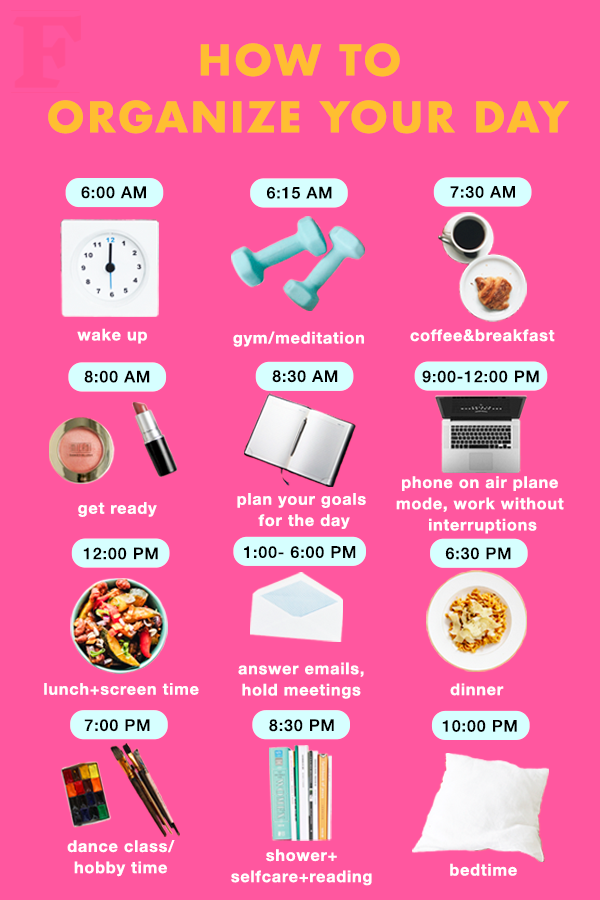
Mornings serve as the launchpad for your entire day. A shaky start often leads to a scattered afternoon, as the momentum—or lack thereof—tends to compound. According to research from the University of Wyoming (2020), disrupting your morning routine can increase distractions for hours afterward.
To reclaim your focus, consider these morning essentials:
- Wake up at a consistent time to regulate your circadian rhythm.
- Hydrate immediately to wake up your brain.
- Avoid your phone for the first 30 minutes to prevent reactive behavior.
- Engage in a positive ritual, such as journaling your top priorities or light stretching.
The Power of Planning in Advance
Think of your day like a complex puzzle. Without a plan, you are simply shuffling pieces and hoping they fit. By planning the night before or first thing in the morning, you make critical decisions before the "noise" of the day arrives.
The 10-Minute Planning Ritual
You do not need hours to organize your life. A simple 10-15 minute daily planning session is sufficient to craft a day with intention. Use this time to:
- Review your long-term goals.
- Identify your Top 3-5 priorities for the day.
- Visualize how your schedule will unfold.
Mastering Task Prioritization
Not all tasks are created equal. When your to-do list becomes an endless scroll, you lose the ability to distinguish between "busy work" and high-impact output. To combat this, successful professionals utilize proven prioritization frameworks.
Use the 1:4:5 Method
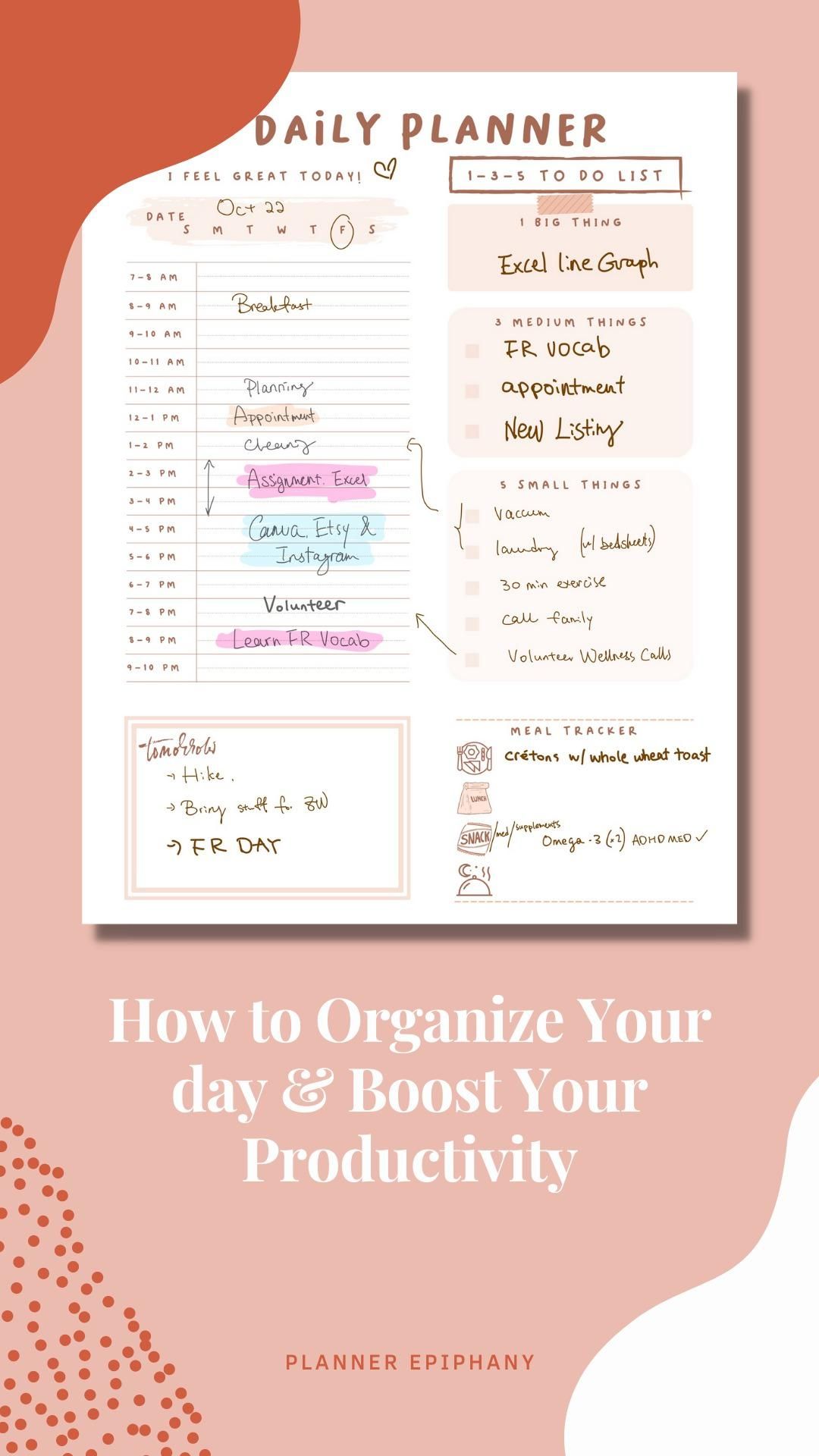
The 1:4:5 rule is a powerful way to manage your to-do list without feeling overwhelmed. It forces you to categorize your day based on impact:
- 1 High-Impact Task: The one thing that truly moves the needle.
- 4 Mid-Level Tasks: Important items that support your goals.
- 5 Quick Wins: Small tasks that keep your momentum going.
Applying the Eisenhower Matrix
If you struggle with urgency versus importance, the Eisenhower Matrix is your best tool. Separate your tasks into four quadrants:
- Urgent and Important: Do these immediately.
- Not Urgent but Important: Schedule these.
- Urgent but Not Important: Delegate or automate these.
- Neither: Eliminate these entirely.
Time Blocking: Protecting Your Focus
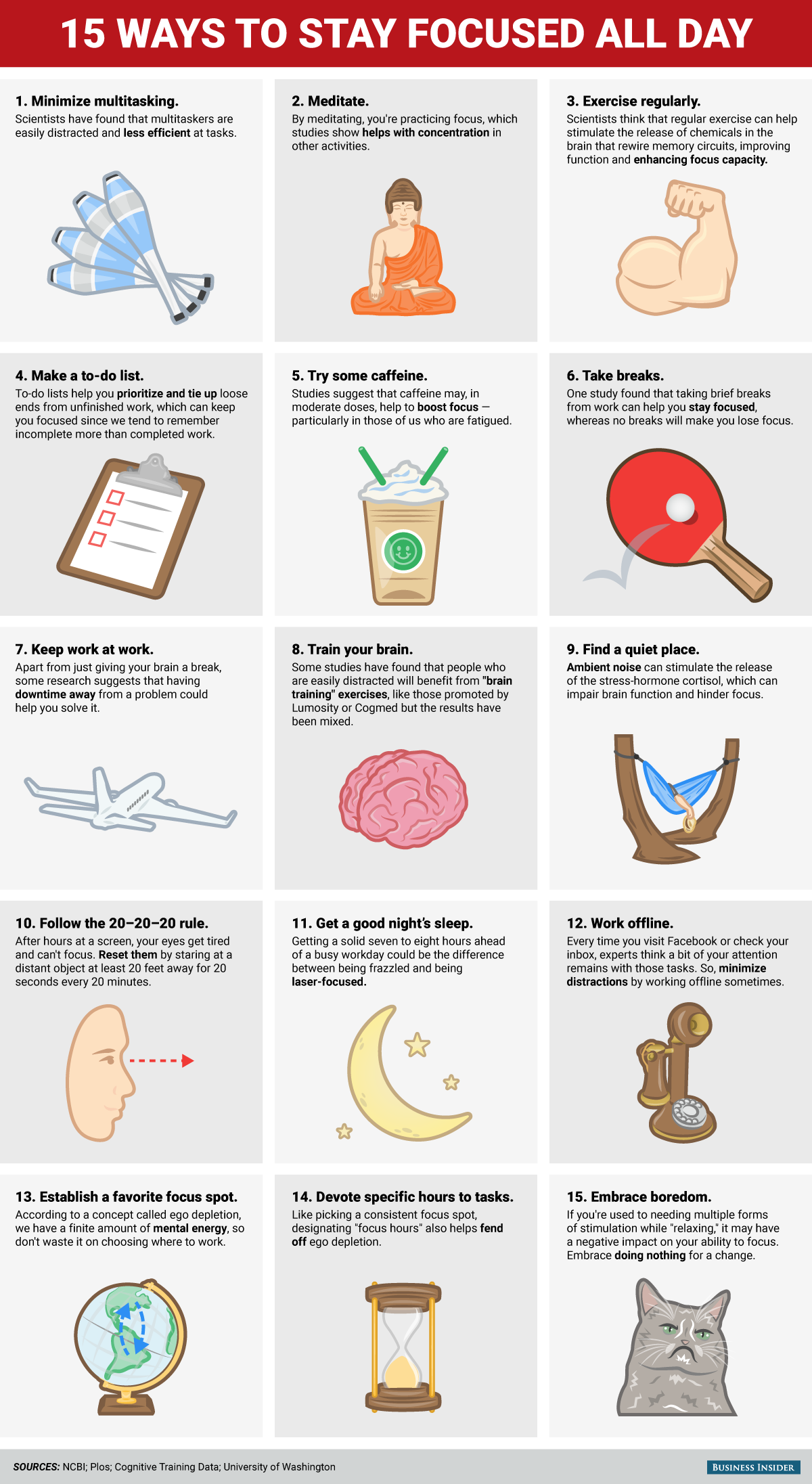
Time blocking is the practice of allocating specific time slots for dedicated tasks. This method enhances efficiency by preventing multitasking, which is a known productivity killer. By giving every task a "home" on your calendar, you create a visual commitment to your work.
Research from Syracuse University (2022) confirms that dividing your day into focused segments helps you maintain attention for longer stretches. When you block your time, you aren't just managing your calendar; you are actively defending your focus against the interruptions of emails, meetings, and notifications.
Setting Realistic Goals to Avoid Burnout
Ambition is vital, but setting unrealistic goals is a fast track to frustration. The key is to break large, daunting projects into smaller, manageable milestones. When a goal feels attainable, your brain is more likely to stay engaged and motivated.
If your objective is to finish a complex project, create a checklist of small action steps. Each time you check off a box, you trigger a sense of accomplishment, which builds the internal motivation needed to tackle the next, more difficult step.
Optimizing Your Workflow: Delegate and Automate
One of the greatest secrets to productivity is knowing what not to do. The T.A.C.O. method (Transfer, Automate, Consolidate, Outsource) is an excellent framework for clearing your plate. Ask yourself:
- Can this task be automated using software?
- Can this be delegated to someone else?
- Is this task truly necessary, or can it be eliminated?
By applying these filters, you can free up hundreds of hours a year, allowing you to focus on the high-value work that actually aligns with your long-term success.
Creating a Sustainable 2026 Routine
Organization is a habit, not a destination. To make 2026 your most productive year yet, focus on consistency. Establish a "shutdown ritual" at the end of each workday to clear your workspace and prepare your list for the following morning. This simple act reduces stress and ensures you can hit the ground running when you wake up.
Remember, the goal is not to be a machine. It is to create a system that allows you to be human while still achieving your goals. Flexibility is just as important as structure; be prepared to adjust your plan when the unexpected happens, and always reflect on your progress at the end of the week to refine your systems.
The Neuroscience of Deep Work and Focus
To understand why organizing your day leads to better focus, we must look at the neurological cost of context switching. Every time you shift your attention from a deep-work task like writing or coding to a shallow task like checking Slack or email, your brain experiences a "switching penalty." Research published in the Journal of Experimental Psychology suggests that this process can consume up to 40% of your productive time throughout the day (Source 2).
By organizing your day into specific "modes," you can mitigate this. Instead of reactive work, aim for Batching:
- Communication Blocks: Dedicate two 30-minute windows per day to reply to emails and messages.
- Deep Work Sprints: Protect 90-minute blocks for high-cognitive tasks.
- Administrative Buffers: Use low-energy periods (like mid-afternoon) to handle minor paperwork or scheduling.
When you treat your brain like a battery that needs recharging rather than a machine that runs indefinitely, you avoid the "attention residue" that carries over from one task to the next.
Managing Energy, Not Just Time
Traditional time management often fails because it assumes our energy levels remain static from 9:00 AM to 5:00 PM. In reality, human biology operates on ultradian rhythms—cycles of high energy followed by a natural dip, typically lasting about 90 to 120 minutes.
Mapping your most challenging tasks to your peak energy hours is a game-changer. If you are a morning person, protect your early hours for the work that requires the highest level of creative output.
- Identify your chronotype: Are you a "lark" (morning) or an "owl" (night)?
- Protect your peak: Never schedule meetings during your highest focus window.
- Respect the slump: Use the post-lunch dip for low-stakes tasks, such as filing or routine administrative updates.
By aligning your schedule with your internal clock, you reduce the friction of starting difficult work, making it easier to enter a state of "flow" (Source 1).
The Role of Environmental Design
Your physical and digital environment acts as a constant stream of input for your brain. If your desktop is cluttered with open tabs or your desk is buried in physical files, your prefrontal cortex is forced to process that visual noise, which inherently limits your capacity for deep focus (Source 3).
Optimizing Your Digital Workspace
- Browser Hygiene: Use separate browser profiles for work and personal browsing to prevent "tab creep."
- Notification Silence: Utilize "Focus Mode" on your operating system to block non-essential apps during deep work sessions.
- Single-Task Interfaces: Use distraction-free writing tools or full-screen modes to minimize the temptation to switch windows.
Curating Your Physical Space
- The 5-Minute Reset: Dedicate the final five minutes of your day to clearing your desk surface. This prepares your brain for the next morning by removing visual reminders of "unfinished business."
- Lighting and Sound: Research shows that ambient background noise (like "pink noise") can help stabilize focus, while harsh lighting can increase cortisol levels. Adjust your environment to support the specific type of work you are doing.
Overcoming Procrastination Through "Micro-Stepping"
Often, the reason we struggle to organize our day is that the tasks on our list feel too large or intimidating. When a task is too vague—such as "Write Project Report"—our brain perceives it as a threat or a heavy lift, which triggers a procrastination response.
The solution is Micro-Stepping: breaking a task down until the first step is so easy it feels ridiculous.
- Instead of "Write Report," use: "Open document and write the title."
- Instead of "Clean Garage," use: "Sort one box of items."
- Instead of "Contact Clients," use: "Draft one email to one person."
By lowering the barrier to entry, you bypass the executive function hurdle that keeps you stuck. Once you start, the momentum of completion usually carries you forward into the rest of the task (Source 4).
Strategic Rest as a Productivity Tool
Most people view rest as the opposite of productivity, but neuroscience suggests it is a prerequisite. The "Default Mode Network" (DMN) in the brain activates when we stop focusing on a task and allow our minds to wander. This is when your brain synthesizes information and solves complex problems that you couldn't crack during active work.
- Non-Sleep Deep Rest (NSDR): Try a 10-minute guided relaxation or meditation to reset your nervous system.
- The "Walk Away" Rule: If you are stuck on a problem for more than 20 minutes, leave your desk. A physical change of scenery acts as a cognitive circuit breaker.
- Scheduled Breaks: Use the Pomodoro technique (25 minutes of work, 5 minutes of rest) to ensure you aren't pushing your brain past its point of diminishing returns.
The Feedback Loop: Weekly Reviews
To ensure your daily organization systems actually work, you must engage in a Weekly Review. This acts as a calibration point where you look at what went right and what went wrong during the previous week.
Ask these three questions every Friday afternoon:
- What was my most effective day? (Why did it go well?)
- Where did I lose the most time? (Was it external distractions or internal procrastination?)
- What one thing can I change for next week?
This iterative process transforms your schedule from a rigid set of rules into an evolving tool that adapts to your life. When you treat your productivity system as a living document, you avoid the trap of "planning fatigue" where the system becomes more work than the actual tasks themselves (Source 4).
Managing Cognitive Load Through "External Brains"
One of the primary reasons we feel overwhelmed is that we try to hold too much information in our working memory. The human brain is designed for processing information, not storing it. When you keep your to-do list, project deadlines, and meeting notes in your head, you are using up valuable RAM that should be used for execution.
Choosing Your External System
- Capturing: Use a single "Inbox" (a notebook, a digital app, or a voice memo) to capture every thought immediately. If you don't write it down, it will haunt your background processing.
- Clarifying: At the end of each day, move these items into your structured calendar or project management tool.
- Reviewing: Periodically delete or delegate items that no longer align with your current priorities.
By offloading your thoughts into a trusted system, you free your mind to focus entirely on the singular task at hand. This is the ultimate goal of organization: to reach a state where you are fully present in your work, unburdened by the fear that you are forgetting something important.
Navigating the "Urgency Trap"
A common pitfall in day-to-day organization is the tendency to prioritize what is urgent over what is important. This is known as the "Urgency Trap." We feel a dopamine hit when we respond to an email or clear a minor notification, but this often happens at the expense of long-term projects that actually move our career or life forward.
To avoid this, you must apply a "Filter First" policy to your day:
- Before starting any task, ask: "If I only accomplished one thing today, would this be the thing that makes me proud?"
- If the answer is no, relegate that task to a later time slot or consider if it needs to be done at all.
- Recognize that "busyness" is often a form of laziness—a way to avoid doing the hard, thoughtful work that requires real focus.
Building Resilience Against Interruption
No matter how well you organize your day, the unexpected will happen. A colleague will drop by, a client will demand an emergency call, or a technical issue will arise. A rigid schedule breaks under pressure; a flexible system bends.
When your day goes off the rails, use the "Reset Button" strategy:
- Acknowledge the disruption: Don't fight the reality of the interruption.
- Re-evaluate: Once the emergency is handled, pause for two minutes to look at your original plan.
- Reprioritize: Does the rest of your day still make sense? If not, cross off the least important items and focus on the core mission.
Resilience is not about sticking to the plan at all costs; it is about having the clarity to adjust the plan in real-time so that you remain productive even when things go sideways.
Using Visual Cues for Cognitive Anchoring
Our brains process visual information significantly faster than abstract thoughts. By making your day "visible," you create an anchor for your focus. This is why a physical planner or a high-contrast digital dashboard can be more effective than a simple text-based list.
- Color-Coding: Use specific colors for specific types of work (e.g., blue for deep work, green for meetings, yellow for admin). This allows you to see the "shape" of your day at a glance.
- Progress Tracking: Use a visual progress bar or check-off system for complex projects. Seeing the percentage of a task completed triggers the brain’s reward circuitry, releasing small amounts of dopamine that sustain your effort.
- The "Done" List: If you feel like you didn't get enough done, create a list of what you did accomplish. Often, we underestimate our output because we focus on the open loops rather than the closed ones.
The Psychology of "Shutdown Rituals"
The transition from "work mode" to "personal life mode" is a critical, often overlooked part of the day. Without a clear boundary, the stress of work bleeds into your evening, preventing true recovery. A Shutdown Ritual acts as a mental partition.
- Review the day: Scan your accomplishments.
- Close the loops: Send any final necessary emails or make notes for tomorrow.
- State your intention: Write down the #1 priority for the next day.
- Physical ritual: Close your laptop, tidy your desk, or leave your workspace entirely.
Once you have completed this ritual, you are officially "off the clock." This sends a signal to your brain that it is safe to stop problem-solving and begin the restorative sleep cycle necessary for tomorrow's focus.
Scaling Your Planning Habits
As your life becomes more complex, your planning system must scale with you. You cannot manage a high-level career or a complex personal life with the same methods you used in school. The shift is from managing tasks to managing systems.
- Quarterly Planning: Zoom out to look at your 90-day objectives.
- Monthly Review: Ensure your weekly goals are still serving your quarterly milestones.
- Daily Execution: The granular implementation of the plans you made at the higher levels.
By keeping your daily tasks tethered to your larger goals, you ensure that you aren't just working hard, but working in the right direction.
Addressing the "Perfectionism Paralysis"
A major barrier to consistent organization is the belief that your planning system has to be perfect. Many people abandon their plans the moment they miss a deadline or have a "bad" day. This is a cognitive trap.
- Adopt the "Never Miss Twice" rule: If you fall off your planning routine one day, that is fine. But do not let it happen two days in a row.
- Focus on Process over Outcome: You cannot control every outcome, but you can control your daily process. If you showed up and engaged with your plan, you have succeeded, regardless of the results.
- Normalize Imperfection: Your day will never be perfect. The goal of organization is not to eliminate chaos but to provide a structure that allows you to navigate it with grace.
Integrating Mindfulness into Your Workflow
Mindfulness is often associated with meditation, but it is also a powerful tool for focus within the workspace. By practicing "single-tasking" with full awareness, you can dramatically improve the quality of your output.
- The 3-Breath Pause: Before switching tasks, take three deep, intentional breaths. This clears your working memory and provides a clean slate for the next task.
- Active Observation: When you are working, pay attention to the urge to switch tasks. Instead of acting on it, observe the urge, acknowledge it, and then return your focus to the current objective.
- The Power of Stillness: Dedicate time in your schedule for "empty space." A day filled to the brim with back-to-back tasks leaves no room for the spontaneous creativity that often leads to your best ideas.
The Myth of Multitasking
Science has repeatedly debunked the idea that humans can multitask effectively. When you try to do two things at once, you are not actually multitasking; you are rapidly switching your attention, which degrades your performance in both areas.
- The IQ Drop: Studies show that attempting to multitask can result in a temporary drop in IQ equivalent to losing a night of sleep.
- Task-Switching Cost: It takes roughly 20 minutes to fully regain deep focus after a significant distraction.
- Commitment to One: Make a pact with yourself to honor the "Single Task Policy." If you are writing, you are only writing. If you are on a call, you are only on the call.
Leveraging Automation for Efficiency
In 2026, the tools available to automate repetitive tasks are more sophisticated than ever. If you find yourself doing the same thing manually more than three times, it is time to look for an automated solution.
- Workflow Automation: Use platforms that connect your email, calendar, and task manager to trigger actions automatically.
- Templates: Create templates for emails, meeting agendas, and project briefs. This eliminates the "blank page" syndrome and ensures consistency.
- AI Integration: Use AI tools to summarize long documents, draft routine correspondence, or organize your notes. This allows you to spend your time on high-level synthesis rather than low-level data entry.
Cultivating a Focused Identity
Productivity is not just about what you do; it is about who you are. When you start to view yourself as someone who is organized, intentional, and focused, your behavior naturally begins to align with that identity.
- Affirm Your Process: "I am the type of person who plans their day and protects their focus."
- Curate Your Input: Be selective about the information you consume. A focused mind requires a focused diet of information.
- Protect Your Energy: Learn to say "no" to requests that do not align with your core priorities. Every "yes" to a distraction is a "no" to your own goals.
The Power of "Deep Work" Environments
Beyond your desk, the physical environment of your office or home should be a sanctuary for focus. This is particularly relevant in an era of remote and hybrid work.
- Zoning: If possible, designate a space in your home strictly for work. Do not eat, watch TV, or relax in this space. Your brain will begin to associate this area with high-level output.
- Auditory Anchors: Many people find that listening to the same playlist or soundscape (e.g., binaural beats) during work sessions creates a Pavlovian response that helps them enter a state of focus more quickly.
- The "Focus Kit": Keep everything you need for your primary work task—reference books, tools, or physical notes—within arm’s reach. Eliminating the need to get up for supplies maintains your flow state.
Understanding Cognitive Fatigue
It is important to recognize the signs of cognitive fatigue before you reach the point of total burnout. These signs often manifest as:
- Difficulty making simple decisions.
- Increased irritability or frustration with minor setbacks.
- A tendency to seek "low-effort" distractions (like social media scrolling).
When you notice these symptoms, do not push harder. This is a signal that your brain's prefrontal cortex is depleted. The most productive thing you can do at this point is to step away, hydrate, or engage in a non-cognitive activity. Returning to your work after a 15-minute break will yield higher-quality results than pushing through the fog for an hour.
The Role of Social Accountability
Sometimes, organizing your day is easier when you have a partner or a community to keep you on track. This is why "body doubling"—the act of working alongside someone else, even virtually—is so effective.
- Co-working sessions: Join a virtual group where everyone works on their own tasks for a set period.
- Accountability partners: Share your top three priorities for the day with a colleague or friend.
- Public commitments: Posting your progress on a professional platform can create a positive pressure that keeps you disciplined and focused on your objectives.
Designing Your "Ideal" Day
If you were to design your perfect day—one where you felt focused, productive, and energized—what would it look like? Most people never take the time to answer this question. They simply respond to the demands of the day as they come.
- Draft your ideal schedule: Map out your perfect Tuesday. When do you start? What is the first thing you tackle? When do you take a break?
- Identify the gaps: Compare your current reality to this ideal. What is the one change you could make tomorrow to bridge that gap?
- Test and iterate: Implement one part of your ideal schedule at a time. Do not try to overhaul your life overnight.
The Connection Between Focus and Health
We often treat the mind as separate from the body, but your ability to focus is directly linked to your physical health. Factors like blood sugar stability, sleep quality, and physical movement are foundational to cognitive performance.
- Sleep Hygiene: A single night of poor sleep can impair your executive function for the entire following day.
- Movement: Short bursts of exercise increase blood flow to the brain, which can help "clear the cobwebs" and boost your focus.
- Nutrition: Stabilizing your blood sugar with a balanced breakfast prevents the mid-morning energy crash that often kills productivity.
Developing "Cognitive Stamina"
Just like a muscle, your capacity for focus can be trained. If you currently struggle to stay focused for 20 minutes, don't expect to jump to 90 minutes immediately.
- Start small: Build your focus capacity by adding five minutes to your work sessions each week.
- Track your focus: Keep a log of your "flow states" and try to identify what conditions were present when you were most focused.
- Reward the effort: When you successfully complete a period of deep focus, give yourself a genuine reward—whether it's a walk, a snack, or a moment of quiet.
Sustaining Momentum Through Small Wins
The "Progress Principle" states that the most important factor in motivation is the sense of making progress toward meaningful goals. By organizing your day, you provide yourself with a constant stream of these small wins.
- Check-off satisfaction: Never underestimate the psychological value of physically ticking an item off a list.
- Visualize the outcome: Before starting a task, take a moment to imagine what it will feel like to have it finished.
- Celebrate the milestones: Don't wait until a project is 100% complete to acknowledge your progress. Recognize the completion of individual phases.
Managing Expectations in a Distracted World
We live in an attention economy where every app, notification, and advertisement is designed to steal your focus. Organizing your day is an act of rebellion against this system.
- Accept the reality: You are fighting against some of the most sophisticated algorithms in history. Don't beat yourself up for being distracted; instead, focus on how you can build better defenses.
- Be kind to yourself: When you have an unproductive day, treat yourself with the same compassion you would offer a friend. A negative self-talk spiral is a bigger productivity killer than a missed deadline.
- Focus on the long game: A single day of poor focus doesn't matter in the grand scheme of your career. Focus on the habits you are building over months and years.
The Art of Saying "No"
Your ability to focus is limited by your ability to guard your time. Every time you say "yes" to a request that doesn't align with your goals, you are saying "no" to your own priorities.
- The "Hell Yes" Rule: If a request doesn't make you feel a strong "hell yes," it should be a "no."
- Strategic Indifference: Learn to be indifferent to things that don't matter. Not every email needs an immediate reply, and not every meeting requires your presence.
- Protect Your "No": You don't need to explain why you are saying no. A simple, polite "I can't commit to that right now" is enough.
Building Your Productivity Toolkit
There is no single "best" tool for organizing your day. The best tool is the one you actually use. Whether it's a paper notebook, a complex Kanban board, or a simple digital calendar, the value lies in the habit of using it consistently.
- The "Analog" Advantage: For many, the act of writing by hand helps to solidify the plan in their memory.
- The "Digital" Advantage: Digital tools offer the ability to set reminders, automate tasks, and sync across devices.
- Hybrid Systems: Many people find success using a digital calendar for scheduling and a physical notebook for task tracking and daily reflection.
Creating a Culture of Focus
If you work in a team environment, your personal organization habits can have a ripple effect. By modeling focused behavior, you can help shift the culture of your office.
- Lead by example: Respect the focus time of others. Don't send non-urgent messages during someone's blocked-out time.
- Communicate expectations: Be clear about when you are available and when you are in "deep work" mode.
- Promote results over presence: Focus on the quality of work produced rather than the number of hours spent at a desk.
The Power of "Batching" Decisions
Decision fatigue is real. By minimizing the number of decisions you make during the day, you save your cognitive energy for the tasks that really matter.
- Simplify your routine: Eat the same breakfast, wear similar clothing, and follow the same morning routine.
- The "Plan Ahead" Rule: Make as many decisions as possible the night before. This includes what you will wear, what you will eat, and exactly what you will work on first thing in the morning.
- Automate your environment: Set up your digital workspace once, and don't change it every day.
Finding Your "Focus Frequency"
Everyone has a unique frequency at which they work best. Some people prefer long, uninterrupted blocks of silence. Others find that they need background music or a change of scenery to keep their brain engaged.
- Experiment: Try different environments, different times of day, and different types of tasks to see what works best for you.
- Document your findings: Keep a journal of what helps you enter a state of flow and what tends to break your focus.
- Refine your approach: Use your data to build a personalized "Focus Protocol" that you can rely on when you need to get work done.
Embracing the "Slow Productivity" Movement
In an age of constant acceleration, there is a powerful movement toward "Slow Productivity"—the idea that high-quality, long-term work is better served by a sustainable, intentional pace rather than a frantic rush.
- Quality over Quantity: Focus on the depth of your work rather than the volume.
- Sustainability: Build a routine that you can maintain for years, not just weeks.
- Intentionality: Be deliberate about what you take on and why.
By shifting your focus from "getting more done" to "doing the right things well," you will find that your daily organization becomes a natural extension of your values and goals. Your day will no longer be something that happens to you—it will be something that you create, one intentional block at a time.
References
-
Scienceofmind — Maximize Daily Productivity: Organize Your Day – Science of mind, 2026
-
Align — Effective Daily Planning: 7 Science-Backed Techniques That Actually …, 2026
-
Plantoorganize — How to Become More Organized: Simple Steps to Organize Your Life and …, 2026
-
Todoist — How to Plan Your Day: The Complete Guide to Everyday Productivity – Todoist, 2026
-
Omninspire — How to Build a Daily Routine That Boosts Focus and Productivity, 2026
-
Medium — How to Organize Your Day for Maximum Focus and Results, 2026
-
Blog — 7 Daily Planning Habits to Stay Consistent Every Day | PlanWiz, 2026
-
Lifehackmethod — How to Plan a Highly Productive Day in 6 Simple Steps, 2026