
In 2026, the lines between our professional obligations and personal lives have become increasingly blurred. With the rise of hybrid work models and advanced digital integration, many professionals find that their home office setup follows them everywhere—from the kitchen table to the bedroom. Achieving a healthy work-life balance is no longer just about time management; it is about environment management. This is precisely how to optimize your workspace for a better work-life balance, by intentionally creating a physical and mental boundary that allows you to “switch off” when the workday ends, fostering remote work productivity without sacrificing personal time.

The Psychology of Space: Why Your Environment Matters
Your workspace is more than just a desk and a chair; it is a trigger for your brain, and a key factor in how to optimize your workspace for a better work-life balance. When you work in a cluttered or disorganized environment, your cognitive load increases, leading to higher stress levels and decreased productivity. By applying color psychology and intentional design, you can signal to your brain when it is time to achieve enhanced concentration and when it is time to rest, actively contributing to burnout prevention.
Creating a dedicated space that is used only for work is the single most effective way to protect your personal time, and a fundamental step in how to optimize your workspace for a better work-life balance. If you do not have a separate office, use room dividers, specific lighting—optimizing for natural light exposure where possible—or even an ergonomic office chair to delineate your “work zone” from your living space.
Ergonomics and Smart Tech: The Foundation of Efficiency
In 2026, ergonomic optimization is non-negotiable for anyone looking for how to optimize your workspace for a better work-life balance and achieve a sustainable work-life balance. Poor posture and physical discomfort are silent killers of productivity, often leading to fatigue that spills over into your personal life. When you feel physically drained by 3:00 PM, you have less energy to engage with your family or pursue your hobbies.
Invest in an adjustable standing desk: Alternating between sitting and standing keeps your blood flowing and maintains energy levels throughout the day.
Prioritize monitor height: Ensure your screen is at eye level to prevent neck strain.
- Integrate smart tech: Use smart lighting that adjusts its color temperature based on the time of day—cool, blue-toned light for morning focus and warmer, amber hues as the evening approaches to signal to your body that it is time to wind down, supporting your overall digital well-being.
Decluttering to Reclaim Your Mental Space
A cluttered desk often reflects a cluttered mind. According to recent productivity studies, visual distractions can reduce your ability to focus by up to 30%. To achieve a better work-life balance, you must master the art of the “digital and physical reset,” incorporating effective digital detox strategies. This is a crucial step in how to optimize your workspace for a better work-life balance.
The Daily Shutdown Ritual
One of the most effective ways to separate work from life is to implement a daily shutdown ritual. At the end of your workday:
- Clear your physical desk: File away papers and tuck away work-related tools.
- Close all browser tabs: Digital clutter is just as damaging as physical mess.
- Write your “To-Do” list for tomorrow: This offloads the mental burden, allowing your brain to truly disconnect and benefit from mindfulness breaks away from work thoughts.
Designing for Innovation and Collaboration
If you are working in a hybrid environment, your space should also be optimized for innovation and teamwork. Even if you are working solo, you need a space that encourages creativity rather than just “task completion,” which is a core principle of how to optimize your workspace for a better work-life balance. Incorporate elements of biophilic design—such as indoor plants or natural textures—which have been proven to reduce stress and boost creative output.
Boundaries are Key to Longevity
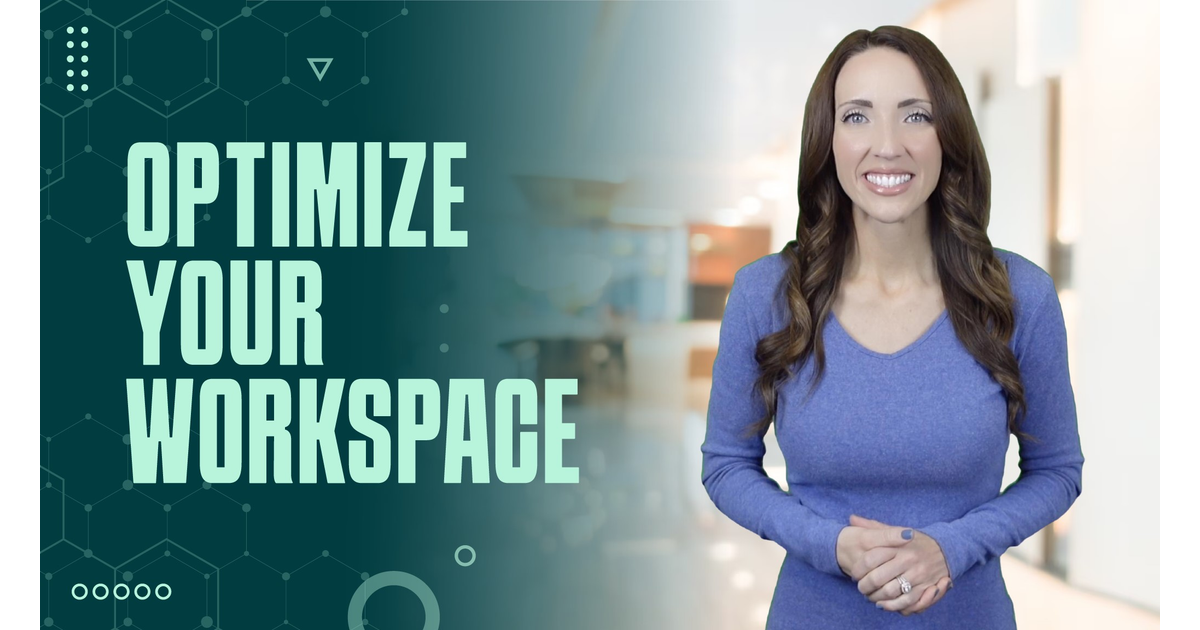
Ultimately, optimizing your workspace is about establishing boundaries, which is central to how to optimize your workspace for a better work-life balance. If your work equipment is always visible in your living room, you will be subconsciously reminded of your tasks during your downtime. If possible, store your laptop or professional tools in a drawer or cabinet at the end of the day.
When you treat your workspace with the same respect as a corporate office, you gain the freedom to step away from it. By creating these physical barriers, you are giving yourself permission to fully inhabit your personal life, leading to higher job satisfaction and improved mental well-being in 2026, and demonstrating how to optimize your workspace for a better work-life balance.
Conclusion: Take Control of Your Environment
Optimizing your workspace is a continuous process of refinement, and understanding how to optimize your workspace for a better work-life balance is crucial. Start by identifying the one aspect of your desk that causes you the most frustration—whether it is cable management, poor lighting, or a lack of storage—and address it today. Remember, a well-organized space is the first step toward a more balanced, productive, and fulfilling life. By investing in your environment, you are effectively investing in your long-term success and happiness.