
In 2026, our homes have become more connected than ever. From AI-powered refrigerators to biometric smart locks, the “Internet of Things” (IoT) has revolutionized how we live. However, this convenience comes with a significant trade-off: an expanded attack surface for cybercriminals. If your devices aren’t properly secured, you are essentially leaving the digital front door wide open. Understanding the best ways to protect your smart home network from hackers is paramount.
Protecting your smart home isn’t just about avoiding an inconvenience; it’s about data privacy and physical security. Hackers don’t just target laptops anymore—they often leverage tactics like phishing and social engineering to gain access, targeting the weak links in your smart ecosystem to gain a foothold in your network.
Why Smart Homes Are Prime Targets for Cyberattacks
Cybercriminals look for the path of least resistance. Many smart devices ship with default security settings that are notoriously easy to bypass, highlighting the importance of proper secure device configuration from the outset. Once a hacker gains access to a single “dumb” smart bulb or camera, they can move laterally through your network to reach your personal computers, smartphones, and sensitive financial data. This section will delve into why securing your smart home is critical and introduce some of the best ways to protect your smart home network from hackers.
1. Harden Your Router: The First Line of Defense
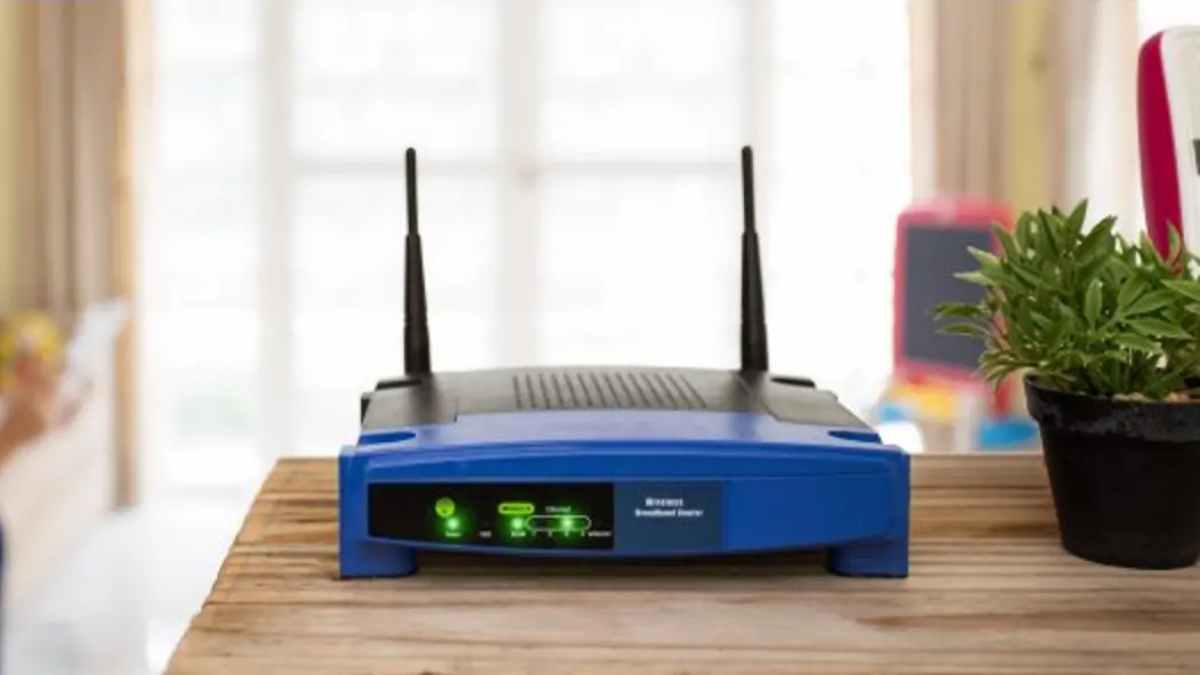
Your router is the gatekeeper of your digital kingdom. If your router is compromised, every device connected to it is at risk. Hardening your router is one of the best ways to protect your smart home network from hackers.
Enable WPA3 Encryption: By 2026, WPA3 is the industry standard. If your router supports it, enable it immediately. This ensures strong data encryption for your wireless traffic, offering robust protection against brute-force attacks compared to the aging WPA2 protocol.
Change Default Credentials: Never leave your router’s admin password as “admin” or “password.” Use a strong, unique passphrase generated by a reputable password manager.
Disable UPnP: Universal Plug and Play (UPnP) is convenient, but it allows devices to automatically open ports on your router’s firewall protection. Hackers love this feature because it bypasses security protocols. Turn it off in your router settings.
2. Implement Network Segmentation
One of the most effective Zero Trust strategies is to isolate your devices. Don’t let your smart toaster talk to your primary work laptop. Implementing network segmentation is among the best ways to protect your smart home network from hackers by limiting lateral movement.
Most modern routers allow you to create a Guest Network. Move all your IoT devices—smart cameras, speakers, and appliances—onto this separate network. If a smart light bulb is hacked, the attacker will be trapped on the isolated guest network, unable to reach your main devices containing your personal files.
3. Keep Firmware Updated at All Times
Manufacturers frequently release firmware updates to patch newly discovered vulnerabilities. Ignoring these updates, or neglecting a comprehensive vulnerability assessment of your smart home ecosystem, is one of the most common reasons smart homes get compromised. Keeping firmware updated is a fundamental part of the best ways to protect your smart home network from hackers.
Enable Auto-Updates: Check your device settings and ensure “Automatic Firmware Updates” is toggled on.
Manual Audits: Once a month, log into your device management apps to check for any pending security patches that may have been missed.
4. Practice Strong Password Hygiene
“123456” is still the most hacked password in the world. For every smart device you own, you must use a unique, complex password. Practicing strong password hygiene is crucial and one of the best ways to protect your smart home network from hackers.
If a service or app supports Multi-Factor Authentication (MFA), turn it on immediately. MFA adds a layer of security by strengthening device authentication protocols, requiring a secondary verification code, making it nearly impossible for a hacker to gain entry even if they possess your password.
5. Disable Unnecessary Features
Many smart devices come with features you might never use, such as remote access, voice control, or cloud-based data sharing. For devices that do rely on cloud services, adhering to cloud security best practices for your accounts is paramount. Disabling unnecessary features is another of the best ways to protect your smart home network from hackers.
Audit Your Permissions: If your smart fridge doesn’t need to be connected to the internet to function, disconnect it.
- Limit Remote Access: If you don’t need to control your smart home while you are away, disable remote access features. If remote access is essential, consider using a Virtual Private Network (VPN) to encrypt your connection and add an extra layer of security, removing the ability for hackers to probe your devices from across the globe.

6. Monitor Your Network Traffic
In 2026, advanced network monitoring tools and even consumer-grade intrusion detection systems (IDS) are more accessible than ever. Consider using a router with built-in security features that offer proactive threat detection and alert you to unusual behavior, such as a smart camera suddenly attempting to upload gigabytes of data to an unknown server in another country. Monitoring your network traffic is among the proactive best ways to protect your smart home network from hackers.
If you notice a device acting erratically, disconnect it from the power supply immediately and check the manufacturer’s support page for signs of a known security exploit.
Conclusion: Staying Vigilant in 2026
Securing your smart home is not a “set it and forget it” task. As technology evolves, so do the methods used by hackers. Performing regular security audits of your entire smart home setup is crucial. By adopting a Zero Trust mindset, segmenting your network, and keeping your firmware updated, you significantly reduce your risk of falling victim to a cyberattack. By diligently applying these best ways to protect your smart home network from hackers, you can significantly enhance your digital security posture.
Take control of your digital environment today. A few hours of configuration now can save you from the devastating consequences of a data breach or privacy intrusion tomorrow. Remember: your home should be your sanctuary, not an open playground for digital intruders. This article has outlined the best ways to protect your smart home network from hackers.