
This article provides a comprehensive guide on how to fix “No Signal” on external smart hub connections. Is your smart home ecosystem suddenly showing a frustrating “No Signal” error? Whether you are trying to stream content on your smart TV or managing your IoT devices through a centralized bridge, a connection failure or wireless connectivity issues can bring your smart home network automation to a standstill. As we move further into 2026, our reliance on smart device connectivity and smart hub connectivity has never been higher, making these glitches more than just a minor inconvenience.
In this guide, we will walk you through the most effective, field-tested troubleshooting steps to restore your hub’s signal and show you how to fix “No Signal” on external smart hub connections. From physical hardware checks to advanced network band configurations, these solutions are designed to get your devices talking to each other again in under ten minutes.
Step 1: Perform a Physical Hardware Audit
Before diving into complex software settings, you must rule out physical interference or signal interference, a crucial first step in how to fix “No Signal” on external smart hub connections. A loose HDMI cable or a damaged Ethernet port is often the culprit behind a “No Signal” message on external devices.
Inspect Cables: Unplug and firmly reconnect every cable associated with your smart hub. Ensure that your HDMI or Ethernet cables are Category 6 (Cat6) or higher to support the data speeds required in 2026.
Clear the Ports: If you are using a hub that connects via Ethernet, disconnect all devices from the hub’s ports. Sometimes, a faulty peripheral connected to an Ethernet port can cause a network failure or signal handshake error.
Check the Power Supply: Ensure your hub is plugged directly into a wall outlet rather than a power strip that might be failing to deliver consistent voltage.
Step 2: Resolve Network Bandwidth Conflicts
One of the most common reasons for a Smart Hub connection failure in 2026, and a key aspect of how to fix “No Signal” on external smart hub connections, is the clash between 2.4GHz and 5GHz Wi-Fi bands. Proper network configuration is vital, as issues with Wi-Fi signal strength can often manifest as a “No Signal” error. Many smart home devices are “legacy” and only support the 2.4GHz frequency, yet many modern routers try to force them onto the 5GHz band.
Separate Your Bands: Log into your router’s admin interface and adjust your router settings to ensure your 2.4GHz and 5GHz networks have distinct names (SSIDs).
Forced Connection: Connect your smart hub specifically to the 2.4GHz network. Once the hub is successfully paired and the signal is stable, you can re-enable your 5GHz band for your high-speed streaming devices.
Verify Credentials: It sounds simple, but double-check that your Wi-Fi password hasn’t expired or changed recently, as incorrect credentials will consistently trigger a “No Signal” or “Authentication Failed” error.
Step 3: Power Cycling and Factory Resets
If the physical connections are secure and your network is configured correctly, it is time to refresh the hub’s internal software, a vital step in how to fix “No Signal” on external smart hub connections. A power cycle clears the temporary cache that often accumulates during long-term operation.
- Unplug the Hub: Disconnect the power cable from the back of the hub.
- Wait 60 Seconds: This allows the capacitors to discharge fully, ensuring a “cold boot.”
- Restart Router: While the hub is off, restart your modem and router to clear any lingering IP address conflicts.
- Reconnect: Plug the hub back in first, wait for the status lights to stabilize, and then reconnect your devices one by one.
Step 4: Updating Firmware and Drivers
In 2026, smart hubs are essentially powerful computers. If your firmware is outdated, the hub may fail to communicate with newer smart devices or streaming servers due to device compatibility issues, leading to the “No Signal” error we’re trying to resolve as part of how to fix “No Signal” on external smart hub connections.
Check for Updates: Navigate to the “System” or “About” section in your hub’s mobile application. If an update is pending, perform it immediately.
Driver Compatibility: If you are using a third-party hub (like a SmartThings or Home Assistant bridge), ensure all device drivers are up to date. This includes checking for updates related to common Zigbee/Z-Wave protocols or other communication standards. An outdated driver can cause a device to appear as “No Signal” even when it is physically present on the network.
Step 5: Advanced Troubleshooting for Samsung Smart Hubs: Specific Guidance on How to Fix “No Signal” on External Smart Hub Connections
If you are specifically experiencing issues with a Samsung Smart TV Smart Hub, the problem often lies in the “Broadcasting” settings or the network handshake protocol.
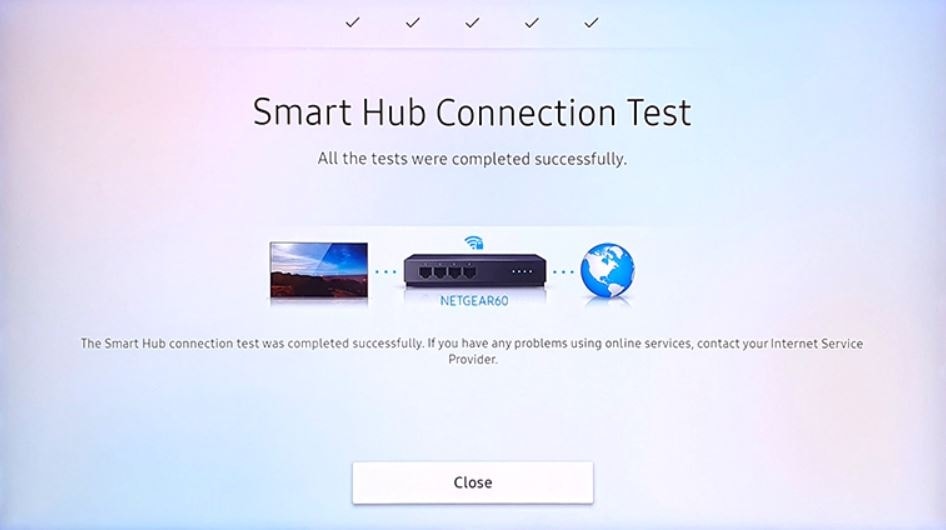
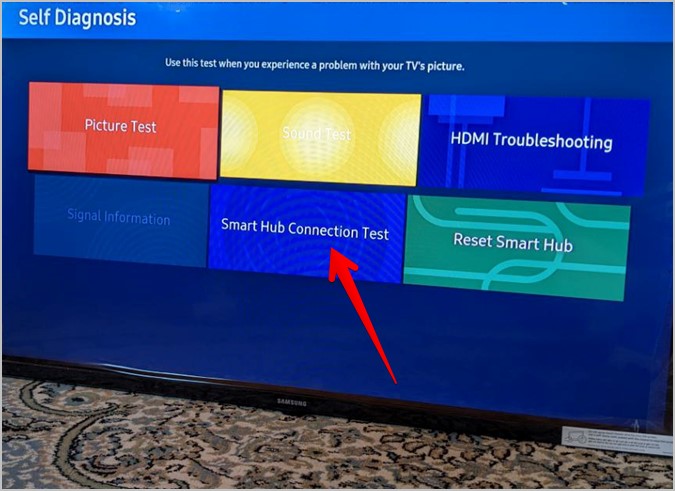
Run a Connection Test: Navigate to Settings > Support > Device Care > Self Diagnosis > Smart Hub Connection Test. This tool will pinpoint exactly where the handshake is failing—whether it’s the ISP, the router, or the TV’s internal Wi-Fi card.
Reset the Smart Hub: If the test fails repeatedly, you may need to reset the Smart Hub to its factory defaults. Note that this will require you to log back into your streaming apps.
Conclusion: When to Seek Professional Support
If you have followed these steps—checking physical cables, separating your Wi-Fi bands, power cycling, and updating your firmware—and you still see a “No Signal” error, then your efforts on how to fix “No Signal” on external smart hub connections and resolve wireless connectivity issues might point to a hardware defect within the hub itself.
In 2026, smart devices are built to be highly resilient, but internal components can still fail due to heat or power surges. If your hub is still under warranty, contact the manufacturer’s support team with the results of your Smart Hub Connection Test ready. By providing them with this data, you can significantly speed up the troubleshooting process and get your smart home back to its fully connected state.