
In the fast-paced landscape of 2026, where digital distractions are at an all-time high, the ability to stick to a plan is your greatest competitive advantage. We often start the year with ambitious goals, only to find our motivation waning by mid-February. Learning how to maintain routines consistently isn’t about willpower; it is about building a sustainable architecture for your daily life.
Consistency is the bridge between your current reality and your future potential. Whether you are looking to boost productivity, improve your physical health, or master a new skill, the secret lies in systems, not just sheer effort. This guide provides the blueprint for turning fleeting intentions into permanent habits.
Why Consistency Feels Hard (And Why It Doesn’t Have To)
Many people struggle with consistency because they rely on motivation rather than momentum. Motivation is a fickle emotion that fluctuates based on your energy levels and stress. Conversely, momentum is built through small, repeated actions that require less cognitive load over time.
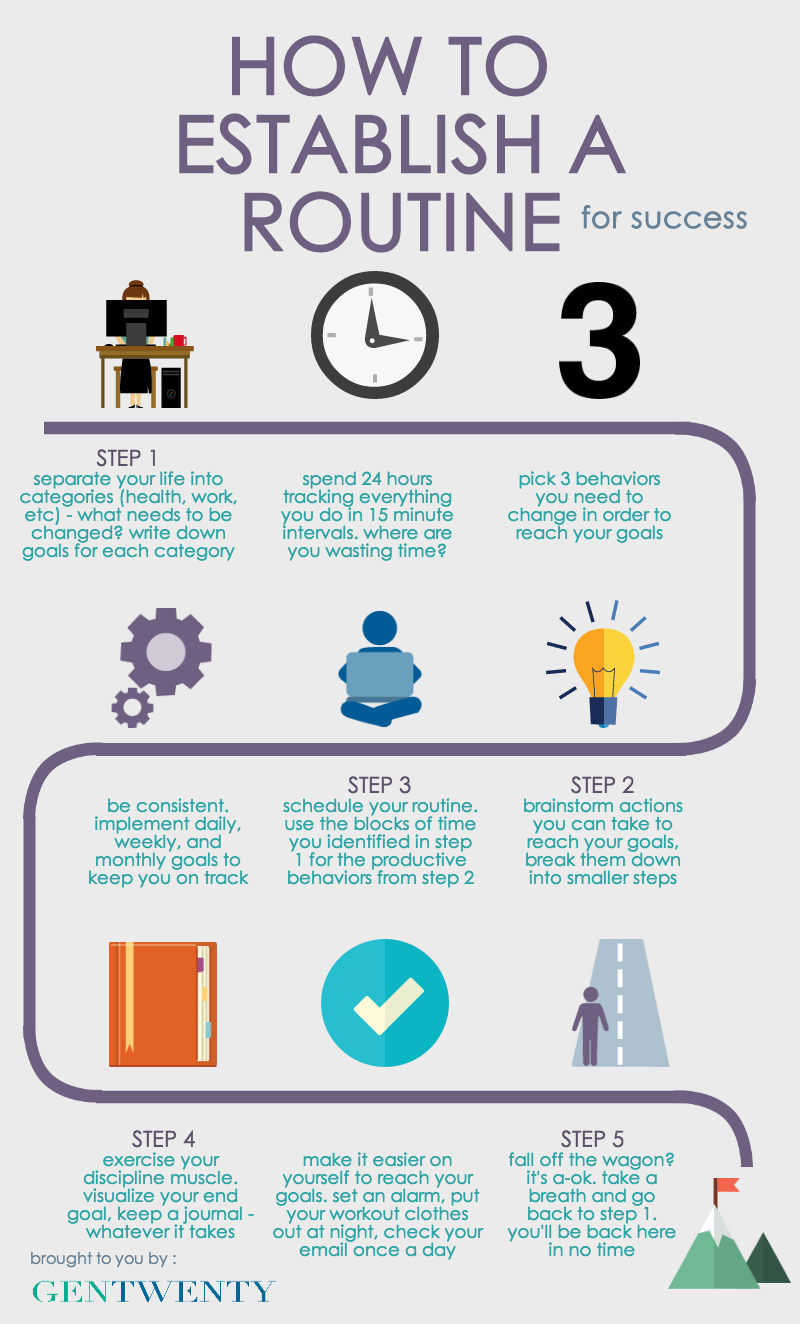
When you establish a routine, you are essentially automating decision-making. By reducing the number of choices you have to make throughout the day, you conserve mental energy for tasks that truly matter. In 2026, the most successful individuals are those who have mastered the art of habit stacking—the practice of layering a new behavior onto an existing one.
Step-by-Step Strategy to Develop Consistent Routines
To build a routine that actually lasts, you must move beyond vague intentions. Follow these actionable steps to create a framework that survives the pressures of daily life.
1. Start with Micro-Habits
The biggest mistake people make is trying to overhaul their entire life overnight. Instead, focus on micro-habits. If you want to start a morning exercise routine, don’t commit to an hour-long workout. Commit to five minutes. The goal is to show up, not to perform perfectly.
2. Define Your “Why”
Consistency requires a deeper purpose. When you hit a plateau, your “why” is what keeps you moving. Write down exactly why you want to maintain this specific routine. Is it for longevity? Professional growth? Mental clarity? Keep this reason visible to serve as a constant reminder during challenging days.
3. Use the Power of Environment
Your environment dictates your behavior more than you might realize. If you want to read more, place a book on your pillow. If you want to eat healthier, remove processed snacks from your counter. Optimize your surroundings so that the desired habit becomes the path of least resistance.

Proven Rules to Stay Consistent Long-Term
Consistency is not a destination; it is a continuous practice. To avoid burnout and stay on track throughout 2026, implement these expert-backed strategies:
- Never Miss Twice: Life happens. If you miss a day, don’t spiral into guilt. The “never miss twice” rule ensures that a one-time slip-up doesn’t turn into a permanent breakdown of your routine.
- Track Your Progress: Use a habit tracker or a simple journal to mark your progress. Seeing a streak of “wins” provides a dopamine hit that encourages you to keep going.
- Audit Your Routine: Every month, review what is working and what isn’t. If a part of your routine feels forced, adjust it. Flexibility is essential for long-term habit maintenance.
- Accountability Partners: Share your goals with a friend or a community. Public accountability significantly increases the likelihood that you will follow through on your commitments.
Leveraging Technology for Habit Maintenance
In 2026, we have access to incredible tools that simplify the process of staying consistent. From AI-powered scheduling assistants to intuitive habit-tracking apps, technology should be your ally, not your distraction.
<img alt="5 Tools to Help Maintain Routines + Habits | Day Designer" src="https://io.dropinblog.com/uploaded/blogs/34245846/files/featured/5ToolsMaintainRoutinesHabitsBlog050917.png” style=”max-width:100%; height:auto; border-radius:8px; margin: 1rem 0;” />
The key is to use these tools to automate and remind. Use digital calendars to block out time for your non-negotiables. By treating your routine as an essential meeting with yourself, you prioritize your well-being amidst a busy calendar.
Overcoming the “Consistency Plateau”
You will inevitably reach a stage where the excitement of a new routine fades. This is the Consistency Plateau. To overcome this, focus on process-oriented goals rather than outcome-oriented ones. Instead of focusing on “losing ten pounds,” focus on “walking for 30 minutes every day.” By shifting your focus to the action itself, you regain control and reduce the pressure of immediate results.
Final Thoughts: Consistency is a Lifestyle
Learning how to maintain routines consistently is the ultimate form of self-respect. It is a promise you make to yourself to show up, regardless of how you feel. By starting small, optimizing your environment, and remaining flexible, you can build a life that feels both productive and balanced.
As you navigate the remainder of 2026, remember that consistency doesn’t require perfection. It requires persistence. Start today, stay the course, and watch how your small, daily actions compound into extraordinary results.