
In 2026, the noise of the digital world has never been louder. With the rapid evolution of AI-driven workflows and constant connectivity, the most valuable currency isn’t money—it’s time. Most people struggle with consistency not because they lack discipline, but because they lack a structured daily system.
Building a time-saving daily system is about creating a “frictionless” environment where your most important tasks happen on autopilot. By shifting from reactive “fire-fighting” to proactive system design, you can reclaim hours every single week. This guide will show you exactly how to engineer your day for maximum output and minimal stress.

The Foundation: Why Systems Beat Willpower
Willpower is a finite resource. If you rely on “motivation” to get your work done, you will eventually burn out. A time-saving daily system acts as an external brain, removing the need to make constant decisions about what to do next.
To build a sustainable routine, you must simplify your approach. Instead of overwhelming your schedule, focus on high-leverage habits. Consistency is the byproduct of a system that is easy to start and hard to ignore.
3 Proven Methods to Master Your Schedule
To build a system that actually sticks, you need to borrow from time-tested productivity frameworks. Here are three methods that remain the gold standard in 2026:
1. The Pomodoro Technique
Developed in the late 1980s, the Pomodoro Technique remains one of the most effective ways to maintain high-intensity focus. By structuring your work into 25-minute intervals followed by a short break, you create artificial urgency. This prevents mental fatigue and keeps your brain sharp throughout the day.
2. Time Blocking
Time blocking is the practice of assigning specific tasks to specific windows of time. Rather than working from a chaotic to-do list, your calendar becomes your master plan. When you block out time for deep work, you protect your focus from distractions.
3. SMART Goals
To ensure your daily system is moving the needle, align your tasks with SMART goals (Specific, Measurable, Achievable, Relevant, and Time-bound). If a task doesn’t fit into these criteria, it’s likely just “busy work” that can be delegated or deleted.
Designing Your Workflow: A Step-by-Step Approach
Creating a system isn’t about rigid perfection; it’s about iterative improvement. Follow these steps to build your own:
- Audit Your Time: Spend three days tracking exactly where your time goes. You’ll likely find “time leaks” in social media scrolling or unnecessary meetings.
- Prioritize the “Big Three”: Every morning, identify the three tasks that will have the biggest impact on your goals. Do these first before checking email.
- Automate and Delegate: In 2026, leverage AI tools to handle repetitive tasks like scheduling, data entry, or email drafting. If an AI can do it, you shouldn’t be wasting your brainpower on it.
- The Power of the Night-Before Prep: Spend 10 minutes every evening planning the next day. This eliminates “decision fatigue” when you wake up, allowing you to hit the ground running.
Using Technology to Sustain Your System
Efficiency isn’t just about hard work; it’s about smart tools. Whether it’s a digital dashboard to track your habits or an automated expense tracker, the right software can save you hours.
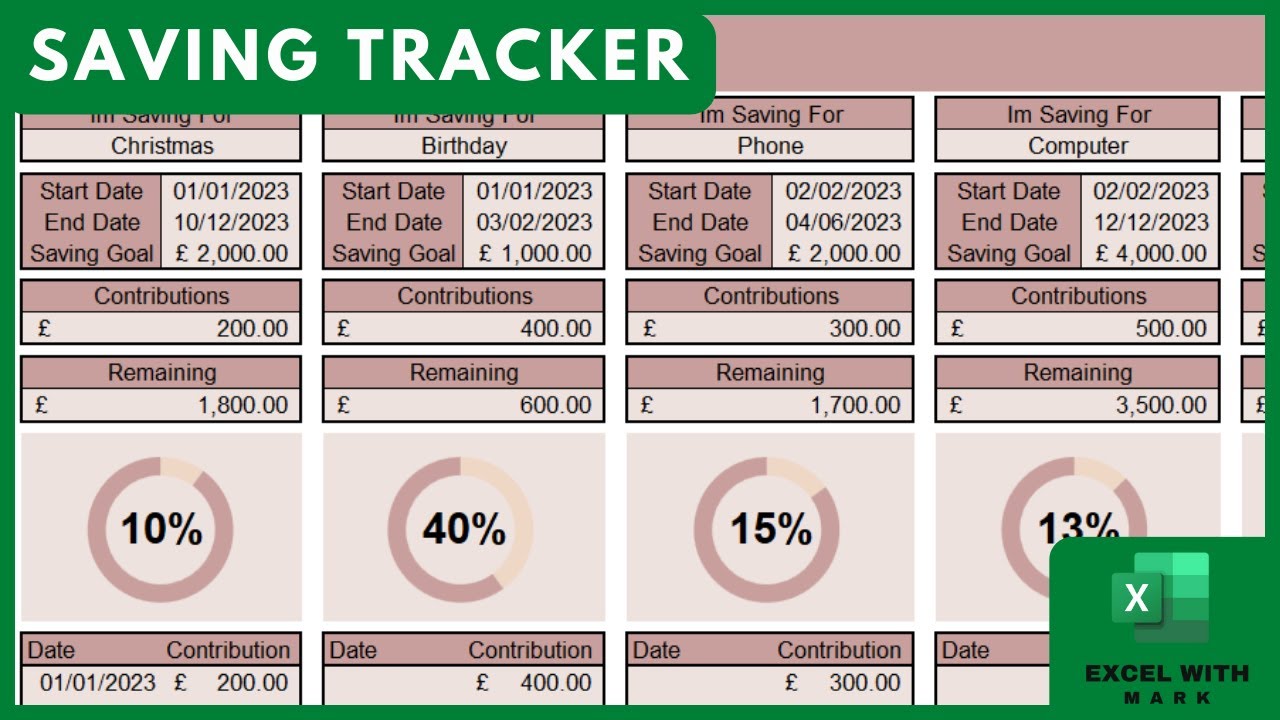
By designing an efficient tracking system—whether for your finances, your fitness, or your project milestones—you remove the mental load of remembering details. When your data is organized, your decision-making becomes faster and more accurate.
Overcoming Common Pitfalls
Even the best systems fail if you don’t account for reality. Here is how to keep your system resilient:
- Build in “Buffer Time”: Never schedule your day back-to-back. Leave 15-30 minute gaps between tasks to handle emergencies or simply decompress.
- Embrace Flexibility: If your system breaks for one day, don’t abandon it. The “never miss twice” rule is the secret to long-term consistency.
- Review Weekly: Every Sunday, perform a “weekly review.” Look at what worked, what didn’t, and adjust your system for the week ahead.
Conclusion: Start Small, Scale Big
Building a time-saving daily system isn’t an overnight project. It is a commitment to optimizing your life for the things that truly matter. By implementing techniques like the Pomodoro method, time blocking, and smart automation, you are no longer a slave to your calendar—you are the architect of it.
Start by picking just one of the methods mentioned above and applying it for the next seven days. Once that becomes a habit, layer in the next component. By the end of 2026, you won’t just be busier; you’ll be significantly more productive and far less stressed.