
The concept of the “smart home” has evolved significantly. By 2026, it is no longer just about convenience or energy savings; it is about universal design and independence. An accessible smart home leverages interconnected technology to remove barriers related to physical and cognitive limitations, as well as sensory impairments and mobility challenges, allowing individuals of all abilities to live more autonomously.
Whether you are designing for aging-in-place, managing a physical disability, or creating a more inclusive environment for guests, optimizing your home ecosystem is a transformative process. This guide explores How to optimize your smart home for better accessibility for all, leveraging modern automation to foster a truly accessible living space.
The Foundation of an Accessible Smart Home
Creating an accessible environment, and understanding How to optimize your smart home for better accessibility for all, begins with a robust, reliable, and user-friendly infrastructure. Without a stable network, your assistive devices cannot communicate effectively.
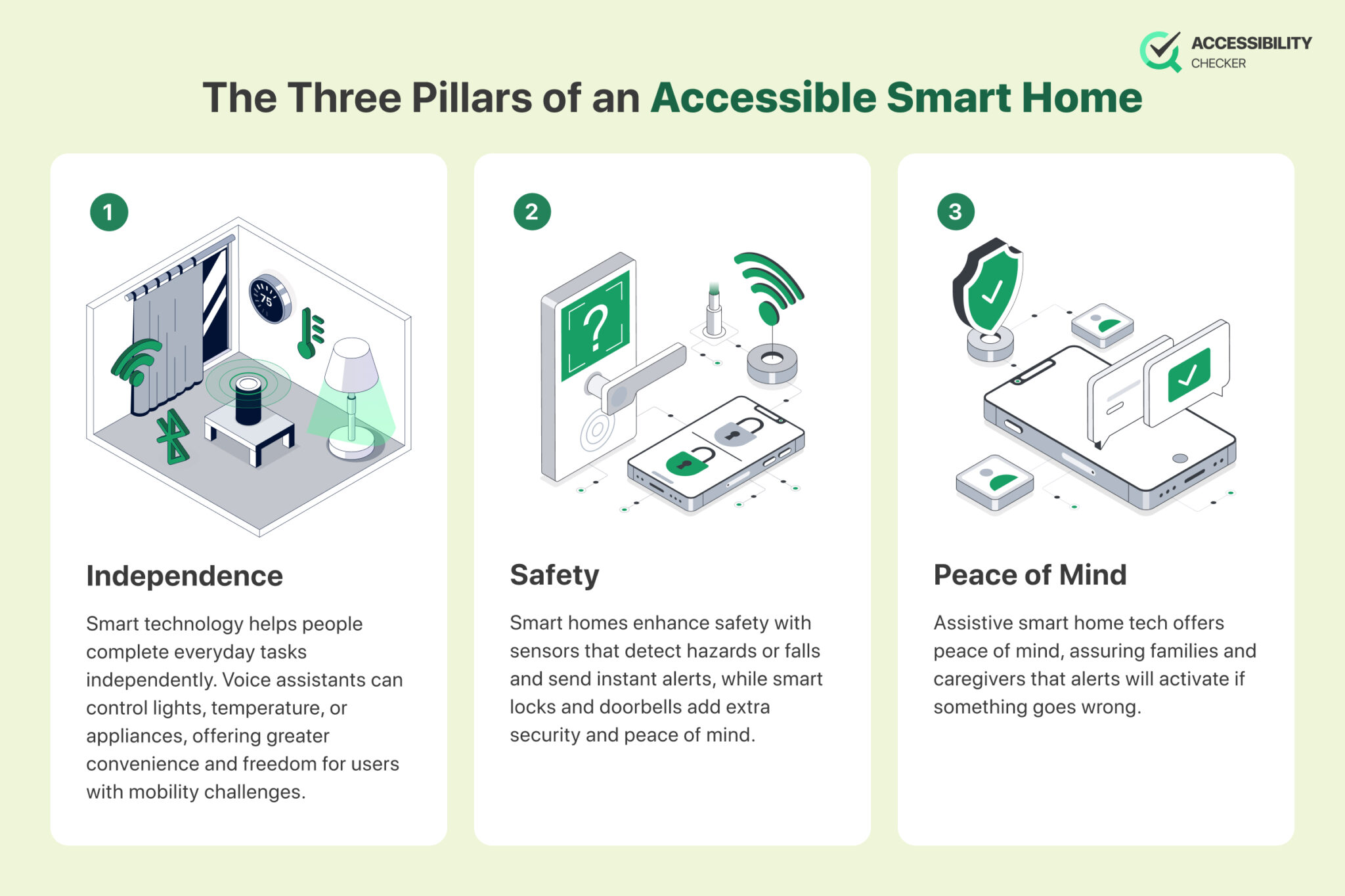
To ensure your home is ready for advanced accessibility features, and to truly understand How to optimize your smart home for better accessibility for all, focus on centralized control. By integrating your devices into a single ecosystem—such as Matter-compliant platforms—you eliminate the frustration of managing multiple disparate apps. A unified system is the bedrock of smart home integration and smart home accessibility, providing a predictable, stable, and user-friendly interface experience for everyone.
Voice Control: The Ultimate Assistive Tool
For individuals with limited mobility or dexterity, voice assistants have become the gold standard for home interaction, playing a key role in How to optimize your smart home for better accessibility for all. In 2026, voice recognition technology is more nuanced than ever, capable of understanding diverse speech patterns and regional dialects with high accuracy, offering crucial cognitive accessibility features.
Hands-Free Automation: Use voice commands to adjust smart thermostats, lock doors, or control lighting.
Routine Creation: Program “scenes” that trigger multiple actions with a single phrase, such as “Goodnight,” which locks all doors, turns off lights, and sets the alarm.
- Emergency Integration: Configure your voice assistant to dial emergency services or alert caregivers if a specific distress command is spoken.
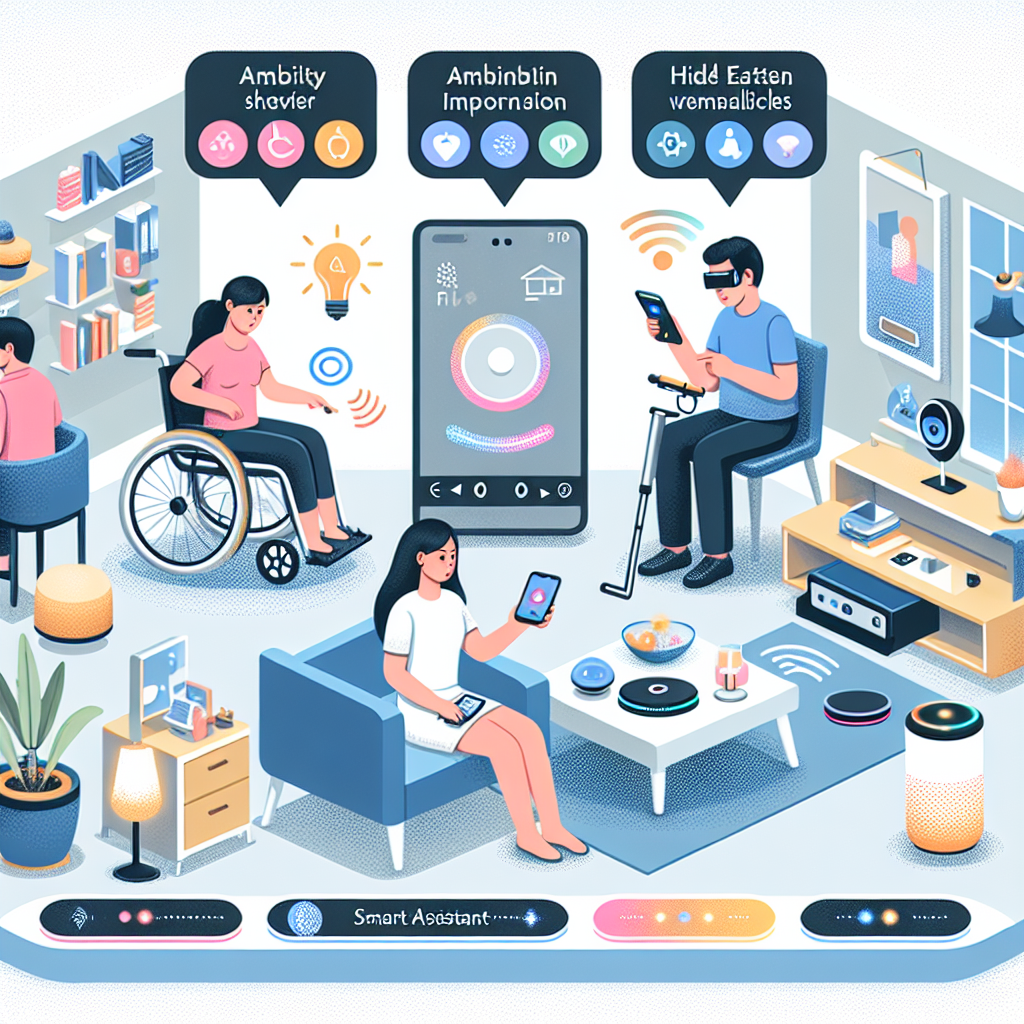
Automating Everyday Tasks for Independence
The true power of home automation lies in its ability to perform tasks without requiring active input. By utilizing sensors and intelligent scheduling, you can turn your home into a proactive partner in daily living.
Smart Lighting and Motion Sensors
Motion-activated lighting is essential for preventing falls, and a prime example of How to optimize your smart home for better accessibility for all. By installing smart occupancy sensors, lights can automatically illuminate hallways and bathrooms when someone enters, eliminating the need to search for physical switches in the dark. Advanced systems can even incorporate fall detection systems for added safety, alerting caregivers if an incident occurs.
Automated Climate Control
Smart thermostats in 2026 learn your preferences and adjust the temperature based on your daily routine, utilizing customizable accessibility settings to contribute significantly to How to optimize your smart home for better accessibility for all. This is particularly beneficial for those with medical conditions that make them sensitive to extreme temperatures, as the system can maintain an optimal environment without manual intervention.
Smart Locks and Video Doorbells
Security is a primary concern for accessibility, and a key aspect of How to optimize your smart home for better accessibility for all. Smart locks allow you to grant remote access to family members or caregivers without needing to physically get to the door. Paired with a video doorbell, you can verify visitors from a smartphone or tablet screen before deciding to unlock the entrance, enhancing remote monitoring capabilities for peace of mind.
Integrating Specialized Assistive Technology
While mainstream smart devices are powerful, sometimes you need specialized hardware to truly understand How to optimize your smart home for better accessibility for all. The market for adaptive smart home devices has expanded, offering assistive technology solutions like automatic medication dispensers, smart kitchen appliances with tactile or voice-guided interfaces, and adaptive window blind controls.
When selecting these devices, prioritize compatibility. Always check if the device supports open standards, ensuring it can talk to your primary smart hub. Many manufacturers now offer accessibility-first designs, featuring high-contrast buttons, haptic feedback, and simplified UI layouts.
Financial and Planning Considerations
Transforming a home, and learning How to optimize your smart home for better accessibility for all, can be a significant investment, but there are resources available to help. Many regions offer funding sources for home modifications, including government grants, insurance programs, and tax incentives for accessibility upgrades.
Before purchasing, conduct a needs assessment. Identify the specific “pain points” in your daily routine. Are you struggling with light switches? Is reaching the thermostat difficult? Prioritize your upgrades based on these challenges to ensure the highest return on your investment in terms of comfort and safety.
Conclusion: A Future of Inclusive Living
Optimizing a smart home for accessibility, and understanding How to optimize your smart home for better accessibility for all, is an ongoing journey, not a one-time project. As technology continues to advance throughout 2026 and beyond, the focus remains on empowerment. By thoughtfully integrating voice control, automated sensors, and specialized assistive devices, you can create a space that adapts to the user, rather than forcing the user to adapt to the home.
Remember, the goal is to create an environment that is intuitive, safe, and welcoming. By following these best practices, you are not just building a smart home—you are building a sanctuary of independence.