
In our hyper-connected world, the glow of a smartphone screen is often the last thing we see before closing our eyes and the first thing we reach for upon waking. While technology has revolutionized how we work and communicate, it has also introduced a significant challenge to our natural circadian rhythms. By 2026, the link between screen time and sleep deprivation, often leading to chronic insomnia and other sleep disturbances, is clearer than ever, making it essential to learn how to optimize your digital lifestyle for better sleep quality.
Improving your rest isn’t about abandoning technology entirely; it is about cultivating digital well-being and hygiene that respects your biological need for restorative downtime. By implementing strategic tech tweaks, you can reclaim your sleep and boost your overall health, a crucial step in understanding how to optimize your digital lifestyle for better sleep quality.
The Science Behind Tech and Sleep Disruption
To understand why your devices are keeping you awake, we must look at the impact of blue light exposure. Screens emit high-energy visible (HEV) light that mimics daylight, signaling to your brain that it is time to be alert. This suppression of melatonin production—the hormone responsible for sleep—makes it significantly harder to drift off into deep, restorative cycles, impacting your overall sleep architecture and the vital REM sleep stages, underscoring the importance of knowing how to optimize your digital lifestyle for better sleep quality.
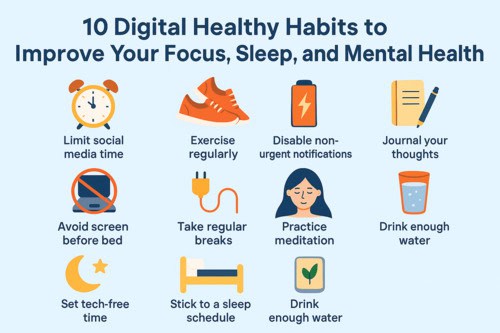
Beyond the light itself, the psychological stimulation of scrolling through social media or checking emails late at night keeps the mind in a state of high arousal. The constant stream of notifications and content can trigger dopamine release, while the associated stress elevates cortisol levels, preventing your nervous system from downshifting into the parasympathetic state required for quality rest. This “revenge bedtime procrastination” is a common habit in 2026 that prevents your nervous system from downshifting into the parasympathetic state required for quality rest, highlighting another aspect of how to optimize your digital lifestyle for better sleep quality.
Establishing a Digital Sunset Routine
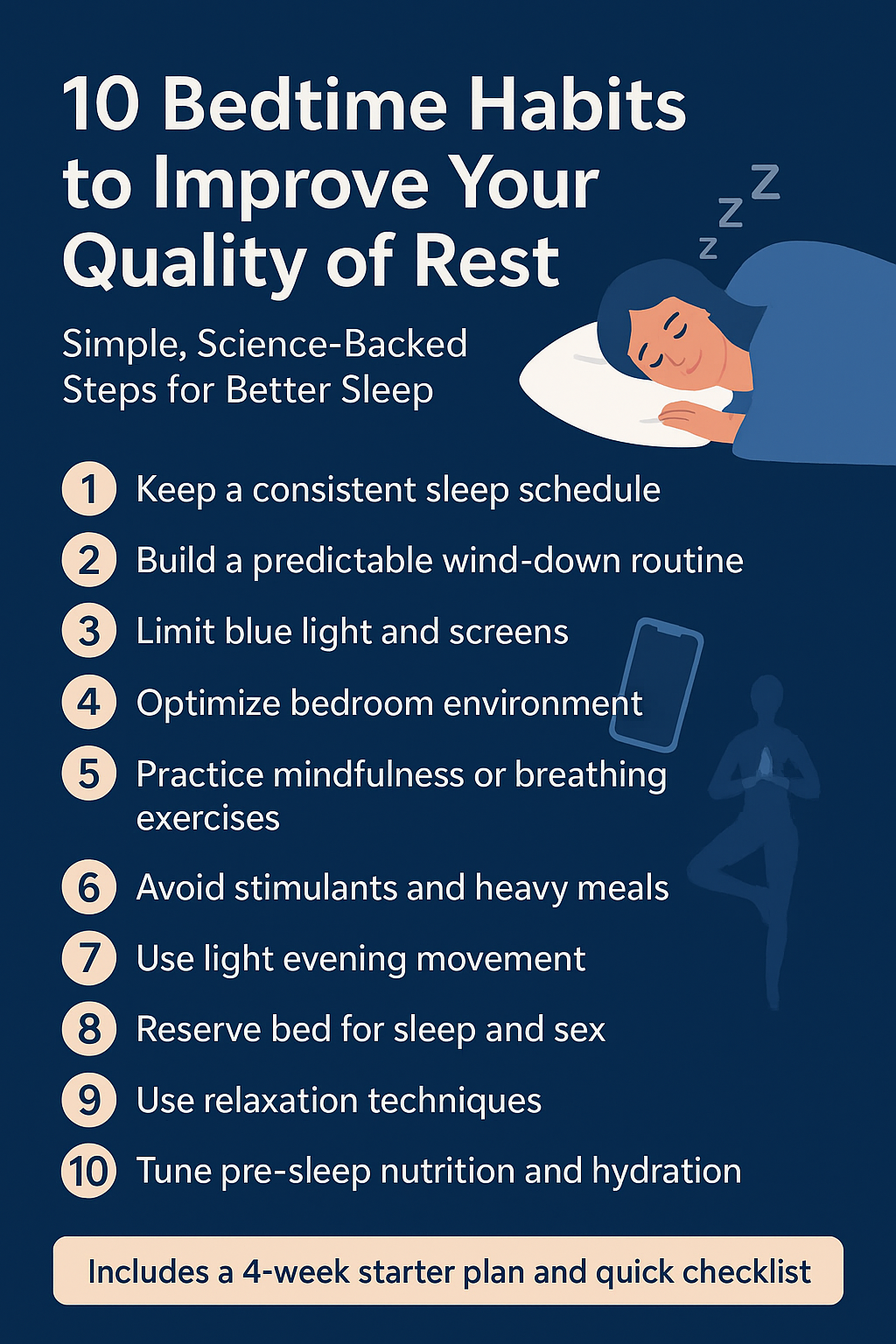
One of the most effective ways to learn how to optimize your digital lifestyle for better sleep quality is to establish a strict “digital sunset” or a calming pre-sleep routine. This involves creating a buffer zone between your last interaction with a screen and your time in bed.
The 60-Minute Rule: Aim to power down all electronic devices at least one hour before sleep. Use this time for analog activities like reading a physical book, journaling, or gentle stretching, a key step in establishing a consistent sleep schedule and how to optimize your digital lifestyle for better sleep quality.
Charging Outside the Bedroom: Remove your phone from the nightstand. By charging your devices in another room, you eliminate the temptation to check notifications during the night or immediately upon waking, contributing to an optimal sleep environment.
- Utilize “Do Not Disturb” Modes: Configure your devices to automatically silence non-essential notifications starting at a specific time each evening. This ensures that your sleep environment remains peaceful and free from digital interruptions, an essential practice when considering how to optimize your digital lifestyle for better sleep quality.
Tech Tweaks for Better Sleep Hygiene
If you absolutely must use technology in the evening, you can utilize modern tools to mitigate the negative effects. Consider using blue light blocking glasses if screen use is unavoidable. As we move through 2026, software and hardware have become more sophisticated in protecting our sleep, offering more ways to learn how to optimize your digital lifestyle for better sleep quality.
Use Night Mode and Blue Light Filters
Most modern operating systems now feature Night Shift or Eye Comfort Shield modes. These settings automatically adjust the color temperature of your screen, shifting from cool blue tones to warmer, amber hues as the sun sets. While not a total substitute for avoiding screens, it significantly reduces the intensity of light that disrupts your circadian rhythm.
Curate Your Digital Environment
Your digital space should be as organized as your physical bedroom. Unsubscribe from high-stress newsletters, mute aggressive group chats, and organize your home screen to minimize “notification anxiety.” A cluttered digital interface can subconsciously keep you in a state of stress, which is the enemy of a good night’s sleep, and counterproductive to efforts to understand how to optimize your digital lifestyle for better sleep quality.
Managing Compulsive Screen Use
Breaking the cycle of compulsive screen use is vital for long-term sleep health. Many of us suffer from “doomscrolling,” a habit that can easily bleed into our bedtime routine. To manage this and truly learn how to optimize your digital lifestyle for better sleep quality, consider the following:
- Set App Time Limits: Use built-in screen time management tools to cap your usage of social media and entertainment apps during the evening hours.
- Replace Screens with Audio: If you struggle to fall asleep in silence, try using calming audio instead of visual content. Podcasts, ambient noise, or guided meditations are excellent alternatives that don’t require light exposure.
- Practice Mindfulness: Use your device to support your sleep rather than hinder it. Apps dedicated to guided meditation or breathwork can help calm the mind, provided you use them with the screen turned face down.
The Long-Term Benefits of a Digital Detox
Learning how to optimize your digital lifestyle for better sleep quality is not just about sleeping better tonight; it is about protecting your health for years to come. Monitoring sleep quality metrics can help track progress. Consistent, high-quality sleep is linked to improved cognitive function, emotional regulation, and immune health. By setting boundaries with your screens, you are essentially investing in your future productivity and mental well-being.
When you master your digital habits, you regain control over your time and your energy levels. You will likely find that your focus during the day improves significantly because you aren’t perpetually operating on a sleep deficit.
Conclusion: Taking Control of Your Sleep in 2026
Optimizing your digital lifestyle for better sleep quality is a journey of intentionality. By understanding how blue light and digital stimulation impact your body, you can make informed decisions about your nightly habits. Whether it’s moving your charger out of the bedroom, enabling warmer screen tones, or committing to a 60-minute digital sunset, every small change contributes to a more restorative night.
Start today by auditing your current evening tech habits. You don’t have to change everything at once; even subtle tweaks to your environment can lead to profound improvements in the quality of your rest, helping you truly understand how to optimize your digital lifestyle for better sleep quality. Remember, your technology should serve you, not dictate your sleep schedule.