
Keeping a living space pristine often feels like a never-ending battle against entropy. In 2026, the philosophy behind home maintenance has shifted from "working harder" to "working smarter." With the integration of AI-powered tools and a deeper understanding of surface science, you can transform your chore list from a weekend burden into a streamlined, low-stress routine.
Whether you are a busy professional balancing a hectic career or simply looking to reclaim your Saturdays, the goal remains the same: achieving a spotless, hygienic environment without sacrificing your valuable time. This guide explores the professional-grade strategies and modern hacks that define the standard for efficient cleaning this year.
The Philosophy of Efficient Cleaning: Why Less is More
Efficiency isn't just about speed; it is about resource management. By minimizing the energy, water, and time spent on chores, you create a sustainable rhythm that prevents dirt buildup before it starts. The "catch-up" cycle—where we wait for a mess to become overwhelming before tackling it—is the single biggest enemy of a happy home.
When you adopt an efficient mindset, you stop viewing cleaning as an event and start viewing it as a series of small, integrated habits. This shift not only keeps your home looking better but also significantly reduces the mental load of household management.

Step 1: Decluttering – The Hidden Productivity Hack
You cannot effectively clean a cluttered surface. Attempting to wipe down a desk covered in papers or a floor strewn with toys forces you to move objects constantly, which adds unnecessary friction to your workflow.
The "Staging" Technique
Before you touch a single cleaning cloth, do a "staging" pass. Walk through the room with a basket and collect items that don't belong. Don't worry about putting them away perfectly yet—just group them by destination. By clearing the floor and surfaces first, you reduce the physical obstacles, allowing you to move through your cleaning sequence at double the speed.
Step 2: The Vertical Rule – Top to Bottom, Back to Front
One of the most common mistakes beginners make is cleaning in a random pattern. Gravity is a constant force, and it works against you if you start at the floor. If you vacuum the carpet and then dust the ceiling fan, you have effectively undone your hard work.
Why Top-Down Matters
Always start with the highest points: ceiling fans, light fixtures, and high shelves. As you wipe these surfaces, dust particles will naturally drift downward onto the floors. By saving the vacuuming or mopping for the final step, you ensure that you aren't leaving behind fresh debris on clean surfaces.
The Corner-to-Exit Strategy
When cleaning a room, always start in the corner farthest from the door and move backward toward the exit. This prevents you from "trapping" yourself in a corner and walking over surfaces you have just sanitized.
Step 3: Essential Tools for the Modern Home
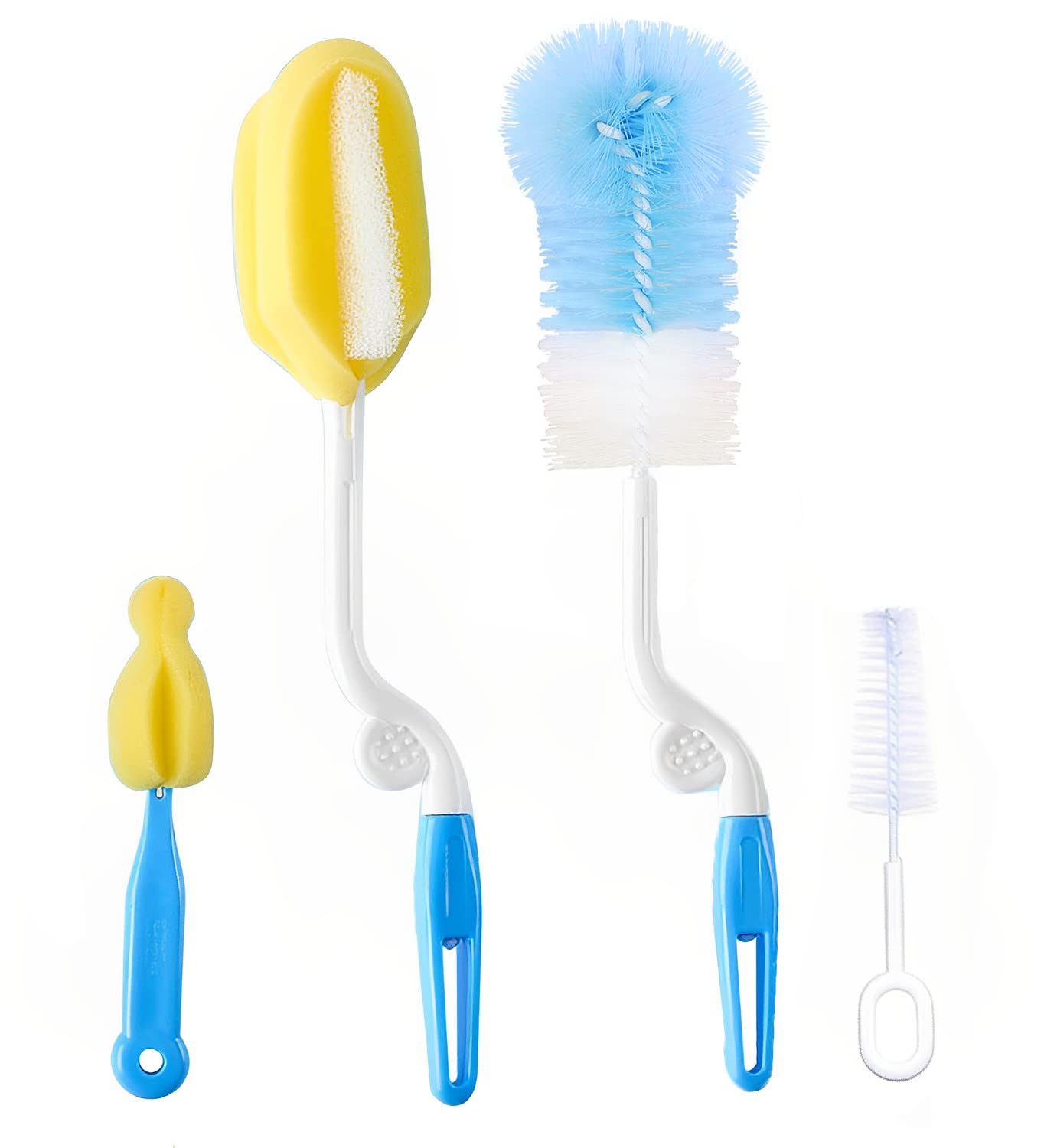
In 2026, your cleaning arsenal should focus on multipurpose efficacy. You don't need a cupboard full of specialized chemicals. In fact, relying on a few high-quality, versatile products is the hallmark of a professional cleaner.
- Microfiber Cloths: These are non-negotiable. Their split fibers trap dirt and bacteria rather than just pushing them around. They are also machine washable, making them a sustainable and cost-effective investment.
- High-Quality Vacuum with Attachments: Your vacuum should handle everything from hardwood floors to upholstery. Utilizing the right attachment for tight crevices saves you from having to move heavy furniture.
- The "Caddy" System: Keep your most-used supplies in a portable caddy. When you have to walk back and forth to the kitchen to grab a spray bottle, you lose momentum. Carrying your supplies with you keeps the process fluid.
Step 4: The Science of Dwell Time
Many people spray a surface and immediately wipe it off. This is a common productivity killer. Cleaning agents, especially disinfectants and degreasers, require dwell time to break down molecular bonds in dirt and bacteria.
Pre-Treating for Success
When tackling the bathroom or kitchen, spray your surfaces first and let the product sit for three to five minutes. During this time, perform a quick task elsewhere, such as clearing the trash or organizing a drawer. When you return, the dirt will be loosened, allowing you to wipe it away with a single, gentle motion rather than intense scrubbing.
Step 5: Integrating Technology in 2026
The cleaning industry has seen a massive shift in 2026. Data suggests that nearly 30% of independent operators and smart-home users are now utilizing AI-powered scheduling and automated devices to maintain their spaces.
Automation Benefits
Robot vacuums have become significantly more advanced, capable of mapping complex floor plans and self-emptying. While they don't replace deep cleaning, they are the ultimate tool for preventative maintenance. By running a robot vacuum daily, you prevent the accumulation of dust and hair, which extends the life of your flooring and maintains air quality.
Step 6: Room-by-Room Breakdown
To keep your home efficient, focus your energy where it makes the most impact.
The Kitchen
The kitchen is the heart of the home, but it is also the most bacteria-prone area.
- Empty the dishwasher first so you have a place to put dirty dishes immediately.
- Soak greasy pans or stubborn stovetop stains while you wipe down countertops.
- Wipe down appliances using a streak-free microfiber cloth.
The Bathroom
- Apply toilet cleaner first and let it dwell.
- Spray the shower and sink with a multipurpose cleaner.
- Clean mirrors and glass surfaces while the products work on the grime.
- Finish by scrubbing the surfaces you pre-treated.
Addressing the "Busy Life" Factor
If you feel like you never have enough time, start by setting a timer. It sounds simple, but a 15-minute "power clean" is often more effective than a two-hour marathon session. When you know you only have 15 minutes, you naturally prioritize the tasks that yield the highest visual and hygienic return.
Focus on high-traffic areas: the kitchen island, the entryway, and the bathroom. A clean entryway creates an immediate feeling of order the moment you step through the door, even if the rest of the house is in "lived-in" condition.
Frequently Asked Questions
1. How often should I perform a deep clean?
While daily habits keep things tidy, a deep clean should happen monthly. This involves moving furniture, cleaning baseboards, and laundering curtains. By keeping up with daily maintenance, the "deep clean" becomes much less daunting.
2. Can I really clean effectively with only a few products?
Absolutely. A quality all-purpose cleaner, a glass cleaner, and a disinfectant are usually enough for 90% of surfaces. Overloading your shelves leads to confusion and wasted money.
3. Does professional cleaning equipment really make a difference?
Yes. Professional tools, such as HEPA-filter vacuums, remove significantly more allergens than budget models. They are built for longevity and performance, which ultimately saves you money by not requiring frequent replacements.
4. What is the biggest mistake people make when cleaning?
Over-cleaning with too much product. Using excessive soap or detergent leaves a residue that actually attracts more dirt, making your next cleaning session even harder. Always follow the dilution instructions on the label.
5. How do I maintain motivation?
Pairing chores with an audiobook or a podcast is a classic trick. More importantly, focus on the result—the relief of a clear space—rather than the act itself.
Conclusion: The Sustainable Future of Clean
Efficient cleaning is a skill that evolves with your lifestyle. By implementing the "top-to-bottom" rule, utilizing proper dwell time, and embracing the help of modern automation, you turn a chore into a seamless part of your day. In 2026, the best home is not the one that is scrubbed for hours, but the one maintained with consistent, intelligent habits.
Start small. Tomorrow morning, try making your bed and wiping down your bathroom sink immediately after use. You will be surprised at how much these minor, efficient actions impact your overall quality of life. A clean space is more than just an aesthetic choice; it is a foundation for your well-being and productivity in the year ahead.
References
- American Cleaning Institute — Fast and Efficient Home Cleaning Guide, 2026
- House Cleanify — Ultimate Guide to Effective Cleaning Techniques, 2024
- Cleaners App — The Ultimate Guide to Efficient Cleaning Practices for Businesses, 2023
- Interclean — 10 Trends in Professional Cleaning and Hygiene for 2026, 2026
- Portal Cleaning — Expert Tips for Efficient Cleaning Processes and Routines, 2024
- Castle (EU) Ltd — Top Cleaning Industry Trends for 2026