
In an era defined by constant noise and digital distraction, the quest for self-improvement can feel overwhelming. Many people believe that transforming their lives requires massive, life-altering events or overnight success. However, research from Duke University suggests that over 40% of our daily actions are driven by habit, not conscious decisions. By shifting your focus toward easy personal development habits, you can harness the power of consistency to reshape your future in 2026.
Small, intentional actions act as the silent architects of your existence. When you replace automatic, unproductive behaviors with positive daily rituals, you aren't just changing your schedule—you are fundamentally upgrading your mindset, health, and emotional resilience. This guide explores how to build a better life by starting small, staying consistent, and leveraging science-backed strategies for lasting growth.
Why Small Habits Are the Secret to Success in 2026
The most common mistake in personal growth is attempting to overhaul your life all at once. When you try to change everything, you often end up changing nothing. Consistency is the cornerstone of progress, and small, incremental changes are far more sustainable than radical shifts.
- Compound Results: Tiny actions, such as a 10-minute walk or daily gratitude journaling, compound over time to create significant life transformations.
- Reduced Friction: Small habits are easier to stick with because they require less willpower and fit seamlessly into your existing routine.
- Identity Building: Every time you complete a small positive habit, you reinforce the belief that you are the type of person who shows up for themselves, which builds long-term confidence.
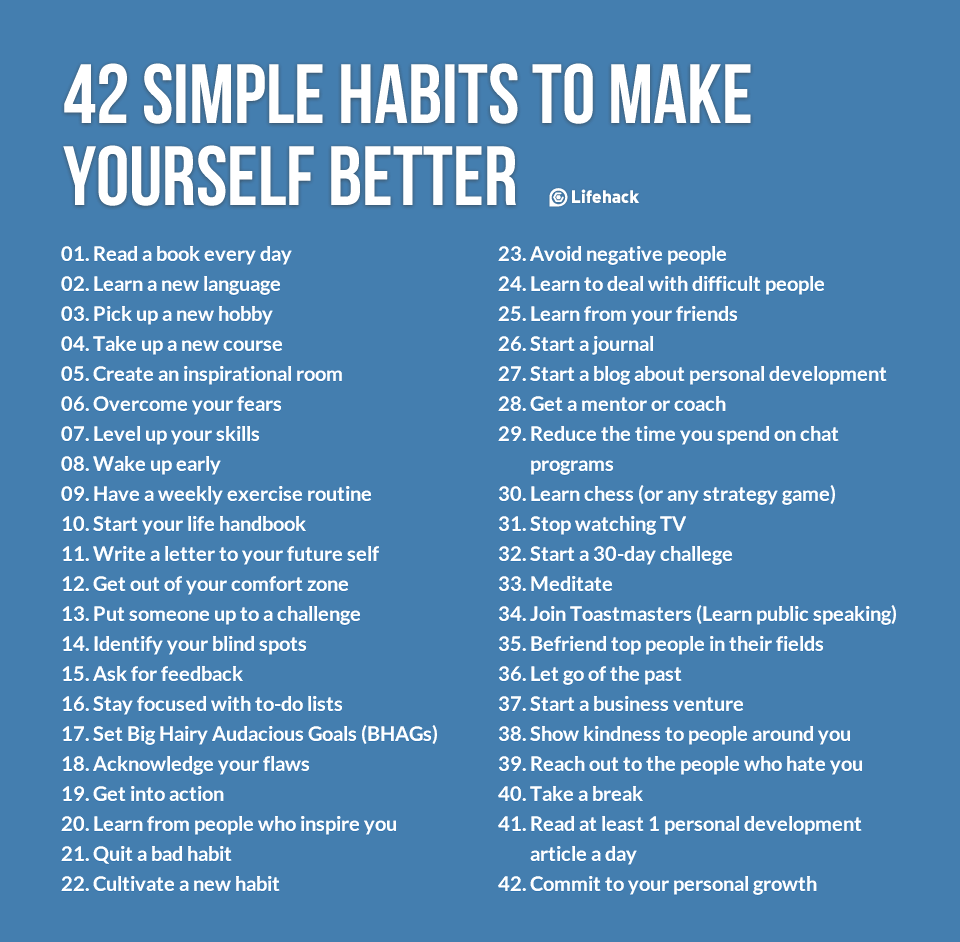
Morning Routines That Set the Tone for Your Day
How you spend your first hour often dictates the quality of your entire day. By establishing a structured morning routine, you can reclaim your focus and mental clarity before the world demands your attention.
Making Your Bed: The First Win of the Day
While it may seem trivial, making your bed every morning is a foundational habit that fosters discipline. It provides an early sense of order in your living space and serves as an "early win" that builds momentum for the tasks ahead. A tidy environment significantly reduces stress and mental clutter, creating a calm foundation for your day.
Practicing Gratitude Upon Waking
Shifting your perspective from scarcity to abundance is a powerful tool for emotional well-being. By listing five things you are grateful for—even small joys like a warm cup of coffee or the morning sunlight—you prime your brain for positivity. Daily gratitude practice is scientifically linked to improved mental health and higher resilience in the face of life’s inevitable challenges.
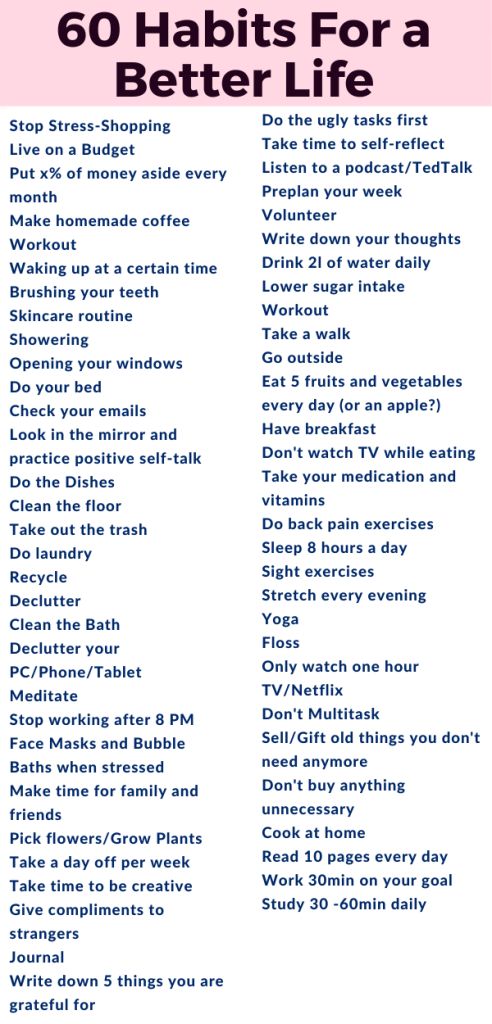
Cultivating Mental and Emotional Resilience
Personal development in 2026 isn't just about productivity; it is about protecting your inner peace. In a hyper-connected world, you must be intentional about how you engage with your mind.
The Power of Mindfulness and Meditation
Taking just five minutes each morning to practice deep, rhythmic breathing can lower your cortisol levels and clear mental fog. Mindfulness helps you break free from automatic thinking, allowing you to respond to life's stressors rather than reacting to them. You don't need a formal studio to practice; simple breath-work can be done while commuting, waiting for an appointment, or sitting in your home office.
Taking Responsibility for Your Actions
True growth begins with radical accountability. When you stop blaming external circumstances or other people for your current state, you reclaim your power. Focusing on what you can control allows you to make proactive, informed decisions that align with your long-term goals. This sense of autonomy is a key driver of self-esteem and lasting fulfillment.
Enhancing Productivity Through Focus Habits
Productivity is not about doing more things; it is about doing the right things with greater intention. By optimizing your workflow, you can accomplish more in less time, leaving space for the leisure and self-care that truly matter.
Prioritizing Your Top Three Tasks
Overwhelmed by a never-ending to-do list? Try the "Rule of Three." Start each day by identifying the three most important tasks that will move the needle on your goals. By ignoring the noise and focusing on these priorities, you ensure that your energy is directed toward high-impact activities rather than busy work.
Eliminating Digital Distractions
Screens and notifications are the primary drains on modern focus. To maintain your sanity in 2026, consider implementing "digital sunset" hours where you step away from devices to allow your mind to recover. Replacing screen time with intentional reading or reflection can significantly improve your attention span, vocabulary, and general knowledge.
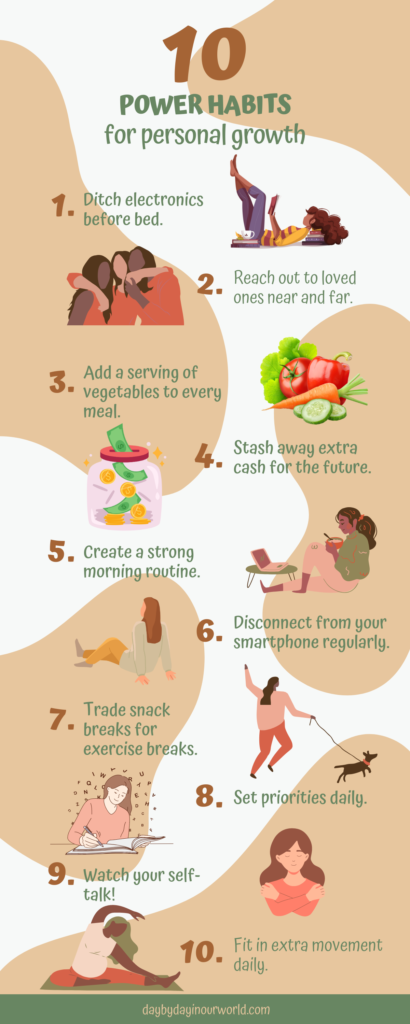
Building Habits That Actually Stick
Knowing what to do is only half the battle; the other half is ensuring you actually do it. Many people fail because they rely on fleeting motivation rather than robust systems.
Start With One Habit at a Time
When building a better life, do not fall into the trap of starting a multi-page list of changes. Focus on one thing first. By mastering one habit, you create a ripple effect that makes subsequent changes easier. For example, once you successfully build a morning reading habit, you may find that you have more mental space to tackle a new exercise routine or improve your diet.
Use Technology as a Tool, Not a Crutch
Leverage modern apps to track your progress and hold yourself accountable. Habit-tracking platforms can provide the structure necessary to turn new behaviors into second nature. However, remember that the tool is merely a guide; your commitment to daily, deliberate practice is what ultimately drives transformation.
Removing Obstacles in Your Environment
If you want to drink more water, keep a bottle on your desk. If you want to exercise, lay your clothes out the night before. By removing friction and making the "right" choice the easiest choice, you significantly increase your likelihood of success. Environment design is one of the most underutilized strategies in personal development.
Nurturing Physical Vitality as a Foundation
Physical health serves as the vessel for all your personal development efforts. If your body is fatigued or neglected, your mind will struggle to reach its peak potential. Prioritizing physical health is not merely about aesthetics; it is about ensuring you have the energy reserves required to show up for your ambitions every single day (Source 1).
The Power of Micro-Movements
You do not need an hour-long gym session to reap the benefits of physical activity. Integrating movement into your day through "micro-habits"—such as taking the stairs, standing during phone calls, or performing five minutes of stretching between tasks—can combat the sedentary nature of modern life. These small actions keep your metabolism active and your joints fluid, preventing the mid-day energy crash that often halts productivity.
Hydration as a Cognitive Performance Tool
Most people operate in a state of chronic, low-level dehydration, which directly impairs concentration and mood. Making a simple habit of drinking a glass of water immediately upon waking and keeping a bottle within arm's reach ensures that your brain functions at its highest capacity. Increased hydration is one of the most cost-effective and easy personal development habits you can adopt today.
- Set a specific goal: Aim for a specific volume of water daily to remove the guesswork.
- Use visual cues: A clear water bottle on your desk acts as a constant reminder to sip throughout your workflow.
- Track your intake: Use a simple habit tracker or a journal to mark off hydration milestones, reinforcing the behavior through visible progress.
Cultivating Emotional Resilience Against Life's Challenges
Life is unpredictable, and your ability to bounce back from setbacks is determined by your emotional resilience. This trait is not innate; it is a muscle that strengthens through deliberate practice. By cultivating emotional resilience, you ensure that external pressures do not dictate your internal state (Source 1).
The Practice of Reframing
When faced with a challenge, your initial reaction is often emotional. Developing the habit of "cognitive reframing"—asking yourself, "What can I learn from this?" or "How is this helping me grow?"—shifts your perspective from victimhood to agency. This simple mental pivot transforms obstacles into opportunities for character development.
Emotional Journaling for Clarity
Writing down your thoughts at the end of the day acts as a pressure release valve for your emotions. By externalizing your anxieties, you can view them objectively rather than being swept away by them. This habit fosters the improved self-awareness necessary to recognize your emotional triggers before they lead to unhelpful reactions (Source 2).
Building Lasting Willpower Through Incremental Discipline
Willpower is often misunderstood as a finite resource that some people have in abundance while others do not. In reality, willpower is a skill that can be built through consistent, small-scale challenges. By practicing self-discipline in minor areas of your life, you naturally increase your capacity to handle more significant responsibilities (Source 1).
The 5-Second Rule for Procrastination
When you feel the urge to delay a task you know you should do, count backward from five and physically move before you hit zero. This simple technique interrupts the brain’s tendency to overthink or seek comfort. It is a highly effective way to strengthen your motivation in the moment, bypassing the brain's internal resistance to discomfort.
Voluntary Discomfort
Occasionally choosing the harder path—such as taking a cold shower, doing a task you’ve been avoiding, or skipping a digital distraction—builds a "resilience bank." By occasionally stepping out of your comfort zone, you prove to yourself that you are not beholden to your impulses, which drastically increases your long-term success.
Strategies for Lifelong Learning in a Fast-Paced World
The most successful individuals in 2026 are those who never stop being students. Investing in lifelong learning keeps your mind sharp, your skills relevant, and your worldview expansive (Source 1). In an information-rich society, the habit of intentional consumption is what separates the lifelong learner from the passive observer.
The 30-Minute Reading Habit
Dedicate just 30 minutes each day to reading non-fiction or educational content. This simple commitment, if maintained, amounts to roughly 180 hours of learning per year. Over time, this compounds into a massive knowledge base that gives you a competitive advantage in both your personal and professional life.
Active Engagement with New Skills
Knowledge without application is merely entertainment. For every concept you learn, commit to applying it in some small way within 24 hours. Whether it is a new time-management technique, a software shortcut, or a communication strategy, applying what you learn turns theoretical information into a practical asset.
- Choose high-impact topics: Focus on skills that have a high ROI, such as deep work, emotional intelligence, or advanced communication.
- Teach to learn: Explain a new concept you’ve learned to a friend or colleague to solidify your own understanding.
- Curate your input: Be selective about the books, podcasts, and articles you consume; prioritize quality over quantity to avoid information overload.
Simplifying Your Life to Maximize Energy
A cluttered environment leads to a cluttered mind. Simplifying your life is not just about minimalism; it is about removing the friction and noise that prevent you from focusing on what truly matters (Source 1). When you clear the excess, you create space for growth.
The Weekly "Digital Purge"
Once a week, take 20 minutes to unsubscribe from newsletters you never read, delete apps that drain your time, and clear your desktop or physical workspace. This habit prevents digital clutter from accumulating and ensures that your environment supports your focus rather than distracting from it.
Decision Minimization
Minimize the number of trivial decisions you have to make daily. By automating your wardrobe, meal planning, or morning routine, you preserve your "decision-making energy" for the tasks that require your best cognitive efforts. This is a key strategy for enhancing productivity and reducing the mental fatigue that leads to burnout.
Nurturing Inner Peace in a Noisy World
In the constant pursuit of goals, it is easy to forget that the ultimate destination is a state of inner peace. Nurturing inner peace is a daily habit of grounding yourself, regardless of the chaos surrounding you (Source 1). This requires an intentional shift away from external validation toward internal satisfaction.
Solitude as a Recharge Practice
Spend at least 10 minutes a day in complete silence without any music, podcasts, or digital noise. This practice of solitude allows your nervous system to regulate and gives your subconscious mind the space to process ideas and emotions. It is a vital habit for maintaining your mental health in an era of constant connectivity.
The Art of Conscious Breathing
Whenever you feel your heart rate climb or your stress levels peak, pause for three conscious, deep breaths. This physiological reset signals to your brain that you are safe, allowing you to regain control over your nervous system. Mindfulness-based interventions are well-documented for their ability to lower cortisol and improve emotional regulation.
Strengthening Relationships Through Intentional Communication
Your relationships are the greatest indicators of your long-term happiness. Developing the habit of being fully present with others significantly improves your emotional intelligence and the quality of your social connections. Better relationships are a natural byproduct of practicing active listening and empathy daily (Source 2).
Active Listening Protocols
When someone is speaking to you, commit to listening to understand rather than listening to respond. Put your phone away, maintain eye contact, and summarize what the other person said before offering your own input. This simple habit makes others feel seen and valued, which is the cornerstone of deep, meaningful relationships.
Expressing Appreciation Regularly
Never let a moment of gratitude go unvoiced. If you appreciate something a friend or colleague has done, tell them. Expressing gratitude strengthens your bonds and creates a positive feedback loop that encourages others to act with kindness. This habit shifts your social environment toward positivity and mutual support.
Developing a Nighttime Routine for Sustainable Success
Your morning starts the night before. A deliberate nighttime routine ensures that you wake up with a clear mind and a set plan, preventing the morning scramble that ruins productivity (Source 1). By preparing your environment and your mindset for the next day, you set yourself up for immediate wins.
The "Brain Dump" Method
Before going to bed, write down everything that is on your mind—unfinished tasks, worries, or creative ideas. This practice offloads the mental burden from your working memory, allowing you to sleep more deeply. Knowing that everything is captured in a list reduces the "open loop" anxiety that often keeps people awake.
Preparing the Environment
Set out your clothes, prepare your breakfast, or organize your desk for the next morning before you go to sleep. Removing these small friction points means you wake up with fewer decisions to make, allowing you to move straight into your most important task without hesitation.
Tracking and Celebrating Small Progress
Growth is often invisible in the short term. Without a mechanism to track your progress, it is easy to feel like you aren't moving forward, which can lead to discouragement. Celebrating progress is a vital habit that reinforces your positive actions and keeps you motivated to continue your development journey (Source 2).
The Weekly Review
At the end of every week, take 15 minutes to review what went well and what didn't. Identify your "wins"—no matter how small—and analyze where you can improve. This habit of reflection ensures that you are constantly iterating on your life, making small adjustments that lead to significant long-term success.
Creating a Visual Reward System
If you are struggling to maintain a new habit, use a visual tracker. Checking off a box or moving a paperclip from one jar to another provides a dopamine hit that signals to your brain that the habit is rewarding. This positive reinforcement is essential for turning a "should-do" action into a "want-to" habit.
- Focus on the streak, not the perfection: If you miss a day, don't let it turn into two. The goal is consistency over time, not an unbroken chain.
- Reward your milestones: Treat yourself to something small when you hit a specific goal, such as 30 days of consistent exercise or a week of healthy eating.
- Share your progress: Find a partner or a community to share your journey with, as accountability significantly increases the likelihood of long-term success (Source 2).
Overcoming Plateaus in Your Development
There will inevitably be periods where your progress seems to stall. This is not a sign of failure; it is a natural part of the growth process. Understanding how to navigate these plateaus is what distinguishes those who achieve lasting change from those who quit.
Re-evaluating Your "Why"
When your motivation wanes, revisit the reason you started your habit in the first place. Is it for your health? Your family? Your career? Reconnecting with your core values provides the fuel to push through the "boring" middle stages of habit formation where the initial excitement has faded but the results have yet to materialize.
Adjusting the Intensity
If a habit feels like a burden, consider adjusting the intensity rather than abandoning the practice. If a 30-minute workout feels impossible, scale it back to 5 minutes. The goal is to maintain the identity of the habit-doer, not to hit a specific performance metric every single day. Consistency is the cornerstone of progress; keep the habit alive, even in its smallest form.
Leveraging Community for Collective Growth
While personal development is an individual journey, it is significantly enhanced by surrounding yourself with like-minded individuals. Joining communities of like-minded individuals provides social proof, accountability, and the shared wisdom that can accelerate your own growth trajectory (Source 2).
Finding Your "Mastermind"
Look for small groups, online forums, or local meetups where people are focused on the same growth areas as you. The collective energy of a community can help you overcome obstacles that seem insurmountable on your own. You will find that your challenges are rarely unique and that others have already developed solutions you can adapt.
Contributing to Others
Growth is a two-way street. By helping others with their development, you solidify your own knowledge and build a network of support that will be there for you when you encounter your own challenges. Being a source of encouragement for someone else is one of the most effective ways to boost your own confidence and sense of purpose.
Applying Principles of Behavioral Science to Habits
You can hack your own psychology by applying principles derived from behavioral science. Understanding why you behave the way you do allows you to design your environment to make good habits the "default" choice.
Implementation Intentions
Use the "If/Then" formula to pre-decide your actions. For example, "If it is 7:00 AM, then I will make my bed." By creating a specific trigger, you reduce the cognitive load required to start the task. This technique is a powerful way to move habits from your conscious to your subconscious, eventually making them automatic.
Habit Stacking
Attach a new habit to an existing one. If you want to start a daily gratitude practice, do it while you brush your teeth or while you wait for your coffee to brew. By piggybacking on a behavior that is already firmly established in your routine, you drastically reduce the energy required to initiate the new habit.
- Existing Habit: Drinking coffee.
- New Habit: Reviewing daily goals.
- Stack: "While I drink my coffee, I will review my top three priorities for the day."
Mastering the Art of Deep Work
In a world of constant notifications, the ability to focus without distraction is a superpower. Cultivating focus and concentration is not just about productivity; it is about protecting your ability to think clearly and solve complex problems (Source 1).
The Pomodoro Technique for Focus
Divide your work into 25-minute sprints followed by a 5-minute break. This structure creates a sense of urgency and prevents the mental fatigue that comes from trying to focus for hours on end. The breaks act as a necessary reset, ensuring that your cognitive performance remains high throughout the day.
Creating a "Deep Work" Sanctuary
Designate a specific space or time where you are strictly unavailable to others. Whether it’s putting your phone in another room or wearing noise-canceling headphones, creating an environment that signals "work mode" to your brain is essential for deep, uninterrupted progress.
The Role of Reflection in Long-Term Evolution
Reflection is the bridge between experience and wisdom. Without the habit of looking back, you are destined to repeat the same mistakes. By integrating reflection into your daily or weekly schedule, you transform raw experience into actionable insights.
The "Daily Review" Journaling Prompt
Instead of just writing about your day, ask yourself specific questions:
- What was my biggest win today?
- What was the biggest distraction I faced, and how can I avoid it tomorrow?
- Did I act in alignment with my values today?
These questions turn journaling into a strategic exercise, helping you refine your life in real-time.
Reviewing Long-Term Goals
Every month, take the time to compare your current habits against your long-term goals. Are your daily actions still moving you toward where you want to be in 2026 and beyond? If not, do not be afraid to pivot. Growth is a non-linear process, and the ability to adjust your course is a mark of maturity and discipline.
Building a Culture of Radical Accountability
Accountability is the antidote to complacency. When you hold yourself to a standard, you perform at a higher level. When you invite others to hold you to that standard, you raise the ceiling of your potential even higher.
Finding an Accountability Partner
Choose someone whose goals or values align with yours. Agree to a weekly check-in where you both report on your progress and discuss the obstacles you faced. The mere act of knowing you have to report your progress to someone else acts as a powerful motivator to follow through on your commitments.
Public Commitment
If you are struggling to start a major project, make a public commitment. Posting about your goal on social media or telling a group of peers creates a social cost for failure. This pressure, while uncomfortable, is often the nudge needed to break through the initial barrier of resistance and launch a new habit.
Integrating Physical Health as a Strategic Asset
We often treat health as an afterthought, something to be addressed after work or on the weekends. However, for those who want to reach their peak, health must be integrated into the strategic workflow of the day.
Optimized Nutrition for Mental Clarity
Your brain requires specific nutrients to maintain focus and energy. By prioritizing whole foods and consistent eating patterns, you avoid the blood sugar spikes and crashes that lead to brain fog. Treating your diet as fuel for your goals—rather than just a source of pleasure—is a high-level personal development habit.
Active Recovery Practices
Recovery is not just "time off." It is an intentional habit of restoring your body and mind. Whether it is a dedicated meditation session, a restorative yoga flow, or simply getting adequate sleep, treat your recovery with the same seriousness as your work. Without it, you are simply borrowing energy from your future self.
- Prioritize sleep hygiene: Create a dark, cool, and quiet environment to ensure high-quality rest.
- Schedule rest: Block out time for recovery in your calendar as if it were a high-priority meeting.
- Listen to your body: Learn to recognize the signs of overtraining or burnout and adjust your intensity accordingly.
Developing a Mindset of Continuous Improvement
The final and most important habit is the mindset itself. Adopting a "kaizen" approach—the Japanese philosophy of continuous, incremental improvement—ensures that you are always evolving, no matter how small the steps are.
Embracing Failure as Data
Stop viewing failure as a character flaw and start viewing it as data. When a habit doesn't stick or a project doesn't go as planned, ask yourself, "What is the system failure here?" rather than "What is wrong with me?" This shift in perspective removes the emotional sting of setbacks and allows you to improve your processes objectively.
Staying Curiously Engaged
Maintain a sense of wonder about the world. Ask questions, seek out different perspectives, and be willing to change your mind when presented with new information. Intellectual humility is a rare and powerful trait that ensures you are always learning and growing, regardless of your age or current success level.
The Synergy of Habits for a Transformed Life
When you begin to stack these habits—morning rituals, productivity systems, emotional resilience strategies, and physical health practices—you create a synergistic effect. They no longer function as isolated tasks; they become an ecosystem of growth that supports you automatically.
The Cumulative Effect
A morning routine leads to better focus, which leads to higher productivity, which leaves more time for exercise, which improves your sleep, which allows you to wake up refreshed for your next morning routine. This virtuous cycle is how "easy" habits lead to "massive" results. You don't have to be perfect; you just have to be consistent.
Your Personal Roadmap for 2026
Start today by selecting one habit from each category: one for your morning, one for your work, one for your health, and one for your reflection. Write them down, place them somewhere visible, and commit to them for the next 30 days. Do not worry about the outcome yet; focus entirely on the process.
- Morning: 5 minutes of gratitude.
- Work: The "Rule of Three" for daily priorities.
- Health: 15 minutes of movement.
- Reflection: 5 minutes of daily journaling.
Sustaining Momentum Through Intentional Evolution
As you grow, your habits will need to evolve. What worked for you six months ago may not be sufficient for the person you are becoming. The final habit is the practice of self-auditing.
Seasonal Habit Audits
Once every three months, review your current rituals. Are they still serving your goals? Are they still aligned with your values? Don't be afraid to discard habits that have served their purpose or to introduce new ones as your life circumstances change.
Maintaining Flexibility
The most resilient people are those who can adapt. Life will throw curveballs—illness, travel, unexpected professional demands. When your routine is disrupted, focus on the "minimum viable habit." If you can't do your full 30-minute workout, do 3 minutes. If you can't journal for 20 minutes, write one sentence. The key is to keep the thread of the habit alive until you can resume your full practice.
Harnessing the Power of Environment Design
Your environment is the silent influence on your behavior. If your home or office is filled with triggers for bad habits, you will always be fighting an uphill battle. By intentionally designing your space, you make the right choice the easiest one.
Visual Cues for Success
Place the tools of your positive habits in your direct line of sight. If you want to play more guitar, keep it on a stand in your living room, not in its case in the closet. If you want to read more, keep a book on your pillow. The easier it is to start, the more likely you are to follow through.
Friction for Negative Habits
Increase the friction for behaviors you want to stop. If you spend too much time on your phone, charge it in another room at night. If you eat too much junk food, don't keep it in your pantry. By creating a gap between the impulse and the action, you give your rational brain the time it needs to intervene and make a better choice.
The Psychology of Identity-Based Habits
The deepest level of habit change is not about what you want to achieve, but about who you want to become. Instead of saying, "I want to run a marathon," say, "I am a runner." When your habits are rooted in your identity, they become an expression of your character rather than a chore on your to-do list.
Becoming the Person You Aspire to Be
Every time you perform a small, positive habit, you are casting a vote for the type of person you are. You aren't just reading a book; you are becoming a lifelong learner. You aren't just eating a healthy meal; you are becoming a health-conscious person. This identity-based approach is the most effective way to ensure that your changes stick for the long haul.
Aligning Actions with Values
Take the time to define your core values. When your daily habits are in alignment with these values, you experience a sense of flow and satisfaction that is rare in modern life. If you value growth, your daily learning habits will feel natural. If you value health, your physical routines will feel like a privilege, not a burden.
The Path Forward: Starting Small and Staying Consistent
The journey to a better life is not a sprint; it is a long-term commitment to self-mastery. By focusing on the small, daily actions outlined in this guide, you are building the foundation for a future that is defined by your choices, not your circumstances.
Embracing the "Slow" Growth
We live in a culture of instant gratification, but the most meaningful changes happen in the slow, quiet moments of daily practice. Give yourself permission to grow at your own pace. There is no deadline for your personal development, and there is no "right" way to build a life.
Trusting the Process
There will be days when you feel like you are making no progress at all. Trust the compound effect. Every small, positive habit is a brick in the foundation of your future. Keep showing up, keep refining your processes, and keep trusting that the small actions of today are the architects of your reality tomorrow.
- Start with intention.
- Stay consistent with action.
- Reflect on the results.
- Evolve your approach.
- Repeat the cycle.
By following these simple guidelines, you aren't just trying to improve your life—you are actively designing it. The year 2026 is a blank canvas, and your daily habits are the tools you will use to create your masterpiece. Take the first step today, knowing that every action you take is a powerful statement about the person you are becoming.
References
-
Successconsciousness — 15 Habits for Personal Growth and Fulfillment – Success Consciousness, 2026
-
Believeinmind — 12 Effective Self-Development Habits for Better Future, 2026
-
Plantoorganize — 50 Ways to Self-Improve (Simple Daily Habits That Actually Work), 2026
-
Wellsoulmudrika — 21 Simple and Powerful Daily Habits To Improve Life Forever, 2026
-
Developgoodhabits — 47 Good Daily Habits List To Transform Your Life – Develop Good Habits, 2026
-
Declutterthemind — 25 Good Habits for a Meaningful and Balanced Life, 2026
-
Nextstepliving — Simple Daily Habits to Improve Your Life One Step at a Time, 2026
-
Afaeducation — Top 21 Tips for Bettering Life: Simple Actions to Enhance Your Well-being, 2026