
Is your to-do list a never-ending reel of "don’t forgets"? For most parents, the struggle to balance work, school, and a functioning home is real. Research from the Pew Research Center highlights that 56% of working moms and 50% of working dads struggle to maintain a balanced home life. When you are caught in the daily grind, home maintenance often slips to the bottom of the priority list—until a leak, a broken appliance, or a clogged gutter demands your immediate attention.
Effective home management in 2026 isn't about achieving a "perfect" home. It is about creating repeatable systems that prevent costly disasters and keep your sanctuary safe. By shifting from reactive "fix-it-when-it-breaks" mode to a proactive, habit-based approach, you can save money, reduce stress, and reclaim your time.
Quick Summary: Essential Maintenance Habits for 2026
- Consistency Over Intensity: Dedicate 20–30 minutes a week rather than entire weekends to home upkeep.
- The Power of Automation: Use smart tech for leak sensors, programmable thermostats, and recurring digital calendar reminders.
- Safety First: Prioritize smoke detectors, carbon monoxide alarms, and annual HVAC check-ups to protect your family.
- The 30% Rule: Regular maintenance can cut annual repair costs—which average around $2,000 per household—by up to 30%.
![Home Maintenance Tips for Busy Moms [Seasonal Guide]](https://servicetodaylife.com/wp-content/uploads/2026/04/Home-Maintenance-Tips-for-Busy-Moms.jpg)
Why Proactive Home Maintenance Matters for Your Family
Many families view home upkeep as an optional chore, but your home is a complex machine—much like a car. It requires regular check-ups to remain functional and safe. When you ignore small signs, such as a slow-draining sink or a loose handle, you aren't just letting the problem persist; you are inviting a major, expensive headache down the line.
According to data from American Home Shield, homeowners spend an average of $2,000 annually on repairs. However, those who commit to preventive maintenance can reduce that financial burden by up to 30%. Investing in your home today is an investment in your family's future, ensuring that the space where you learn, grow, and rest remains a source of comfort rather than chaos.
Creating a Manageable Monthly Walkthrough Routine
The secret to staying ahead of household repairs is the monthly walkthrough. This 20–30 minute habit is designed to catch small changes before they evolve into structural damage. Consistency is far more important than the specific day you choose; align it with something already on your calendar, like trash night or the first Sunday of the month.
What to Look for During Your Walkthrough
- Plumbing Areas: Check under sinks and around toilets for signs of dampness or mineral buildup.
- Safety Devices: Test smoke and carbon monoxide detectors to ensure they are responsive.
- Exterior Integrity: Look for cracks in siding, loose shingles, or signs of water pooling near the foundation.
- Appliance Sounds: Listen for unusual noises coming from your HVAC system, dishwasher, or refrigerator.
By involving older children in this process, you turn maintenance into a shared family habit. Assigning small roles—such as checking windows or reporting unusual sounds—lightens the mental load on the "default parent" and teaches children valuable life skills.

Strategic Kitchen Maintenance for Busy Households
The kitchen is the heart of the home and typically experiences the highest volume of wear and tear. To keep your appliances lasting longer and your kitchen running smoothly, integrate these simple TLC habits into your routine:
- Appliance Care: Descale your kettle regularly and run a vinegar rinse through your dishwasher to prevent buildup.
- Seal Maintenance: Wipe down fridge seals frequently to prevent them from cracking or splitting, which can cause the appliance to work harder than necessary.
- The Hidden Dust Trap: Pull appliances away from the wall at least twice a year to vacuum behind them. This simple step prevents overheating and reduces fire hazards.
- Leak Vigilance: Make it a habit to glance under the sink after loading the dishwasher or finishing meal prep. A small, early-caught drip is a simple hardware-store fix; a water-damaged cabinet floor is a major renovation project.
Leveraging Smart Tech to Reduce Decision Fatigue
In 2026, technology is your best ally in home management. If you struggle to remember when to change filters or test your sump pump, let your devices handle the cognitive load.
Tech Tools to Simplify Your Life
- Recurring Reminders: Use apps like Cozi or your phone’s built-in calendar to set alerts for quarterly or seasonal tasks.
- Smart Leak Sensors: These small, inexpensive devices can alert your phone the moment they detect moisture, potentially saving you thousands in water damage repairs.
- Programmable Thermostats: Not only do these keep your home at a comfortable temperature, but they also optimize energy usage, saving money on your monthly bills.
- Smart Locks: These provide peace of mind and convenience when you are juggling school pickups, sports practice, and grocery runs.
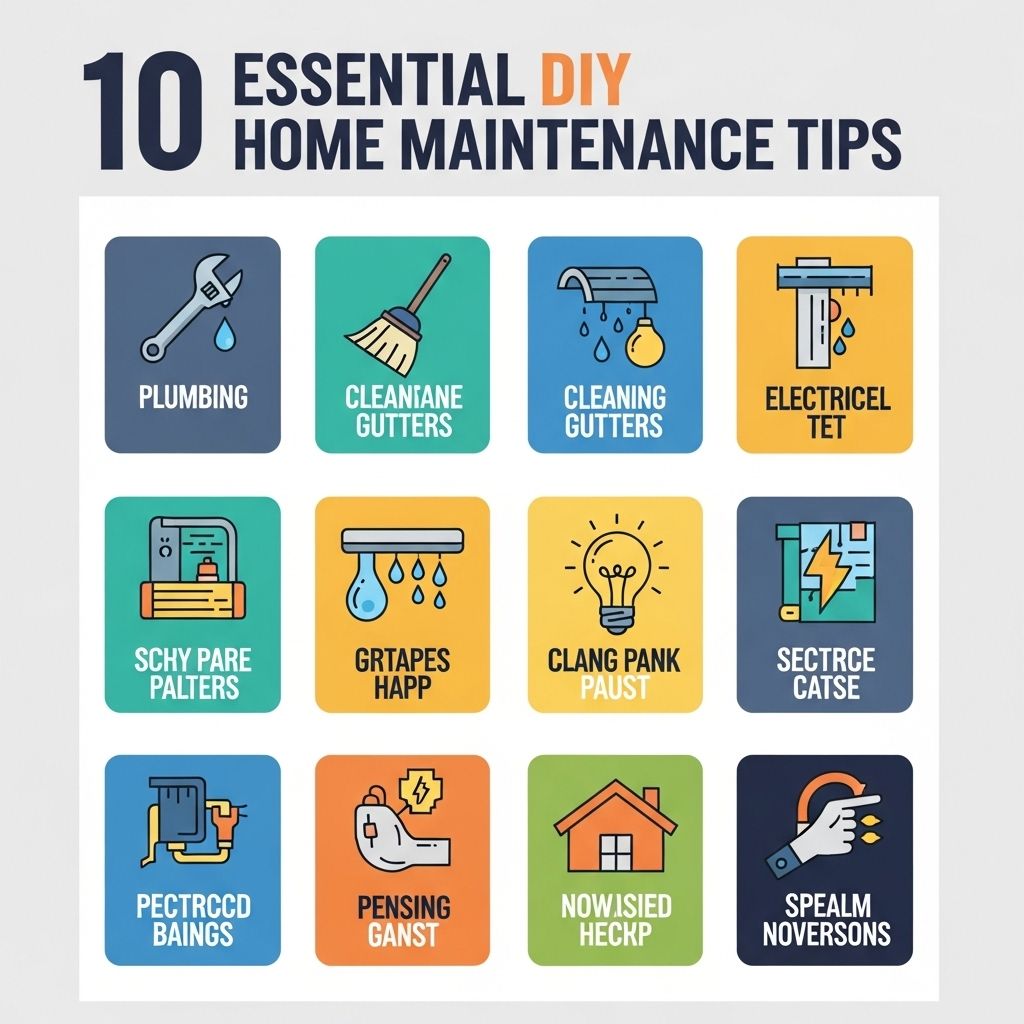
Building a "Repair Station" for Quick Fixes
One of the biggest time-wasters in home maintenance is hunting for the right tool when a door handle goes loose or a picture frame falls. You don't need a professional-grade workshop to be prepared. A simple labeled bin or drawer in a central location can save you hours of frustration.
What to Include in Your Basic Repair Kit:
- Measuring & Fastening: Tape measure, screwdrivers (Phillips and flathead), and pliers.
- Adhesives & Repair: Duct tape, painter’s tape, and a utility knife.
- Essential Hardware: A flashlight (with spare batteries), an adjustable wrench, and a plunger.
- Maintenance Essentials: Replacement air filters and work gloves.
When you have these items organized in one place, small tasks like tightening a loose hinge take seconds rather than minutes. This prevents the "I'll do it later" mentality that often leads to ignored, worsening problems.
Seasonal Maintenance Checklists: A Proactive Approach
Your home’s needs shift with the seasons. By focusing on the right tasks at the right time, you prevent minor issues from turning into seasonal emergencies.
Spring and Fall: The Peak Maintenance Windows
- Gutters and Drainage: Clear leaves and debris from gutters to prevent blockages that can lead to water damage.
- HVAC Performance: Replace air filters every season to ensure clean air and efficient operation.
- Exterior Inspection: Check siding for cracks and ensure that exterior caulking around windows remains intact to prevent drafts and moisture entry.
Winter and Summer: Protecting Your Systems
- Winter Prep: Ensure pipes are protected from freezing temperatures and check that your heating system has been inspected by a professional before the first cold snap.
- Summer Prep: Test your AC system early in the season to avoid being caught in a heatwave with a broken unit. Inspect roof shingles for damage that could allow summer storm water to leak into your attic.
By aligning your maintenance with these natural transitions, you make the workload feel much lighter. You aren't doing everything at once; you are doing what matters most, exactly when it needs to be done.
Managing Professional Home Maintenance Services
Sometimes, life moves too fast for DIY solutions. Recognizing when to outsource is a hallmark of effective household management. According to Source 3, scheduling professional inspections for complex systems—like your boiler, roof, or electrical panel—provides both safety and peace of mind. By delegating these high-stakes tasks, you free up your mental bandwidth for your family.
When to Call the Pros
- HVAC Systems: Annual tune-ups by a certified technician can double the lifespan of your unit and improve indoor air quality.
- Roofing and Gutters: If your home is two or more stories high, stay off the ladder. Professional maintenance crews have the gear to inspect flashing and remove blockages safely.
- Major Plumbing or Electrical: If you aren't 100% confident in a repair, don't risk a code violation or a safety hazard. A plumber or electrician is far cheaper than an emergency repair following a DIY mistake.
- Pest Control: Periodic exterior treatments can prevent infestations before they enter your living space.
Building Your "Home Care" Rolodex
A common source of stress for busy families is scrambling to find a contractor when an emergency strikes. Instead of searching Google in a panic, build a trusted vendor list during calm times. Keep this list in a shared digital document so any adult in the house can access it.
- Emergency Contacts: Include a local locksmith, a 24/7 plumber, and an emergency electrician.
- Routine Vendors: Keep contact info for your preferred landscaper, HVAC technician, and carpet cleaner.
- The "Why" Behind the List: Having these numbers saved in your phone or posted on the fridge reduces the "panic factor" when a pipe bursts or a light fixture shorts out on a Friday night.
The Psychology of Household Systems
Why do we struggle to keep up with home maintenance? Often, it is a result of decision fatigue. When you are already making hundreds of choices a day regarding school, work, and social calendars, "fixing the leaky faucet" feels like a mountain. Source 1 explains that building systems that fit your family’s unique rhythm is the best way to lighten the load.
Tips for Reducing Maintenance Friction
- The "Two-Minute Rule": If a repair task takes less than two minutes—like tightening a loose cabinet screw or replacing a burnt-out bulb—do it immediately. This prevents the accumulation of "small stuff" that eventually feels overwhelming.
- Maintenance as "Me-Time" or "Family-Time": Reframe the task. If you enjoy podcasts, save your favorite show exclusively for your monthly walkthrough. If you want to connect with your kids, turn a simple cleaning task into a collaborative game.
- The Power of "Done": Celebrate the completion of a home project. When we view maintenance as a chore, we resent it. When we view it as taking care of our sanctuary, we feel more empowered.
Organizing for Efficiency: The "Drop Zone" and Beyond
A disorganized home is much harder to maintain. Clutter hides potential problems, such as water leaks under sinks or cracks in baseboards. By implementing organizational tactics, you not only tidy your home but also create easier access for routine maintenance.
Essential Storage Zones for Busy Families
- The Mudroom/Entryway: Use this space to store seasonal maintenance items like snow shovels or garden tools. Keeping these items out of the garage floor helps you keep the space clear for vehicles.
- Under-Sink Accessibility: Do not store heavy cleaning chemicals or boxes under your sinks. Keep these areas clear so you can visually inspect pipes during your monthly walkthroughs.
- Vertical Storage: Use wall-mounted hooks for tools and equipment. This keeps items off the floor and prevents the "pile-up" effect that makes cleaning and maintenance feel daunting.
Energy Efficiency: Saving Money While Maintaining Your Home
Home maintenance isn't just about repairs; it is about optimizing your home's performance. By focusing on energy efficiency, you can lower your monthly utility bills, which helps offset the costs of minor upkeep.
Simple Upgrades for a More Efficient Home
- Weather Stripping: Inspect doors and windows for drafts. A cheap roll of weather stripping can significantly reduce the amount of work your HVAC system has to do.
- LED Upgrades: Swap out old incandescent bulbs for LEDs. They last longer, meaning fewer trips up a ladder to reach high ceilings.
- Programmable Settings: Ensure your thermostat is programmed to "away" mode when the house is empty. This prevents unnecessary wear on your heating and cooling equipment.
- Insulation Checks: If your attic access isn't properly insulated, you are losing money every day. A simple insulation blanket over the access panel is an easy, high-impact maintenance task.
Cultivating a "Maintenance-First" Culture with Children
Teaching children about home maintenance is an investment in their future independence. When kids understand that a home is a system that needs care, they become more responsible occupants of the space.
Age-Appropriate Maintenance Roles
- Toddlers and Preschoolers: They can help by "spotting" dust bunnies or holding a flashlight while you look under the sink.
- Elementary Age: Children this age can learn to wipe down baseboards, help with laundry sorting, or assist in organizing the repair station.
- Teens: Encourage them to take on more complex tasks, like vacuuming behind appliances, cleaning light fixtures, or even assisting in seasonal yard work.
By involving the whole family, you move away from the "default parent" model mentioned in Source 1. This creates a sense of shared ownership, where everyone feels responsible for the comfort and safety of the home.
Handling Unexpected Emergencies: A Preparedness Guide
Despite your best efforts, emergencies happen. A pipe might burst, a storm might damage a window, or a major appliance might fail. Being prepared with a family emergency kit—as recommended in Source 3—is essential.
What Goes In Your Emergency Kit
- Lighting and Power: Multiple high-lumen flashlights, extra batteries, and a portable power bank for charging devices.
- Medical Essentials: A fully stocked first aid kit with supplies for minor cuts and scrapes that might occur during home repairs.
- Water and Sustenance: Keep a supply of bottled water and non-perishable snacks. This is particularly useful if a power outage renders your kitchen appliances unusable.
- Communication: Keep a hard copy of important phone numbers—insurance agents, local utility companies, and contractors—inside the kit.
The Role of Documentation in Home Management
One of the most overlooked aspects of home maintenance is record-keeping. Having a history of your home’s repairs and upgrades is incredibly valuable when it comes time to sell your property or file an insurance claim.
Creating a Digital Home Log
- Receipt Storage: Use a cloud-based folder (like Google Drive or Dropbox) to scan and store receipts for major appliances and professional repairs.
- Warranty Tracking: Keep a document that lists the purchase date and warranty expiration for every major appliance in your home.
- Photo Documentation: Before you start a project, take a "before" photo. Take an "after" photo when finished. This is useful for insurance purposes and helps you track the evolution of your home over time.
- Paint Color Log: Keep a small sheet in your utility closet or a note in your phone listing the brand, name, and finish of the paint used in every room. This saves hours of guesswork during touch-ups.
Preventing Water Damage: The Silent Home Killer
Water is the leading cause of structural damage in homes. From small leaks under the kitchen sink to ice dams on the roof, water damage is often hidden until it is too late. Source 3 emphasizes the importance of checking for leaks early to avoid expensive headaches.
The "Water Check" Checklist
- Sink Basins: Once a month, run your hand along the underside of every sink in the house. Look for moisture, mineral deposits, or corrosion on the pipes.
- Appliance Connections: Check the hoses behind your washing machine and dishwasher. If they are older than five years, consider upgrading them to braided stainless steel hoses, which are less prone to bursting.
- Roof and Attic: After a heavy storm, check your attic ceiling for water stains. Even a tiny, light-colored spot can indicate a slow leak that needs immediate attention.
- Exterior Drainage: Ensure that your downspouts extend at least three to four feet away from your home’s foundation. Pooling water is the primary cause of basement flooding and foundation cracks.
Maximizing Your Outdoor Living Space
The exterior of your home is just as important as the interior. A well-maintained yard and siding protect the structural integrity of the home. Source 3 reminds us that clearing gutters and inspecting roofing are vital, but there is more to outdoor maintenance than just these tasks.
Seasonal Yard and Siding Care
- Clear the Perimeter: Keep bushes and shrubs trimmed at least two feet away from the siding. This prevents moisture buildup and discourages pests from nesting near your home.
- Clean Siding: Pressure wash (on a low setting) or hand-wash your siding once a year to remove algae and dirt accumulation. This prevents staining and protects the exterior finish.
- Inspect Hardscapes: Check your walkways, patios, and driveways for cracks. Filling these early with a concrete or asphalt crack filler prevents weeds from taking hold and causing further damage.
- Lighting: Ensure that all exterior motion-sensor lights are functional. This is a simple safety upgrade that adds security to your home.
The Importance of Indoor Air Quality
Busy families spend a significant amount of time indoors. Maintaining good air quality is a crucial part of home health. Many people forget that their home’s air is constantly circulating through the HVAC system, which acts as the "lungs" of your house.
Improving Your Home’s Breathability
- Filter Rotation: Set a reminder to change your HVAC filters every 90 days, or more frequently if you have pets. High-quality pleated filters are worth the extra cost for better filtration.
- Ventilation Habits: Use exhaust fans in bathrooms during and after showers to reduce humidity. High humidity is a leading cause of mold growth.
- Dust Control: Vacuuming regularly with a HEPA-filtered vacuum cleaner can drastically reduce the number of allergens circulating in your home.
- Appliance Ventilation: Ensure that your clothes dryer vent is clear of lint. A blocked vent is a fire hazard and forces your dryer to work harder, consuming more energy.
Addressing Cosmetic Maintenance for Curb Appeal
While structural safety is the priority, cosmetic maintenance keeps your home looking fresh and helps maintain its market value. These tasks don't need to be done constantly, but they should be on your long-term radar.
Easy Ways to Refresh Your Home
- Hardware Updates: Replace old, tarnished door knobs or cabinet pulls. It is a low-cost, high-impact update that modernizes the look of any room.
- Caulking Refresh: Over time, caulk around tubs and sinks can crack or peel. Removing old caulk and applying a fresh, clean bead makes the bathroom or kitchen look brand new.
- Touch-Up Paint: Keep a small brush and a sample-sized container of your wall colors handy. A quick touch-up on scuffed baseboards or corners makes the entire room look cleaner.
- Grout Cleaning: If you have tile, a deep clean of the grout lines can brighten up a kitchen or bathroom floor significantly.
Integrating Maintenance Into Your Life, Not Onto It
The goal of this guide is to move you away from feeling overwhelmed by your home. By adopting a proactive, habit-based approach, you reclaim your time and ensure your home remains a source of peace. Remember, you don't need to do everything at once. Pick one task from this list and tackle it this weekend.
Next Steps for the Busy Parent
- Start Small: Don't try to tackle the entire house in one day. Focus on one room, one appliance, or one system per week.
- Set the Calendar: Pick a recurring date for your monthly walkthrough and stick to it, even if it’s just for 15 minutes.
- Communicate: Talk to your partner and your kids about these goals. When everyone is on the same page, the burden of home management is shared rather than carried by one person.
Advanced Strategies for Home Asset Management
As you become more comfortable with basic maintenance, you may want to move toward asset management. This involves looking at your home as a long-term financial investment that requires strategic planning.
Planning for Major Upgrades
- The 5-Year Outlook: Create a projection of major items that will need replacing, such as your water heater, roof, or appliances. Budgeting for these in advance prevents the "emergency" scramble.
- Professional Audits: Every few years, consider hiring a home inspector to conduct a non-real-estate-transaction audit. They can give you an unbiased report on the health of your home’s systems.
- Energy Audits: Many utility companies offer free or low-cost home energy audits. These professionals can identify exactly where your home is losing efficiency, allowing you to prioritize your next maintenance dollars effectively.
The Role of Landscaping in Home Protection
Your yard is the first line of defense for your home's foundation. While many see landscaping as purely aesthetic, it plays a massive role in moisture management.
Foundation-Friendly Landscaping
- Grading Check: Ensure the ground slopes away from your home's foundation. If the soil is flat or slopes toward the house, water will pool against the foundation, leading to cracks or basement leaks.
- Root Management: Avoid planting large trees too close to the house. Roots can penetrate foundations and pipes, while overhanging branches can damage your roof during storms.
- Mulch Maintenance: Keep mulch at least six inches away from siding. Mulch holds moisture against the home, which can encourage rot and provide a bridge for termites to enter your home.
Managing Your Home’s Digital Footprint
In the age of the smart home, maintenance is no longer limited to physical repairs. Your Wi-Fi network, smart thermostat, and security system all require regular digital "housekeeping."
Digital Maintenance Tips
- Password Hygiene: Change passwords for your smart devices regularly. A compromised smart camera or thermostat can be a security risk.
- Firmware Updates: Many smart home devices require periodic firmware updates to fix bugs and improve performance. Check your app settings to ensure these are set to "auto-update."
- Network Security: Ensure your home Wi-Fi is secured with a strong password. A slow network can often be caused by unauthorized devices piggybacking on your connection.
- Cloud Backups: If you use smart cameras for security, ensure that your cloud storage is active and that you have a way to download important clips to a local drive.
Safety Protocols for the Modern Family
Your home’s safety features need to evolve as your family grows. This goes beyond simple smoke detector testing; it involves creating a comprehensive safety plan for your household.
Expanding Your Safety Net
- Fire Extinguishers: Ensure you have at least one fire extinguisher on every floor, especially in the kitchen. Teach your older children how to use them.
- Emergency Exit Plan: Does everyone in your family know two ways out of every room? Practice a home fire drill twice a year.
- Gas Safety: If you have gas appliances, ensure you have multiple carbon monoxide detectors located near bedrooms. If you ever smell gas, know the location of the main shut-off valve and how to use it.
- Electrical Safety: If you notice flickering lights or warm outlets, stop using those circuits immediately and call an electrician. These are classic signs of loose wiring or overloaded circuits.
The Financial Benefits of Consistent Upkeep
Investing time into home maintenance is not just about avoiding repairs; it is about increasing the resale value of your property. Buyers pay a premium for homes that have been well-maintained and documented.
Documenting Your Investment
- Improvement Logs: Keep a record of all major upgrades, including new windows, roof replacements, or kitchen remodels.
- Efficiency Upgrades: If you install high-efficiency HVAC or solar panels, keep the documentation. These items are major selling points and can often qualify for tax credits.
- The "Turn-Key" Factor: A home that is "turn-key" allows buyers to move in without the stress of immediate repairs. This can lead to a faster sale and a better final price.
Understanding Your Home’s Infrastructure
The more you know about your home, the better equipped you are to manage it. Take the time to locate and label your home’s primary shut-off valves.
Essential Home Valves and Switches
- Main Water Shut-off: Every adult in the household should know exactly where this is located and how to turn it off in the event of a pipe burst.
- Main Electrical Breaker: Know how to shut off the main power to the entire house in an emergency. Ensure the breaker panel is clearly labeled.
- Gas Shut-off: Locate the main gas valve. If you ever smell gas, this is your first line of defense.
- Appliance Shut-offs: Many modern appliances have individual shut-off valves behind them. Learn to use these to isolate problems without turning off water or power to the entire home.
Seasonal Transitioning: The "Maintenance Swap"
Just as you switch out your wardrobe for the seasons, you should swap your maintenance focus. This seasonal rhythm prevents you from feeling like you are doing everything at once.
The Seasonal Maintenance Calendar
- January/February: Focus on interior organization and deep cleaning. It’s too cold to be outside, so work on the "repair station" or kitchen deep-cleaning.
- March/April: Spring cleaning and exterior inspection. Check your gutters, your roof, and the exterior of your siding.
- May/June: Prepare for summer. Service your AC, clean your deck or patio, and prepare your outdoor living spaces.
- July/August: Minor repairs and lawn maintenance. Keep up with weeding and exterior touch-ups while the weather is dry.
- September/October: Fall prep. Clean gutters again, winterize your outdoor pipes, and ensure your heating system is ready for the first freeze.
- November/December: Focus on indoor safety and energy efficiency. Test smoke detectors, check for drafts, and prepare your home for holiday guests.
The Art of Professional Relationship Management
You don't need to be an expert in everything, but you do need to be a great manager. Building long-term relationships with reliable contractors can be the difference between a minor repair and a major disaster.
How to Find and Keep Great Pros
- Local Referrals: Use local community groups or neighborhood apps to find contractors who have a proven track record in your specific area.
- Clear Communication: When you hire a pro, be clear about your expectations. Ask for a quote, a timeline, and a breakdown of the work involved.
- Respect Their Time: If you have a professional coming to your home, have the area cleared and ready for them. This keeps the project on track and helps you stay on their "preferred client" list.
- Follow Up: Once a job is completed, take a moment to leave a review. This helps the professional and also helps your neighbors find reliable help.
Addressing the "Invisible" Maintenance
Some of the most important maintenance tasks are things you don't see. These hidden systems keep your home healthy and functional, but they are often neglected because they are out of sight.
Hidden Systems to Monitor
- Sump Pumps: If you have a basement, your sump pump is the only thing keeping it dry. Test it at least twice a year by pouring a bucket of water into the pit to ensure the pump engages.
- Chimneys: If you have a fireplace, have the chimney professionally cleaned and inspected every few years to prevent creosote buildup, which is a major fire hazard.
- Dryer Vents: As mentioned earlier, this is a major fire risk. Have the entire vent line, not just the lint trap, cleaned out by a professional every two to three years.
- Water Heaters: If you have a tank-style water heater, flush it once a year to remove sediment buildup. This extends the life of the tank and improves efficiency.
Cultivating a "No-Blame" Home Environment
Maintenance is inherently messy. Things break, mistakes happen, and sometimes, you just don't have the time. It is vital to foster a no-blame culture in your home regarding repairs.
Keeping Morale High During Repairs
- Focus on Solutions: Instead of asking "Who broke this?", ask "How can we fix this together?"
- Celebrate Small Wins: A repaired faucet is a success. A clean gutter is a win. Recognize the effort involved in keeping the household running.
- Embrace Imperfection: Your home doesn't need to be perfect to be a great place to live. It just needs to be safe, functional, and filled with love.
The Evolution of the "Busy Family" Home
As your children grow and your needs change, your home will evolve. The maintenance routines that worked when your kids were toddlers may not be the same ones you use when they are teenagers.
Adjusting Your Systems
- The "Empty Nester" Shift: As your family size changes, your maintenance focus might shift from high-traffic area repairs to energy efficiency and long-term asset protection.
- Tech Upgrades: As your kids get older, you might integrate more sophisticated smart home systems, requiring more attention to digital maintenance.
- The Changing Yard: As your lifestyle changes, you might simplify your landscaping to require less maintenance, allowing you to spend more time on hobbies or travel.
Investing in Your Home’s Future
Ultimately, home maintenance is about preserving your sanctuary. When you invest in the care of your home, you are ensuring that it continues to support your family’s growth, joy, and comfort for years to come.
Your Path Forward
- Stay Consistent: Don't let the "to-do" list intimidate you. One task at a time is all it takes.
- Stay Proactive: Catching a problem early is the single best way to save time, money, and stress.
- Stay Connected: Keep your family involved, stay in touch with your local vendors, and keep the focus on why you are doing this: to keep your home a peaceful, safe place for your family to be together.
References
-
Hellonanny — Mastering Home Management: Tips for Busy Families (2025), 2026
-
Smartwaystolive — Smart Home Maintenance Tips for Busy Families, 2026
-
Rachelbustin — Simple Home Maintenance Tips Every Busy Family Should Know, 2026
-
Modernmama — 10 Essential Home Maintenance Tips for Busy Parents, 2026
-
Thehouseproudresident — Property Maintenance Tips Designed for Real Life in Family Homes, 2026
-
Hookedhome — Home Maintenance Guide For Busy Household – Hooked Home, 2026
-
Daysofadomesticdad — Time-Saving Home Maintenance Tips for Busy Families, 2026
-
Doablesimplicity — The Busy Parent’s Guide to Home Maintenance in 7 EASY Steps, 2026