
Do you ever feel like the day simply slips through your fingers? In 2026, time has become the ultimate currency of modern life. Unlike money, which can be saved or invested, every second is a non-renewable resource. Whether you are a busy professional, a parent managing a household, or an individual pursuing personal growth, efficiency is no longer a luxury—it is a absolute necessity.
By implementing strategic time-management interventions, you can reduce daily stress, eliminate clutter, and create the breathing room required for a purposeful life. This comprehensive guide provides actionable, research-backed hacks to help you optimize your routine and reclaim your most valuable asset: your time.
Quick-Answer Summary: How to Save Time Every Day
If you are looking for immediate results, start with these high-impact strategies:
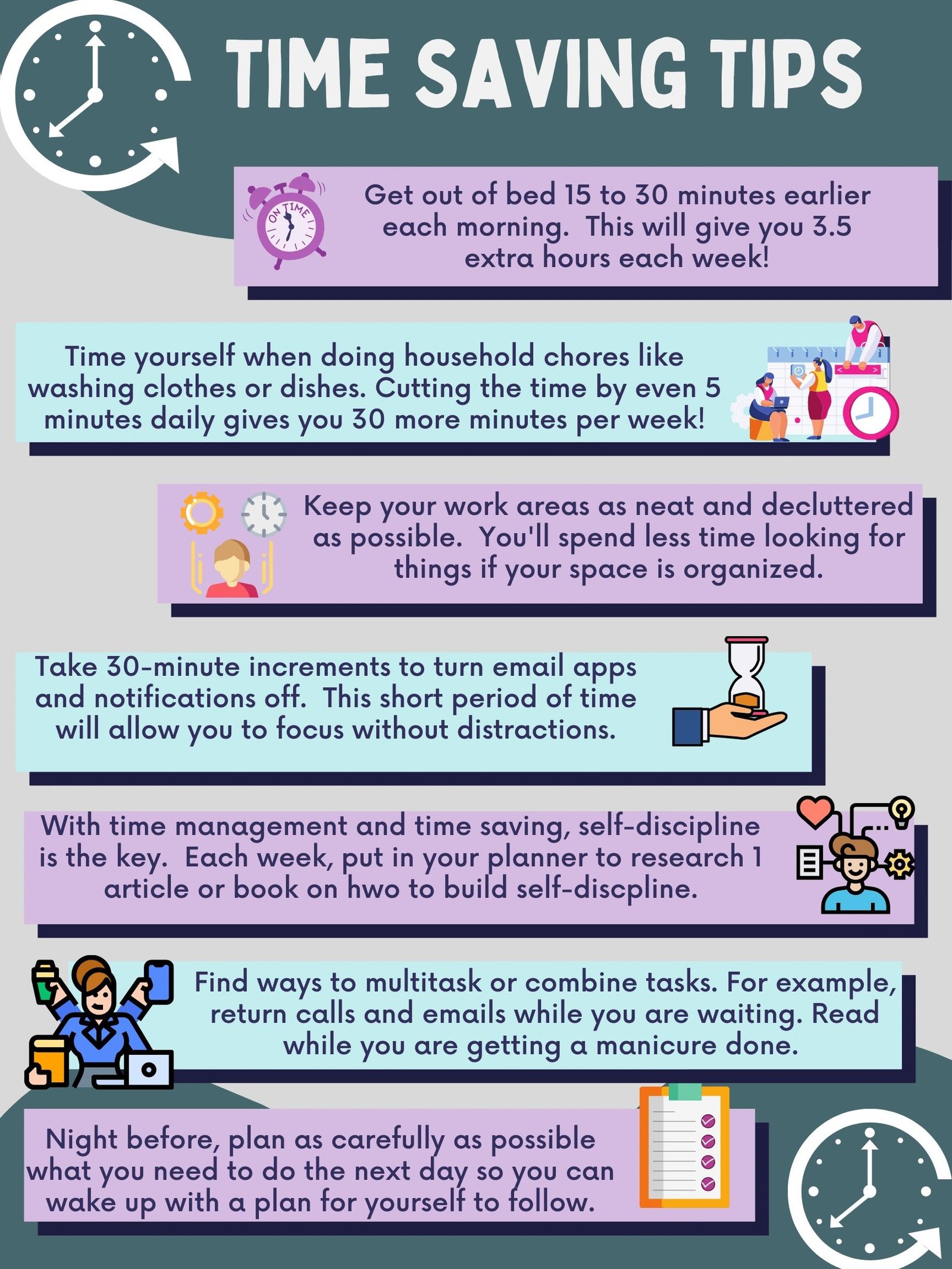
- Plan the night before: Spend 10 minutes at the end of your day to map out tomorrow’s priorities.
- Batch similar tasks: Group emails, errands, or phone calls to minimize the cognitive load of switching contexts.
- The "One In, One Out" Rule: For every new item you bring home, remove one to prevent clutter from wasting your time later.
- Digitize your workspace: Keep files in organized cloud folders to avoid searching for misplaced documents.
- Prioritize with the Eisenhower Matrix: Differentiate between urgent and important tasks to ensure you focus on high-value work.
Mastering Productivity at Work
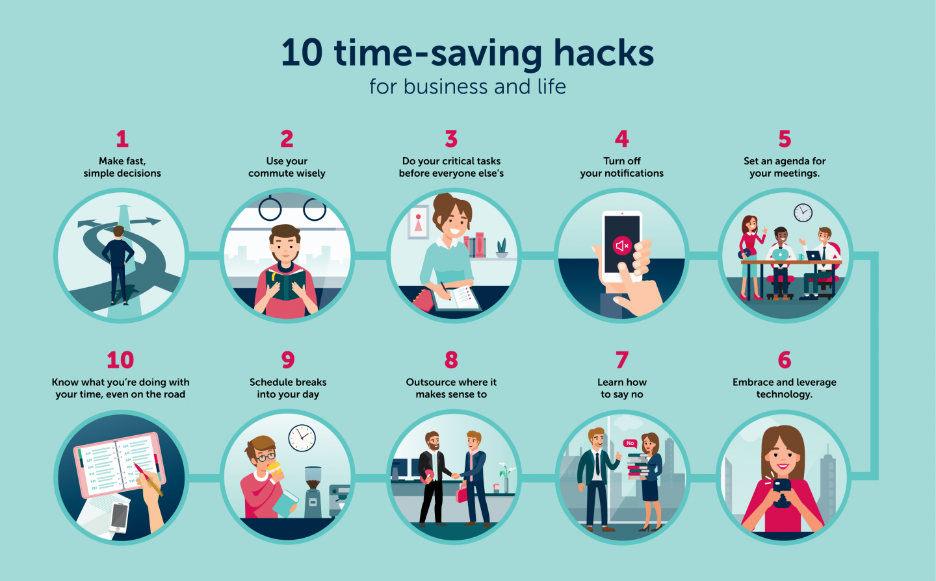
Efficiency at work is not about working harder; it is about working smarter. When you apply effective time-saving techniques in the workplace, you free up mental energy for creativity and personal growth, ultimately enhancing your work-life balance. Instead of racing against the clock, you can cultivate a healthier, stress-free professional life.
Prioritize with Precision
The most effective professionals do not just do things right; they do the right things. Through clear goal setting and using a to-do list, you can identify your most impactful tasks. By focusing on high-value activities that align with your long-term career goals, you ensure that your effort translates into real progress.
- The Eisenhower Matrix: Categorize tasks by urgency and importance. Master the art of delegation by eliminating or assigning anything that does not serve your core mission to others.
- The Ivy Lee Method: Limit your focus to six important tasks per day. This actively combats decision fatigue and keeps you centered on completion, ensuring mental clarity.
Optimize Your Digital and Physical Environment
A cluttered space often leads to a cluttered mind. Taking a few minutes to organize your surroundings can save you hours of searching over the course of a month.
- Digital Hygiene: Keep your files in a logical, nested folder structure. Delete redundant emails and unsubscribing from newsletters you never read.
- Clear the Desk: A clean workspace helps you avoid procrastination. When your tools are easy to find, your transition into "deep work" becomes instantaneous.
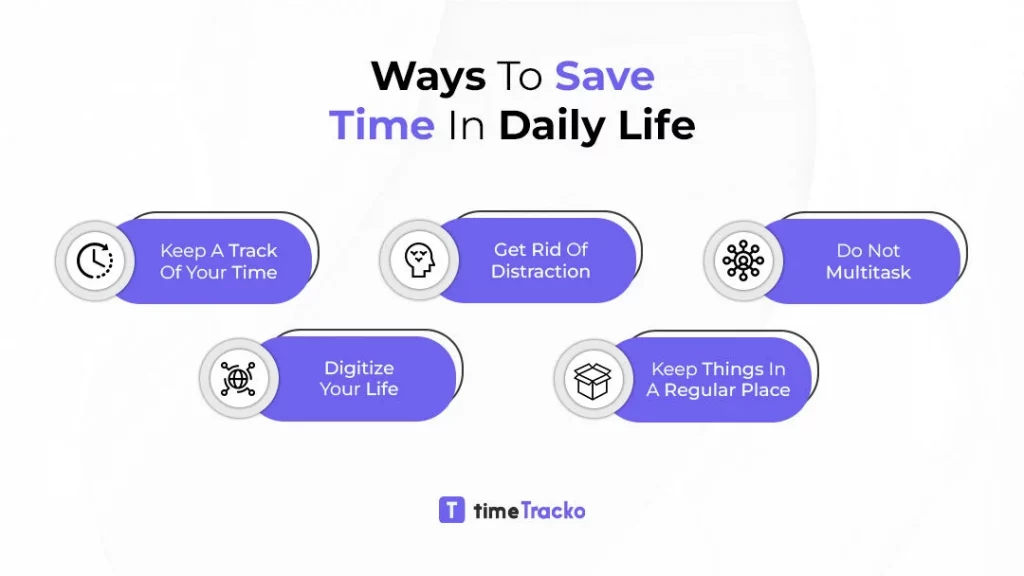
- Single-Tasking: Research suggests that multitasking is a myth that actually lowers productivity. Focus on one task at a time to finish it faster and with higher quality.
Home Organization Hacks for 2026
Your home should be a sanctuary, not a source of chores that drain your energy. Implementing systemic home organization can shave hours off your weekly routine. These small, consistent actions accumulate to create significant freedom in your schedule.
Create a "Drop Zone"
Stop wasting time searching for misplaced items. By designating a specific "Drop Zone" near your entrance, you create a home for your keys, wallet, and shoes.
- Hooks and Baskets: Use wall-mounted hooks for keys and clearly labeled baskets for daily essentials.
- Consistency is Key: Develop the habit of placing items in their designated spot the moment you walk through the door. As Benjamin Franklin famously noted, "For every minute spent in organizing, an hour is earned."
The Power of Color-Coding
Visual systems reduce the mental tax of maintaining a home. A color-coded system for folders, laundry, or bins allows your brain to categorize items automatically without conscious effort.
- Laundry Simplified: Assign different colored baskets for whites, darks, and colors. Your laundry will be pre-sorted before you even reach the washing machine.
- Labeling Everything: When everything has a label and a location, you spend zero time wondering where items belong. This is especially helpful for shared living spaces.
Streamlining Your Kitchen and Meal Prep
Meal preparation is often the biggest "time-sink" in the average household. By shifting from reactive cooking to proactive meal planning, you can reclaim your evenings and ensure a healthier diet.
Weekend Meal Prep Strategies
Spending just two to three hours on Sunday preparing components for the week can save you countless hours during busy weeknights.
- Batch Cooking: Prepare large quantities of grains, proteins, or roasted vegetables. These can be mixed and matched throughout the week.
- Grocery List Templates: Standardize your weekly shopping list. This eliminates the need to reinvent the wheel every time you head to the store.
- Online Ordering: If time is at a premium, utilize grocery delivery services. This avoids the commute and the potential for impulse spending.
Smart Kitchen Technology
Embrace automation to handle the "heavy lifting" of dinner preparation.
- Slow Cookers and Instant Pots: These devices act as your personal chef. Simply add ingredients, set the timer, and return to a fully prepared, aromatic meal.
- Clear Containers: Organize your fridge with transparent, labeled containers. You will never spend time digging for ingredients again.
Managing Your Energy, Not Just Your Time
True productivity is about managing your energy levels throughout the day. If you try to force high-intensity work during your natural energy slumps, you will inevitably waste time.
Align Tasks with Biological Peaks
Monitor when you are at your most alert. For many people, the early morning is the ideal window for "real work" or complex problem-solving.
- Reverse Scheduling: Try filling your calendar from the end of the day backward, effectively using time blocking to reserve your peak focus hours for your most important projects.
- Schedule Meetings Later: If you find your focus wanes in the afternoon, use that time for low-intensity meetings or administrative catch-up tasks.
The Art of Saying No
One of the most powerful ways to save time is to decline low-priority commitments. Every time you say "yes" to an unimportant request, you are saying "no" to your own goals.
- Protect Your Boundaries: It is perfectly acceptable to decline meetings or social engagements that do not align with your current priorities.
- Eliminate Notifications: Digital distractions are a major time thief. Implementing a digital detox or effective screen time management by turning off non-essential notifications on your devices helps maintain your focus during work intervals.
Leveraging Technology for Daily Automation
In 2026, the technology at your fingertips is designed to simplify your existence, yet many of us use it to create more noise. True efficiency comes from leveraging productivity tools and apps to handle repetitive, low-value tasks that consume our cognitive bandwidth. By offloading these responsibilities to software, you create a seamless environment where your time is protected.
Automating Personal Finance and Admin
The mental drain of paying bills, tracking subscriptions, and managing recurring errands is significant. You can reclaim this energy by setting up automated financial workflows that function in the background of your life.
- Autopay Everything: Configure all fixed-cost utilities, rent, and subscription services to be paid automatically. This eliminates late fees and the need to manually log in to multiple portals each month (Source 1).
- Digital Subscription Audits: Use app-based trackers to identify recurring charges you no longer use. Canceling just two unused subscriptions can save you money and the time spent monitoring them.
- Template Your Correspondence: For emails you find yourself writing repeatedly—such as meeting follow-ups or project inquiries—create templates. Tools like text expanders or simple email drafts allow you to respond in seconds rather than minutes.
The Role of AI in Personal Efficiency
Artificial Intelligence is no longer just for enterprises; it is a personal assistant for your daily schedule. Using AI to summarize long documents or draft initial outlines can reduce your workload by up to 50% for information-heavy tasks.
- Voice-to-Text Dictation: When you are on the go, use voice commands to dictate grocery lists, notes, or quick reminders. This is significantly faster than typing on a mobile screen and helps you capture ideas before they vanish.
- Smart Home Integration: Use voice assistants to manage lighting, thermostats, and simple timers. By reducing the number of manual interactions with your environment, you maintain your "flow state" longer.
- Aggregated News Feeds: Instead of visiting multiple websites to stay informed, use a single RSS aggregator or curated newsletter. This prevents "tab fatigue" and keeps your digital workspace tidy (Source 4).
Optimizing Errands and Commuting
The time spent "out and about" is often the most difficult to quantify, yet it represents a massive portion of our weekly schedule. By applying a logistical mindset to your errands, you can transform hours of transit into a streamlined, single-trip efficiency model.
The "Batching" Philosophy for Outings
Never leave the house for just one task unless it is a true emergency. Grouping similar errands based on geography is a cornerstone of effective time management.
- Geographic Clustering: Map out your errands by location. If you need to go to the post office, the dry cleaner, and the grocery store, plan them in a single circular route. This reduces fuel consumption and travel time significantly (Source 4).
- The "Carrying Cost" of Errands: Before heading out, ask yourself: "Can this wait until my next scheduled trip?" Reducing the number of times you leave your home or office is the fastest way to add time back into your day.
- Pre-Shopping Checklists: Never enter a store without a list. Research shows that shopping without a guide leads to "browsing," which adds an average of 15 to 20 minutes to every trip (Source 2).
Transforming Commute Time into Growth Time
If you cannot avoid a commute, you should optimize it. Whether you are driving, taking a train, or walking, this time should be treated as "found time" for personal development or relaxation.
- Audio Learning: Replace radio static or mindless music with podcasts or audiobooks related to your professional field or personal interests. This turns dead time into educational progress (Source 1).
- The "Transition Period": Use the first five minutes of your commute to mentally decompress from your previous location and the last five minutes to prime your brain for your next destination. This prevents "cognitive lag" when you arrive.
- Commute-Friendly Tasks: If you are a passenger, use this time for low-stakes digital chores, such as clearing your inbox or finalizing your shopping list for the weekend.
Mastering the Art of "Micro-Habits" for Speed
We often think that time-saving requires radical lifestyle changes, but the most sustainable efficiencies come from understanding habit formation and implementing micro-habits. These are tiny, repeatable actions that reduce the friction in your daily routine.
The Two-Minute Rule
If a task takes less than two minutes, do it immediately. Putting it on a list or deciding to "do it later" creates a cognitive backlog that takes more time to manage than the actual task itself.
- Instant Filing: When you open a piece of mail or receive a document, process it instantly—either file it, shred it, or act on it.
- Immediate Cleanup: Washing a dish right after using it takes thirty seconds. Letting it sit until the end of the day requires soaking, scrubbing, and extra cleanup time later.
- Digital Decluttering: When you finish a project, delete the temporary files immediately. This prevents the "digital hoard" that makes finding important documents a nightmare in the future (Source 1).
Environmental Triggers for Efficiency
Your brain is wired to respond to environmental cues. By setting up your space to trigger productive behaviors, you remove the need for willpower.
- Visual Cues: Place your gym clothes on your bedroom floor the night before. This removes the "decision barrier" in the morning, making you more likely to exercise.
- The "Work-Only" Zone: Designate a specific spot in your home for professional work. Over time, your brain will associate this space with focus, allowing you to enter deep work mode significantly faster than if you worked from the couch.
- Simplified Decision-Making: Reduce the number of choices you make daily. This is why many successful people stick to a "uniform" or a simplified morning routine. By automating the "what to wear" or "what to eat" decisions, you save your brainpower for higher-stakes tasks (Source 2).
Advanced Communication Management
In the modern digital landscape, communication is the primary thief of time. Effective communication management is not about responding faster; it is about responding more intentionally so that you control the conversation rather than the conversation controlling you.
Establishing Communication Boundaries
Most people operate under the assumption that they must be available 24/7. This is a myth that destroys productivity. Establishing clear boundaries is essential for protecting your time.
- Batch Communication: Do not check your email or messages every five minutes. Instead, implement time blocking by scheduling specific ‘communication windows’ at 10:00 AM, 1:00 PM, and 4:30 PM. This keeps you in a state of deep work for longer stretches (Source 3).
- The "No" Protocol: Learn to say no to meetings that lack a clear agenda or objective. If a request can be handled via a quick email or a shared document, suggest that alternative.
- Use Status Indicators: Utilize "Do Not Disturb" modes on your devices during your most productive hours. Let your colleagues know that you are in a "deep work" block and will return messages at a specific time.
Streamlining Meeting Efficiency
Meetings are often the most common source of wasted time in the workplace. To reclaim these hours, you must enforce rigor in your meeting culture.
- The 20-Minute Default: Challenge the standard 60-minute meeting. If you schedule for 20 minutes, you force the participants to focus on the essential agenda items immediately.
- Pre-Meeting Materials: Require a brief summary or agenda to be sent 24 hours before the meeting. If participants come prepared, the meeting time can be cut in half.
- The "Stand-Up" Rule: Conduct meetings while standing up. This naturally keeps the conversation brief and to the point, as people are physically less comfortable lingering for long periods.
The Psychology of Time Perception
How we feel about our time is often just as important as how we spend it. Cultivating a time-conscious mindset involves shifting your focus from "having enough time" to "investing your time wisely."
Recognizing "Time Sinks"
A time sink is an activity that provides low value but high time consumption. Common examples include mindless social media scrolling, excessive news consumption, or aimless "research" that doesn't lead to action.
- The Audit Method: For one week, track your time in 30-minute increments. You will be surprised to find where your "invisible hours" are leaking.
- The Cost of "Waiting": If you find yourself waiting in line or for a meeting to start, have a "mobile project" ready. This could be a book, a podcast, or a list of people you need to catch up with.
- Rest vs. Distraction: Distinguish between true rest (which recharges you) and distraction (which drains your focus). True rest—such as a short walk, mindfulness meditation, or a nap—actually increases your productivity later, whereas social media scrolling rarely does (Source 5). These practices are crucial for stress reduction and maintaining focus.
Cultivating a Focused Mindset
Efficiency is a mental practice. When you are fully present in the task at hand, you complete it in a fraction of the time it takes when your mind is wandering.
- Single-Tasking as a Superpower: By training yourself to focus on one thing until it is finished, you eliminate the "context switching" penalty. Studies show that shifting between tasks can cost up to 40% of your productive time (Source 3).
- The Power of Intentional Breaks: Use the Pomodoro technique (25 minutes of work followed by a 5-minute break) to maintain high levels of focus throughout the day. These short breaks prevent burnout and keep your brain sharp for the next block of work.
- Eliminating Perfectionism: Perfectionism is often just procrastination in disguise, hindering progress and wasting valuable time. Aim for "good enough" on low-stakes tasks to ensure you finish them and move on to high-impact work.
Managing Home Maintenance and Household Chores
Maintaining a living space is a constant requirement, but it doesn't have to be a daily burden. By modularizing your chores, you can prevent your home from becoming a chaotic environment that requires a massive "reset" every weekend.
The "Little and Often" Strategy
Instead of spending your entire Saturday cleaning, distribute the load throughout the week. This keeps your home in a state of "ready" rather than "in need of repair."
- Daily Maintenance Rituals: Spend 15 minutes every evening doing a "closing shift" for your home. Wash the remaining dishes, wipe the counters, and put items back in their "home." This ensures you wake up to a clean environment, which sets a productive tone for the following morning.
- Room-Specific Focus: Assign one chore to each day of the week. Monday is for dusting, Tuesday is for bathrooms, Wednesday is for floors, and so on. This prevents the "weekend-chores-mountain" that ruins your relaxation time.
- Cleaning Kits: Keep a small cleaning basket under the sink in every bathroom. This removes the hurdle of having to walk to the utility closet to get supplies, which makes it significantly more likely that you will tackle small spills immediately (Source 2).
Decluttering as a Lifestyle
Clutter is the physical manifestation of delayed decisions. Every item you own requires a "tax" of your time to store, clean, and organize.
- The One-In, One-Out Rule: For every new item you bring into your home, whether it is a book, a shirt, or a kitchen gadget, you must donate or discard an old one. This keeps your inventory stable and prevents the accumulation of "stuff" (Source 2).
- The Donation Box Hack: Keep a permanent bin in your closet for items you no longer need. When it is full, drop it off at a charity center. This removes the need for big, stressful decluttering sessions.
- Vertical Storage Solutions: If you live in a smaller space, use vertical shelving to maximize capacity without increasing the floor footprint. This reduces the time spent shifting items around to reach what you need.
Optimizing Personal Care for Efficiency
Your physical and mental well-being is the foundation of your productivity. If you are exhausted or stressed, no amount of time-management hacks will save your schedule. Optimizing your health routines is a strategic investment in your total life efficiency.
Streamlining Morning and Evening Routines
Your transitions into and out of the day dictate your energy levels. A well-oiled routine minimizes the time spent in the "groggy" state and prepares you for the tasks ahead.
- Automate Your Wardrobe: Reduce the number of clothing options you have. By curating a "capsule wardrobe" of items that all match, you eliminate the time spent choosing an outfit.
- The Night-Before Prime: Spend ten minutes every evening laying out your clothes, packing your bag, and checking your calendar for the next day. This removes the morning "decision fatigue" that can derail your start.
- Pre-set Breakfasts: If you eat breakfast, have a standardized, quick-to-assemble meal option. This keeps your morning moving without the need for complex cooking or cleanup.
Integrating Exercise and Recovery
Exercise is not a time-sink; it is a time-multiplier. The energy and clarity you gain from movement make you more effective in all other areas of your life.
- Micro-Workouts: If you cannot find an hour, find ten minutes. High-intensity interval training (HIIT) can provide significant physical benefits in a very short window, allowing you to fit fitness into even the busiest schedule.
- Combine Socializing and Activity: Instead of meeting friends for coffee or drinks, suggest a walk or a local hike. This allows you to combine your social needs with your physical health goals.
- Sleep Hygiene as Efficiency: Prioritizing sleep is the most effective way to improve your brain's processing speed. A well-rested brain can solve problems in half the time it takes a tired one, effectively reclaiming hours of lost time every day.
Designing Your Perfect Weekly Review
A weekly review is the ultimate time-management tool. It allows you to step back from the "weeds" of your daily tasks and ensure your life is moving in the direction you actually intend.
The Sunday Setup
Set aside 30 minutes on Sunday to look at the week ahead. This is not just about scheduling; it is about aligning your time with your values.
- The Calendar Audit: Look at your upcoming appointments. Are there any that don't need to be there? Are there any that can be shortened or delegated?
- Goal Mapping: Identify three major goals for the upcoming week. This ensures you spend your energy on what matters, rather than just reacting to the influx of requests.
- Buffer Days: Build in "blank space" in your calendar. Life rarely goes exactly to plan; having a few hours of unallocated time acts as a pressure valve, preventing one unexpected event from ruining your entire week.
Reflecting for Continuous Improvement
Use your weekly review to assess what worked and what didn't. Did your meal prep help? Did you stick to your communication windows?
- Iterate and Adjust: If a specific time-saving tip didn't work for you, don't feel obligated to keep it. Efficiency is personal. Keep the hacks that provide value and discard the ones that add friction.
- Celebrate Wins: Acknowledge the time you reclaimed. When you realize you finished your work an hour early or had a stress-free weekend because of your systems, you build the momentum to keep going.
- The "Big Picture" Check: Ensure that your daily efficiency is serving your long-term vision. If you are saving time but feel unfulfilled, you are optimizing the wrong variables. Use this time to realign your daily actions with your broader life purpose.
Advanced Strategies for Information Management
We live in an age of information overload. The ability to filter, store, and retrieve information quickly is a high-level productivity skill that separates the efficient from the overwhelmed.
Managing the Information Stream
Your inbox, social feeds, and news sources can become a massive drain on your focus. Managing the input is just as important as managing the output.
- Aggressive Unsubscribing: If you haven't opened a newsletter in the last month, unsubscribe. It takes seconds to click the link but saves you hours of mental clutter over the course of a year.
- The "Read-Later" Workflow: Use browser extensions or apps that allow you to save articles for later. This keeps you from breaking your focus during the day and allows you to catch up during "downtime" like commuting or waiting in lines.
- Centralized Note-Taking: Use a single, searchable digital app for all your notes, ideas, and project details. Knowing that your information is in one place prevents the time-wasting search for physical papers or scattered digital scraps.
Retrieval Efficiency
How you store information determines how fast you can use it. Organizing your digital knowledge base is the key to preventing the "where did I save that?" panic.
- Standardized Naming Conventions: Develop a simple naming structure for your files (e.g., YYYY-MM-DD-ProjectName-Content). This makes finding specific documents instantaneous, regardless of how many you have.
- Cloud Synchronization: Ensure your primary files are synced across all devices. The ability to pull up a document on your phone while away from your desk is a massive time-saver.
- The "Archive" Habit: Once a project is complete, move the files to an "Archive" folder. This keeps your active workspace clean and focused on current priorities.
Cultivating a "Time-Abundance" Mindset
Ultimately, the goal of all these tips is to move from a state of "time-scarcity"—where you feel like you are constantly losing ground—to a state of "time-abundance."
Focusing on What Matters
When you master your time, you are not just getting more done; you are creating space for the things that define a meaningful life.
- Prioritize Relationships: Use the time you save to invest in your family, friends, and community. These are the investments that pay the highest long-term dividends.
- Pursue Personal Growth: Dedicate your newly reclaimed hours to learning new skills, reading, or pursuing creative projects. This is where your true value is built.
- Enjoy the Present: The point of being efficient is not to fill your day with more tasks, but to be present in the ones you have. When you aren't rushing, you can experience life with more intention and joy.
The Ongoing Commitment to Efficiency
Efficiency is not a destination; it is a habit. As your life changes, your systems will need to change with it.
- Stay Adaptable: Life is dynamic. Don't be afraid to discard a system that no longer works. The best time-management practice is the one that fits your current reality.
- Refine Your Systems: Regularly look for "low-hanging fruit" where you can save a few more minutes. Small, cumulative gains add up to massive changes over time.
- Your Time, Your Rules: Take ownership of your schedule. You are the architect of your day. By making intentional choices about how you spend your time, you ensure that your life reflects your highest priorities.
References
-
Timehackz — 43 Eye-opening Tips on How to Save Time in Daily Life – Time Hackz, 2026
-
Living50 — 50 Time-Saving Life Hacks Everyone Needs to Know, 2026
-
Danfe — 12 Ways to Save Time Daily (Most People Skip #8) – danfe.io, 2026
-
Organisemyhouse — 59 Ingenious (and Easy!) Ways To Save Time Every Week, 2026
-
Thesavvymama — 21 Realistic Tips To Save Time in Every Area of Your Life, 2026
-
Cms — 20 Genius Hacks for Saving Time in Your Daily Routine – Life …, 2026
-
Productivitypatrol — 29 Genius Tips and Ideas to Save Time at Home – Productivity Patrol, 2026
-
Inspirationfeed — 20 Time Saving Shortcuts and Life Hacks from Successful People, 2026