
In our fast-paced 2026 digital landscape, the sheer volume of information and demands can leave even the most organized individuals feeling overwhelmed. Learning how to prioritize tasks in daily life is no longer just a soft skill; it is a survival mechanism for maintaining mental clarity and achieving long-term goals.
When everything feels like a “top priority,” nothing truly is. By mastering the art of effective task management, you can transform your chaotic to-do list into a streamlined roadmap for success. In this guide, we will explore proven strategies to help you distinguish between the urgent and the truly impactful.
Why Prioritization is Your Most Valuable Asset in 2026
The modern professional faces constant notifications, AI-driven workflows, and evolving workplace expectations. Without a structured approach to your day, you risk falling into the trap of “productive procrastination”—staying busy with low-value tasks while your most critical objectives remain untouched.
Effective prioritization allows you to allocate your limited energy to the tasks that generate the highest ROI (Return on Investment). Whether you are managing a household or leading a remote team, the ability to rank your responsibilities ensures that you finish your day feeling accomplished rather than just exhausted.
The Foundation: Writing and Categorizing Your List
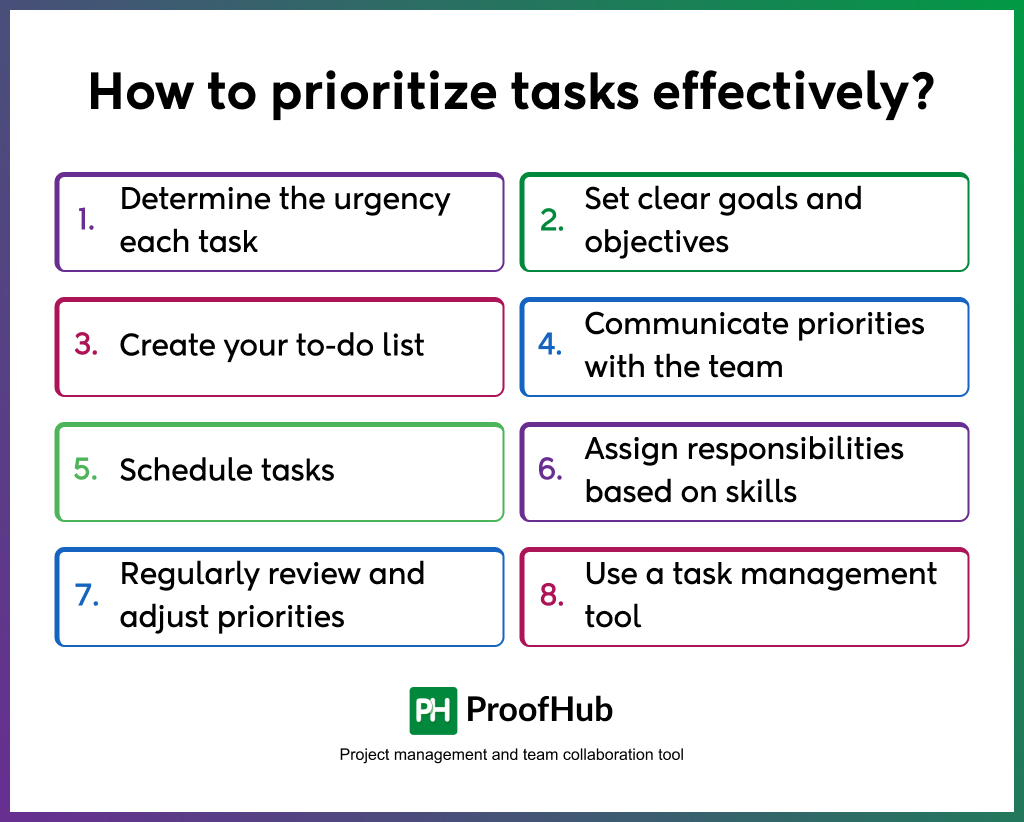
Before you can optimize your time, you must achieve full visibility of your commitments. The first step is a “brain dump.” Write down every single task on your radar, ranging from major project deadlines to minor errands like answering emails or picking up dry cleaning.
Once your list is compiled, categorize each item into three distinct buckets:
- High Importance: Tasks directly linked to your core goals or those with imminent, non-negotiable deadlines.
- Medium Importance: Tasks that are necessary but can be deferred if a high-priority item requires immediate attention.
- Low Importance: “Busy work” or administrative tasks that contribute little to your long-term success.
Proven Methods for Masterful Task Management
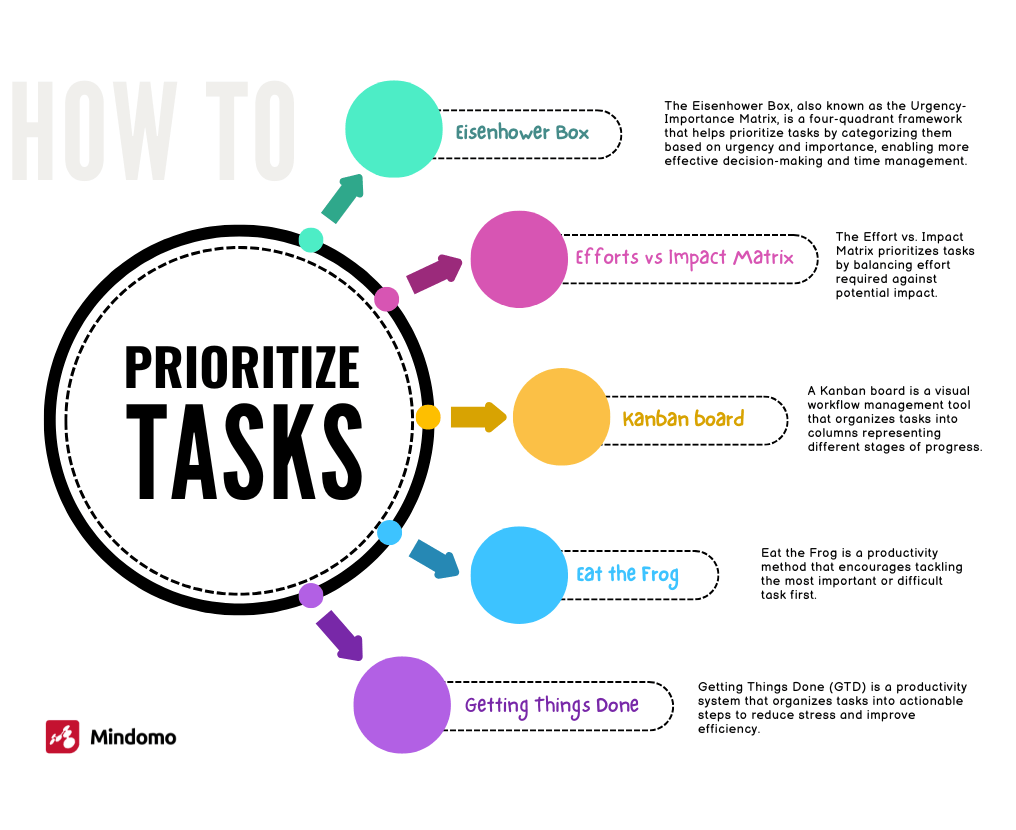
There is no one-size-fits-all approach to productivity. However, adopting a structured framework can significantly reduce decision fatigue.
The Eisenhower Matrix
This classic tool remains the gold standard for 2026. By dividing tasks into a four-quadrant grid (Urgent/Important, Important/Not Urgent, Urgent/Not Important, and Not Urgent/Not Important), you gain instant clarity on what to do, schedule, delegate, or delete.
The Ivy Lee Method
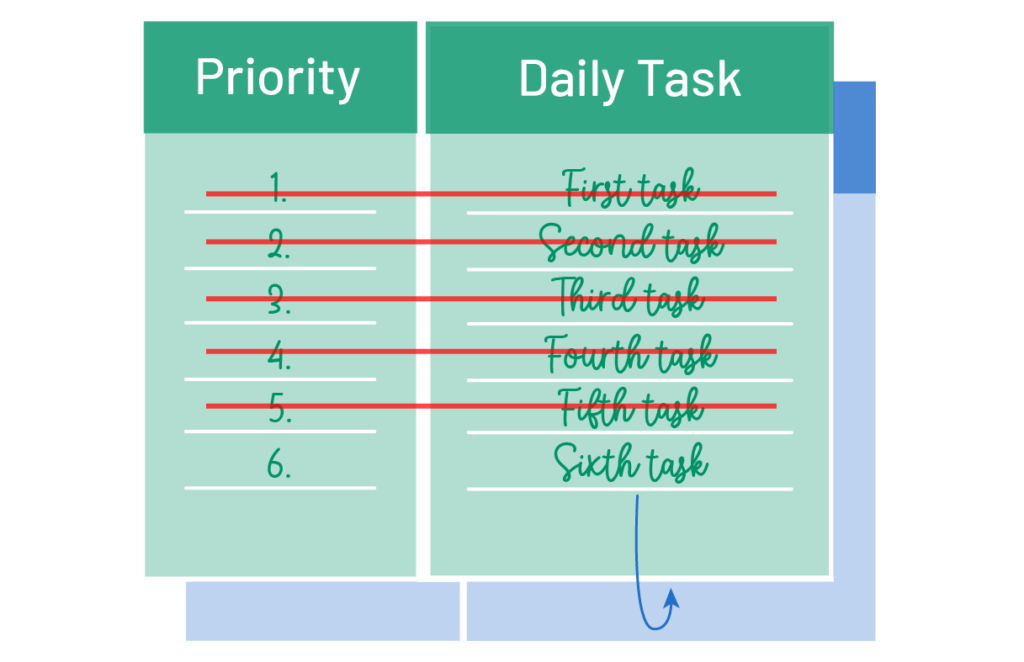
For those who struggle with focus, the Ivy Lee Method is a game-changer. At the end of each day, identify the six most important things you need to accomplish tomorrow. Rank them in order of true importance. The next day, work only on the first task until it is completed before moving to the second.
The ABCDE Method
Assign a letter to every task on your list. “A” tasks are must-dos with serious consequences if not completed. “B” tasks have mild consequences. “C” tasks are nice-to-dos. “D” stands for delegate, and “E” stands for eliminate. This simple alphabetical ranking forces you to confront the reality of your time constraints.
Handling the “Everything is Urgent” Trap
One of the most common challenges is distinguishing between perceived urgency and actual importance. In 2026, instant messaging and real-time collaboration tools often create a false sense of urgency.
If you find yourself paralyzed by a mountain of “urgent” tasks, pause and ask yourself: Does this task move the needle on my primary goal? If the answer is no, it is likely a distraction. Remember that prioritizing effectively is just as much about saying “no” to the wrong things as it is about saying “yes” to the right ones.
Real-Life Examples of Successful Prioritization
- Professional Setting: A project manager might prioritize a client presentation over clearing out an email inbox because the presentation directly affects revenue.
- Everyday Life: A parent might prioritize a child’s medical appointment over cleaning the garage. The appointment is a “High Importance” task with long-term health implications.
- Educational Goals: A student might prioritize finishing a thesis draft over watching a recorded lecture, recognizing that the deadline for the draft is closer and carries more weight.
Conclusion: Consistency is the Key to Results
Mastering how to prioritize tasks in daily life is a continuous process, not a one-time fix. As we navigate the complexities of 2026, your ability to adapt your prioritization strategy based on changing circumstances will define your success.
Start small. Pick one of the methods mentioned above—like the Eisenhower Matrix or the Ivy Lee Method—and commit to using it for one week. By intentionally choosing where to direct your focus, you regain control over your schedule, reduce stress, and ultimately achieve a much higher quality of output. Remember, productivity isn’t about doing more; it’s about doing what matters most.