
Maintaining a pristine home often feels like a never-ending cycle of scrubbing, dusting, and tidying. For many, the dream of a peaceful, organized sanctuary is constantly interrupted by the reality of a busy schedule. If you find yourself exhausted by weekend deep-cleaning marathons, it is time to shift your perspective. By 2026, the most effective approach to home maintenance isn't working harder—it’s working smarter. This article will show you How To Keep Your Home Clean With Minimal Effort, offering practical time-saving cleaning tips and strategies for effective household chores management.
The secret to a consistently tidy home lies in minimalist strategies, sustainable habits, and the implementation of a repeatable cleaning system. You don’t need to spend hours every day to achieve a home that feels fresh and functional. Instead, by focusing on high-impact areas and small, consistent actions, you can reclaim your time and energy, truly mastering How To Keep Your Home Clean With Minimal Effort through an efficient cleaning routine.
Quick Guide: The 2026 Minimalist Cleaning Philosophy
If you want to stop the cycle of clutter and mess, start by embracing these core pillars of low-effort maintenance, which are key to understanding How To Keep Your Home Clean With Minimal Effort and establishing a quick cleaning schedule:
- Own Less: Clutter is the primary enemy of cleanliness. Reducing the items you store makes cleaning surfaces faster and more efficient.
- Clean as You Go: Tackle small tasks immediately to prevent them from becoming overwhelming projects.
- The "Clean Enough" Mindset: Focus on functionality and hygiene rather than unattainable perfection.
- Routine Consistency: Small, daily actions are far more effective than massive, irregular cleaning sessions.
Why Traditional Cleaning Methods Lead to Burnout
Most people approach home maintenance by waiting until the house is "messy enough" to justify a deep clean. This reactive cycle is a recipe for burnout and inconsistency. By trying to tackle every room in one day, you drain your energy and create a negative association with the process of cleaning, making it harder to learn How To Keep Your Home Clean With Minimal Effort without incorporating speed cleaning hacks.
The Problem with "All-at-Once" Cleaning
When you wait for the mess to pile up, you are faced with a daunting mountain of work. This leads to:
- Procrastination: The task feels too big, so you avoid it until it’s impossible to ignore.
- Lack of Focus: Trying to clean everything at once means no single area gets the attention it truly needs.
- Physical Exhaustion: Spending an entire Saturday scrubbing floors leaves you with little time to actually enjoy your space.
Instead, shift your strategy toward micro-cleaning. By breaking down your chores into manageable increments, you ensure that no single task takes more than a few minutes, which is fundamental to How To Keep Your Home Clean With Minimal Effort.
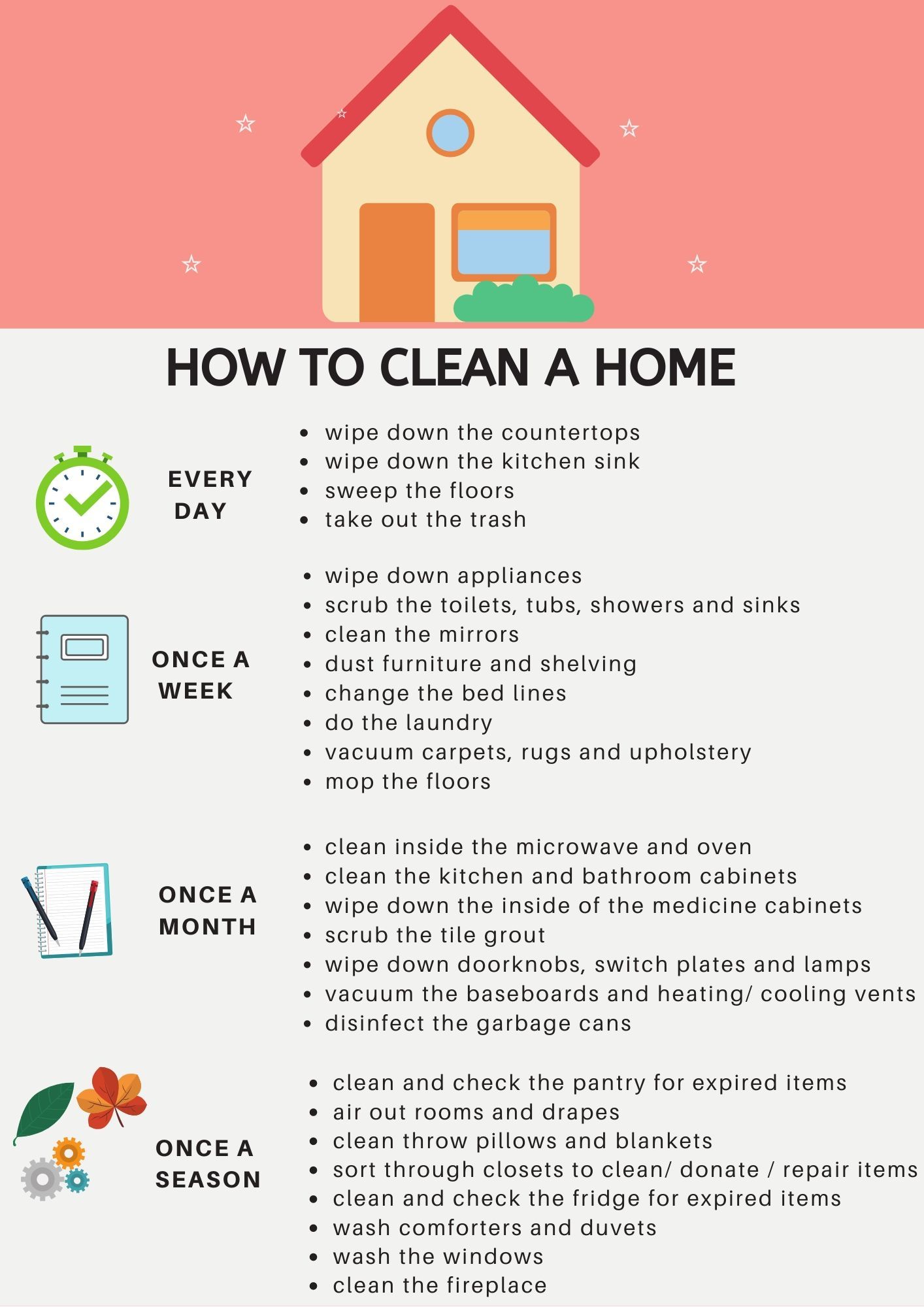
The 3-Level Cleaning System for 2026
To maintain a home that feels consistently fresh, professionals recommend a tiered system. This structure ensures that daily maintenance is effortless while deep cleaning becomes a rare, manageable event, demonstrating How To Keep Your Home Clean With Minimal Effort.
Level 1: Daily Maintenance
Daily tasks are the foundation of a tidy home. These daily tidy-up habits take 5-10 minutes and prevent clutter from accumulating, showing you How To Keep Your Home Clean With Minimal Effort on a daily basis.
- The 5-Minute Reset: Set a timer every evening to clear surfaces, tuck away stray items, and prep the common areas for the next morning.
- Put it Away, Not Down: This is the most crucial habit for any organized home. If you use an item, return it to its designated "home" immediately.
- Kitchen Triage: Wipe down counters after meals and ensure the sink is clear. This prevents food residue and grime from building up.
Level 2: Weekly Cleaning
Weekly tasks should be assigned to specific days to keep your home fresh without requiring a weekend overhaul.
- High-Traffic Floors: Focus your vacuuming or mopping on the areas that get the most use, such as entryways and the kitchen.
- Bathroom Quick-Scrub: A quick wipe of the sink and toilet mid-week keeps the bathroom hygienic without needing a deep scrub.
- Surface Dusting: Spend time only on the surfaces that are visible, as these have the biggest impact on the room's overall aesthetic.
Level 3: Deep Cleaning
When Levels 1 and 2 are consistent, deep cleaning becomes a infrequent, low-stress activity. These tasks include washing windows, cleaning behind furniture, and deep kitchen appliance maintenance. By keeping up with the daily and weekly basics, you remove the "grime layer" that usually makes deep cleaning so labor-intensive, which is a core principle of How To Keep Your Home Clean With Minimal Effort and effective preventative cleaning.
Mastering the "Clean As You Go" Rule
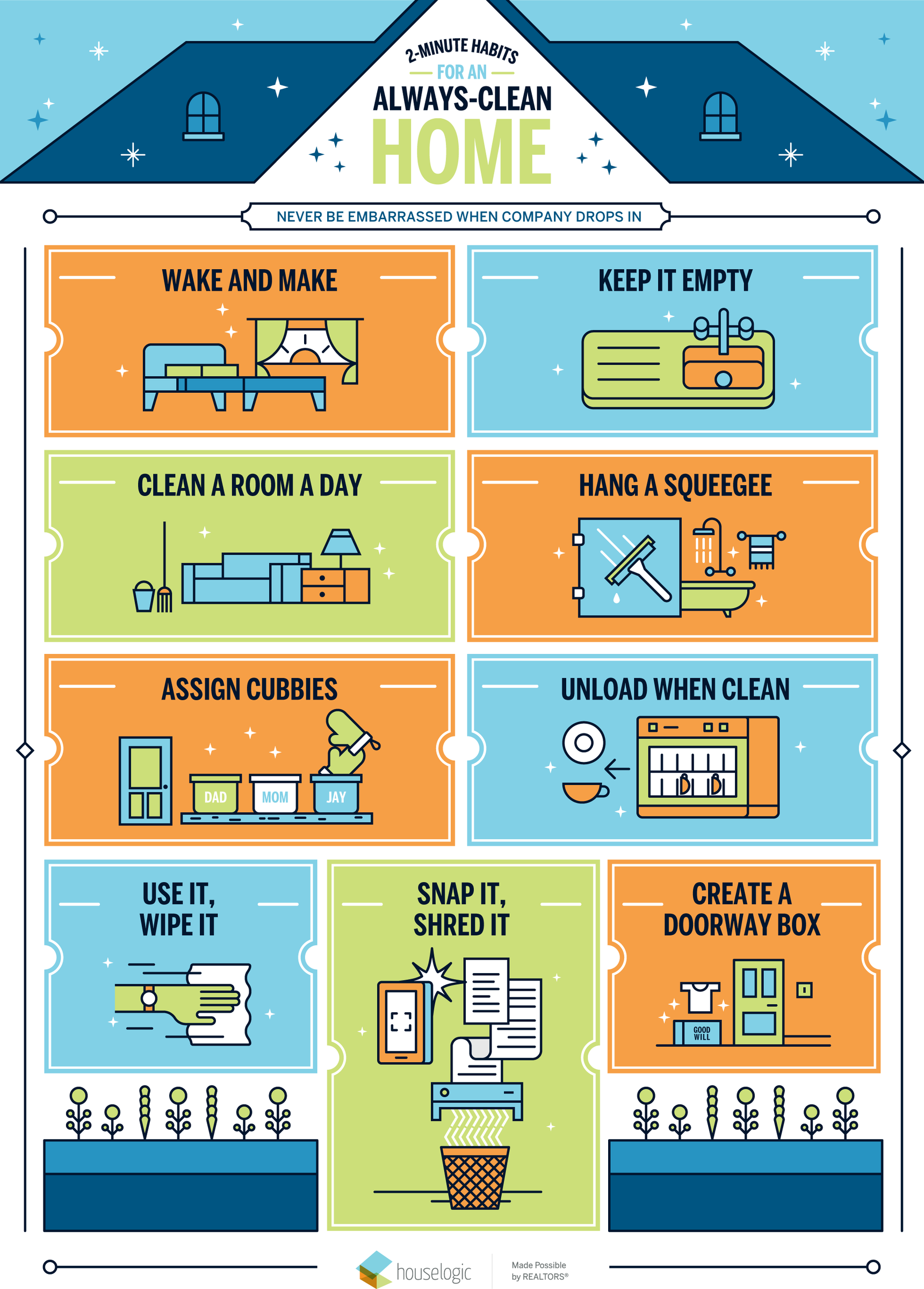
The "Clean As You Go" mentality is the ultimate hack for those who want to spend less time cleaning. It requires changing how you view your daily activities, and is crucial for understanding How To Keep Your Home Clean With Minimal Effort.
Kitchen Habits for Minimal Effort
The kitchen is often the first room to become cluttered. To keep it functional:
- Wipe as you cook: Clean your cutting board or prep area while the food is simmering.
- The Sink Rule: Never leave dirty dishes in the sink. If you don't have a dishwasher, wash them immediately. If you do, load them throughout the day and run it only when full.
- End-of-Day Shutdown: Treat your kitchen like a professional workspace. A 5-minute "closing shift" before bed ensures you start the next day with a clean, welcoming environment.
Decluttering: The Hidden Shortcut
The most effective way to clean faster is to own less stuff. When you have fewer items on your countertops, dusting takes seconds rather than minutes. When your floors aren't covered in miscellaneous objects, vacuuming is a breeze, making it easier to learn How To Keep Your Home Clean With Minimal Effort with smart home organization tips.
- The "One-In, One-Out" Rule: For every new item you bring into your home, donate or discard an old one.
- Designated Places: If an item doesn't have a home, it becomes clutter. Audit your storage solutions to ensure everything has a specific spot.
- Regular Decluttering Sessions: Schedule a 15-20 minute decluttering session once a month to remove items that have slowly accumulated in high-traffic zones.
High-Impact Areas: Where to Focus Your Energy
Not all cleaning tasks provide the same "visual return on investment." If you are short on time, prioritize these high-impact areas to make your home feel instantly cleaner, a key strategy for How To Keep Your Home Clean With Minimal Effort.
1. Visible Surfaces
The state of your countertops, coffee tables, and dining tables dictates how you perceive the cleanliness of your home. Keeping these surfaces clear is the fastest way to achieve a "neat" look.
2. The Entryway
The entryway is the first thing you see when you walk through the door. A clean entry area sets a tone of calm for the rest of the house. Use a basket or bin to catch items like mail, keys, and shoes to prevent them from spreading into the living room.
3. Floors
Clean floors make a massive difference in the air quality and overall feel of a space. Focus on high-traffic zones like hallways and the kitchen. You don't need to move every piece of furniture every week; simply keeping the visible floor area swept or vacuumed is sufficient for 90% of your needs, contributing significantly to How To Keep Your Home Clean With Minimal Effort.
Why 2026 Trends Favor Minimalist Tools
Efficiency is the hallmark of modern home maintenance. In 2026, homeowners are increasingly turning to tools that save time and reduce physical strain, helping them master How To Keep Your Home Clean With Minimal Effort.
- Smart Home Tools: Robotic vacuums can handle daily floor maintenance, allowing you to focus on surfaces.
- High-Quality Microfiber: These cloths are vastly more effective at picking up dust and grime than traditional rags, reducing the amount of scrubbing required.
- All-Purpose Cleaners: Simplify your supply closet. One or two high-quality, non-toxic all-purpose cleaners can handle almost every surface in your home.
By investing in the right tools, you remove the friction that often prevents people from starting a cleaning task. When your tools are accessible and effective, cleaning becomes a minor, almost automatic part of your day.
Optimizing Your Environment for Low-Maintenance Living
Beyond just cleaning habits, the architecture of your living space plays a pivotal role in how much dirt accumulates and how difficult it is to remove. By making subtle adjustments to your furniture layout and decor, you can create a "self-maintaining" home that naturally resists the buildup of grime and clutter, which is central to How To Keep Your Home Clean With Minimal Effort.
Strategic Furniture Placement and Selection
The pieces of furniture you choose can either be an ally or an enemy in your quest for a clean home. To minimize effort, focus on items that are easy to clean under and around, a smart move for How To Keep Your Home Clean With Minimal Effort.
- Elevated Furniture: Whenever possible, choose sofas, chairs, and beds with legs. This allows your robotic vacuum or broom to slide underneath without the need to rearrange heavy furniture.
- Closed Storage Solutions: Open shelving is a magnet for dust and visual chaos. Opt for cabinets, drawers, and lidded baskets to hide your belongings, which reduces the surface area that requires regular dusting (Source 1).
- Smooth Surfaces: Fabric-heavy decor, such as high-pile rugs or upholstered ottomans in high-traffic areas, can trap allergens and debris. Hardwood, tile, or low-pile rugs are significantly easier to maintain and keep sanitary.
Controlling the "Clutter Magnet" Zones
Every home has specific areas that naturally attract loose items. By identifying these "clutter magnets," you can implement barriers that prevent the mess from spreading to the rest of your living space, a practical tip for How To Keep Your Home Clean With Minimal Effort.
- The Mail Drop Zone: Paper clutter is notorious for taking over kitchen islands and entryway tables. Place a dedicated organizer specifically for incoming mail near your front door to ensure paper stays contained.
- The Charging Station: Tangled cords are a major visual irritant. Create a single, designated charging station with a cable management box to keep electronics organized and off your surfaces.
- The "Landing Strip": Create a landing strip for bags, jackets, and shoes. If these items are allowed to land wherever they fall, your home will look messy regardless of how clean your floors actually are.
The Psychology of the "Reset" Routine
Maintaining a clean home is as much about your mindset as it is about your physical actions. The "Reset" is a psychological tool that helps you separate your day from your downtime, ensuring that you aren't carrying the stress of a messy house into your evening relaxation, and is key to understanding How To Keep Your Home Clean With Minimal Effort.
Why a Reset is Better Than a Clean
A "clean" implies a deep, thorough scrub, which can be exhausting. A "reset," however, is merely returning your home to its neutral state. It is the practice of resetting the room to its "ready" position, much like a stage crew preparing for the next act, and a fundamental part of How To Keep Your Home Clean With Minimal Effort.
- Lower Expectations: A reset isn't about deep-cleaning the baseboards; it is about ensuring the room is functional for the next morning.
- Visual Peace: When you wake up to a reset room, your brain perceives the environment as orderly, which significantly reduces morning cortisol levels and stress.
- The 10-Minute Timer Strategy: Use a timer for your reset to prevent it from bleeding into your leisure time. Once the timer dings, your work is done for the day, regardless of whether every last item is perfect (Source 3).
Building Rituals Around Chores
If you dread cleaning, you are likely viewing it as a chore that takes away from your life. To make it sustainable, try attaching it to an existing habit or an enjoyable activity, which can transform your approach to How To Keep Your Home Clean With Minimal Effort.
- The Podcast Method: Only allow yourself to listen to your favorite podcast or audiobook while you are doing your daily cleaning tasks.
- The "Waiting Room" Technique: Use the time while your coffee is brewing or your laundry is drying to tackle a quick task, such as wiping down the backsplash or clearing the dining table.
- Family Participation: If you live with others, turn the 10-minute reset into a timed game. When everyone contributes, the workload per person drops to almost zero.
Addressing Hidden Grime and Airborne Particles
While visible surfaces are important, the longevity of your home’s cleanliness often depends on how you manage invisible pollutants, such as dust, pet dander, and grease. Neglecting these areas forces you to clean more frequently because the pollutants settle back onto surfaces almost immediately, hindering your goal of How To Keep Your Home Clean With Minimal Effort.
Managing Dust at the Source
Dust is composed of dead skin cells, fabric fibers, and tracked-in dirt. Reducing the volume of airborne particles is the most effective way to keep surfaces cleaner for longer, and a smart strategy for How To Keep Your Home Clean With Minimal Effort.
- High-Quality Filtration: Ensure your HVAC system has a high-quality air filter and change it according to the manufacturer’s recommendations. This acts as a giant vacuum for your entire home.
- Microfiber Over Feather Dusters: Traditional feather dusters simply push dust from one surface to another. Use microfiber cloths to trap the dust, then wash them regularly.
- Entrance Mats: Placing a high-quality, heavy-duty mat both outside and inside your entryway will trap 70-80% of the dirt before it even enters your living space, drastically reducing the amount of sweeping required (Source 2).
The Science of Surface Maintenance
Different materials require different approaches to prevent buildup. By using the right cleaning agent for the specific surface, you can achieve a "better-than-clean" look with less physical effort, which is key to How To Keep Your Home Clean With Minimal Effort.
- Glass and Mirrors: Use a mixture of vinegar and water or a specialized glass cleaner paired with a squeegee rather than a paper towel. This prevents streaking and leaves a surface that resists fingerprints longer.
- Stainless Steel: Always wipe with the grain of the metal. If you use a tiny drop of mineral oil after cleaning, it creates a protective barrier that repels water spots and smudges.
- Kitchen Backsplashes: A quick spritz of a degreasing cleaner immediately after cooking prevents the build-up of the "sticky layer" that makes deep cleaning such a difficult task later on.
Seasonal Maintenance for Long-Term Ease
Even with a perfect daily and weekly routine, your home requires seasonal attention to stay in top condition. However, by spreading these tasks out, you can avoid the dreaded "Spring Cleaning" burnout that forces people to spend their entire weekend scrubbing, and instead learn How To Keep Your Home Clean With Minimal Effort year-round.
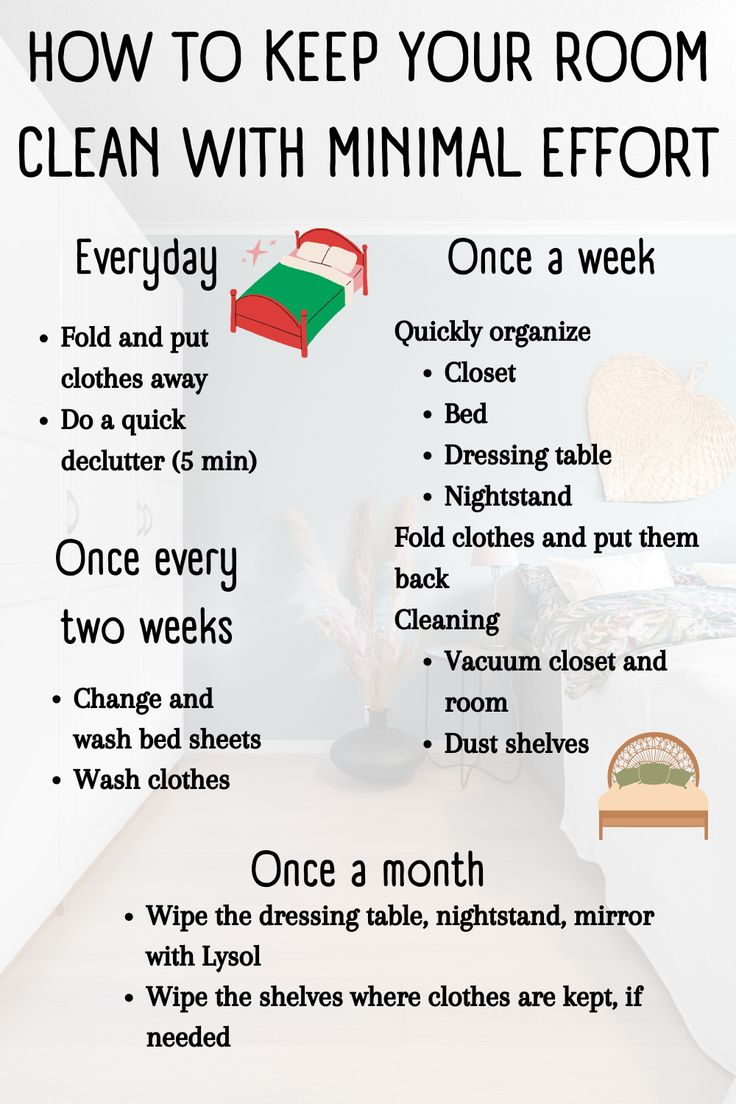
The "One-Task-Per-Month" Approach
Instead of dedicating a full weekend to seasonal cleaning, assign one specific "Deep Task" to each month. This ensures your home stays maintained without overwhelming your schedule.
- January: Purge and organize the pantry to start the year fresh.
- February: Deep clean the refrigerator coils and freezer seals.
- March: Wash curtains and deep clean upholstery.
- April: Clean exterior windows and the patio area.
- May: Organize the garage or storage unit to prepare for summer.
- June: Clean the oven and microwave interior.
- July: Dust ceiling fans and light fixtures.
- August: Clean out closets and rotate seasonal clothing.
- September: Deep clean carpets or area rugs.
- October: Clean behind large appliances like the stove and washer.
- November: Prepare the entryway for winter mud and snow.
- December: Declutter toys and decor to prepare for holiday gifts.
Why Maintenance Beats Restoration
When you follow a consistent maintenance schedule, you are essentially performing "preventative care." Restoration—bringing a neglected home back to life—is labor-intensive and expensive. Maintenance is simply keeping your home in a state of grace, which is the essence of How To Keep Your Home Clean With Minimal Effort.
- Material Longevity: Regularly cleaning floors and surfaces prevents deep-set stains and degradation that eventually require professional cleaning or replacement.
- Pest Prevention: A home that is cleaned regularly is significantly less likely to harbor pests, as crumbs and spills are removed before they can attract unwanted visitors.
- Mental Clarity: A home that doesn't require "restoration" is a home that stays peaceful. You won't feel the need to move or renovate just because your space feels dingy or unmanageable.
Advanced Strategies for the Minimalist Homeowner
For those who want to take their efficiency to the next level, there are "advanced" habits that utilize technology and advanced organizational theory. These are not strictly necessary, but they are transformative for those who want to reach the absolute minimum of cleaning time, truly mastering How To Keep Your Home Clean With Minimal Effort by learning to streamline cleaning process.
Automating the Mundane
Technology in 2026 is designed to handle the repetitive tasks that drain your time. If you find yourself consistently failing at a specific chore, it is a sign that you should either automate it or outsource it to a tool, further enabling you to learn How To Keep Your Home Clean With Minimal Effort.
- Robot Mops and Vacuums: These are no longer luxury items; they are essential tools for a low-effort home. Schedule them to run while you are at work so your floors are perpetually clean.
- Smart Home Sensors: Use smart lighting to highlight areas that are often missed, or smart plugs to ensure appliances are turned off, which reduces the buildup of dust caused by static electricity.
- Advanced Cleaning Solutions: Research enzymatic cleaners for bathrooms and kitchens. These cleaners use biological agents to break down grime at the molecular level, meaning you have to scrub significantly less than you would with harsh, chemical-based sprays (Source 3).
The "Clean Enough" Framework
As mentioned earlier, the "clean enough" mindset is the most important psychological shift. To master this, you must define what "clean" means for your specific lifestyle, which is crucial for understanding How To Keep Your Home Clean With Minimal Effort without burnout.
- The Hospitality Standard: This is the level of cleanliness you maintain when guests are coming over.
- The Daily Standard: This is the level of cleanliness you need to function comfortably.
- The "Emergency" Standard: This is the level of cleanliness you maintain when you are sick, busy, or otherwise overwhelmed.
By understanding that your home will fluctuate between these standards, you remove the guilt associated with a less-than-perfect space. It is perfectly acceptable to live in your home, not just clean it.
Establishing Boundaries with Your Belongings
Cleaning is often difficult because we have to move things out of the way before we can actually clean. The more items you have, the more "handling time" is added to every single cleaning task. This is the "tax" you pay on your possessions, and reducing it is key to How To Keep Your Home Clean With Minimal Effort.
The "Storage-to-Surface" Ratio
Every object in your home should have a "home" inside a cabinet or drawer. If an object lives on a surface, it is a piece of clutter by definition, making it harder to achieve How To Keep Your Home Clean With Minimal Effort.
- The 50% Rule: Aim to have at least 50% of your shelf space open. This creates a visual sense of calm and makes dusting a two-second task rather than a 10-minute operation.
- Vertical Storage: Use wall-mounted shelves or organizers to free up floor and surface space. When you can vacuum the entire floor without moving a single item, you are far more likely to do it.
- Categorization: Group similar items together in bins. When you need to clear a surface, you don't have to think—you just grab the bin, put the items inside, and tuck the bin away.
Auditing Your Inventory
Once or twice a year, perform a "clutter audit." Go through each room and ask yourself: "Does this item serve a function, or is it just sitting here creating work for me?" This audit is a powerful step in learning How To Keep Your Home Clean With Minimal Effort.
- The "Maybe" Box: If you are unsure about an item, put it in a box and store it in a closet. If you haven't opened that box in six months, you likely don't need the items inside and can safely donate them.
- Duplicate Reduction: We often own three of the same tool or kitchen gadget. Keep the best one and discard the rest. The space you save is worth more than the redundancy.
- Digital Decluttering: While not a physical cleaning task, clearing your digital workspace reduces mental clutter, which makes you more efficient and focused when you do transition to physical cleaning.
Creating a Cleaning Toolkit That Works
Having the right tools is essential, but having them accessible is the real secret to minimal-effort cleaning. If your vacuum is in the garage and your cleaning spray is under the kitchen sink, you will be tempted to skip the task, hindering your progress on How To Keep Your Home Clean With Minimal Effort.
Multi-Room Cleaning Caddies
The most effective way to clean is to keep a "caddy" in every major area of your home. This way, you don't have to walk back and forth to a supply closet, which is a practical tip for How To Keep Your Home Clean With Minimal Effort.
- The Bathroom Caddy: Should contain a glass cleaner, a toilet bowl cleaner, a disinfectant spray, and a scrub brush.
- The Kitchen Caddy: Should contain a grease-cutting cleaner, a microfiber cloth, and a sponge.
- The "Everywhere" Caddy: A portable basket with a handheld vacuum, a microfiber duster, and a surface spray that you can carry from room to room during your 10-minute reset.
Choosing the Right Tools
Quality tools make the work easier. Investing in one high-quality, durable tool is always better than buying five cheap ones that break or struggle to do the job, and is a smart investment for How To Keep Your Home Clean With Minimal Effort.
- Microfiber Performance: Not all microfiber is created equal. Look for high-density, split-fiber cloths that can pick up bacteria and dust in a single pass.
- Lightweight Vacuums: If your vacuum is heavy and cumbersome, you won't use it. Modern cordless vacuums are powerful enough for daily maintenance and easy enough to carry up and down stairs.
- Long-Handled Dusters: Use extended-reach dusters for ceiling fans and crown molding. This prevents the need for ladders or stepping stools, which makes the task safer and faster.
The Role of Lighting in Home Perception
Did you know that lighting can change how clean your home looks? Poor lighting hides grime, while bright, natural light highlights it—but it also makes a clean home look significantly more inviting, and can even assist in How To Keep Your Home Clean With Minimal Effort by revealing problem areas.
Leveraging Natural Light
Open your curtains and blinds during the day. Natural light elevates your mood and makes your space feel more expansive and cleaner. It also highlights areas that need attention before they become major problems, aiding in How To Keep Your Home Clean With Minimal Effort.
- The Sunlight Check: If you notice dust or smudges in the morning sun, take 30 seconds to wipe them away. It is much easier to catch these spots early than to wait until they are glaringly obvious.
- Warm vs. Cool Lighting: In the evening, use warmer, softer light to create a cozy atmosphere. This can hide minor surface imperfections and help you relax, knowing your "reset" is already complete.
Illuminating Task Areas
Ensure that high-traffic areas like the kitchen counters, the bathroom vanity, and the entryway are well-lit. When you can see what you are doing, you are less likely to leave spills or clutter behind.
- Under-Cabinet Lighting: This is a game-changer for kitchen cleanliness. It illuminates the workspace, making it easy to spot spills that would otherwise be missed.
- Motion-Activated Lights: Install these in closets or hallways. They ensure you aren't stumbling in the dark and help you see exactly where items need to be placed.
Tackling the "Entryway Barrier"
The entryway is the most important room in your home for maintaining cleanliness. It acts as the airlock of your living space. If you control the transition from "outside" to "inside," you control the majority of the dirt that enters your home, which is a crucial aspect of How To Keep Your Home Clean With Minimal Effort.
Creating an Effective Decontamination Zone
Treat your entryway as a transition zone. By removing the elements that bring dirt inside, you are doing the majority of the "cleaning" before you even step into the house, a smart strategy for How To Keep Your Home Clean With Minimal Effort.
- The Shoe-Free Policy: This is the single most effective way to keep floors clean. Shoes track in chemicals, mud, and street grime. Provide a comfortable bench and a clear place for shoes near the door.
- Outerwear Management: Jackets and bags should be hung up immediately. Use hooks rather than hangers for easier access, as hooks encourage family members to actually use them.
- The "Mail-to-Bin" Transition: Do not allow mail to migrate. Sort it at the door and recycle the junk immediately.
Seasonal Entryway Adjustments
Your entryway needs to evolve with the weather. In the winter, you need a heavy-duty rug to catch salt and slush. In the summer, you might need a place for sandals and sun hats.
- Winter Readiness: Have a waterproof tray for wet boots to prevent water damage to your floors.
- Summer Refresh: Keep a basket for sunscreen or small outdoor toys so they don't clutter up your living room surfaces.
Integrating Cleaning into Your Lifestyle
Ultimately, the goal is not to have a "cleaning lifestyle," but to have a lifestyle where cleaning is a background process. By automating, minimizing, and habit-stacking, you create a space that supports your life rather than demanding your service, truly embodying How To Keep Your Home Clean With Minimal Effort.
The Power of Routine
Consistency is the antidote to the "all-at-once" trap. When you perform small tasks regularly, you never reach the point where a room feels "destroyed," which is the core principle of How To Keep Your Home Clean With Minimal Effort.
- The "Morning Five": Spend five minutes every morning making the bed and clearing the kitchen. This sets the tone for the entire day.
- The "Evening Five": Spend five minutes every evening resetting the common areas. This ensures your morning start is calm and clutter-free.
- The Weekly Reset: Dedicate one hour, maximum, to the deeper tasks like floor care and bathrooms. If you have kept up with the daily habits, this hour will feel like a light, manageable task rather than a chore.
Embracing Flexibility
Life happens. Sometimes you will be busy, tired, or away from home. Do not let one missed day or one missed week turn into a sense of defeat. Remember, the goal is How To Keep Your Home Clean With Minimal Effort, not perfect effort.
- The "Reset" Reset: If your home gets messy, don't try to fix it all at once. Start with one room, or even one counter. A small win provides the momentum needed to continue.
- Focus on Function: If your house isn't perfect, it's okay. As long as it is hygienic and functional, you have succeeded.
- Celebrate the Space: A clean home is meant to be lived in. Enjoy the fruits of your labor by hosting friends, relaxing with a book, or simply enjoying the visual peace you have created.
Advanced Organizational Theory for the Modern Home
To truly master the minimalist approach, you must look at your home as a system. Every item that enters your home has a cost—not just in money, but in the time required to store, clean, and maintain it, which directly impacts How To Keep Your Home Clean With Minimal Effort.
The Cost of Ownership
Every object in your home requires:
- Cleaning time: Dusting, wiping, or washing it.
- Organizing time: Moving it, putting it back, or searching for it.
- Maintenance time: Repairing, replacing, or managing it.
When you view your belongings through this lens, you naturally become more selective. A beautiful vase is a joy, but if it has a complex shape that takes ten minutes to dust, is it worth the effort? This is not about living in an empty box; it is about choosing items that are as easy to live with as they are to look at, a key insight for How To Keep Your Home Clean With Minimal Effort.
Flow and Ergonomics
The way you move through your home matters. If your cleaning supplies are in the basement but you spend 90% of your time on the main floor, you are creating friction, making it harder to achieve How To Keep Your Home Clean With Minimal Effort.
- The Principle of Proximity: Store items exactly where you use them. Cleaning supplies for the shower should be in the shower. Paperwork organizers should be at your desk.
- Path of Least Resistance: If you want to keep a surface clear, put a basket nearby. If you want to keep the floor clean, ensure the floor is accessible.
- Visual Continuity: Keep your color palette and decor style consistent. This makes the home feel more cohesive and less cluttered, even when it isn't perfectly tidy.
Future-Proofing Your Home
As your life changes—whether you have children, pets, or a change in your work schedule—your cleaning system should adapt. Don't be afraid to change your routines or your storage solutions if they are no longer working, ensuring you continue to master How To Keep Your Home Clean With Minimal Effort.
- Periodic Reviews: Every few months, assess which areas of your home are consistently messy. This is a sign that your system for that area needs to be redesigned.
- Adaptive Systems: If you find yourself consistently leaving shoes in the living room, don't get angry. Add a shoe rack to the living room. Build your home around your habits, not the other way around.
The Intersection of Hygiene and Health
A clean home is not just about aesthetics; it is about your physical and mental health. Airborne dust, bacteria in the kitchen, and mold in the bathroom are not just "messy"—they are potential health hazards, and managing them is part of How To Keep Your Home Clean With Minimal Effort.
Sanitization vs. Cleaning
There is a difference between cleaning (removing dirt) and sanitizing (killing germs). Understanding both is crucial for How To Keep Your Home Clean With Minimal Effort and maintain a healthy environment.
- High-Touch Areas: Focus your sanitizing efforts on high-touch areas like doorknobs, light switches, and remote controls. These are where bacteria and viruses congregate.
- Kitchen Safety: The kitchen is the most critical area for hygiene. Ensure that sponges are replaced or sanitized regularly and that cutting boards are properly cleaned to prevent cross-contamination.
- Bathroom Ventilation: Moisture is the enemy. Always run your bathroom fan during and for at least 20 minutes after a shower to prevent mold and mildew growth.
The Mental Health Benefits of Order
Your environment is a reflection of your mental state. A cluttered, chaotic home often leads to a cluttered, chaotic mind. An organized space, achieved through understanding How To Keep Your Home Clean With Minimal Effort, promotes mental clarity.
- Reduced Decision Fatigue: When you don't have to navigate around clutter or look for lost items, you save your mental energy for more important decisions.
- Increased Focus: A clean, organized workspace allows for deeper concentration and higher productivity.
- The Sanctuary Effect: Your home should be your place of rest. A clean, orderly space signals to your brain that it is time to shift from "active mode" to "recovery mode."
Sustainable Practices for Long-Term Maintenance
Minimalist cleaning is also, by nature, more sustainable. By owning less, using fewer (and better) products, and focusing on preventative maintenance, you reduce your environmental footprint, and learn How To Keep Your Home Clean With Minimal Effort in an eco-friendly way, often with the help of eco-friendly cleaning products.
Reducing Chemical Waste
Many commercial cleaning products are unnecessary. You can handle almost any cleaning task with a few simple, non-toxic ingredients, which is a great aspect of How To Keep Your Home Clean With Minimal Effort.
- Vinegar and Water: A 50/50 mix is excellent for glass, tile, and many hard surfaces.
- Baking Soda: A natural abrasive that is perfect for scrubbing sinks, tubs, and removing tough stains.
- Castile Soap: A versatile, plant-based soap that can be diluted to clean almost anything from floors to dishes.
Investing in Durability
When you do need to buy cleaning tools or storage solutions, choose items that are designed to last.
- Avoid Single-Use Plastics: Use reusable microfiber cloths instead of paper towels.
- Durable Materials: Choose glass or stainless steel spray bottles instead of plastic. They last longer and are easier to clean.
- Repair Over Replace: If a vacuum attachment breaks, see if you can replace the part rather than throwing the whole machine away. This is both cheaper and better for the planet.
Final Strategies for the Busy Professional
If your schedule is truly packed, you might feel that even these minimal steps are too much. In that case, prioritize the "Essential Three."
- Floors: Keep them clear of debris.
- Surfaces: Keep them free of clutter.
- Hygiene: Keep the kitchen and bathroom sanitary.
If you do these three things, your home will feel clean even if the windows are dusty or the baseboards haven't been wiped in a month. This is the ultimate "minimalist" approach: focusing on the 20% of effort that provides 80% of the result.
The "Done is Better Than Perfect" Mindset
Finally, remember that your home is a place for living, not a museum. The goal of these strategies is not to create a home that is never lived in, but a home that is always ready to be enjoyed, demonstrating the true spirit of How To Keep Your Home Clean With Minimal Effort.
- Forgive Yourself: If you have a busy week and the house gets messy, it’s okay. Just reset when you have the time.
- Stay Consistent: It is much easier to maintain a clean home than to clean a messy one. Even if you only spend five minutes a day, that consistency will compound over time.
- Focus on the Feel: If you walk in the door and feel a sense of relief, you have succeeded. That feeling is the true measure of a clean home.
References
These resources provide further insights into How To Keep Your Home Clean With Minimal Effort:
-
Craftyourhappyplace — 17 Secrets to Keeping Your Home Clean With Minimal Effort, 2026
-
Nourishingminimalism — How to Keep a Clean Home Without Cleaning All the Time, 2026
-
Nestsmartideas — The Complete Guide to Keeping Your Home Clean With Minimal Effort, 2026
-
Wikihow — How to Maintain a Clean Home: 19 Easy Habits to Practice – wikiHow, 2026
-
Toolsweek — The Lazy Girl’s Guide to a Spotless House Simple Tips for … – Toolsweek, 2026
-
Minimalismlifestyle — Effortless Order: Minimal Home Cleaning Schedule, 2026
-
Balancethroughsimplicity — 10 Simple Household Routines to Keep Your Home Clean and Clutter-Free, 2026
-
Thespruce — 6 Easy Cleaning Tasks That Keep Your Home Tidy and Fresh for Weeks, 2026