
The era of choosing between slow DSL and unreliable satellite internet is officially over. As we move further into 2026, the digital divide is rapidly closing, and high-speed fiber internet for rural modern living is becoming a reality for thousands of households. Whether you are a remote professional, a digital nomad, or a family that relies on seamless streaming, finding the right connection is no longer just a luxury—it is a necessity.
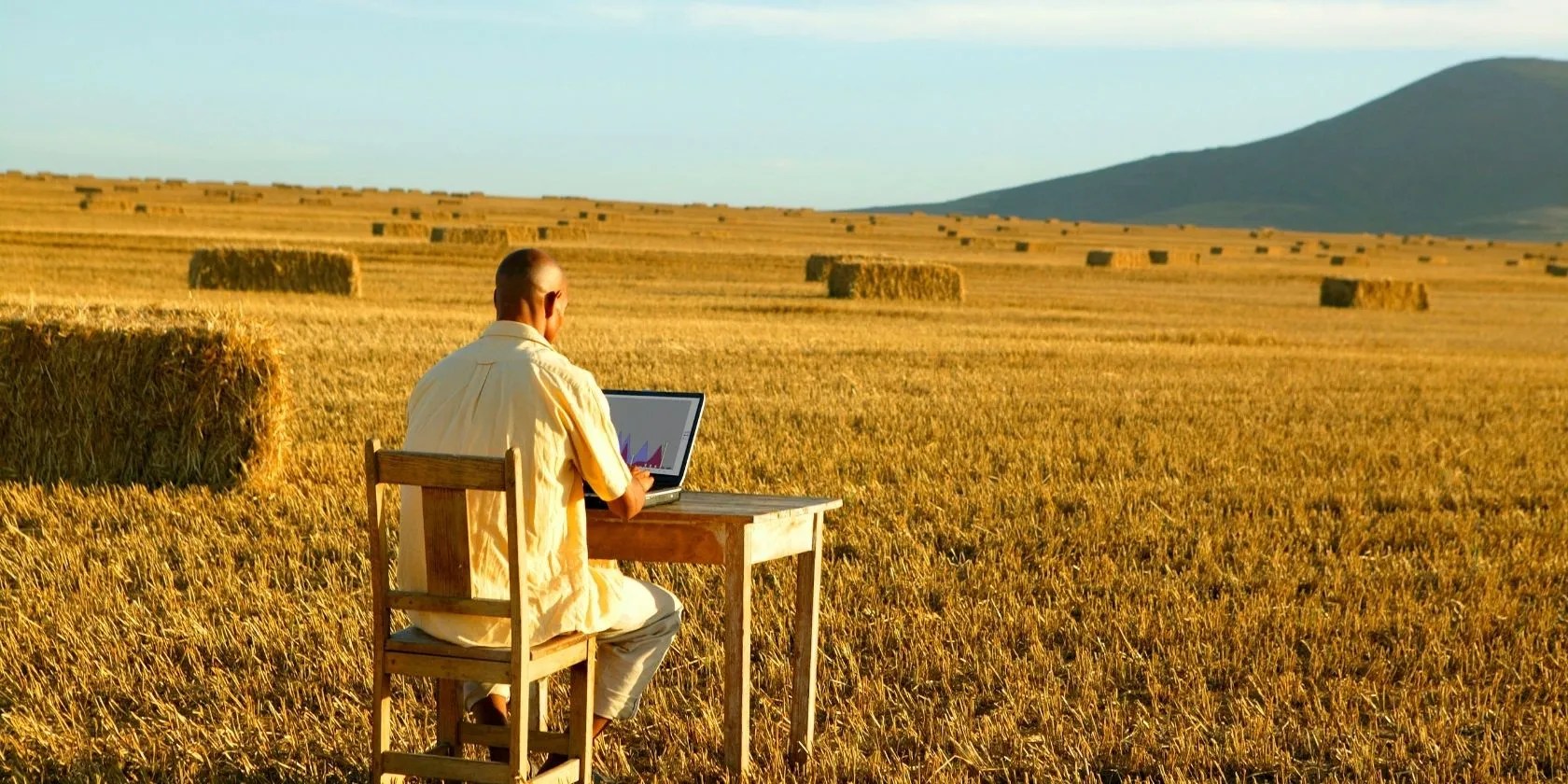
Why Fiber is the Gold Standard for Rural Connectivity
Fiber-optic technology transmits data via light pulses through glass strands, offering unmatched symmetry in upload and download speeds. Unlike traditional copper-based cables, fiber is virtually immune to electromagnetic interference, ensuring that your connection remains stable even during inclement weather. For rural dwellers, this means low latency, which is critical for video conferencing, online gaming, and cloud-based applications.
When searching for the best rural internet providers of 2026, fiber should always be your first choice. It provides the highest bandwidth capacity, allowing multiple devices to operate simultaneously without sacrificing performance.
Step-by-Step: How to Locate Fiber Availability in Your Area
Finding fiber in a remote location requires a strategic approach. Because infrastructure rollout is often localized, you need to look beyond the big-name national carriers.
- Check Local Utility Cooperatives: Many rural areas are served by electric cooperatives that have expanded into broadband. These organizations are often the unsung heroes of rural fiber connectivity.
- Use FCC and State Broadband Maps: The FCC’s National Broadband Map is updated frequently and provides a granular look at which providers claim to serve your specific address.
- Consult Local Community Forums: Sometimes, the most accurate information comes from your neighbors. Local Facebook groups or community boards can tell you which providers are actively laying fiber in your specific township.

Evaluating Alternatives When Fiber Isn’t Available
While fiber is the gold standard, it isn’t everywhere yet. If your address is currently outside the footprint of a fiber network, modern 2026 technology provides powerful alternatives that bridge the gap.
The Rise of 5G and Fixed Wireless
Providers like T-Mobile and Verizon have significantly expanded their 5G home internet reach into rural territories. These services offer a “plug-and-play” experience, often starting at around $30.00/mo, making them a cost-effective stopgap until fiber arrives.
Satellite Internet Evolution
Satellite technology has seen a massive leap forward. Services like Starlink have revolutionized the rural experience by drastically reducing latency compared to older geostationary satellites. If you are in a truly remote area where cable or fiber will not reach for years, a Low Earth Orbit (LEO) satellite provider is likely your best bet for high-speed performance.

Key Factors to Consider Before You Sign
Before committing to a long-term contract, ensure the provider meets the demands of a modern rural household.
- Data Caps: Avoid plans with strict data limits. Modern streaming and cloud backups can consume hundreds of gigabytes per month.
- Latency (Ping): For remote work, look for latency under 50ms. Higher latency makes Zoom calls feel robotic and sluggish.
- Installation Fees: Some rural providers may charge a premium for “trenching” fiber from the main road to your house. Always ask if there is a government subsidy or grant program available to help offset these costs.
Future-Proofing Your Rural Home
As we look toward the latter half of 2026 and beyond, the demand for bandwidth will only grow. Smart home integration, 8K streaming, and AI-driven workflows require a robust foundation. Investing time now to secure a fiber connection will not only improve your quality of life but will also significantly increase the resale value of your property.
If fiber is not yet available, advocate for it. Contact your local representatives and express your need for improved broadband. Many states have allocated significant federal funding to bring high-speed internet to underserved areas; being a vocal resident can influence where that next mile of fiber gets laid.
Conclusion
Finding high-speed fiber internet for rural modern living is a process of research, advocacy, and being open to the latest technology. While the landscape of rural connectivity continues to evolve, the goal remains the same: reliable, fast, and affordable access to the world. By utilizing the mapping resources available in 2026 and staying informed about local infrastructure projects, you can ensure your home stays connected to the global digital economy.