
In 2026, the smart home is no longer a futuristic concept—it is a standard for modern living. As we strive for better energy efficiency and lower carbon footprints, the smart thermostat has become the brain of the household. However, a common mistake homeowners make is assuming every device works perfectly in every environment.
Choosing the right smart thermostat requires more than just looking at the sleekest design. You must align the device’s capabilities with your local weather patterns and your specific HVAC infrastructure. Whether you are battling the sweltering humidity of the South or the bone-chilling winters of the North, the right choice can save you up to 25% on your annual energy bills, leading to significant energy savings.
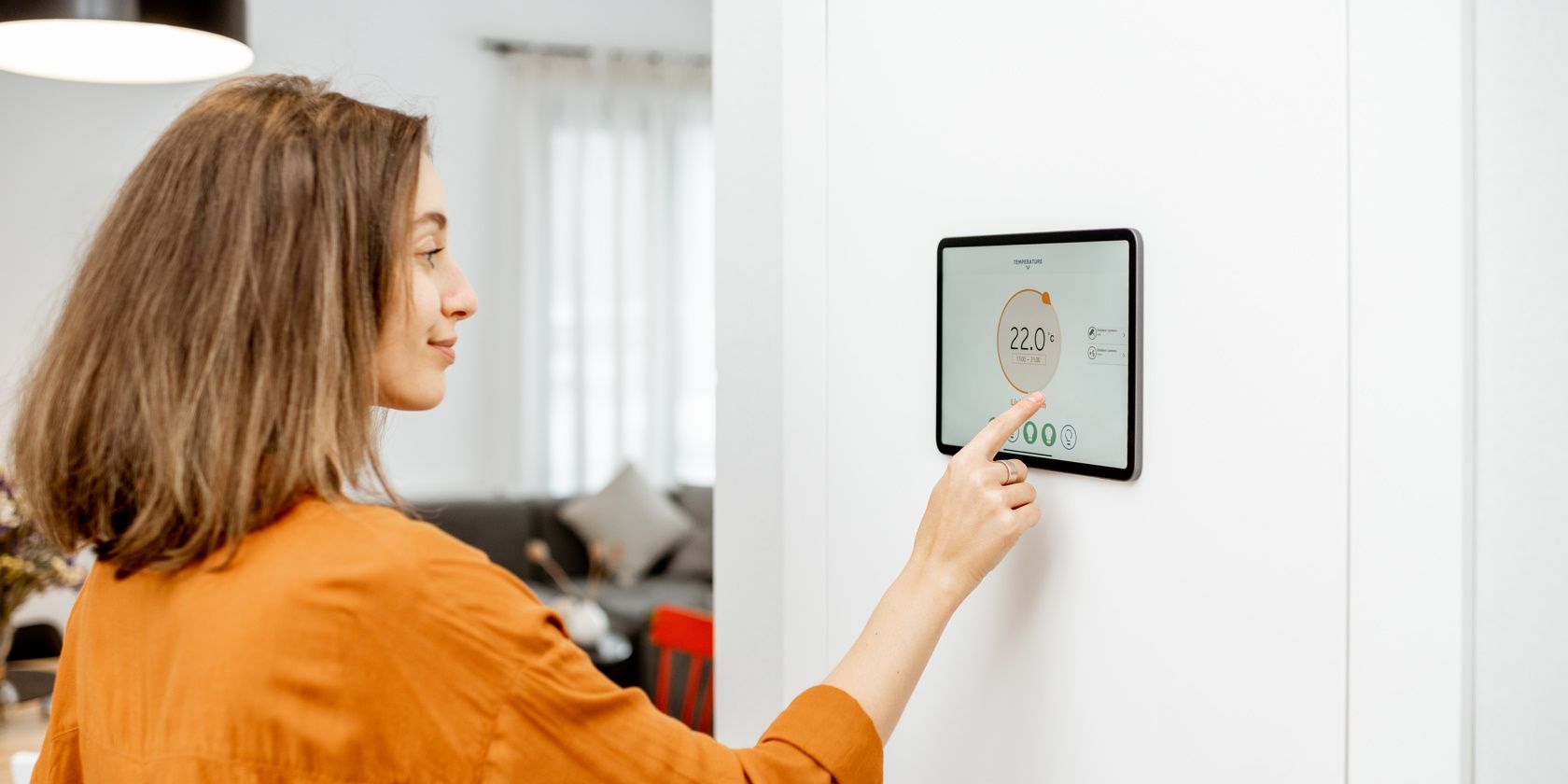
Why Climate Should Dictate Your Choice
Your local climate determines how hard your HVAC system works and what specific functions it needs to prioritize. A thermostat in a dry, desert climate needs to manage cooling differently than one in a temperate region with high humidity. These devices often incorporate advanced humidity sensors to precisely manage indoor conditions.
In 2026, the most advanced thermostats use hyper-local weather data to adjust settings before a cold front or heatwave even hits. If your climate experiences extreme fluctuations, look for a device with predictive technology. This ensures your home remains comfortable without the system “chasing” the temperature, which wastes significant energy.
Assessing Your HVAC Compatibility
Before you fall in love with a specific model, you must ensure it can actually talk to your furnace, air conditioner, or heat pump. Compatibility is the most critical hurdle in the selection process. Understanding your specific HVAC system compatibility is paramount, as different HVAC system types (e.g., conventional, geothermal) have varying wiring and control requirements. Many homeowners also consider the ease of the DIY installation process, though professional help is always an option for complex setups.
The Importance of the C-Wire
Most smart thermostats in 2026 require a C-wire (Common wire) to provide a continuous flow of power for Wi-Fi connectivity and color displays. While some models offer “power extender kits,” having a dedicated C-wire is always the more stable option for long-term reliability.
Heat Pump Support
With the global shift toward electrification, heat pumps have become the primary heating and cooling source for many homes. Ensure your chosen thermostat supports multi-stage heating and cooling and can manage “auxiliary heat” efficiently. This prevents the system from switching to expensive electric strip heating unless absolutely necessary.
Key Features for Different Climates
To find the perfect match, you need to look at features that solve specific climate-related problems. Here is what to prioritize based on where you live:
1. High Humidity Regions (Coastal and Tropical)
In humid climates, comfort isn’t just about temperature; it’s about moisture control. Look for a thermostat with integrated dehumidification control. These models can run your AC at a lower fan speed to pull more moisture out of the air without over-cooling the room. Many also feature dedicated humidity sensors to precisely manage moisture levels, contributing to better indoor air quality (IAQ).
2. Extreme Cold Climates (The North)
If you live where temperatures drop well below freezing, freeze protection is a non-negotiable feature. Your smart thermostat should be able to send an emergency alert to your phone if the indoor temperature drops below a certain threshold, preventing your pipes from bursting.
3. Arid and Desert Climates (The Southwest)
In dry heat, your cooling system works overtime. Look for thermostats that offer ventilation control or “fan-only” modes that can circulate air during cooler night hours. This reduces the load on your compressor and extends the life of your unit.
The Role of Remote Sensors and AI
One of the biggest innovations in 2026 is the widespread use of AI-driven remote sensors. Most homes have “hot spots” or “cold spots” that don’t reflect the temperature where the thermostat is actually mounted.
Multi-room Sensing: Place sensors in bedrooms or home offices to ensure those rooms are prioritized during the hours you use them.
Occupancy Detection: Modern sensors can detect if a room is empty and adjust the climate accordingly, ensuring you aren’t cooling a guest room that no one is in.
Matter Compatibility: Ensure your device is Matter-certified. This allows your thermostat to communicate seamlessly with other smart home devices like motorized blinds, which can close automatically when the afternoon sun hits to reduce solar heat gain. This level of integration transforms your home into a cohesive smart home ecosystem, enabling comprehensive home automation routines.
Understanding the “Smart” in Smart Thermostats
There is a significant difference between a programmable thermostat and a smart thermostat. While a programmable unit follows a rigid schedule, a smart unit learns your habits and adapts.
Learning Algorithms
The best models for 2026 use machine learning to understand how long it takes your specific home to heat up or cool down. If it knows your house takes 30 minutes to reach 72 degrees, it will start the process at 5:30 PM so it’s perfect by the time you walk through the door at 6:00 PM. Even with advanced learning, the ability to set customizable schedules remains a core feature for users who prefer manual control or specific routines.
Geofencing
Geofencing uses your smartphone’s GPS to create a virtual boundary around your home. When you leave the boundary, the thermostat enters “Away” mode. When you cross the boundary on your way back, it kicks back into “Home” mode. This is the ultimate “set it and forget it” feature for busy professionals. Furthermore, the convenience of mobile app control allows you to manage your home’s climate from anywhere, offering true remote access to your system.
Budget vs. Long-Term Savings
While premium smart thermostats can cost between $200 and $400, they often pay for themselves within two years. When choosing, consider the utility rebates available in your area. Many energy providers in 2026 offer instant credits or “Demand Response” programs where you get paid to allow the utility to make minor adjustments during peak grid strain. These savings are often quantifiable through detailed energy consumption reports provided by the thermostat’s app, allowing you to track your usage and optimize for maximum energy savings.
Top Considerations for 2026:
User Interface: Is the app intuitive and easy to use?
Privacy: Does the company have a strong record of data security?
Aesthetics: Does the hardware match your home’s interior design?
- Voice Integration: Does it work with your preferred assistant (Alexa, Google Home, or Apple Home)?
Final Thoughts: Making the Right Choice
Choosing the right smart thermostat for your climate is an investment in your comfort and your wallet. By focusing on HVAC compatibility, humidity control, and AI-driven learning, you can create a home environment that is both luxurious and eco-friendly.
Don’t just buy the most popular brand; buy the one that understands the air outside your front door. In the era of 2026 technology, your thermostat should be more than a switch—it should be your home’s most intelligent asset.