
If you’ve ever found yourself staring at a pile of laundry at 10 p.m., desperately trying to remember if you signed that permission slip for school, you aren't alone. Balancing the demands of a modern lifestyle often feels like juggling spinning plates—eventually, something is bound to wobble. Household management is the secret weapon that stops the wobbling before it starts.
In 2026, the definition of managing a home has evolved. It’s no longer just about knowing how to scrub a floor or cook a meal. It is about creating sustainable systems that reduce your mental load and give you back your most precious commodity: time. Whether you are a busy professional, a parent, or simply looking to bring order to your chaos, this guide will show you how to transform your home into a well-oiled machine.
What Exactly Is Household Management?
At its core, household management is the art of overseeing the logistics, finances, maintenance, and daily operations of a home. Think of yourself as the CEO of your own private residence. Just as a business requires workflows, budgets, and clear communication, your home requires a framework that keeps everyone on the same page.
It encompasses the "big three" of domestic life: organization, maintenance, and planning. When these three pillars are aligned, the friction of daily life—the "where are my keys?" moments and the "what’s for dinner?" panic—drastically decreases.
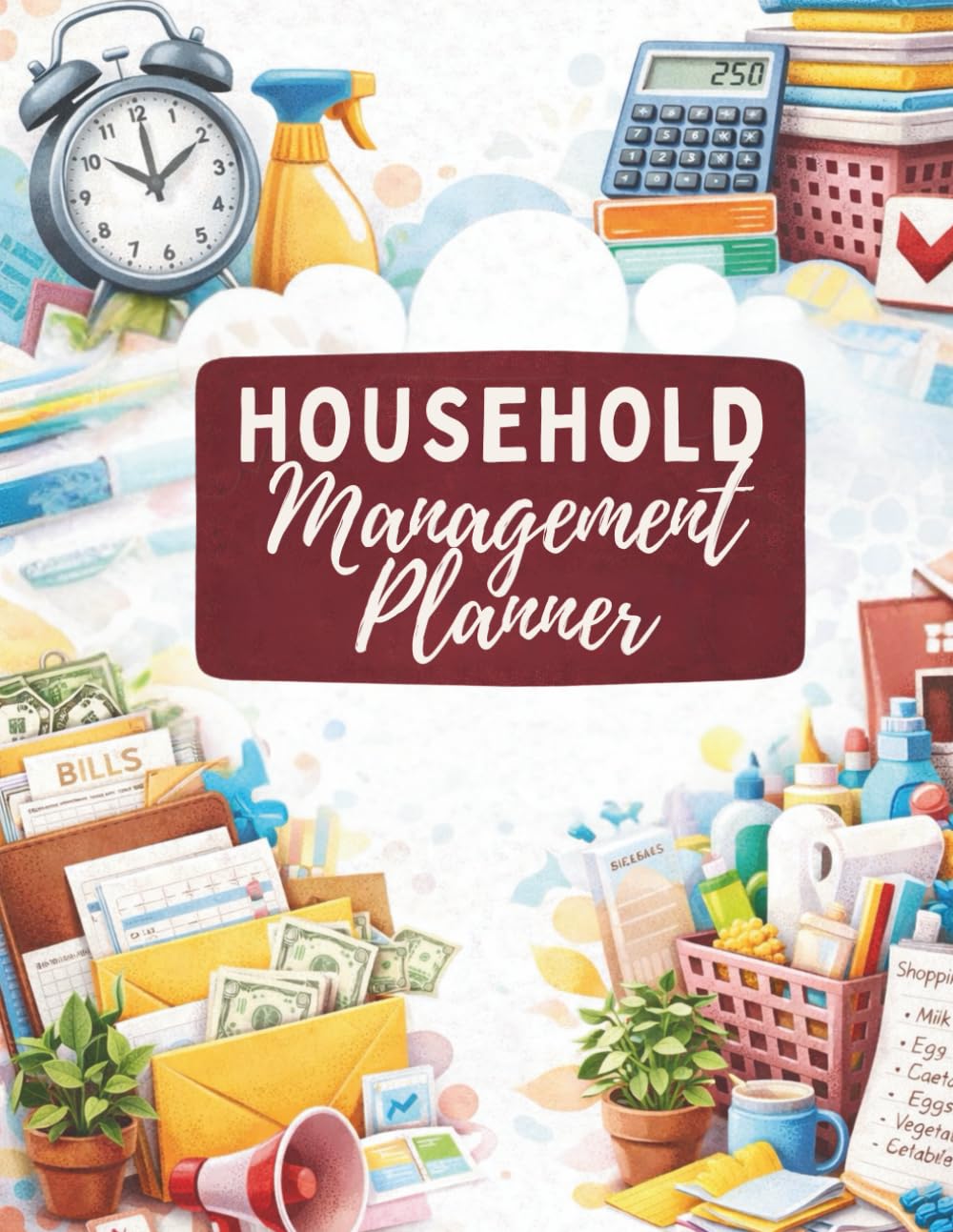
Why It Matters More Than Ever in 2026
In an era where we are constantly tethered to digital notifications, our homes should be our sanctuary. Research consistently shows that a cluttered environment leads to a cluttered mind. By implementing efficient home management systems, you aren't just cleaning; you are actively lowering your stress levels and improving the mental health of everyone under your roof.
The Pillars of an Organized Home
To master your environment, you must break down the overwhelming nature of "everything" into manageable categories. Here is how to build your system from the ground up.
1. Daily House Cleaning and Tidying
The secret to a clean home isn't a deep-cleaning marathon once a month—it’s the "touch it once" rule. If you have a daily habit of dealing with dishes, mail, and clutter, you prevent the buildup that causes weekend anxiety.
- The 15-Minute Reset: Every evening, set a timer for 15 minutes. Have every family member contribute to a quick tidy-up of common areas.
- Laundry Consistency: Try to do one load a day rather than letting it accumulate into a mountain by Saturday.
- Surface Maintenance: Keep counters clear to reduce the visual weight of the room.
2. Meal Planning and Grocery Systems
Meal prep is often the first thing to fall off the rails for busy families. In 2026, the best approach is to stop reinventing the wheel.
- The Theme Night Strategy: Assign themes to days (e.g., Taco Tuesday, Pasta Thursday) to cut down on decision fatigue.
- Digital Inventory: Use apps to track what is in your pantry so you never buy a third jar of cinnamon by mistake.
- Batch Cooking: Dedicate two hours on Sunday to prep proteins or chop vegetables for the week ahead.
3. Financial Oversight
Managing the household budget is a non-negotiable aspect of long-term stability. You should have a clear view of your recurring bills, subscription services, and seasonal expenses. Using a household budget tracker ensures that "surprise" expenses become anticipated line items.
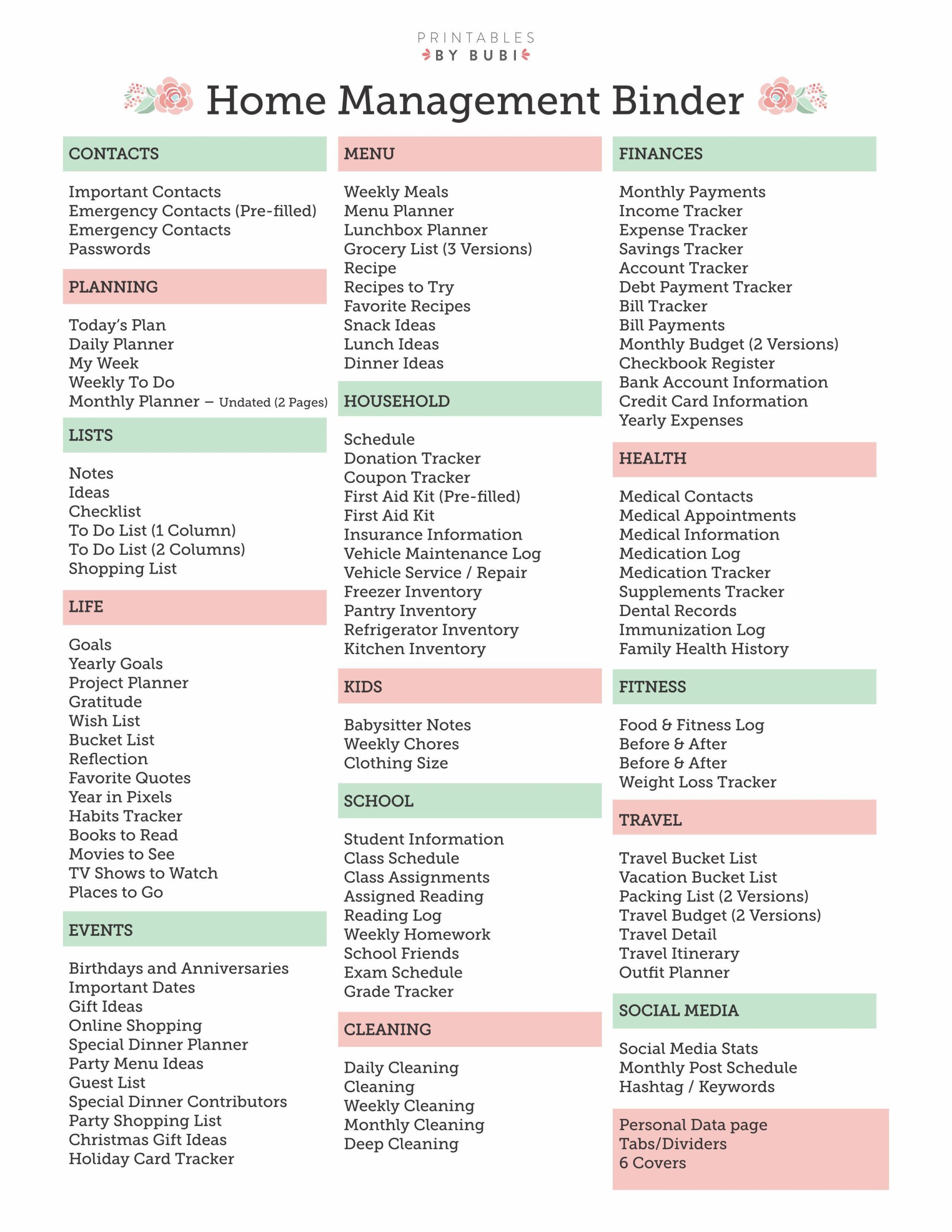
Leveraging Technology: The Best Tools of 2026
We live in a digital age, and your management style should reflect that. While paper planners have their charm, many families are finding that household management apps are essential for coordination.
- Shared Calendars: Use tools like Cozi or Google Calendar to ensure everyone knows who is where and when.
- Task Managers: Apps like Trello or Todoist allow you to assign chores to specific family members. It turns "chores" into a collaborative effort rather than a one-person burden.
- Document Vaults: Keep digital copies of important documents—passports, birth certificates, and house deeds—in a secure, encrypted cloud folder. This saves hours of frantic searching during emergencies.
When to Seek Professional Help
For some, the complexity of a large estate or the demands of a high-pressure career make "doing it all" impossible. This is where professional household staffing comes into play.
In cities like Dallas, Austin, or even international hubs, high-net-worth individuals often hire a House Manager. This is a professional role that goes far beyond housekeeping. A House Manager acts as the orchestrator of your life—they supervise landscaping, coordinate contractor maintenance, manage personal errands, and ensure the home is guest-ready at all times.
If you find that your "to-do" list is preventing you from succeeding in your primary career or enjoying time with your children, it may be time to evaluate whether outsourcing specific tasks—like cleaning, yard work, or administrative support—is the best investment you can make for your family's happiness.
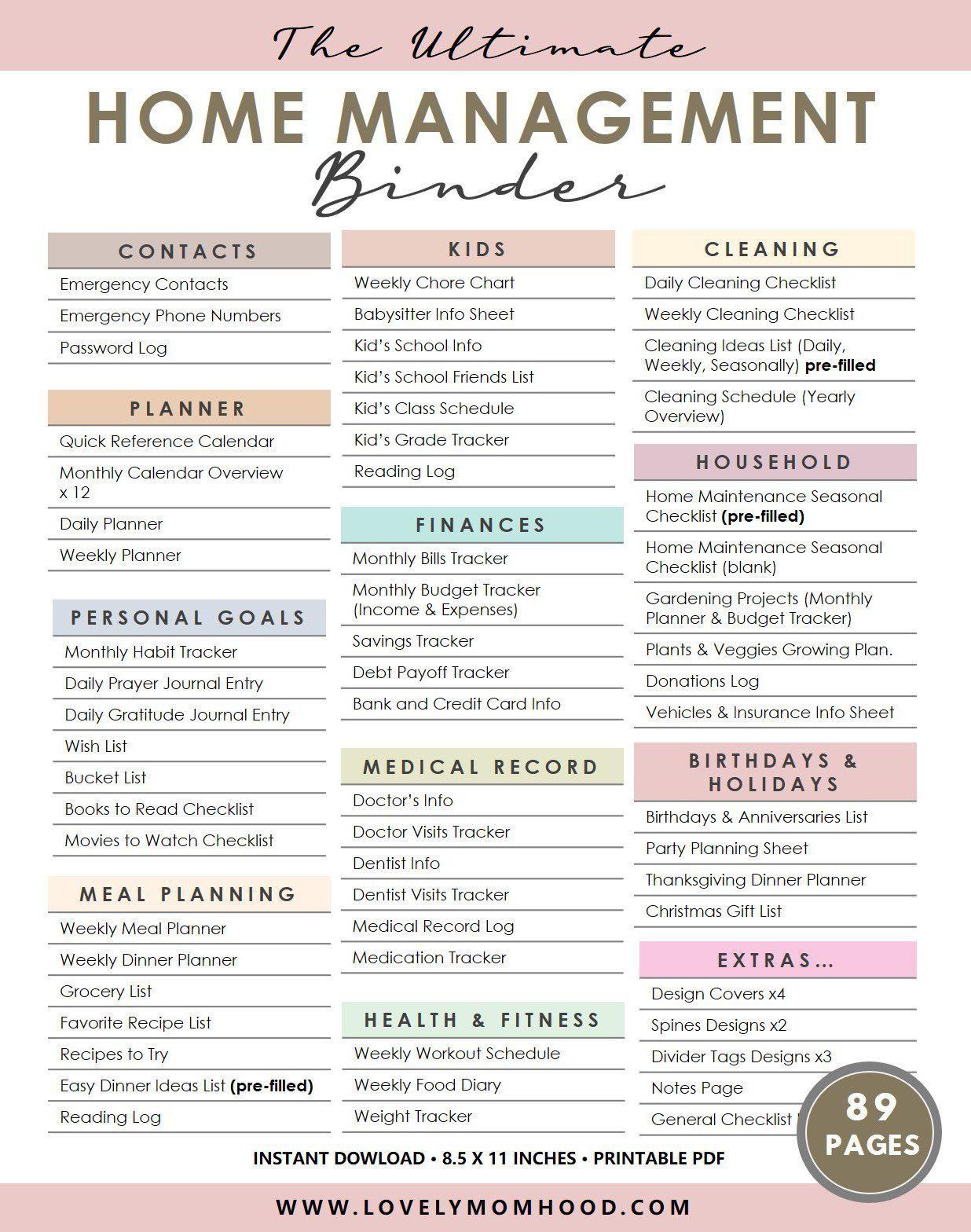
Creating a "Household Notebook"
Even in our digital world, having a physical Home Management Binder is a powerful way to centralize information. This binder acts as the "brain" of the house. Include the following sections:
- Maintenance Schedule: When were the HVAC filters changed? When is the next gutter cleaning?
- Emergency Contact Sheet: Include utility companies, doctors, pet sitters, and neighbors.
- Meal Ideas: A list of family-favorite recipes to pull from when you are out of ideas.
- Chore Charts: Visual aids for children to take ownership of their own tasks.
Getting the Whole Family Involved
One of the biggest pitfalls in household management is the "Default Parent" syndrome, where one person holds all the mental load. To change this, you must shift the mindset from "helping" to "participating."
- Family Meetings: Hold a 10-minute Sunday meeting to review the upcoming week’s schedule and delegate tasks.
- Age-Appropriate Chores: Even toddlers can help put toys away. As children age, their responsibilities should increase, helping them develop essential life skills.
- Positive Reinforcement: Focus on the outcome of a tidy, peaceful home rather than perfection.
Overcoming Common Hurdles
It is perfectly normal to feel overwhelmed when you first start implementing these systems. Many people try to overhaul their entire life in one weekend, only to burn out by Wednesday.
Start Small: Pick one area—perhaps the kitchen or the laundry process—and focus on that for two weeks. Once that habit is established, move on to the next. Remember, the goal is not to have a "magazine-ready" home that looks like a museum; the goal is to have a home that functions for your specific, unique family rhythm.
Frequently Asked Questions
Q: What is the most important part of household management?
A: Consistency. You don't need to be perfect, but you do need to be consistent with the systems you put in place. Small, daily actions always trump massive, irregular efforts.
Q: How do I manage a household when both parents work full-time?
A: Focus on automation and delegation. Use grocery delivery services, shared digital calendars, and outsource heavy cleaning if your budget allows. Treat the household as a partnership where tasks are divided based on time availability rather than gender roles.
Q: Is a household manager worth the cost?
A: For many, yes. When you calculate the hourly value of your own time versus the cost of a staff member, outsourcing tasks can actually be a "strategic advantage" that allows you to focus on high-priority work or family time.
Q: What are the best apps for managing household chores?
A: In 2026, apps like NestSync and Cozi are leading the pack for their ability to integrate calendars, chore lists, and grocery needs into one unified dashboard.
Conclusion
Mastering household management is a journey, not a destination. It is a process of learning what works for your family, refining your systems, and letting go of the pressure to be perfect. By taking control of the logistics of your daily life, you aren't just tidying up—you are building a foundation of peace and order.
Start today by choosing just one system to improve. Whether it’s digitizing your bills or implementing a 15-minute evening reset, every step you take makes your life a little easier. Your home should be the place where you recharge, not where you work your second shift. It’s time to take control and make your house work for you.
References
- Mastering Home Management — Essential tips for busy families, 2025
- Queen of the Household — 10 home management habits everyone should know, 2024
- Agency Maison — Domestic staffing and executive housekeeping standards in modern living, 2026
- Household Management 101 — A guide to essential skills and organizational techniques
- Digital Home Trends — Best household management apps for families and couples in 2026
- Modern Household Staffing — The role of professional house managers in sustainable domestic service, 2026