
In an era defined by hyper-connectivity, relentless notification pings, and the rising phenomenon of "digital smog," finding your center has never been more important. If you feel like your attention is constantly fragmented—pulled between work demands, social media scrolling, and an endless loop of future-planning—you are not alone. Mindfulness is no longer just a buzzword; it is a vital form of mental hygiene necessary for navigating the complexities of 2026.
At its core, mindfulness is the basic human ability to be fully present and aware of your current experience. It is the practice of paying attention to the present moment on purpose and without judgment. By learning to observe your thoughts, feelings, and physical sensations as they arise, you can step back from the automatic reactions that often lead to stress and burnout.
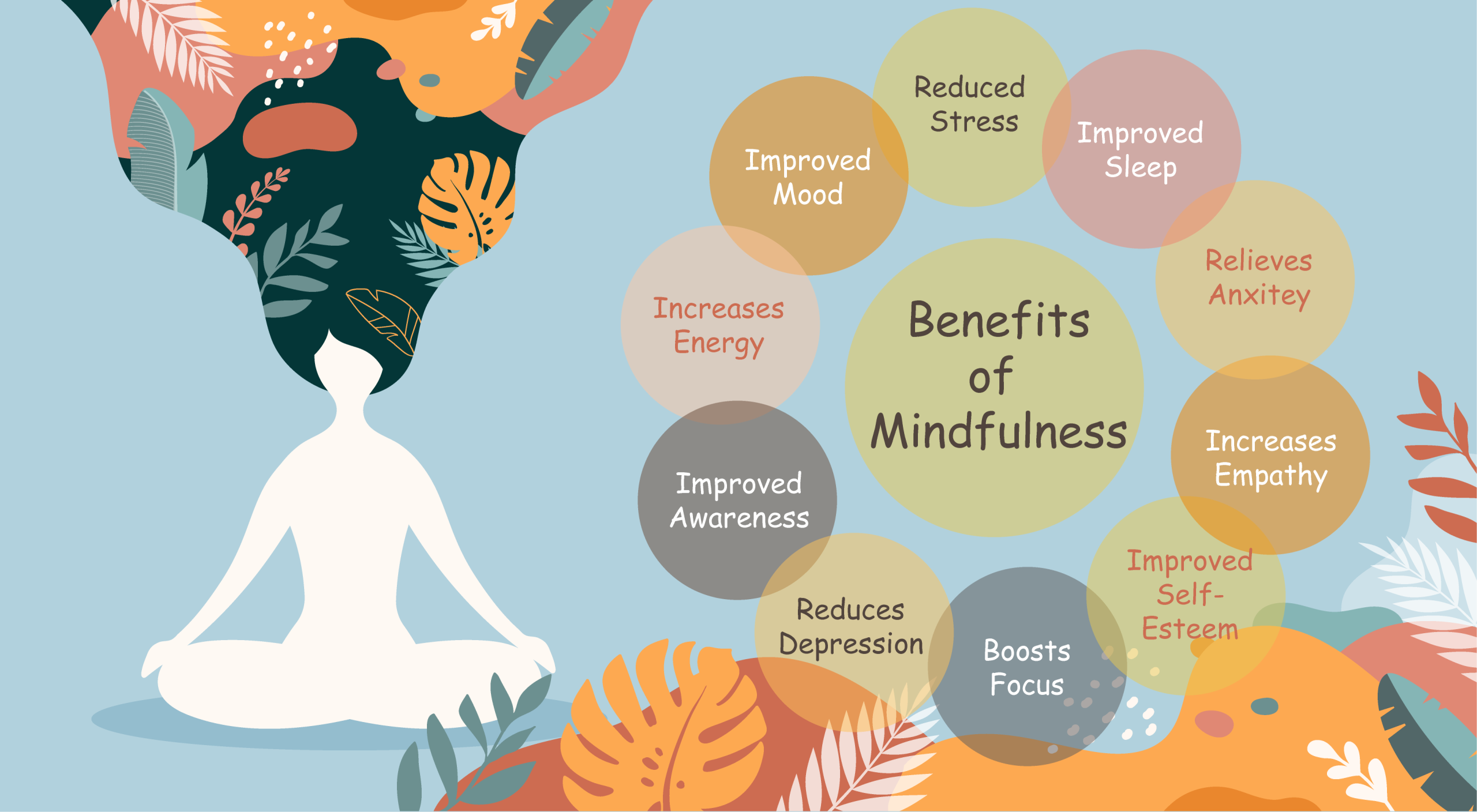
Why Mindfulness Matters in 2026
The world is moving faster than ever. As we look at the landscape of 2026, many of us are dealing with "brain rot"—that feeling of mental clutter resulting from hours spent consuming algorithmic content. This accumulation of half-processed information creates a residue that lingers in our minds, making it harder to focus, sleep, and connect with those around us.
Practicing mindfulness acts as a reset button. It helps you cultivate a "mental muscle" that allows you to return to a state of calm, even when faced with high-pressure situations. Research consistently shows that individuals who integrate these practices into their routines report higher levels of emotional regulation, better focus, and improved resilience against daily stressors.
The Science of Presence: How It Changes Your Brain
Mindfulness is not about silencing your mind or achieving a state of eternal bliss; it is about changing your relationship with your own thoughts. When you practice, you are essentially training your brain to move away from the "default mode network," which is responsible for rumination on the past or anxiety about the future.
By focusing on the "here and now," you engage the prefrontal cortex—the area of the brain associated with executive function and decision-making. This shift is why many clinical applications, such as Mindfulness-Based Stress Reduction (MBSR) and Mindfulness-Based Cognitive Therapy (MBCT), have become gold standards in modern psychological wellness.

5 Core Aspects of Mindfulness
To understand mindfulness, it helps to break it down into actionable components. These five aspects can be developed by anyone, regardless of their experience level:
- Non-reactivity to Inner Experience: The ability to observe your thoughts without immediately acting on them.
- Observing Sensations: Paying attention to bodily signals, like the rhythm of your breath or the feeling of your feet on the floor.
- Acting with Awareness: Moving through your daily tasks—like washing dishes or walking to the car—with full attention rather than on "autopilot."
- Describing: Using language to label your internal states, which helps you process emotions more effectively.
- Non-judgment: Accepting your thoughts and feelings as they are, without labeling them as "good" or "bad."
Simple Mindfulness Exercises for Daily Life
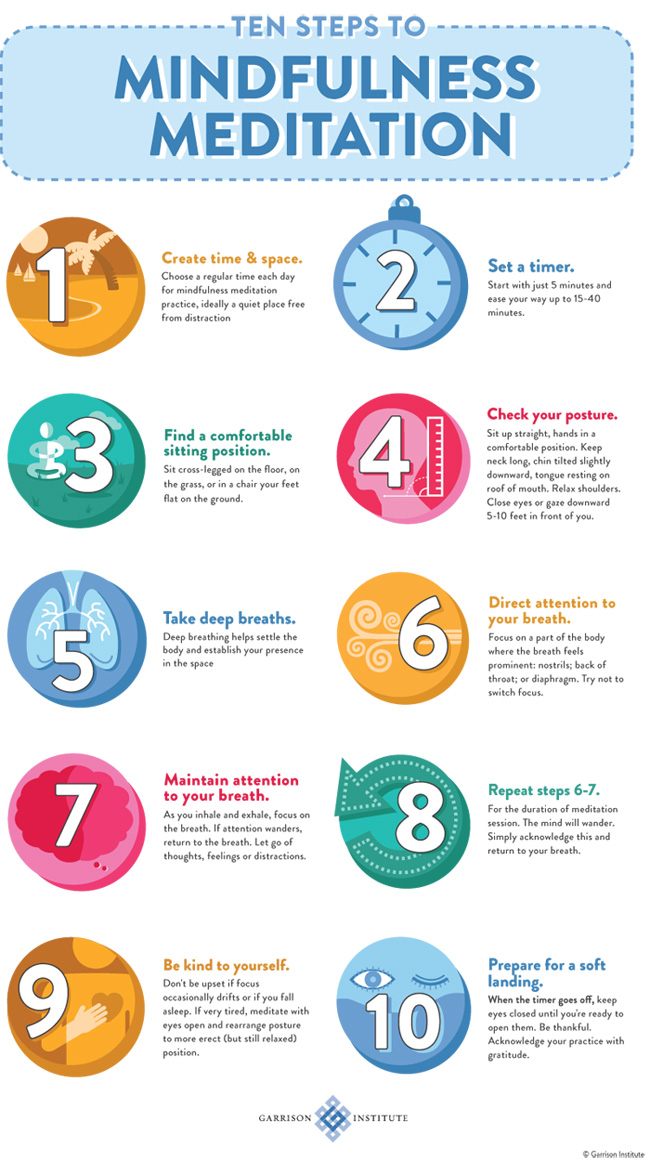
You don't need a meditation cushion or a silent retreat to be mindful. The most effective practices are the ones you can weave into your existing schedule. Here are a few ways to start today:
1. The 3-Minute Breathing Space
This is a perfect tool for busy professionals. Spend one minute observing your current thoughts and feelings. Spend the second minute focusing solely on the sensation of your breath. In the final minute, expand your awareness to your entire body, noting how you feel from head to toe.
2. Mindful Movement
Whether you are on a morning walk or taking a quick stroll to get water, focus on the physical sensations of movement. Notice the way your legs feel, the contact of your feet with the ground, and the air against your skin. It turns a mundane act into a grounding experience.
3. The Body Scan
Lie down or sit comfortably. Starting from your toes and moving slowly up to your head, consciously scan your body for tension. Acknowledge any tightness without trying to change it, simply breathing into those areas to invite relaxation.
Overcoming Common Hurdles
Many people try mindfulness, find their mind wandering, and conclude that "it’s not for them." This is a common misconception. The goal of mindfulness is not to stop your mind from wandering; it is to notice when it has wandered and gently bring it back.
Think of it like going to the gym. You wouldn't walk into a weight room, lift one dumbbell, and then decide you aren't "a gym person" because you aren't muscular yet. Mindfulness is a skill that strengthens over time. Even if you only have two minutes, consistent, short sessions are far more effective than an occasional, hour-long struggle.
Mindfulness in a Digital World: Trends for 2026
As we navigate 2026, the integration of technology and wellness has evolved. We are seeing a shift toward "micro-practices." These are small, intentional moments we build into our day to counter the "always-on" culture.
- Mindful Transitions: Use the time between tasks—like shutting down your computer or walking into your home—as a "reset" moment.
- Digital Fasting: Setting intentional blocks where screens are forbidden, allowing your nervous system to return to a baseline state of calm.
- Presence in Communication: Actively listening to others without planning your reply while they are still speaking.
Frequently Asked Questions
Do I need to be spiritual to practice mindfulness?
Absolutely not. While mindfulness has roots in ancient Buddhist philosophy, its modern application—especially in clinical psychology—is entirely secular. You can practice it as a purely scientific approach to mental health and focus.
How much time do I need to spend meditating?
Start small. Even 3 to 5 minutes a day can yield noticeable changes in your stress levels and mood. The consistency of the practice is significantly more important than the duration.
Can mindfulness help with anxiety?
Yes. By teaching you to observe your anxious thoughts as passing mental events rather than absolute truths, mindfulness reduces the power those thoughts have over you. It provides a "gap" between a trigger and your reaction, allowing you to choose a more helpful response.
Is mindfulness the same as relaxation?
Not necessarily. While mindfulness often leads to relaxation, the primary goal is awareness. Sometimes, being mindful means noticing that you are angry or stressed. The goal is to be with that experience without being overwhelmed by it.
Cultivating a Compassionate Heart
Ultimately, the goal of mindfulness is to foster a more compassionate relationship with yourself. When we judge ourselves for being stressed, distracted, or unhappy, we only add a layer of suffering to our experience. By practicing non-judgment, we treat ourselves with the same kindness we would offer a friend.
This sense of inner peace doesn't just benefit you; it ripples outward. When you are less reactive and more present, your relationships improve, your work becomes more focused, and you contribute to a calmer, more intentional environment for everyone around you.
Conclusion
Mindfulness is a journey, not a destination. In 2026, amidst the noise and the constant demand for your attention, choosing to be present is a radical act of self-care. You possess the tools to reclaim your focus and cultivate a life of clarity. Start where you are, be kind to your wandering mind, and trust that every moment of awareness is a step toward a more balanced, resilient you.
References
- Mindful — What Is Mindfulness?, 2026
- Olivia Guy-Evans, MSc — Mindfulness: 8 Mindful Exercises, Benefits, & Getting Started, 2024
- Mayo Clinic — Mindfulness exercises for stress reduction
- Kresnoadi — Mindfulness: Cara Menyayangi Diri dengan Hidup di Saat Ini, 2025
- Courtney E. Ackerman, MA — 21 Mindfulness Exercises & Activities for Adults, 2026
- Psychology Today — Understanding the state of active, open attention
- Wikipedia — Secular mindfulness and its clinical history
- Mindful Leader — 4 Trends Shaping Mindfulness in 2026