
In the fast-paced, AI-integrated landscape of 2026, efficiency is no longer just about working harder—it is about working smarter. With the constant stream of digital information and the blurring lines between professional and personal time, mastering your day requires intentionality. To achieve peak performance, you must move beyond mere busyness and focus on high-impact daily habits that compound over time.
Efficiency is the art of reclaiming your focus. By implementing a structured routine, you can eliminate decision fatigue and ensure that your limited mental energy is directed toward what truly matters. Whether you are looking to streamline your workflow or reclaim your free time, these proven habits will provide the framework for a more successful life.

1. The Power of Prioritization: The “One Big Thing” Rule
Highly productive people rarely juggle a dozen tasks at once. Instead, they master the art of daily prioritization. Before you even open your email or check your Slack messages, identify one primary objective that will move the needle on your long-term goals.
- Define your “Must-Do”: Pick one task that, if completed, would make the rest of the day feel successful.
- Time-Block: Dedicate your peak energy hours—usually the first two hours of your workday—to this priority.
- Avoid Multitasking: Science consistently shows that multitasking reduces productivity by up to 40%. Focus on one thing until it is finished.
2. Digital Minimalism and Boundary Setting
In 2026, the greatest threat to efficiency is the “notification economy.” To maintain a high level of cognitive output, you must proactively minimize digital distractions.
- Ditch the Phone: Keep your phone in another room or a drawer while working on deep-focus tasks.
- Batch Notifications: Instead of reacting to every ping, set specific windows (e.g., 11:00 AM and 4:00 PM) to check messages and emails.
- Clear the Digital Clutter: Spend five minutes at the end of each day closing unnecessary browser tabs and organizing your digital desktop.
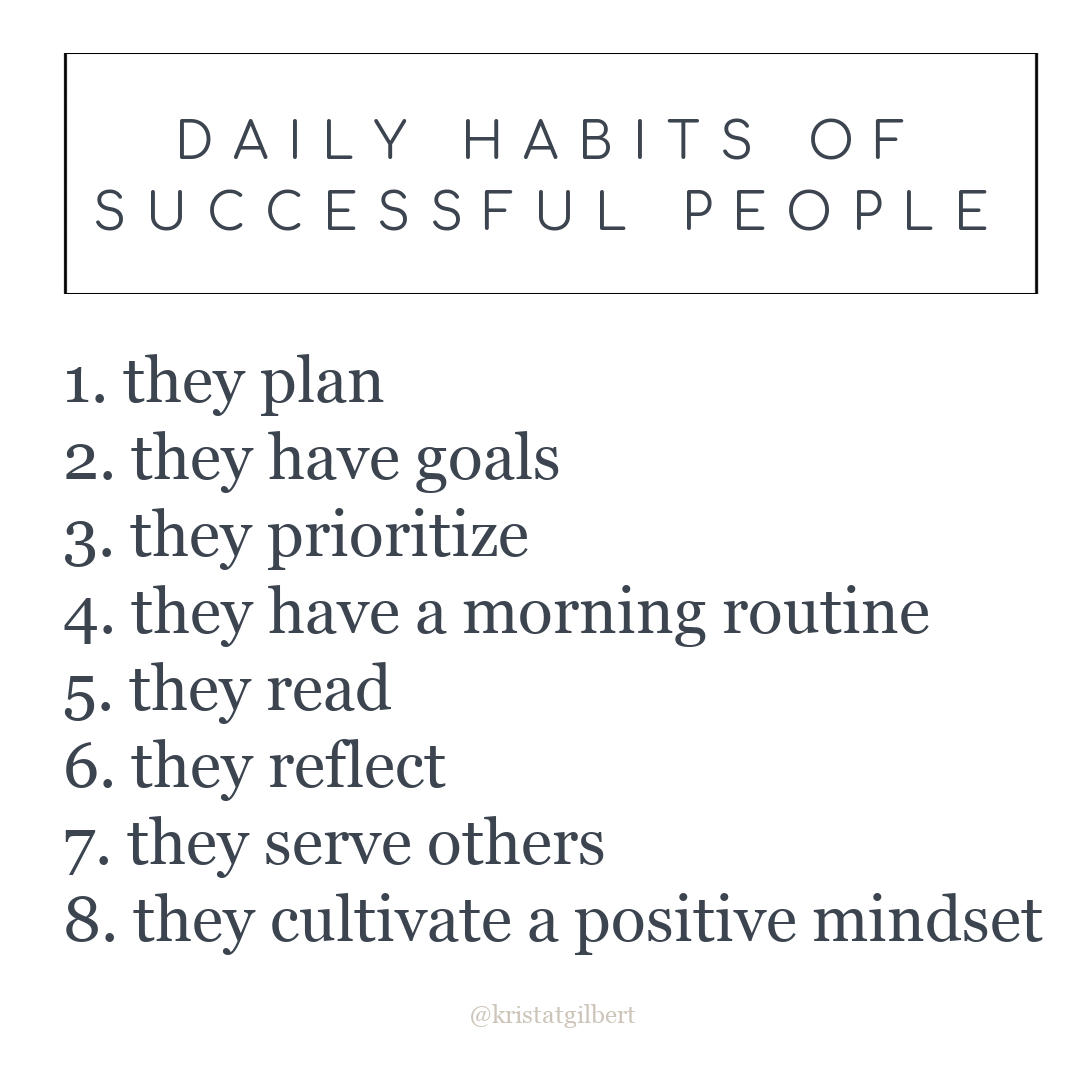
3. Curating Your Environment for Success
Your physical workspace is a direct reflection of your mental state. A cluttered desk often leads to a cluttered mind, which prevents you from entering a flow state efficiently.
Decluttering for Clarity
Commit to a “reset” habit. At the end of every workday, take ten minutes to clear your desk, file away loose papers, and sanitize your workspace. When you arrive the next morning, you will be met with a clean slate, allowing you to dive straight into your work without the friction of cleaning up first.
Designing for Focus
Ensure your workspace is ergonomically sound and free from visual stimuli that aren’t related to your current task. By removing unnecessary objects, you reduce the cognitive load on your brain, allowing it to devote more resources to problem-solving and creativity.
4. Protecting Your Mental Energy
Efficiency is not just about time management; it is about energy management. If you are burnt out, no amount of scheduling will make you effective.
- The Power of Movement: Even a 15-minute walk can reset your cortisol levels and boost cognitive function.
- Journaling for Perspective: Spend 10 minutes at the end of the day reflecting on what went right and where you can improve. This habit prevents the repetition of inefficient cycles.
- Prioritize Sleep Hygiene: Your brain’s ability to consolidate information and perform complex tasks is directly linked to the quality of your rest. Treat sleep as a non-negotiable professional appointment.

5. Building Systems Over Willpower
Willpower is a finite resource. To be truly efficient in 2026, rely on automated systems rather than relying on your “motivation” to get things done.
The “If-Then” Planning Method
Create “if-then” plans for common hurdles. For example: “If I find myself scrolling social media during work, then I will stand up and walk to the kitchen for a glass of water.” This turns potential distractions into triggers for healthy, productive breaks.
Batching Routine Tasks
Group similar tasks together. Whether it’s responding to emails, scheduling meetings, or administrative paperwork, doing these in one block prevents the mental energy drain caused by context switching.
Conclusion: Consistency is the Competitive Advantage
Efficiency is not a one-time achievement; it is a continuous daily practice. By implementing these habits—prioritizing your main goal, minimizing digital noise, curating your environment, and managing your energy—you are building a foundation for sustainable success in 2026.
Start small. Pick two habits from this list and commit to them for the next 21 days. As these behaviors become second nature, you will find that you are not only getting more done but also carving out more time for the things that truly bring you joy and fulfillment. Your future self will thank you for the systems you build today.