
The concept of “home” has evolved significantly by 2026. For the modern digital nomad or the frequent business traveler, home is no longer a static location—it is an ecosystem that requires active, remote management. Whether you are maintaining a property for short-term rentals, engaging in vacation rental property management, or simply ensuring your residence stays secure while you explore the globe, balancing travel with remote home management is an essential skill. This article outlines the Best practices for managing remote home services while traveling.
Successfully managing your home services while on the move requires a blend of smart home technology and advanced home automation systems, reliable communication, and proactive planning. These are key elements of Best practices for managing remote home services while traveling. By leveraging the latest in IoT (Internet of Things) advancements and digital coordination, you can ensure that your home remains a sanctuary, even when you are thousands of miles away.
The Foundation: Building a Connected Home Ecosystem
Before you pack your bags, your home needs to be “travel-ready.” This is a core component of Best practices for managing remote home services while traveling. In 2026, this means more than just locking the doors; it means creating a digitally monitored environment with robust property monitoring solutions that allows you to troubleshoot issues from anywhere in the world.
Invest in Smart Security and Sensors
The most effective way to manage your home remotely is through integrated smart security systems. This is a fundamental aspect of Best practices for managing remote home services while traveling. Modern sensors can provide real-time alerts to your smartphone for water leaks, unexpected motion, or fluctuations in temperature, including precise smart climate control adjustments. If a pipe bursts while you are in a different time zone, a smart shut-off valve can save your home from catastrophic damage.
Reliable Connectivity is Non-Negotiable
You cannot manage home services if you cannot connect to your home network. Ensure you have a high-speed, redundant internet connection at your primary residence. Using a cloud-based router allows you to reboot your network remotely, ensuring that your security cameras and smart devices stay online 24/7. This connectivity is paramount for implementing Best practices for managing remote home services while traveling.
Leveraging Professional Remote Management Services
Sometimes, technology isn’t enough. To truly master Best practices for managing remote home services while traveling, you’ll find that when you are traveling for extended periods, you need a physical presence or even a digital concierge for home services to handle unexpected maintenance or service requests.
The Role of Local Property Liaisons
Building a network of trusted local contractors for everything from routine checks to preventative home maintenance is a cornerstone of remote management and a key element of Best practices for managing remote home services while traveling. Whether it is a house sitter, a property manager, or a reliable neighbor, having a “boots on the ground” contact is vital.
Create a Digital Access Protocol: Use smart locks and advanced remote access control systems to grant temporary, time-sensitive access to service workers.
Standardize Maintenance Requests: Use project management tools or apps to document issues, upload photos, and track the progress of home repairs.
Automating Routine Services
Automating routine services is another one of the Best practices for managing remote home services while traveling. Routine tasks like lawn care, pool maintenance, or cleaning should be automated through subscription-based service providers. By setting these up on a recurring schedule, you eliminate the need to coordinate every visit manually. Ensure these providers have a clear point of contact (like your property liaison) should they encounter an issue.
Balancing Productivity and Home Oversight
Managing your home shouldn’t derail your travel experience or your professional output. Integrating these tasks into your daily routine is the key to maintaining location freedom and effectively implementing Best practices for managing remote home services while traveling.
Time-Blocking Your Management Tasks
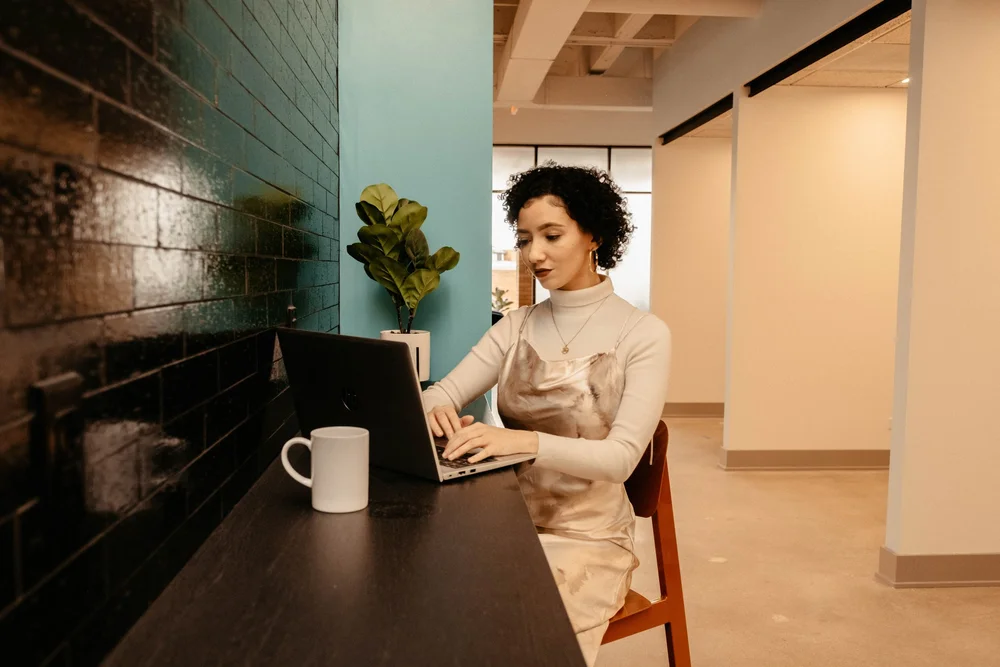
Treat home management like a work meeting. Dedicate 30 minutes at the start or end of your day to review your smart home dashboard, check security logs, and communicate with service providers. By time-blocking these tasks, you prevent home-related stress from bleeding into your work hours or your leisure time.
Utilizing Centralized Management Apps
In 2026, there are numerous platforms designed for remote property management. These apps allow you to consolidate your utilities, security alerts, service invoices, and even facilitate utility bill management into one interface. Using a single “source of truth” for your home’s status reduces the mental load of managing a property from afar, a crucial aspect of Best practices for managing remote home services while traveling.
Strategic Tips for 2026 Travelers
Prioritize Predictive Maintenance: Use AI-driven home diagnostics to identify potential appliance failures before they happen.
Document Everything: Keep a digital vault containing warranties, service history, and contact information for all your home appliances.
Prepare for “Worst-Case” Scenarios: Develop clear emergency response protocols, have an emergency fund specifically for home repairs and a pre-vetted list of 24/7 emergency contractors in your area.
Communication is Key: If you share your home, maintain a transparent communication channel with housemates or family to ensure everyone is aligned on security protocols.
Conclusion
Managing home services while traveling is no longer an insurmountable challenge; it is a manageable process that relies on the synergy between advanced technology and proactive delegation. By setting up a robust smart home infrastructure and establishing a reliable support network, you can truly implement the Best practices for managing remote home services while traveling, enjoying the freedom of travel without the anxiety of leaving your property behind.
As we move deeper into 2026, the tools for remote management will only become more intuitive. Embrace these technologies, stay organized, and focus on what truly matters: enjoying your journey while knowing your home is in capable, digital hands.