
Living in 2026, the concept of home efficiency has evolved from a "nice-to-have" green initiative into a financial necessity. With utility costs fluctuating and the demand for sustainable living rising, homeowners are looking for smarter, simpler ways to reduce their environmental footprint while keeping more money in their pockets.
Efficiency isn’t just about buying expensive solar panels or gutting your house for a complete renovation. It is about the compounding effect of small, intentional daily habits and targeted home improvements. Whether you are renting an apartment or managing a large family home, optimizing your space for energy conservation is achievable, affordable, and incredibly impactful.
Why Efficiency Matters More Than Ever in 2026
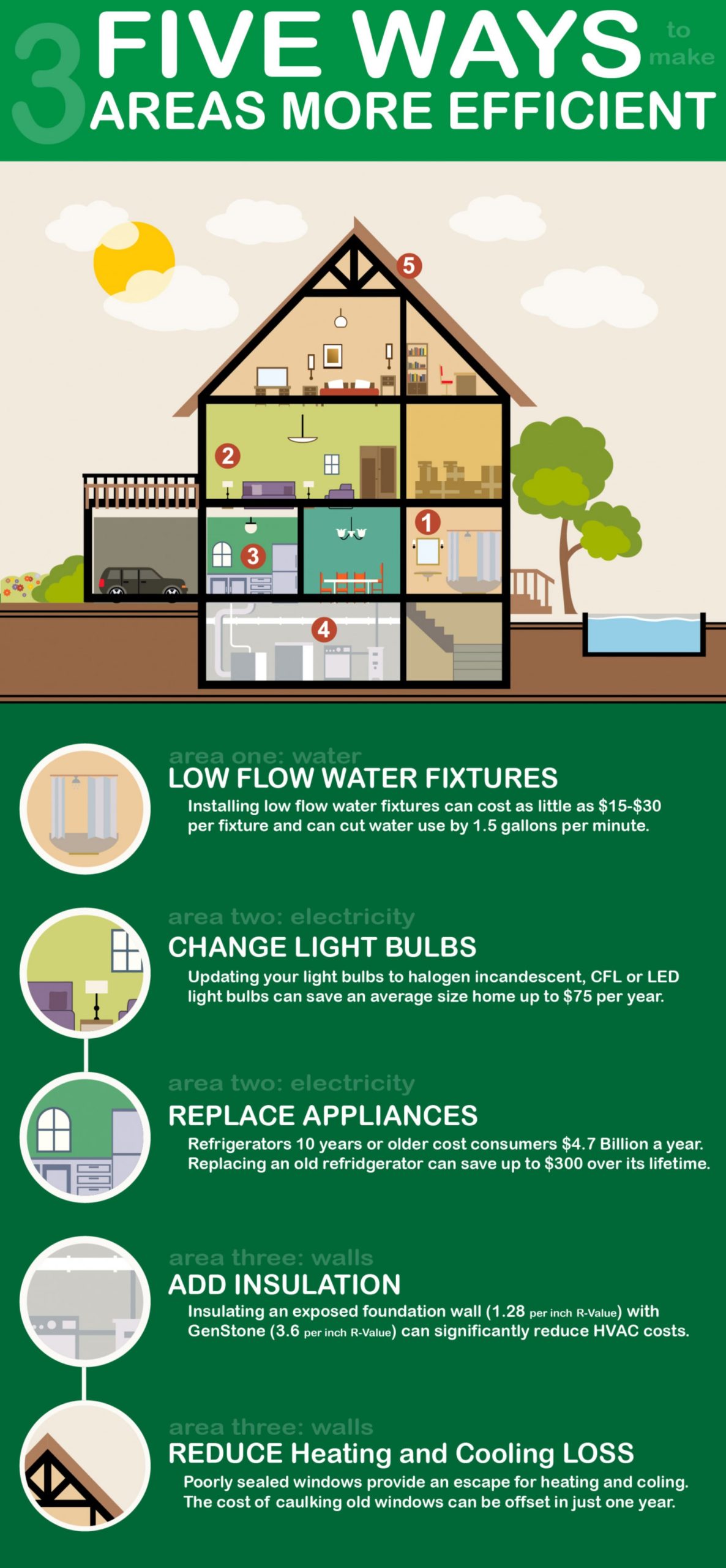
Homes and buildings account for a staggering 40% of all energy consumption in the United States. A significant portion of this energy is wasted through inefficient appliances, poor insulation, and simple user error. Did you know the average homeowner loses between $200 and $400 annually due to preventable energy leaks?
By focusing on energy efficiency, you aren't just "saving the planet"—you are actively lowering your monthly overhead. In 2026, modern smart technology and improved building materials have made it easier than ever to track, manage, and slash your energy usage without sacrificing comfort.
Phase 1: The Daily Habits That Shift the Needle
You don't need a massive budget to start seeing results. Efficiency starts with how you interact with your home every single day.
Mastering Your Thermostat
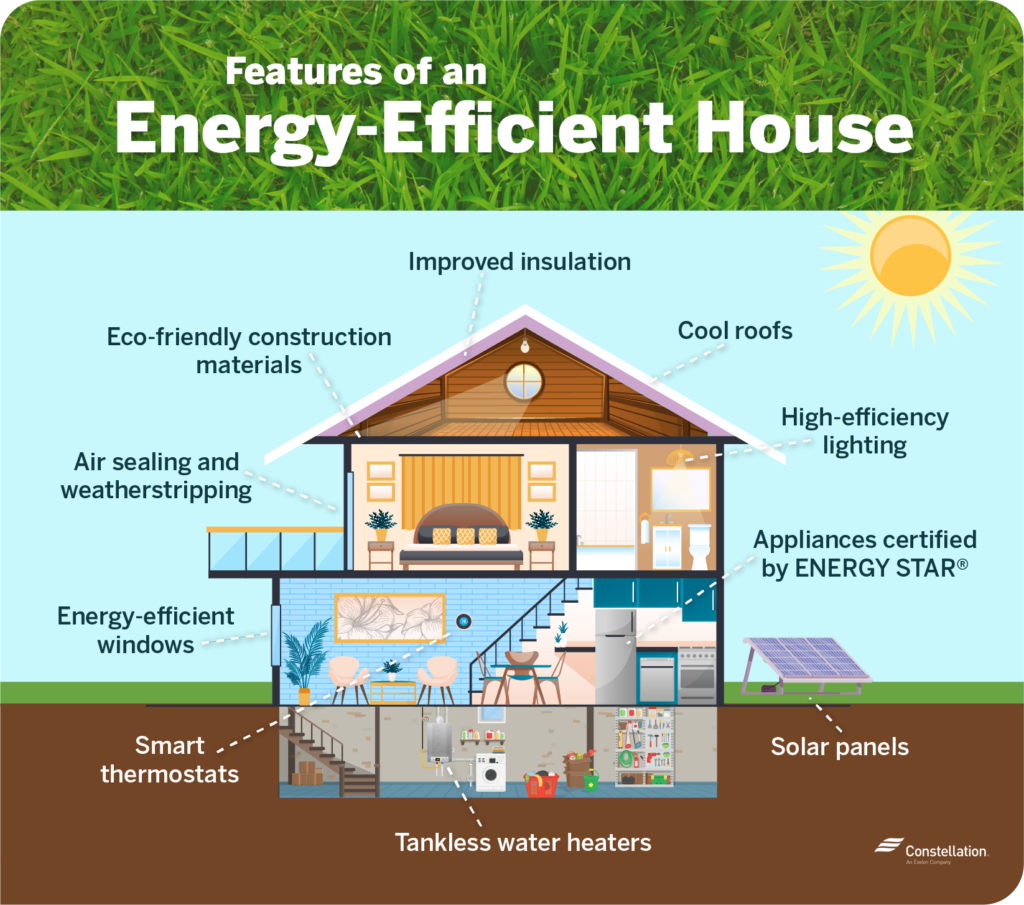
Heating and cooling usually account for the largest share of your utility bill. Instead of keeping the temperature static, use a smart thermostat to automate your climate control. In 2026, these devices have become incredibly intuitive, learning your schedule and adjusting temperatures while you sleep or work. Lowering or raising the temperature by just a few degrees when you’re away can save you roughly 8% annually.
Unplugging the "Vampire" Loads
Did you know that electronics consume energy even when they are turned off? This is known as "phantom energy" or "vampire load." Devices like gaming consoles, coffee makers, and chargers can account for up to 10% of your residential energy use.
- Pro Tip: Use smart power strips to cut power to peripheral devices when your primary device (like your TV) is turned off.
Lighting Efficiency
If you are still using incandescent bulbs, you are essentially paying to heat your home rather than light it. Switching to ENERGY STAR-certified LEDs can reduce your lighting energy consumption by up to 90%. These bulbs last significantly longer, meaning you spend less time on maintenance and less money on replacements.
Phase 2: High-Impact Home Improvements
Once you have mastered your daily habits, it is time to look at the "envelope" of your home—the physical structure that keeps the elements out and the comfort in.
The Power of an Energy Audit
Before you start buying insulation or new windows, you need a roadmap. A professional energy audit is the gold standard for efficiency. A certified auditor will use tools like a blower door test to identify exactly where your home is leaking air. This diagnostic approach ensures you spend your renovation budget on the areas that provide the highest return on investment.
Sealing the Building Envelope
Your home’s walls, roof, foundation, and windows act as its skin. If there are gaps, your HVAC system has to work twice as hard to maintain the temperature.
- Attic and Foundation Sealing: Use spray foam or caulk to seal small gaps around plumbing and wiring penetrations.
- Weatherstripping: A simple, inexpensive roll of weatherstripping around your doors and windows can prevent drafts that drive up your heating and cooling costs.
Upgrading Insulation
If your home feels drafty in the winter and stifling in the summer, your insulation might be inadequate. Adding insulation to your attic or basement is one of the most effective ways to save up to 15% on heating and cooling costs. In 2026, modern cellulose and foam insulation options are more effective and eco-friendly than ever before.
Phase 3: Investing in Smarter Technology
As we move deeper into the decade, home automation is becoming the backbone of the efficient household.
Smart Lighting and Sensors
Beyond just replacing bulbs, consider installing motion sensors in rooms that aren't occupied often, like basements, hallways, or pantries. This ensures lights are only on when you actually need them.
Energy-Efficient Appliances
If you have an appliance that is over 10 years old, it is likely a major energy hog. When it comes time to replace your refrigerator, dishwasher, or washing machine, always look for the ENERGY STAR label. Modern machines use significantly less water and electricity, paying for themselves over time through utility savings.
Frequently Asked Questions
1. What is the single most effective way to make my home more efficient today?
The most effective immediate step is to conduct an energy audit. Knowing exactly where your home is losing energy allows you to prioritize your efforts rather than guessing. If you want a quick win, switch every light bulb in your house to LEDs and install a smart thermostat.
2. Are smart home devices worth the cost?
Yes. In 2026, the price of smart home technology has dropped significantly while its reliability has increased. A smart thermostat, for example, typically pays for itself within two years through reduced heating and cooling bills.
3. How do I know if my insulation is sufficient?
If your energy bills are unusually high or if certain rooms in your house are consistently hotter or colder than others, your insulation is likely failing. An energy auditor can use infrared cameras to see exactly where heat is escaping through your walls and roof.
4. Can I improve efficiency in a rental property?
Absolutely. Even if you cannot perform structural renovations, you can use weatherstripping, switch to LED bulbs, use smart power strips, and adjust your thermostat habits. These small changes are portable and can still result in noticeable monthly savings.
The Long-Term Vision: A Sustainable Future
Making your home more efficient is a journey, not a one-time project. By taking these steps, you are contributing to a broader national goal of sustainability while creating a more comfortable and durable living environment for your family.
Remember, energy efficiency isn't about deprivation—it's about optimization. When you use less energy to achieve the same or better results, you win, your wallet wins, and the planet wins. Start with the small habits today, and plan for the structural upgrades tomorrow. Your home in 2026 should be a sanctuary of comfort and a model of efficiency.
References
- Clean Energy Connection — 57 Ways to Improve Your Home's Energy Efficiency in 2025
- Direct Energy — 25 energy-saving tips to help lower your electric bill, 2026
- FurnacePrices.ca — 39 Ways to Make Your Home More Energy Efficient, 2025
- EnergySage — How to Conserve Energy: 10 Tips to Save Electricity, 2025
- Department of Energy — Efficient Home Design Guidelines, 2026
- WorkMoney — How to Make a Home More Energy Efficient: 6 Simple Steps, 2025