
In the fast-paced, hyper-connected landscape of 2026, the lines between our professional responsibilities and personal lives have become increasingly blurred. With the rise of AI-integrated workflows and hybrid work models, the challenge isn't just "getting more done"—it’s about preserving your mental well-being while maintaining high productivity. Achieving a healthy work-life balance is no longer a luxury; it is a necessity for long-term career sustainability and personal happiness.
If you find yourself constantly "on," checking emails during dinner, or feeling the creeping weight of burnout, you aren't alone. However, the solution isn't to work harder; it is to work smarter by establishing intentional boundaries. This guide provides actionable, expert-backed strategies to help you reclaim your time and energy.
Understanding the Modern Work-Life Dynamic
Work-life balance is not a 50/50 split between your job and your home. Instead, it is a dynamic state of harmony where your professional and personal lives support one another rather than compete for your limited time. In 2026, the "always-on" culture is being replaced by a focus on asynchronous productivity and well-being-first corporate cultures.
Why Balance Matters Now More Than Ever
Research consistently shows that employees who fail to disconnect are 40% more likely to experience chronic stress. When you prioritize rest, you aren't just "taking time off"—you are refueling your cognitive capacity. A balanced life leads to better focus, increased creativity, and a longer, more fulfilling career trajectory.
Prerequisites for Achieving Balance
Before diving into the steps, ensure you have the right mindset and tools. You don't need expensive equipment, but you do need:
- A "Shutdown" Ritual: A physical or digital action that signals the end of the workday.
- A Task Management System: Tools like Notion, Asana, or simple physical planners.
- Boundaries: The mental fortitude to say "no" to non-essential tasks after hours.
- Support System: Open communication with family, partners, or roommates regarding your schedule.
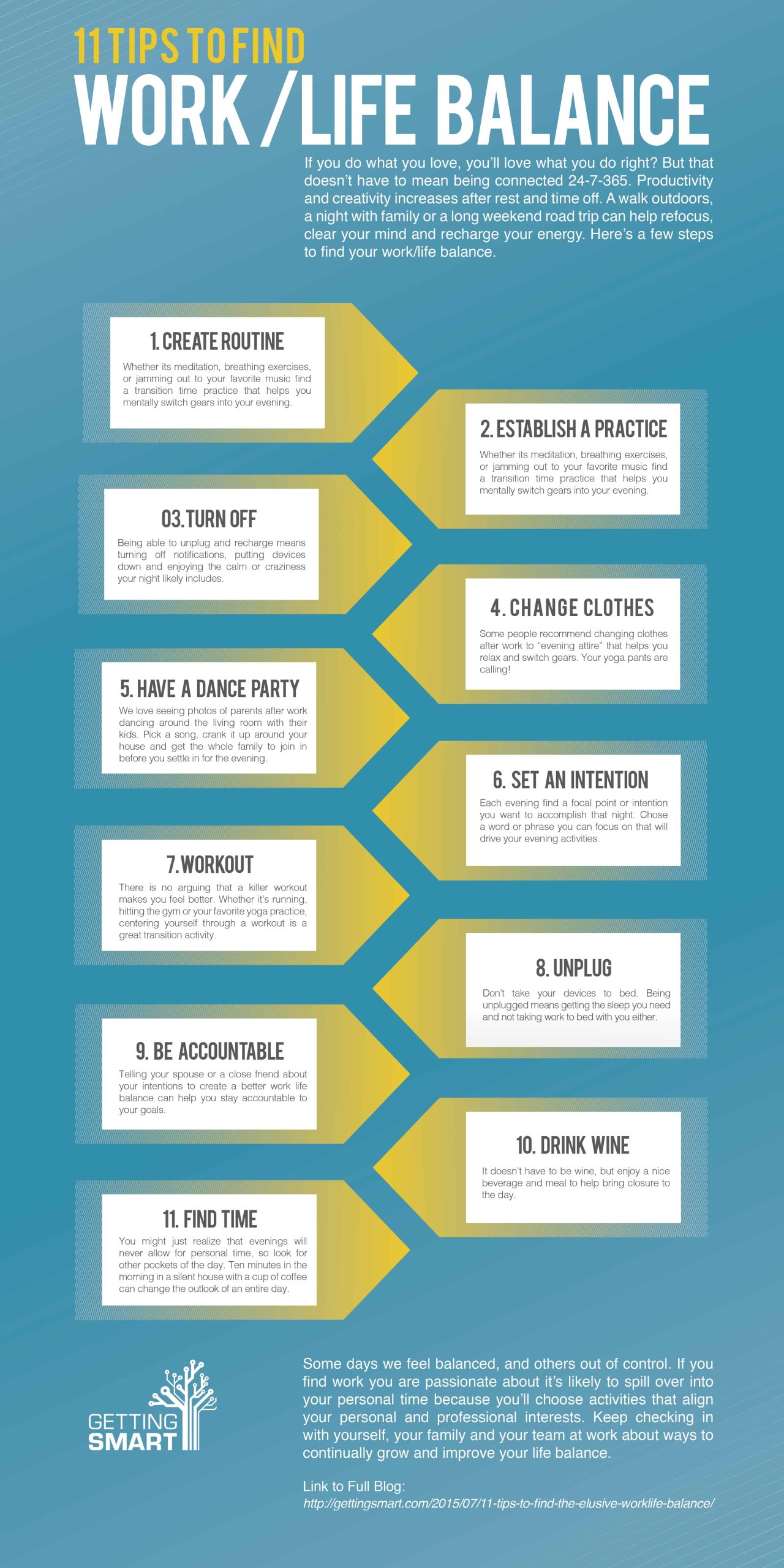
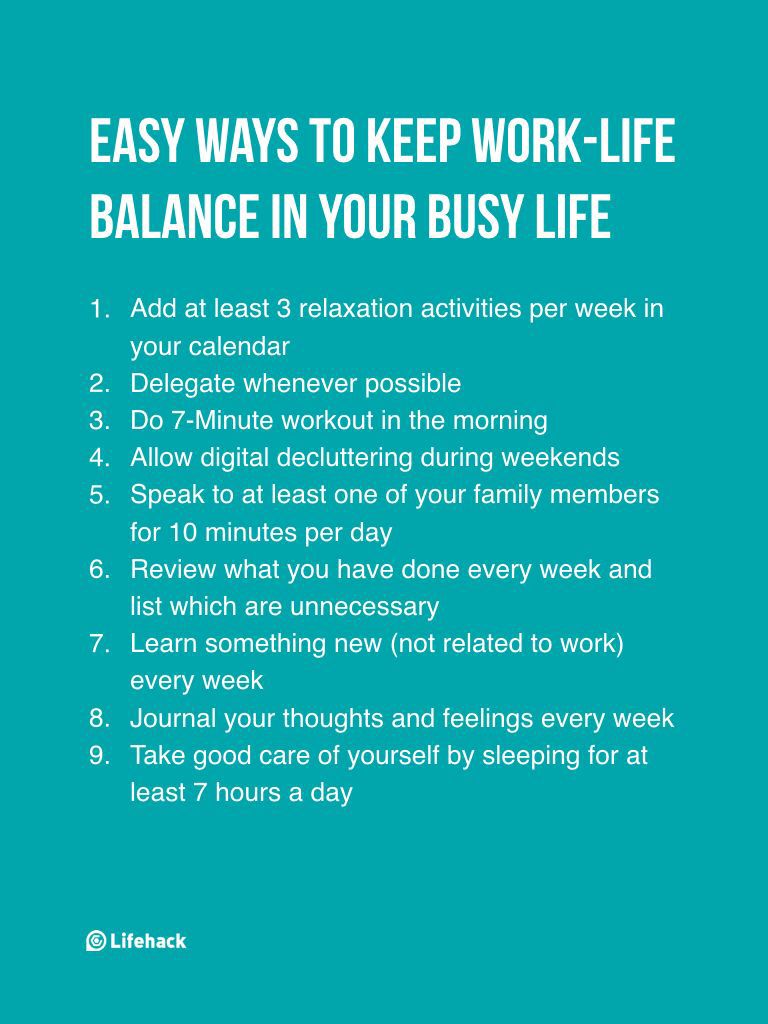
15 Easy Ways to Balance Work, Home, and Life: A Step-by-Step Guide
1. Master the Art of Time Blocking
Time blocking is the practice of dividing your day into distinct segments. Instead of a long, open-ended to-do list, assign specific tasks to specific hours.
- How to do it: Schedule "deep work" blocks in the morning when your brain is sharpest. Leave 30-minute buffers between meetings to prevent "Zoom fatigue."
- Verification: You know you’ve succeeded when you finish your primary tasks by the end of your scheduled block, leaving no "overflow" into your evening.
2. Implement the "Hard Stop" Rule
In 2026, many remote workers struggle with the "never-ending workday." You must set a firm time when the laptop closes.
- The Strategy: Set an alarm for 6:00 PM (or your preferred time). When it goes off, the work is done.
- Warning: Do not succumb to the temptation to "just check one more email." That one email often leads to an hour of additional work.
3. Embrace Asynchronous Communication
If your team supports it, move away from instant messaging as the primary mode of work.
- Why it works: Constant pings interrupt your flow state. Use tools like Slack or Microsoft Teams, but set your status to "Focus Mode" for 2-hour stretches.
- Verification: You have more completed projects and fewer unfinished, interrupted tasks at the end of the week.
4. Create a Dedicated Workspace
If you work from home, the physical environment matters. Working from your bed or couch confuses your brain, making it difficult to "switch off" at night.
- Pro Tip: Even if you don't have a separate office, use a specific chair or desk area that is only for work. When you leave that chair, you are "off the clock."
5. Prioritize Self-Care as a Non-Negotiable
Treat your gym session, meditation, or hobby time with the same respect as a client meeting.
- Action: Block these out on your shared calendar so colleagues know you are unavailable during those times.
6. Practice "The Power of No"
You cannot be everything to everyone. Over-committing is the fastest route to burnout.
- How to do it: If a request doesn't align with your core goals or capacity, use a polite decline: "I’d love to help, but my current bandwidth doesn't allow for this right now."
7. Leverage AI for Routine Tasks
By 2026, AI tools are standard. Use them to summarize emails, draft reports, or schedule appointments.
- Benefit: Automating the "busy work" saves you 5–10 hours per week, which can be redirected toward your family or personal development.
8. The "Digital Sunset" Ritual
Blue light from screens suppresses melatonin. Create a "digital sunset" at least 60 minutes before bed.
- Steps: Put your phone in a drawer, turn off the TV, and engage in a non-screen activity like reading or journaling.
9. Batch Your Chores
Don't let household tasks bleed into your workday.
- Strategy: Group chores (like meal prep or laundry) on a Sunday. This prevents the "I need to do dishes" distraction during your peak productivity hours on Tuesday.
10. Schedule "White Space"
Leave 15% of your week completely unscheduled.
- Why: Life happens. Emergencies occur. Having white space prevents a minor disruption from ruining your entire week’s schedule.
11. Communicate Expectations Early
Talk to your manager about your availability.
- Insight: Most managers appreciate employees who set boundaries because it leads to higher-quality work and lower turnover rates.
12. Take Real Breaks
A "break" is not scrolling social media.
- Better Approach: Step away from all screens. Walk outside, stretch, or do a quick breathing exercise. This resets your nervous system.
13. Practice Mindfulness
Mindfulness keeps you present. When you are with your family, be with them. When you are working, focus on the task.
- Verification: Ask yourself, "Am I currently thinking about work while playing with my kids?" If yes, gently redirect your focus to the present.
14. Evaluate Your "Energy Givers" vs. "Energy Takers"
Keep a log for one week. Note which tasks leave you energized and which drain you.
- Action: Outsource, delegate, or eliminate the "Energy Takers" as much as possible.
15. Audit Your Balance Regularly
Every Friday, spend 10 minutes reflecting.
- Questions to ask: Did I meet my hard stops? Did I prioritize my health? What can I improve next week?
Expert Insights: The Future of Work-Life Balance in 2026
Industry experts emphasize that the hybrid model is the new standard. However, the onus of balance has shifted from the employer to the individual. "In 2026, your career is a marathon, not a sprint," says productivity consultant Dr. Elena Rossi. "Those who win are those who know how to pace themselves by integrating rest as a strategic business requirement."
Common Mistakes to Avoid
- The "Multitasking" Myth: Multitasking actually lowers your IQ and increases stress. Focus on one task at a time.
- Ignoring Physical Health: Sitting for 10 hours straight is unsustainable. Use a standing desk or take walking meetings.
- Lack of Communication: If you don't tell your family you are busy, they will interrupt you, leading to frustration for everyone.
Frequently Asked Questions (FAQ)
Q: Is it possible to have a perfect work-life balance?
A: Perfect balance is a myth. Aim for "work-life harmony," where your life feels aligned with your values, even if some days are busier than others.
Q: How do I talk to my boss about better boundaries?
A: Focus on performance. Frame it as: "I’ve found that by setting specific hours for deep work, I’m able to deliver higher-quality results for the team."
Q: What if my job requires me to be available 24/7?
A: Discuss a rotation schedule with your team. Even in high-demand roles, everyone needs downtime to remain effective.
Q: How can I stop feeling guilty when I’m not working?
A: Remind yourself that rest is productive. Your brain needs downtime to process information and solve complex problems.
Conclusion
Finding balance in 2026 is an active, ongoing process. It requires you to be the architect of your own schedule and the guardian of your own energy. By implementing these 15 easy ways to balance work, home, and life, you aren't just becoming a more productive employee—you are becoming a more present parent, a healthier individual, and a happier human being.
Start small. Pick one of these strategies today and implement it for a week. The results will not only surprise you but will likely change the trajectory of your professional and personal life for the better. Remember, you have the power to define what "success" looks like, and it starts with the boundaries you set today.