
In 2026, the lines between our biological existence and our digital footprint have almost completely vanished. We wake up to smart alarms that track our REM cycles, work within virtual collaborative spaces, and unwind by scrolling through algorithmically curated feeds. While this connectivity offers unprecedented convenience, it has also created a quiet, pervasive crisis. We are more connected than ever, yet many of us feel increasingly fragmented, distracted, and mentally exhausted.
Digital wellness is no longer just a buzzword for tech enthusiasts; it is a fundamental pillar of modern health. It is the intentional practice of managing your relationship with technology so that it supports your life rather than overwhelming it. If you have ever felt that "phantom vibration" in your pocket or realized you’ve spent an hour scrolling without purpose, you already know why this conversation is urgent.
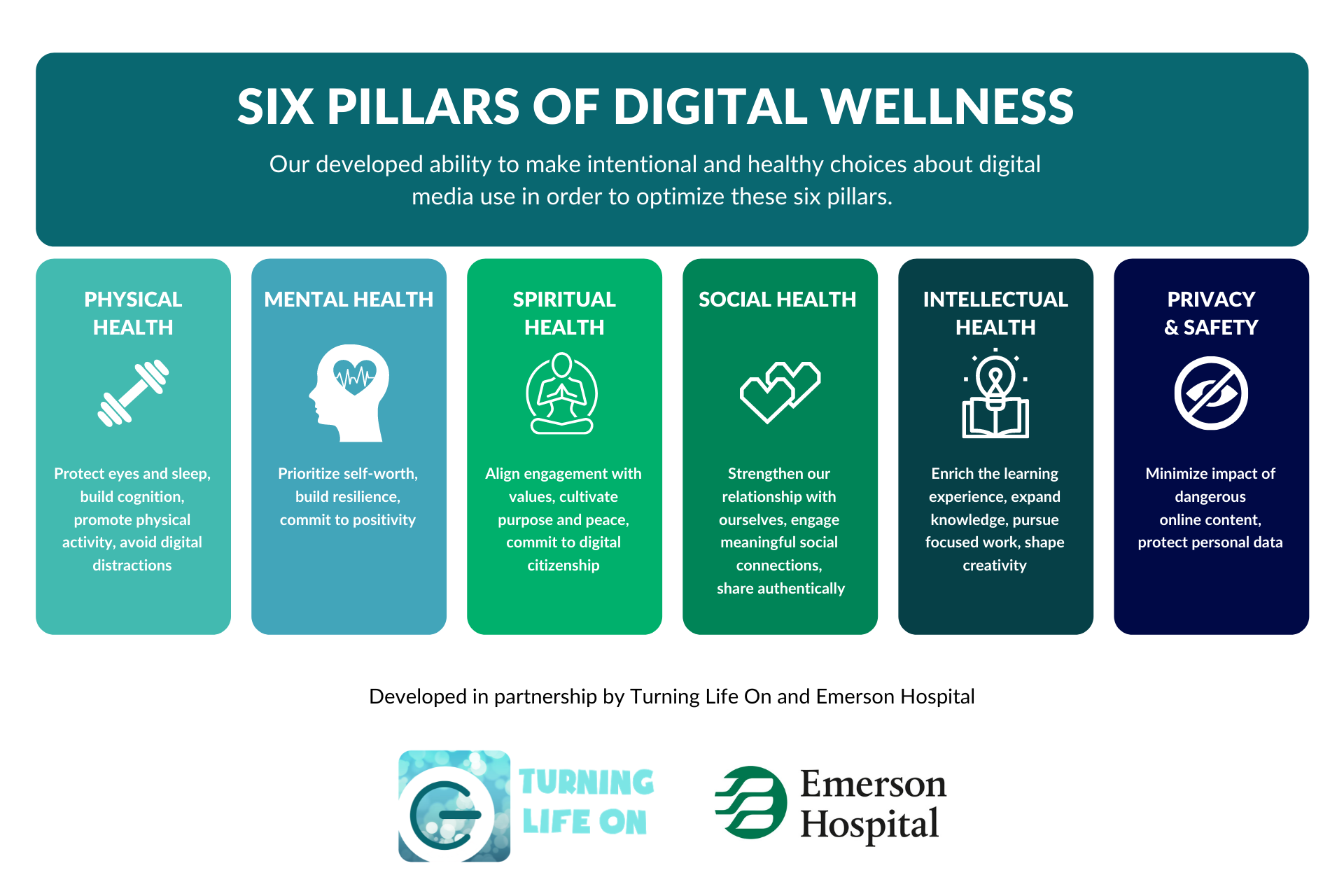
What Exactly is Digital Wellness?
At its core, digital wellness refers to the state of health, personal fulfillment, and social satisfaction that you achieve through the conscious use of technology. It is not about throwing your smartphone in the trash or moving to a cabin in the woods. Instead, it is about agency. It is the ability to pick up your device to serve a specific goal—be it communication, work, or genuine relaxation—and put it down when that goal is met.
The Pillars of Digital Balance
- Awareness: Recognizing how your digital habits impact your mood and physical health.
- Control: Using features like "Focus Mode" or notification management to dictate when technology interrupts you.
- Purpose: Being intentional about why you are opening an app rather than doing so out of habit or boredom.
- Offline Integration: Ensuring that your physical world and real-life connections receive the same priority as your digital presence.
Why 2026 Demands a New Approach to Tech
The rapid evolution of AI-driven interfaces and hyper-personalized content means the "pull" of the digital world is stronger than ever. Research from 2026 highlights a growing trend: the body and mind are struggling to recalibrate from the intensity of constant stimulation. When we spend our day in a state of "digital overload," our nervous systems rarely find the downtime necessary for true recovery.
The Physical and Mental Toll
The impact of screens on our well-being is not just anecdotal. It is measurable.
- Physical Health: Prolonged screen time is directly linked to chronic eye strain, poor posture (often called "tech neck"), and disrupted sleep cycles due to late-night blue light exposure.
- Mental Health: The "Fear of Missing Out" (FOMO) and the constant pressure to compare our real lives to curated digital highlights can lead to increased anxiety and feelings of inadequacy.
- Cognitive Function: Our attention spans are being fragmented. Every notification is an opportunity to lose your focus, and in a professional environment, this constant task-switching significantly degrades the quality of your output.
Strategies for Reclaiming Your Digital Life
If you feel like your devices are running your day, it is time to flip the script. You don't need a total digital detox to see results. Small, consistent changes often yield the most sustainable improvements in your mental and physical state.
1. Optimize Your Notification Landscape
The average person receives hundreds of notifications every single day. Most of these are not essential, yet they are designed to trigger a dopamine hit that demands your attention.
- Audit your apps: Go through your settings and disable notifications for everything except direct communication from people who matter to you.
- Use Focus Modes: Modern operating systems allow you to create "Work," "Personal," or "Sleep" profiles. Automate these to trigger based on your location or time of day.
2. The Power of "Analog Anchors"
Create pockets of time where technology is strictly prohibited. This might mean keeping your phone out of the bedroom entirely to protect your sleep, or designating meal times as "screen-free zones." By creating these physical boundaries, you allow your brain the space to switch from "reactive mode" to "reflective mode."
3. Mindful Scrolling
Next time you pick up your phone, pause for two seconds and ask yourself: Why am I doing this? Are you looking for information, or are you trying to soothe a feeling of boredom or loneliness? By identifying the motive, you regain the power to choose whether to engage or to put the phone down and do something else.
The Corporate and Social Responsibility of Tech
Digital wellness isn't just an individual responsibility; it is a systemic one. As we move further into 2026, organizations are beginning to realize that a burnt-out, constantly distracted workforce is not a productive one.
Forward-thinking companies are now implementing digital wellness initiatives. These include:
- "Right to Disconnect" Policies: Ensuring employees are not expected to answer emails or messages outside of working hours.
- Digital Literacy Training: Helping staff understand how to navigate the modern information landscape without succumbing to burnout.
- Design Ethics: Developers are increasingly focusing on "calm technology"—tools designed to provide value without demanding constant engagement.
Frequently Asked Questions
Is digital wellness just about limiting screen time?
Not at all. While managing time is a part of it, digital wellness is really about the quality of your engagement. It’s possible to spend hours on a computer productively and feel great, while spending fifteen minutes on social media can leave you feeling drained. It’s about being intentional.
How can I stop the "doomscrolling" cycle?
Doomscrolling often happens when we are tired or seeking comfort. Try replacing the habit. Instead of reaching for your phone, keep a book nearby, or commit to a two-minute stretch. By breaking the physical habit loop, you make it easier to avoid the digital trap.
Can technology actually improve my wellness?
Yes! When used correctly, technology is a powerful tool. There are apps for meditation, fitness tracking, and healthy habit formation that can genuinely improve your quality of life. The key is to ensure the technology is serving you, not the other way around.
What is the "softcare" trend in 2026?
The "softcare" movement reflects a growing desire for simple, deeply human, and low-tech experiences. It’s a reaction to the high-intensity digital world, focusing on emotional wellness and reclaiming tactile, non-digital experiences.
Building a Sustainable Future
As we look toward the future, the goal isn't to reject the digital world, but to integrate it into a balanced life. Think of your digital devices like a sharp knife in the kitchen: it’s an incredibly useful tool, but you wouldn't hold it by the blade.
Building digital wellness is a lifelong practice of re-evaluating your relationship with your devices. It requires self-compassion, curiosity, and the courage to sometimes disconnect so that you can better connect with the world in front of you. When you choose to protect your attention, you are choosing to protect your life. Start small, be consistent, and notice how your focus, sleep, and overall mood improve when you finally take control of the screen.
References
- Digital Wellness Institute — Understanding the Balance Between Technology and Health, 2024
- Springer Nature — Understanding digital wellbeing: impacts, strategies, and the path to healthier technology practices, 2025
- Global Wellness Summit — The Future of Wellness: 2026 Trends Report, 2026
- Debora Hart — What Is Digital Wellness and Why Does It Matter Today?, 2026
- Digital Wellness — Why is Digital Wellness Important and How Does it Impact Our Health?, 2026